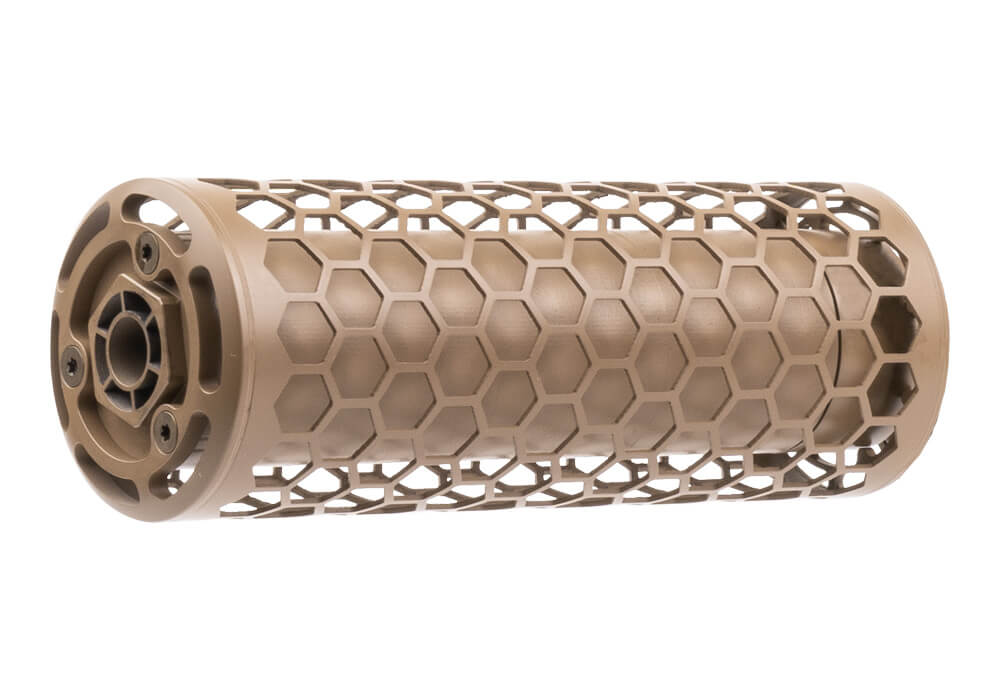
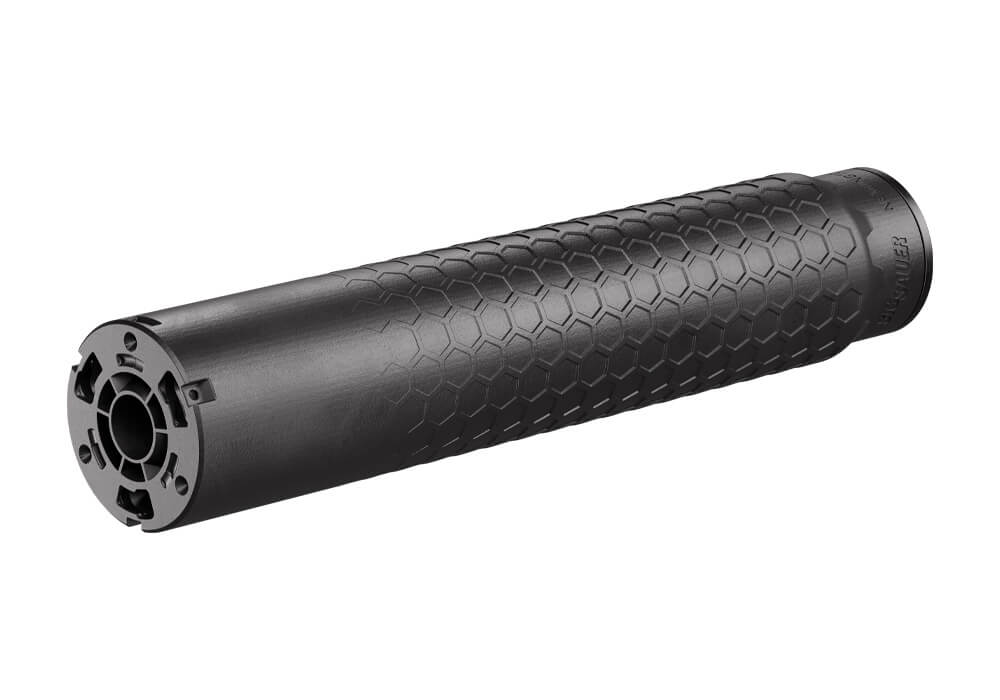
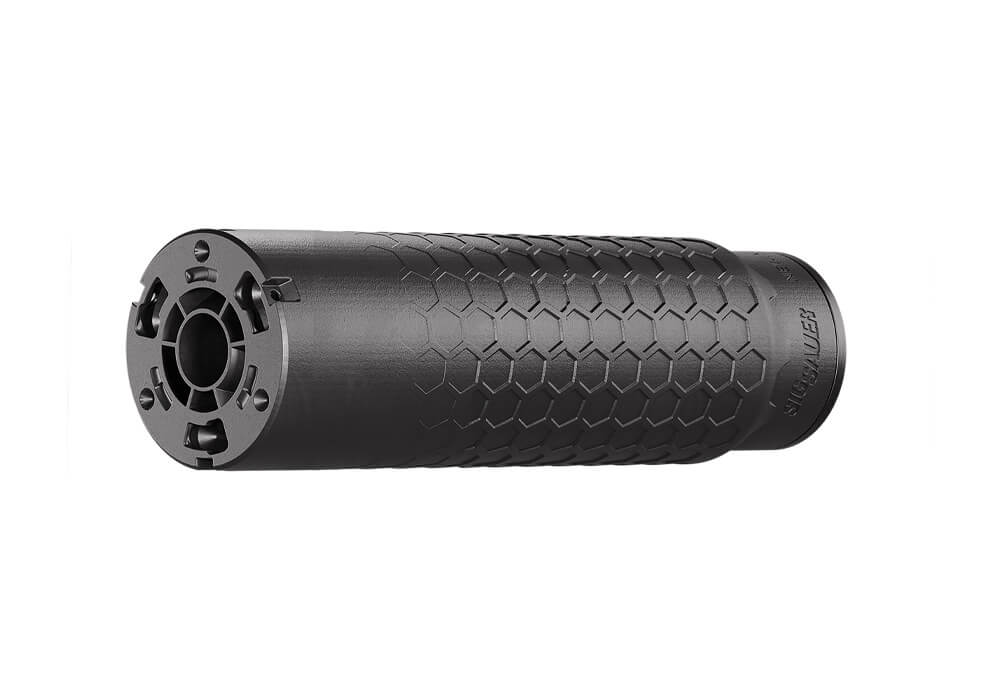
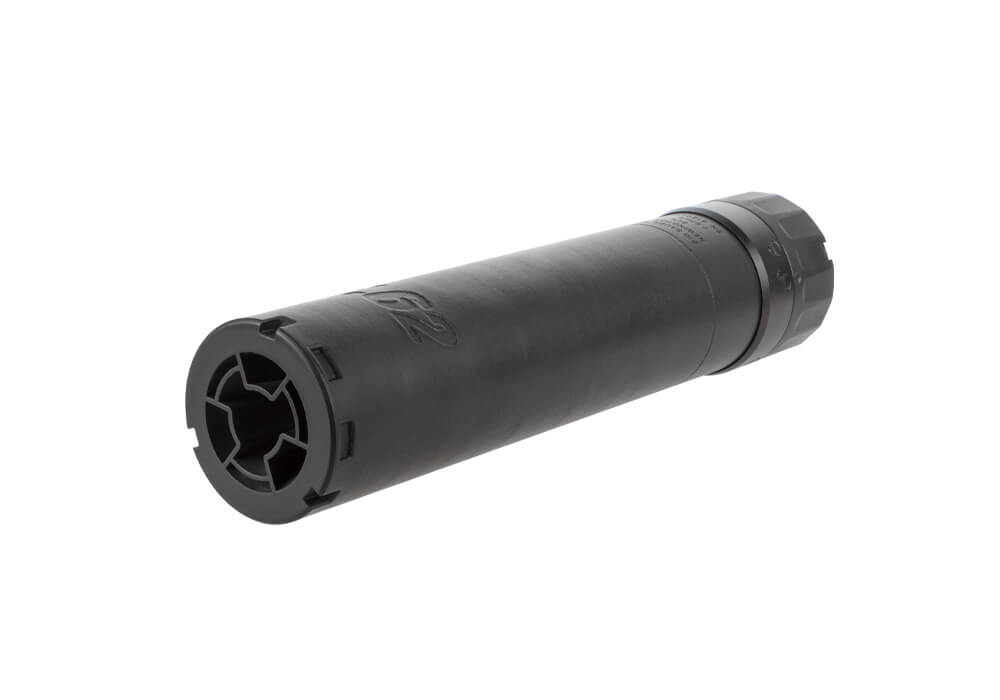
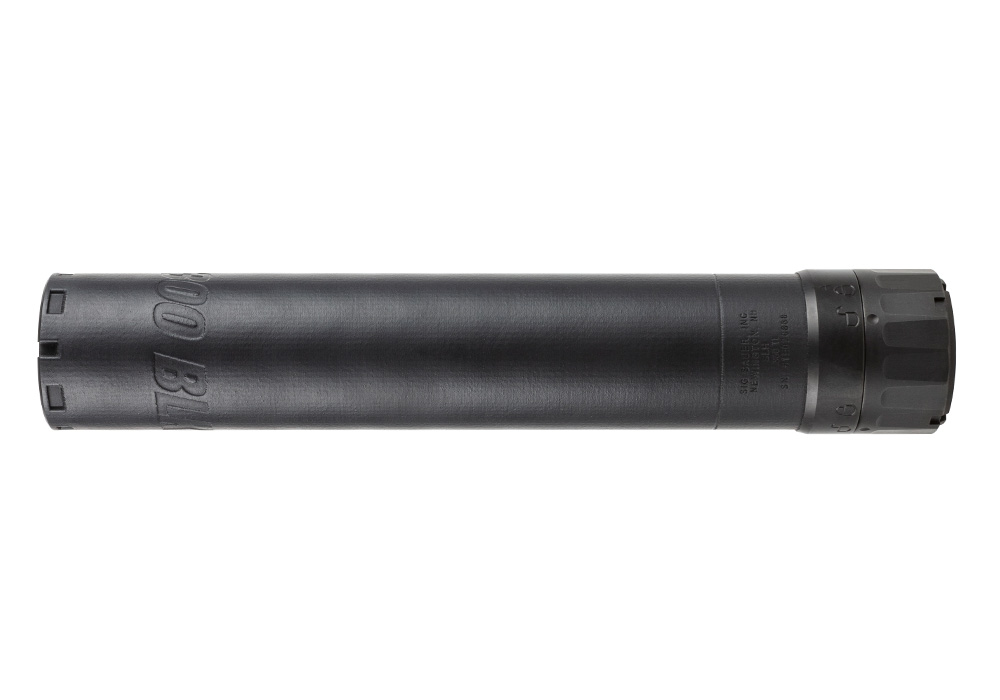
Ergonomic suppressors for 5.56 NATO rifles are designed to make a familiar rifle feel more balanced, comfortable, and controllable without adding unnecessary bulk at the muzzle. On an AR-pattern rifle, the right suppressor can influence much more than sound: its length, diameter, weight, mounting system, and internal gas-management design all affect how naturally the rifle moves between positions. Compact profiles help keep the center of gravity closer to the receiver, which can make a noticeable difference when transitioning between targets, working from supported positions, or carrying the rifle during a long day at the range. Reduced muzzle weight also helps limit the nose-heavy feeling that can develop during extended training sessions. For many shooters, ergonomic performance starts with a low-back-pressure or flow-through design. These suppressors are engineered to direct expanding gases forward through the unit rather than forcing as much gas and carbon back through the action. That can mean less gas around the shooter’s face, less visible vapor in certain conditions, and a more comfortable experience behind the rifle. Lower back pressure may also help reduce the amount of fouling driven into the receiver, although every suppressed rifle will require appropriate cleaning and inspection. A rifle that has been tuned around unsuppressed use may behave differently after a suppressor is installed, so consider how the system cycles, whether the gas setting is adjustable, and whether the ammunition and barrel configuration are compatible with the intended setup. These details matter whether the rifle is used for recreational shooting, structured practice, competition-style drills, varmint control where lawful, or general preparedness. Suppression does not eliminate the need for responsible hearing protection, safe handling, and awareness of surrounding people and property; it simply helps reduce the sharp report and muzzle signature produced by firing a 5.56 NATO cartridge.
Selecting an ergonomic 5.56 suppressor begins with matching the unit to the rifle rather than choosing by size alone. Barrel length is an important consideration because shorter barrels generally produce more blast, pressure, and unburned powder at the muzzle, while longer barrels may benefit from a suppressor that emphasizes a lighter forward profile. A compact suppressor can be an appealing choice for a short-barreled rifle or a carbine used in tight spaces, while a longer or fuller-sized design may place greater emphasis on sound reduction during deliberate range work. Weight should be considered alongside length: a few ounces at the muzzle can feel more significant than the same weight near the receiver, especially when the rifle is held off a rest. Mounting compatibility is equally important. Some shooters prefer a direct-thread system for its straightforward design and minimal added weight, while others value a quick-detach arrangement that allows the suppressor to move between compatible hosts. Check thread specifications, muzzle-device compatibility, barrel restrictions, alignment requirements, and the suppressor’s stated service limitations before making a purchase. Full-auto or hard-use ratings, heat management, corrosion-resistant materials, and ease of inspection can also influence long-term suitability. It is helpful to compare published dimensions, weight, diameter, mounting method, sound performance data, and back-pressure characteristics under similar test conditions, while remembering that results vary with barrel length, ammunition, weather, and the measuring system used. The 556 Suppressor category offers a practical starting point for comparing options intended for 5.56 NATO platforms. During the cooler months, a suppressor may be especially useful for shooters who spend longer periods outdoors, since a more comfortable rifle can make practice feel less tiring from the first magazine through the final carefully aimed shot. Even then, allow the unit to cool safely, avoid handling hot metal, and follow all manufacturer guidance for mounting, use, cleaning, storage, and inspection.
These suppressors are often chosen by experienced rifle owners who want a more refined shooting experience, but they can also suit newer enthusiasts who are building a thoughtful, purpose-driven setup with guidance from a qualified dealer or professional. They may be a meaningful gift for a close family member or shooting partner who already owns a compatible 5.56 NATO rifle, although a suppressor is rarely an ideal surprise purchase because legal eligibility, transfer requirements, identification, registration, and local regulations must be handled correctly. In the United States, suppressor purchases are subject to federal requirements and may also be governed by state or local laws, so confirm the rules that apply to the recipient and the intended place of use before beginning a transaction. A licensed dealer can help explain the applicable process and verify compatibility without taking the guesswork out of the purchase. For someone who spends weekends refining positions on a square range, the benefit may be a rifle that feels steadier and less fatiguing as the session continues. For a hunter or landowner using a compatible rifle where lawful, the benefit may be a reduced muzzle signature and a more manageable platform in the field. For a preparedness-minded owner, a compact, balanced suppressor can preserve maneuverability while reducing some of the discomfort associated with repeated firing. Across each use case, the most ergonomic choice is usually the one that complements the rifle’s existing balance, expected round count, barrel length, and mounting system. A well-matched suppressor should feel like an integrated part of the platform rather than an oversized accessory hanging from the end of it. Consider the complete system, including optics, lights, slings, ammunition, protective equipment, and the shooter’s own reach and strength. With careful selection and responsible use, an ergonomic suppressor for a 5.56 NATO rifle can support more comfortable practice, smoother handling, and a better-balanced setup through changing range conditions and cooler outdoor days.