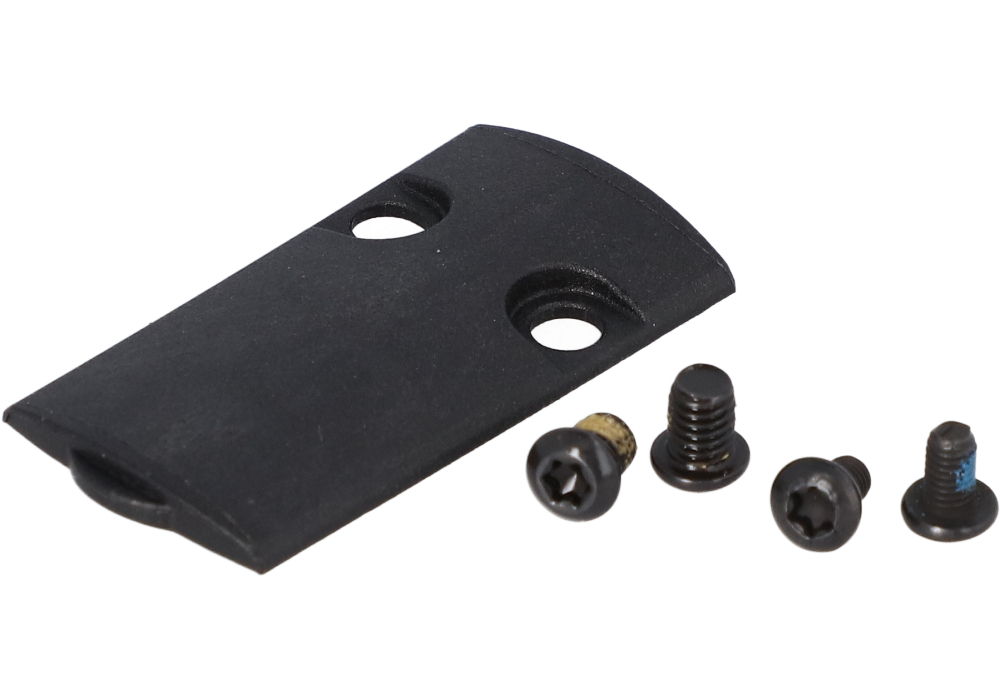
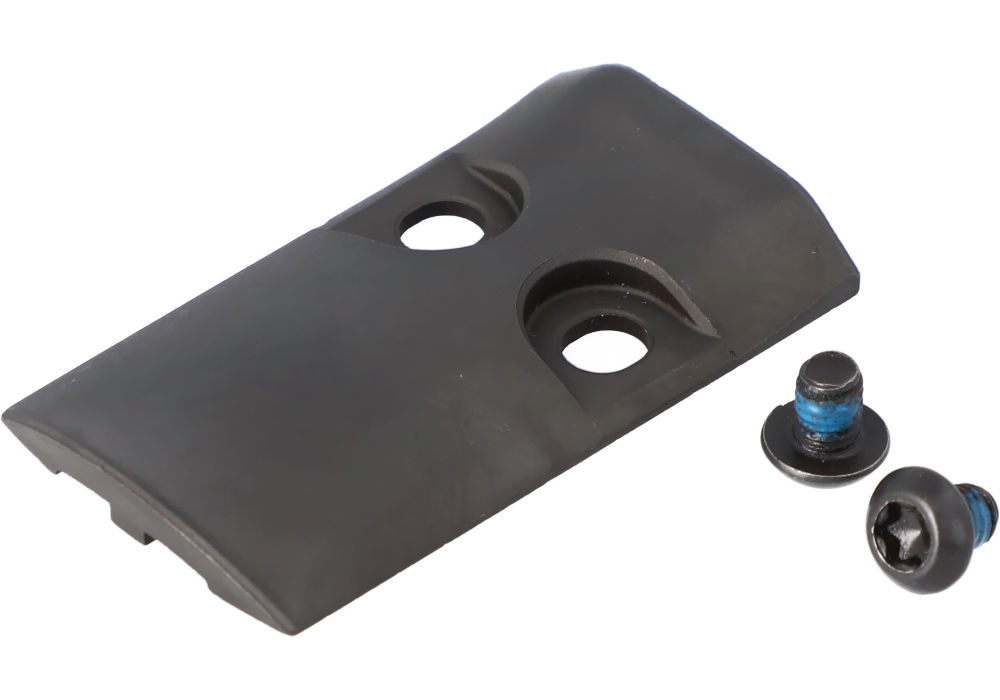
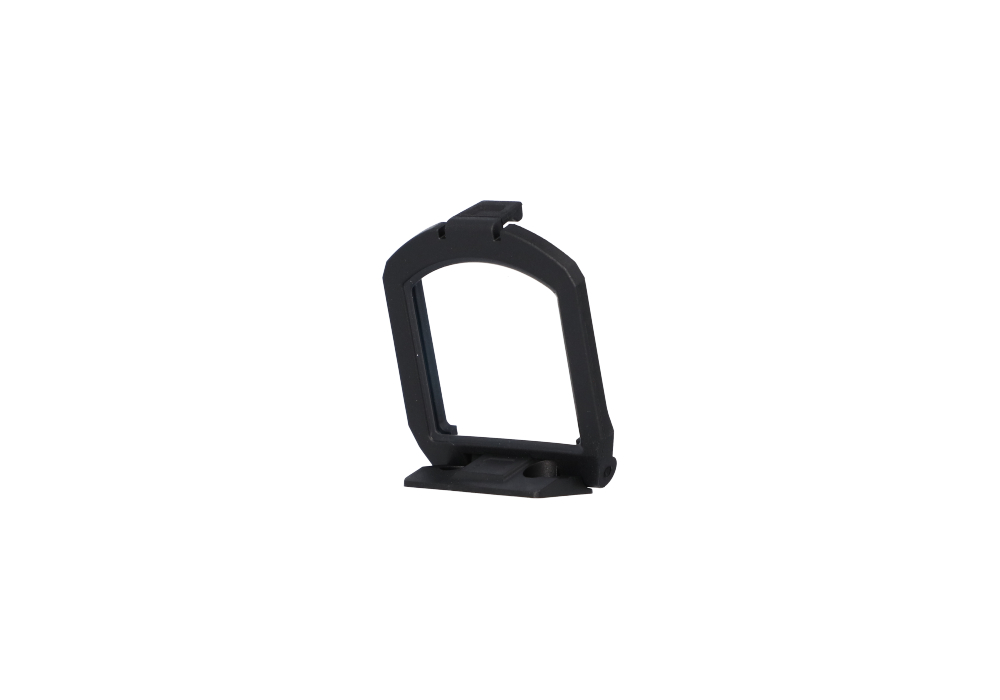
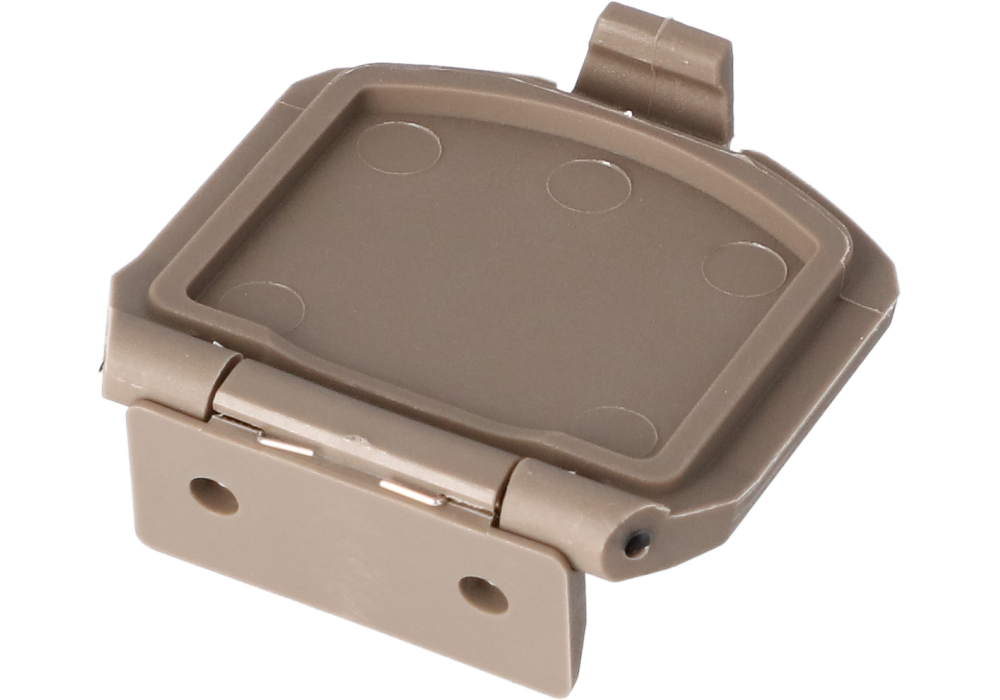
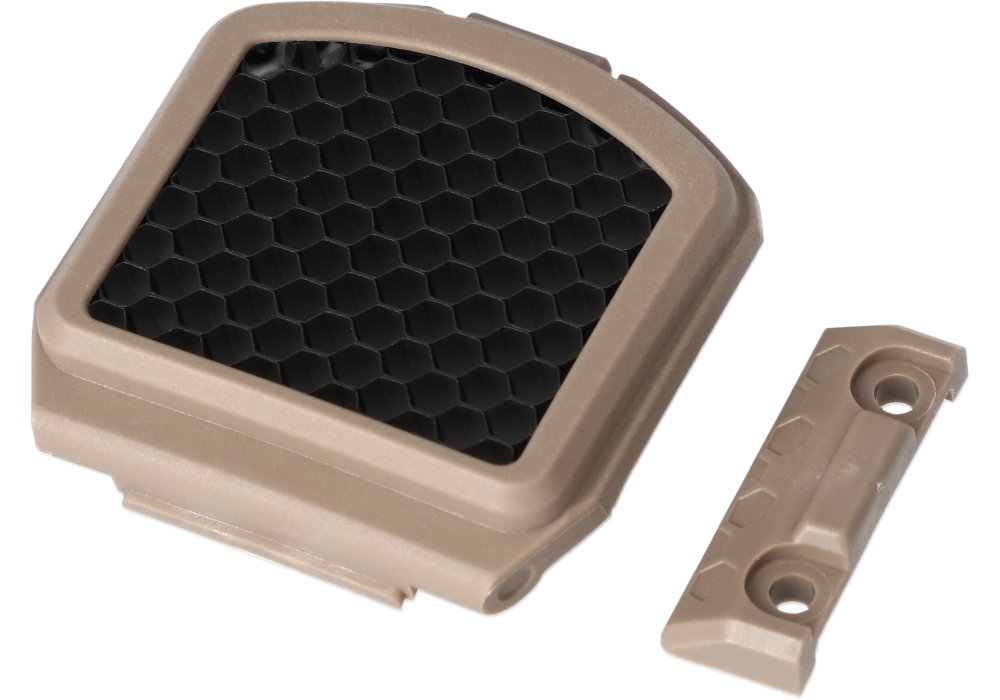
Factory sight covers protect exposed sight components or cover designated openings in a firearm’s sight-mounting area, depending on their design. The term can describe several different accessories, so the distinction between a fitted cover plate and a removable optic protector matters. A cover plate closes an unused mounting recess and helps maintain a clean exterior profile when that mounting position is not occupied by an optic. A protective sight or optic cover fits over the sight assembly or lens area to help limit contact with dust, debris, and surrounding equipment during storage and transport. These functions are related, but the parts are not interchangeable. A plate intended for a particular slide recess cannot serve as a lens protector, and a flexible optic sleeve cannot replace a fitted plate or its mounting hardware. Factory-specific fit is especially useful where the surrounding contours, attachment points, and sight arrangement leave little room for variation. A closely matched cover can follow the shape of the assembly without the loose edges or excessive bulk associated with an unsuitable fit. For someone carrying a firearm in a padded case, organizing equipment in a safe, or packing an optic-equipped setup for a range visit, that attention to fit supports straightforward protection without unnecessary clutter. Small accessories can rub against adjacent surfaces inside a case, while lint and fine debris can collect around exposed sight components. An appropriate cover provides a barrier at those contact points, though the level of protection depends on its construction and coverage. It should not be assumed to provide a watertight seal, prevent every impact, or preserve sight alignment under all circumstances. Factory sight covers are best understood as purpose-specific accessories that complement careful handling and suitable storage, rather than substitutes for a protective case or regular inspection. Their value lies in matching a defined protective function to the equipment they are intended to accompany.
Fit starts with the exact firearm, slide, sight, or optic configuration identified in the accessory specifications. Similar-looking assemblies may differ in width, mounting geometry, rear sight placement, or the space surrounding adjustment controls. Even within a familiar equipment family, a different generation or sight arrangement can change which cover is appropriate. For a fitted plate, the important details include the outline of the recess, attachment locations, and relationship to neighboring components. For a removable protector, coverage and retention deserve equal attention: the cover should seat as intended without pressing unnecessarily against exposed glass, snagging on adjacent equipment, or interfering with controls. A storage cover that blocks the viewing window generally needs to be removed before sight use; an open-window protective housing serves a different purpose and should only remain in place during use when its stated design permits it. Materials also influence how a cover feels, wears, and performs its intended role. Rigid metal or polymer designs can provide a defined shape and a close-fitting exterior, while flexible elastomers and fabric-backed materials can offer a softer barrier around compatible sight housings. Those material categories do not establish a protection rating by themselves. Wall thickness, edge treatment, surface finish, and retention features all contribute to the finished accessory. A smooth inner surface can help reduce rubbing, but trapped grit can still abrade a finish if it is left between the cover and the component beneath it. Flexible construction may be convenient for repeated removal, while a rigid design may better suit an application that calls for a fixed profile. The appropriate choice follows the intended use rather than appearance alone. Where a cover plate uses threaded hardware, the specified fasteners are part of that fit; head shape, thread specification, and length are not details to approximate. Compatible Sight Cover Screws support the intended assembly, with compatibility confirmed against the relevant documentation. Any uncertainty about mounting requirements is a reason to consult the manufacturer’s instructions or a qualified gunsmith rather than force a part into place.
Care for factory sight covers is generally uncomplicated, but it should reflect both the cover material and the component underneath. Before handling a firearm for inspection or maintenance, verify that it is unloaded and follow the manufacturer’s safety instructions. Remove loose debris from accessible surfaces with a clean, soft cloth, and use only cleaning methods approved for the material and finish. A cover that has collected grit inside a range bag should be cleaned before it goes back over a sight. Wiping a dirty interior across a lens or finished housing defeats the purpose of the protective barrier. Lens surfaces may require their own approved cleaning materials, separate from those used on the cover. Harsh solvents, abrasive pads, and unnecessary soaking can harm certain finishes, adhesives, or flexible materials, so compatibility matters as much in care as it does in selection. Allow cleaned components to dry fully before enclosing them, and inspect the cover periodically for cracks, torn edges, worn retention features, or other changes that affect how it seats. A cover that once fit securely but now shifts inside a case may no longer provide the same useful coverage. For fixed plates, visible movement or hardware concerns should be addressed according to the equipment documentation before further use. These accessories suit owners who prefer keeping a factory-style configuration, range users who regularly transport sight-equipped firearms, and collectors who want appropriate protection around carefully maintained equipment. They can also be a practical gift for an experienced firearm owner when the recipient’s exact configuration is known; guessing from a photograph or a broad model-family name is rarely enough to establish fit. In everyday ownership, convenience often comes down to small details: a protector that is easy to keep with the case, an interior that can be inspected without difficulty, or a fitted plate with contours that align neatly with the surrounding surface. A well-matched factory sight cover brings those details together in an accessory with a clear purpose, helping protect the relevant sight area while keeping routine care and storage manageable.