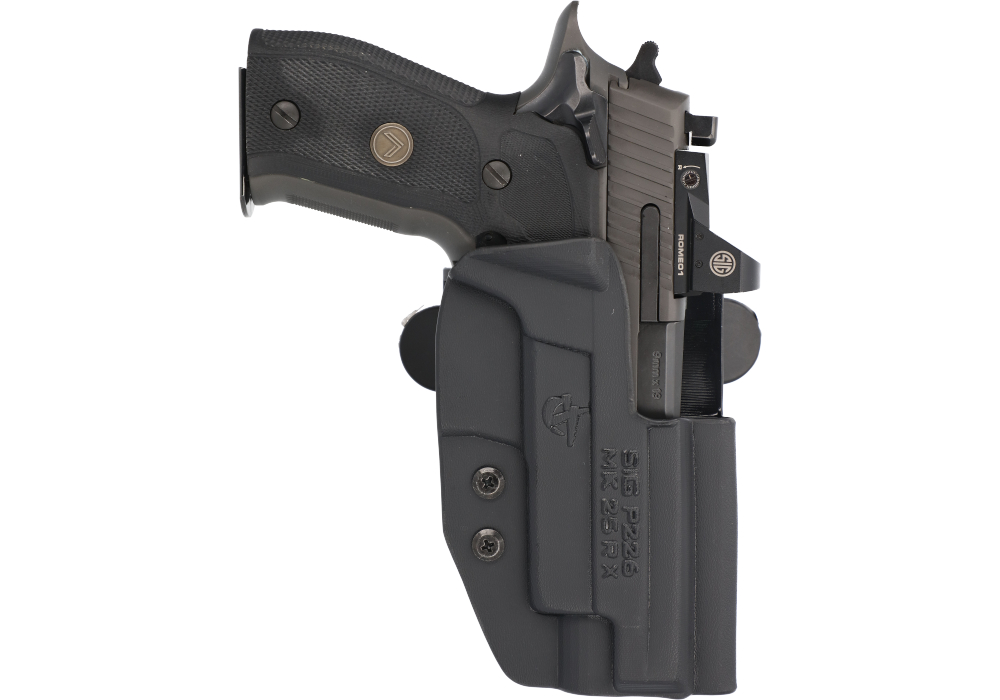
Fall shooting competitions reward preparation that is calm, deliberate, and repeatable. As the weather shifts toward cooler conditions, competitors often find that a well-organized range bag matters just as much as practice time. Start by checking the rules for the match and division, including requirements for optics, holsters, belt systems, magazine pouches, firearm modifications, ammunition, and equipment placement. Regulations can vary between disciplines, and gear that is permitted in one division may not be allowed in another. A dedicated competition setup helps keep essential equipment in a consistent position, making it easier to move through a stage without searching for a magazine or adjusting a loose holster. Look for equipment that fits securely, allows a full range of motion, and remains comfortable while standing, walking, kneeling, or moving between shooting positions. Firearm fit and reliability should also guide purchasing decisions. Choose a configuration that can be handled confidently, paired with sights or an optic that are easy to acquire in changing light, and supported by magazines and controls that work naturally with the shooter’s hands. Ammunition planning deserves the same attention. Review the round count for each stage, account for reshoots and make-up shots when permitted, and bring a reasonable reserve rather than arriving with only the minimum. Spare batteries for electronic sights and hearing protection, along with a basic tool kit, cleaning supplies, and small replacement items, can prevent a minor issue from interrupting an otherwise strong day. Competitors who are new to organized shooting may appreciate a simple, dependable setup that leaves room to learn, while experienced shooters may prioritize lighter equipment, faster access, or a more refined fit. For those exploring a different style of target practice or looking for a thoughtful gift for a recreational shooter, browse Air Rifles For Fall Shooting Competitions for options suited to structured practice and seasonal range time.
Comfort and protection are practical parts of competition preparation, especially when a match includes several hours outdoors. Certified eye protection should remain in place throughout shooting activities, with lenses that provide a clear view without distracting glare or excessive tint. Electronic or passive hearing protection can help preserve hearing while allowing important range commands to remain audible, and a secure fit is worth testing before match day. Cooler air can make an early morning range feel crisp, while bright sun may still create glare and fatigue later in the day, so layered clothing, a brimmed hat, sunscreen, water, and simple snacks can help maintain focus from the first stage to the last. Footwear should provide stable traction on grass, gravel, damp ground, or uneven terrain, and clothing should allow unrestricted movement without catching on a holster, sling, magazine pouch, or other equipment. A folding chair, weather-resistant bag, notebook, and plastic storage containers can add comfort and keep ammunition and small accessories organized when conditions change. Before leaving for the range, confirm that the firearm is transported and stored in accordance with applicable laws and range policies, and keep ammunition separated as required. At the facility, follow every range command, handle firearms only in designated areas, and keep the muzzle pointed in a safe direction. The trigger should remain untouched until the sights are on the intended target and the shooter is ready to fire. A clear safety routine is useful for every experience level: verify the firearm’s condition, keep the action open when required, use only the designated loading and unloading areas, and ask a range official for clarification whenever a command or procedure is unclear. These habits also make competition days more comfortable for guests and first-time participants who may be learning the pace and structure of organized shooting.
Practice should build consistency rather than encourage rushed movement. Before live fire, competitors can review stage layouts, count targets, identify shooting positions, and decide where movement is most efficient while staying within the rules. A short plan written in a notebook can be helpful when several stages begin to blend together, particularly in the cooler months when gloves, layers, or changing light alter the feel of familiar equipment. Dry-fire practice may reinforce a draw, sight presentation, reload motion, and target transition, but it must be conducted with live ammunition completely removed from the practice area. Check the chamber, magazine well, and surrounding workspace each time, use a safe direction, and follow the firearm manufacturer’s instructions before beginning. Live-fire sessions should then confirm that the setup works under realistic conditions: test ammunition reliability, confirm point of aim and point of impact, check optic or sight settings, and practice entering and exiting positions without sacrificing muzzle control or trigger discipline. Concentrate on smooth movement, a stable shooting position, and seeing the sights clearly before trying to increase speed. Stage walk-throughs are also an opportunity to notice practical details such as footing, target visibility, reload locations, and the placement of no-shoot targets or boundaries. A competitor preparing a trusted setup may need only fresh batteries, clean magazines, and a final function check, while someone new to competition may benefit from attending a local match as a spectator before investing in additional equipment. With organized gear, verified rules, reliable ammunition, protective equipment, and a safety-first practice routine, shooters can arrive ready to focus on each stage and enjoy the steady rhythm of a well-run fall competition.