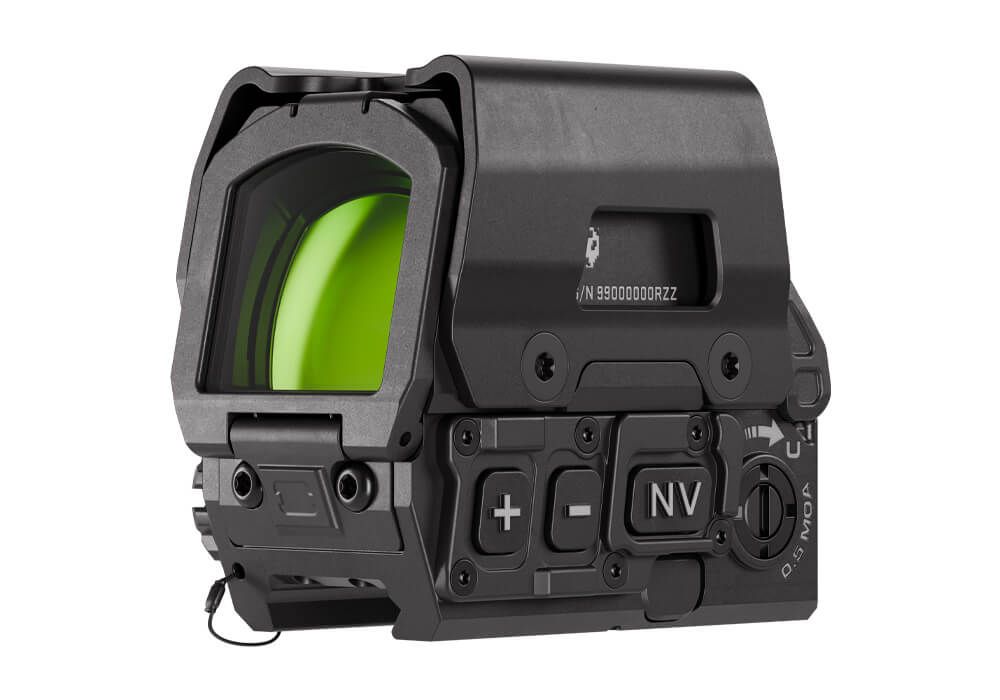
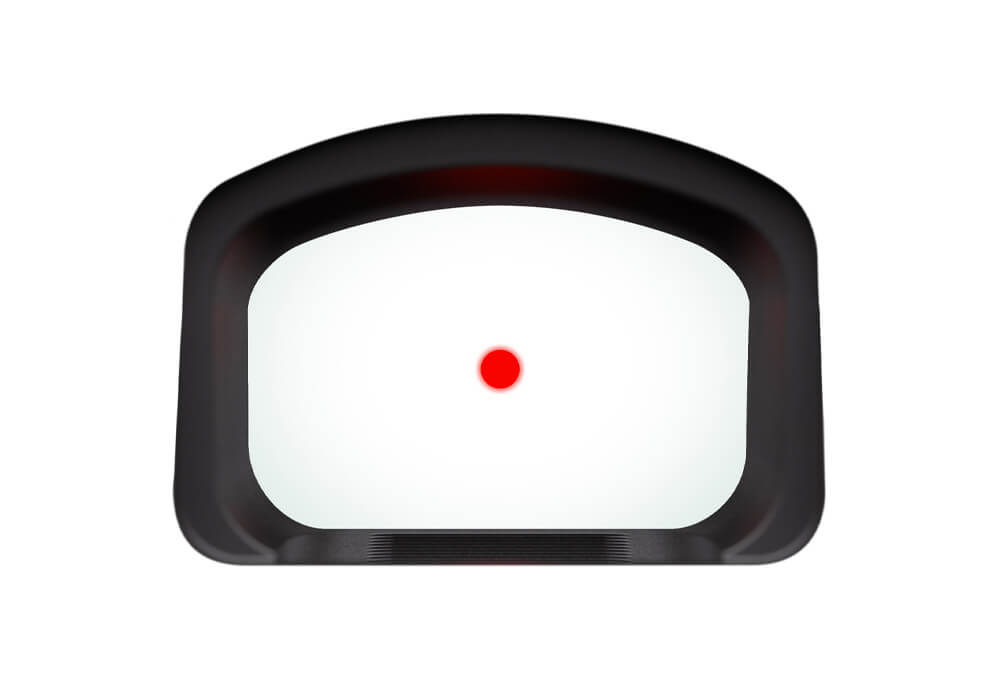
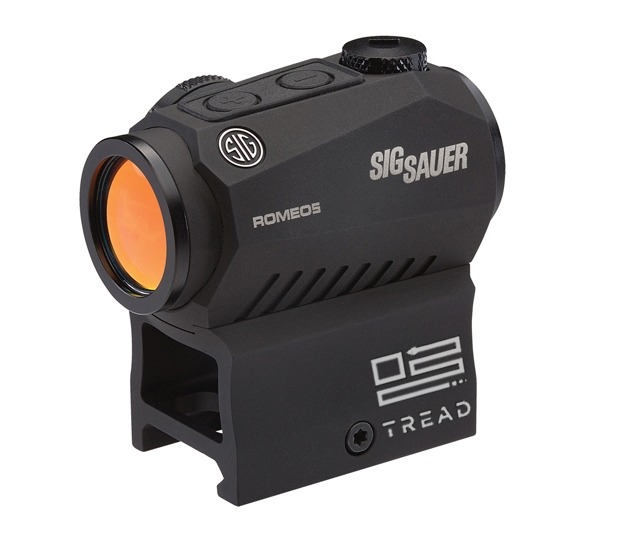
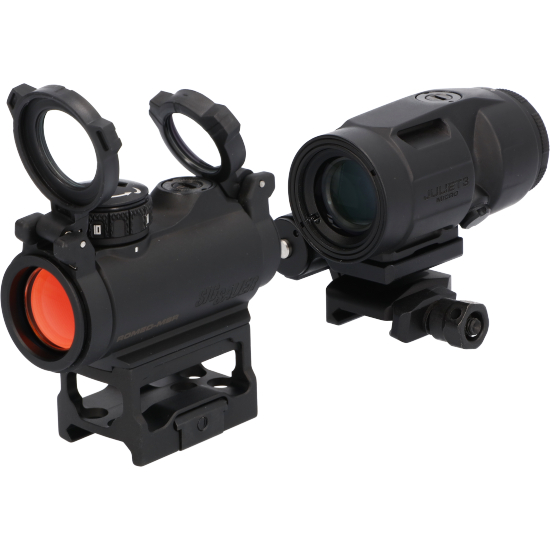
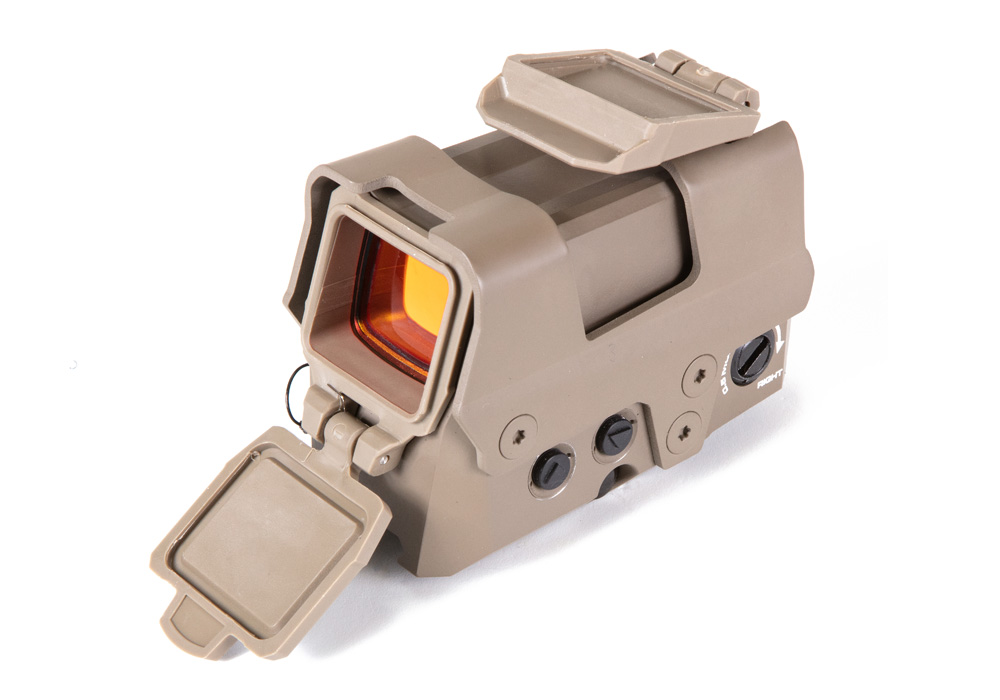
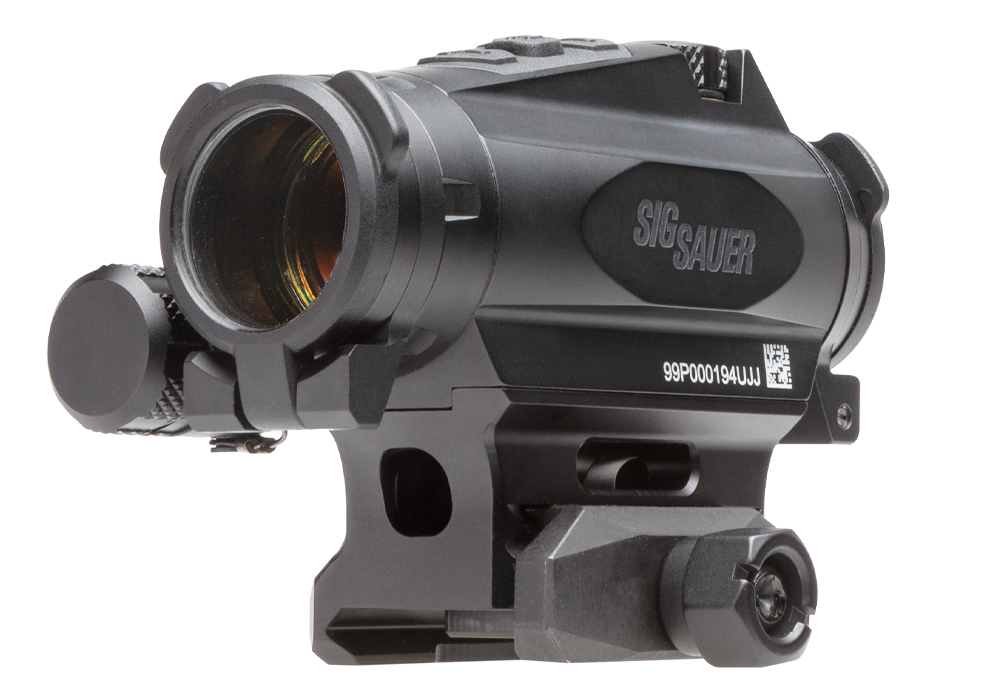
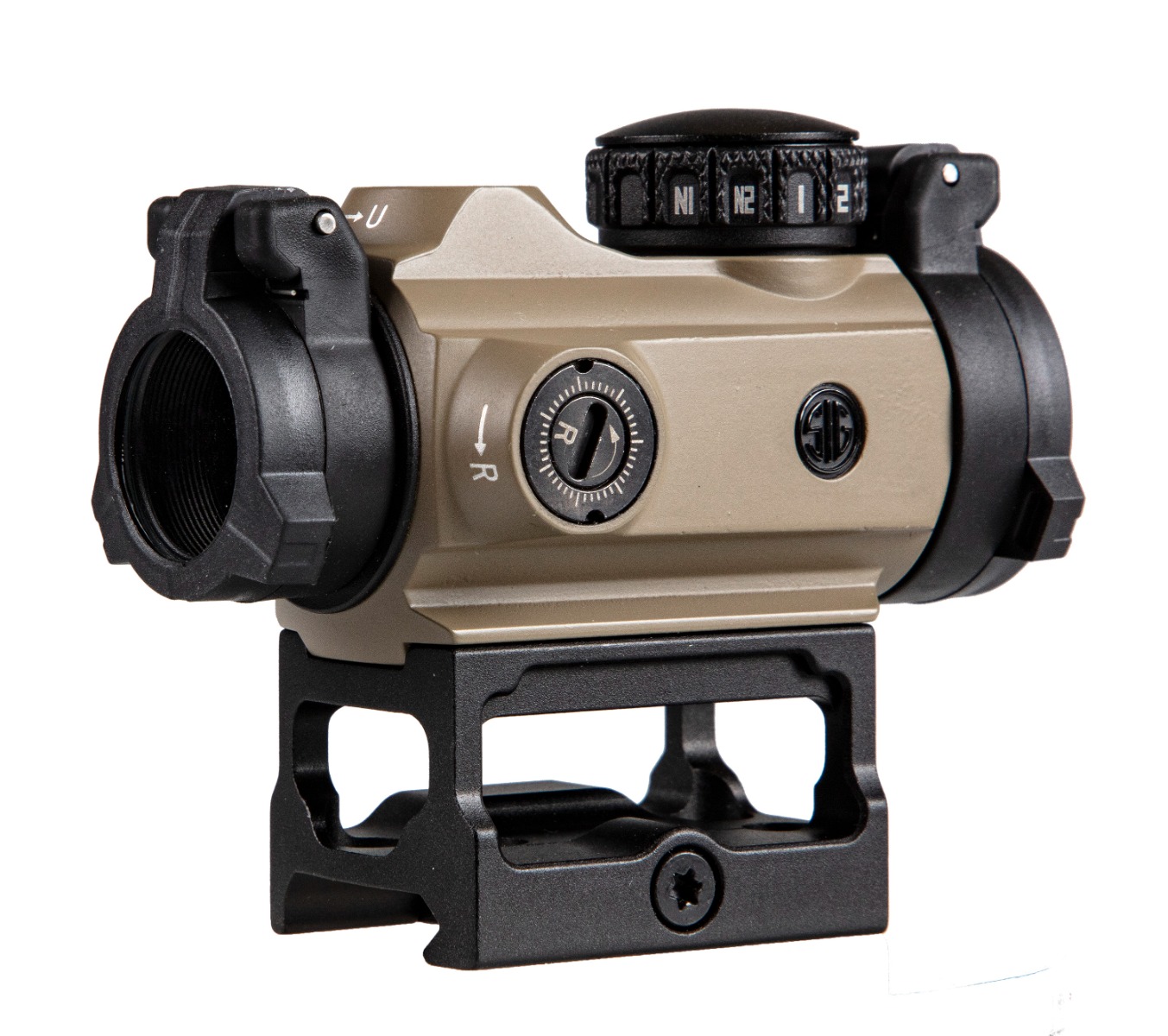
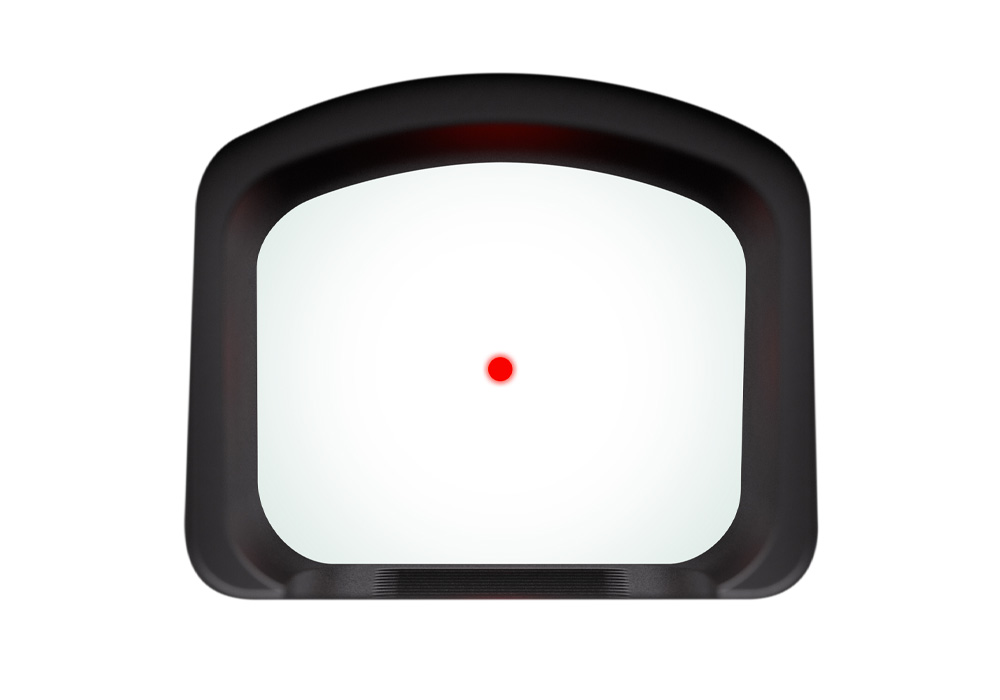
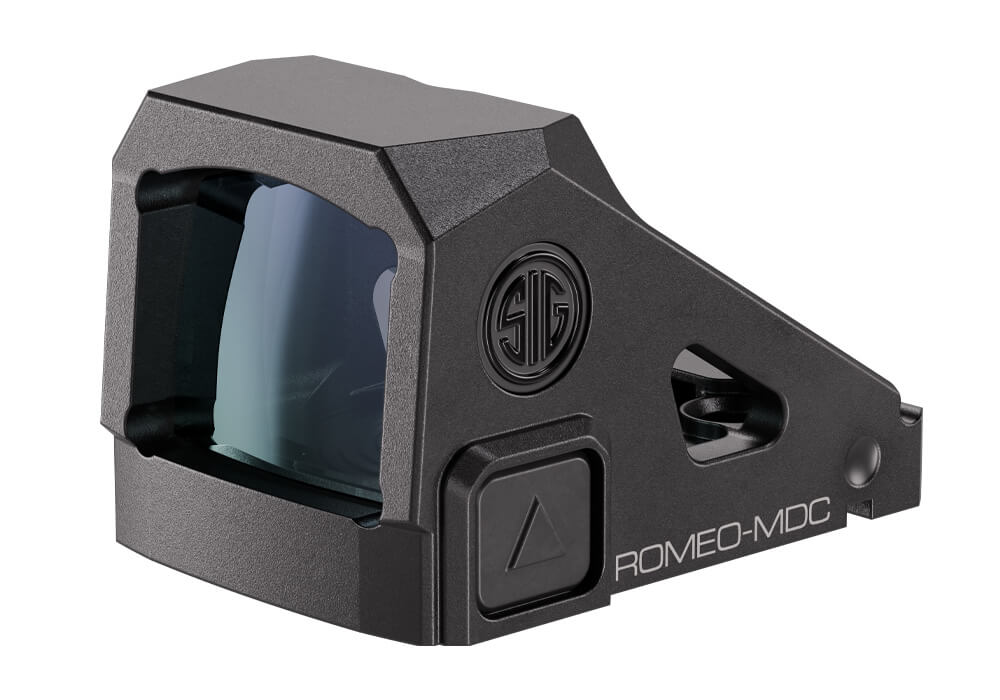
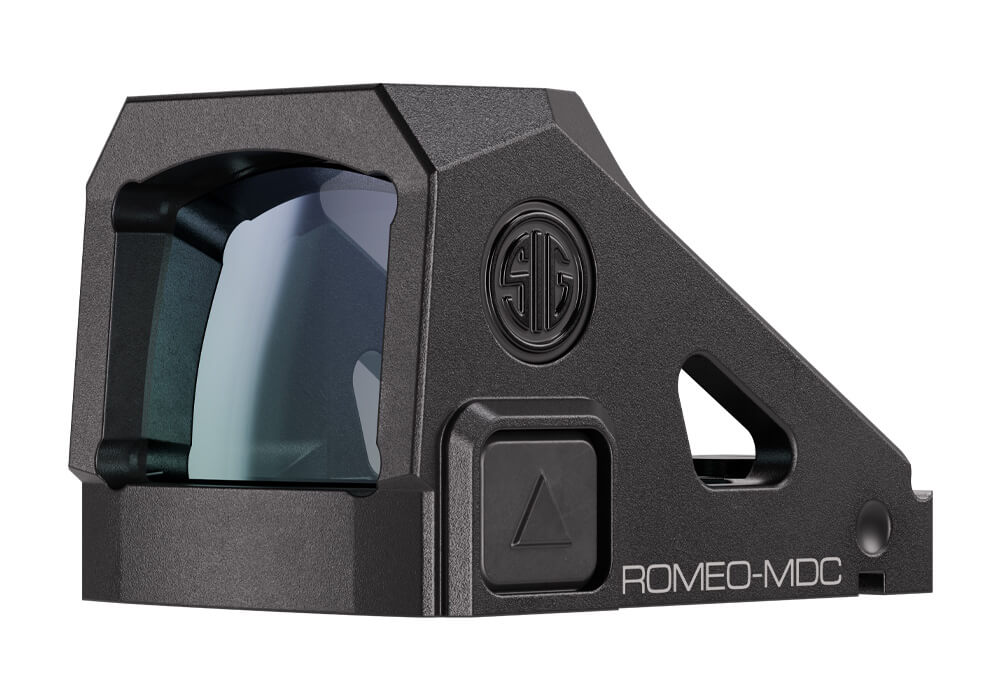
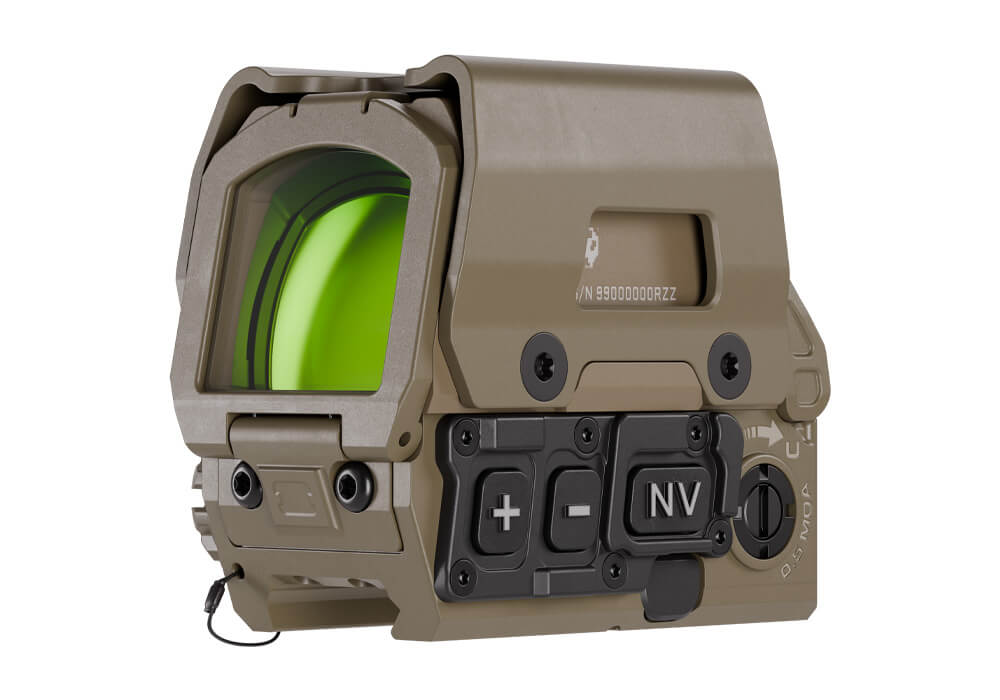
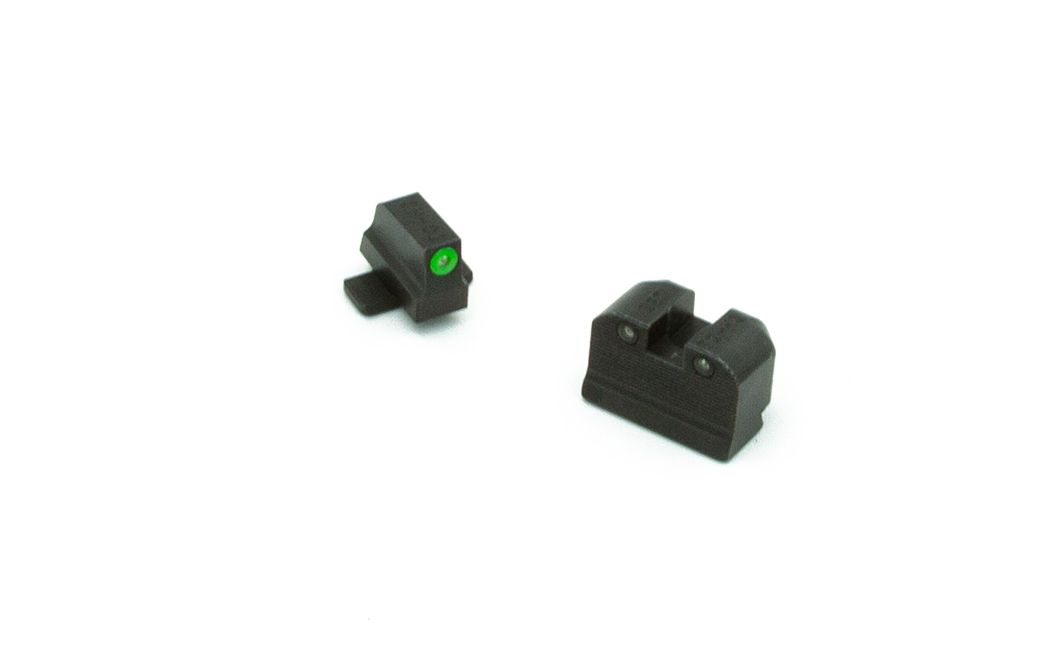
Field-tested red dot sights are selected for the kind of dependable performance that matters when equipment must work beyond a clean, controlled range. A well-built optic can help a shooter acquire an aiming point quickly, maintain a clear sight picture in changing light, and stay on target while moving through uneven terrain, thick brush, or a fast-paced training exercise. These sights are commonly used on defensive pistols, patrol and duty carbines, sporting rifles, and other compatible platforms where speed and practical accuracy are priorities. Their compact profiles keep the setup streamlined, while illuminated reticles remain visible against dark targets, bright backgrounds, and the shifting contrast found outdoors. For many shooters, a red dot becomes especially useful when wearing gloves, shooting from unconventional positions, or transitioning between targets at close and moderate distances. During the cooler months, when rain, condensation, mud, and low-angle light can complicate a day afield, a durable optic provides a consistent reference without requiring the eye to align through multiple sight planes. The best choice depends on the firearm, intended use, and the conditions it may encounter, but every field-ready sight should be evaluated as part of the complete system rather than as an isolated accessory. Browse the selection of Mission Ready Red Dot Sights to compare options designed around practical readiness, rugged construction, and dependable aiming performance.
When comparing red dot sights, start with the mounting interface. A pistol optic must match the slide cut or adapter plate, while a carbine or rifle optic must pair correctly with the rail and mount height. Common footprints are not interchangeable, and even a high-quality sight cannot perform properly if the mounting solution is incompatible or improperly secured. Confirm the footprint, screw pattern, hardware length, and required torque specifications before installation, then verify that the optic sits securely and returns to zero after repeated handling. Housing construction is another important consideration. Aluminum bodies offer a useful balance of strength and weight, while more robust materials and reinforced designs can provide additional resistance to impact, recoil, and the accidental knocks that happen when a firearm is carried in a case, vehicle, blind, or field pack. Look for sealed construction and dependable controls if the optic may be exposed to rain, dust, snow, or blowing debris. Emitter design also influences everyday reliability. Open-emitter sights are often compact and lightweight, but the exposed area around the emitter can collect lint, mud, or moisture. Enclosed-emitter designs shield the internal components and can be an advantage for concealed carry, duty use, or outdoor work in environments where debris is difficult to avoid. Lens quality, anti-reflective coatings, and a crisp reticle help preserve visibility as the background changes from open sky to shaded timber. Brightness controls should be easy to reach and adjust, yet resistant to accidental changes while the firearm is stored or carried.
Battery performance deserves the same attention as durability. Long runtime reduces maintenance and helps keep the sight ready between practice sessions, while motion-activated illumination can conserve power by placing the optic into a low-power state until movement is detected. Automatic brightness features may be convenient in changing light, although manual control remains valuable when a shooter needs to fine-tune the reticle for a specific background. Standard and extended capacity battery options, accessible battery compartments, and clear low-power indicators can all simplify ownership. Even with excellent battery life, a disciplined routine is worthwhile: install a fresh battery according to the manufacturer’s instructions, keep a spare with the rest of the firearm’s support gear, and inspect the lens and housing before heading out. Zero the sight with the ammunition and firearm combination that will be used most often, then confirm the point of aim after mounting, transport, or a hard impact. A red dot may be a thoughtful gift for a new firearm owner, a hunter preparing for difficult terrain, a competitor refining close-range transitions, or an experienced shooter upgrading an aging setup, but the recipient’s firearm and intended application should guide the purchase. Fit, reticle style, durability, battery access, and mounting requirements matter more than appearance alone. Whether used during a quiet morning in the field, a structured training session, or routine range practice as the weather changes, a properly matched red dot sight can make the aiming process faster, clearer, and more consistent while supporting responsible firearm handling and deliberate marksmanship.