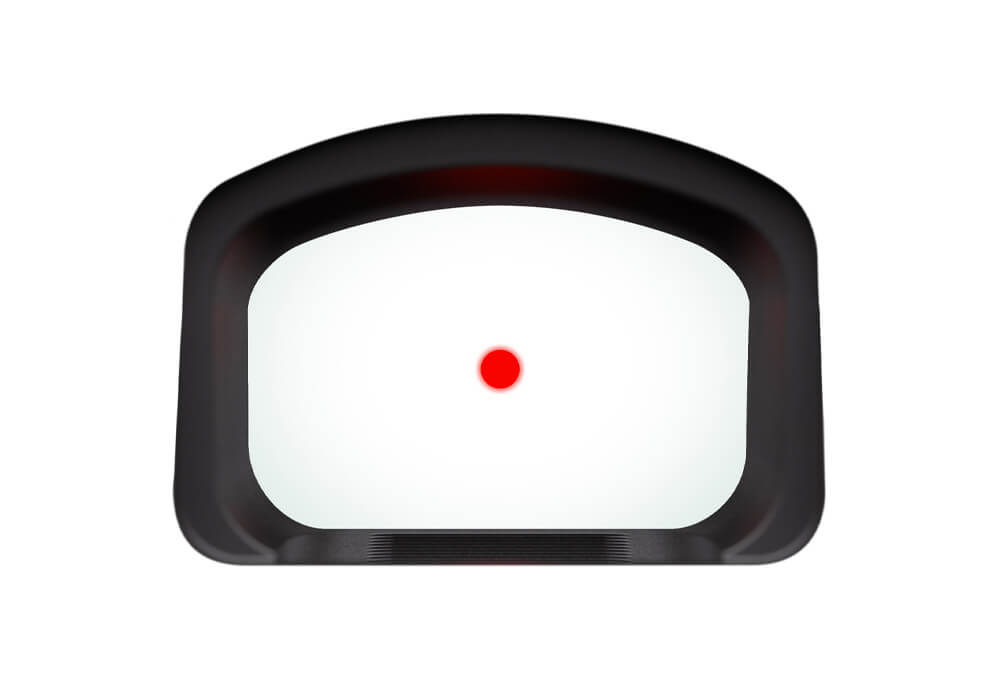
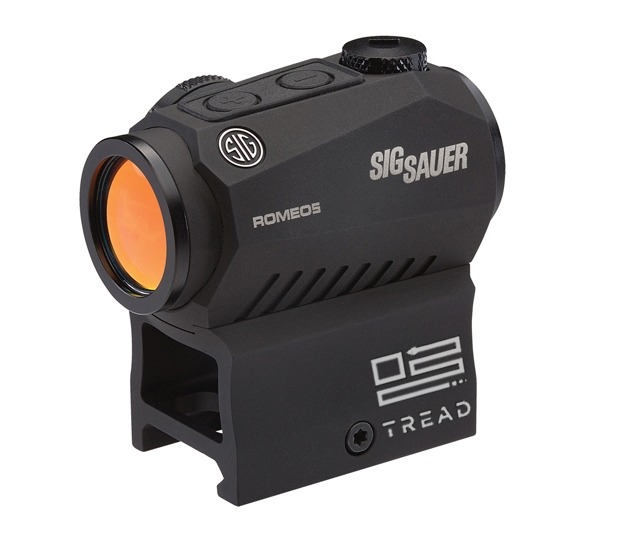
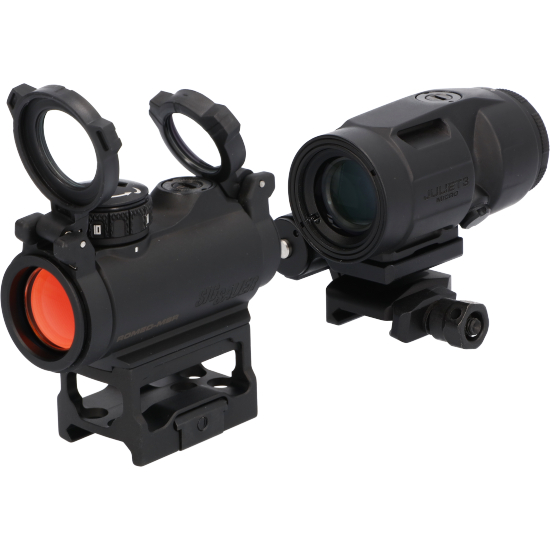
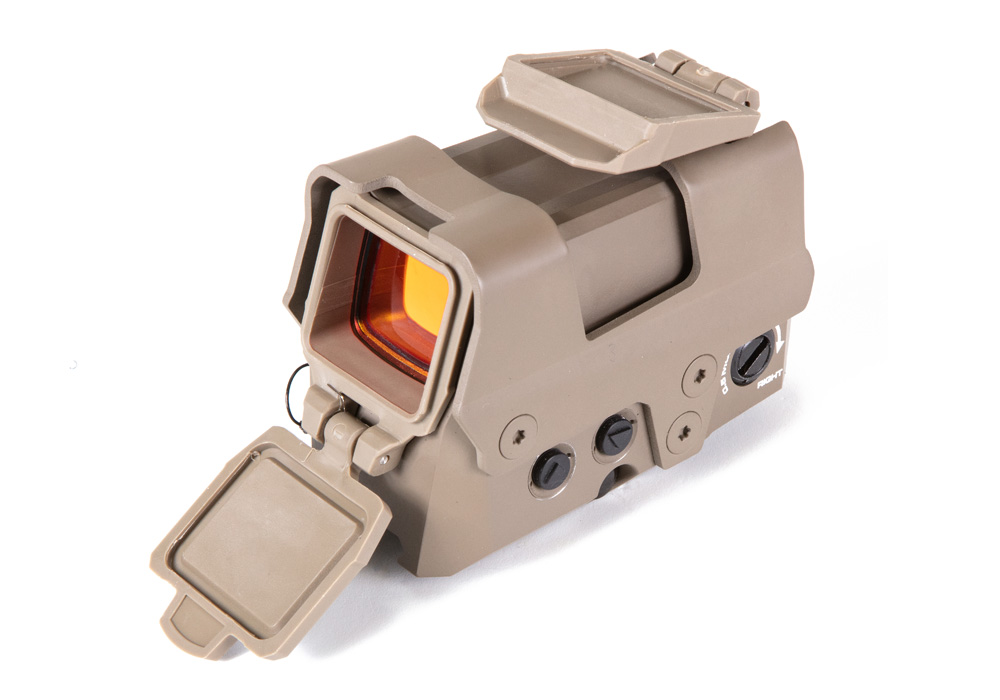
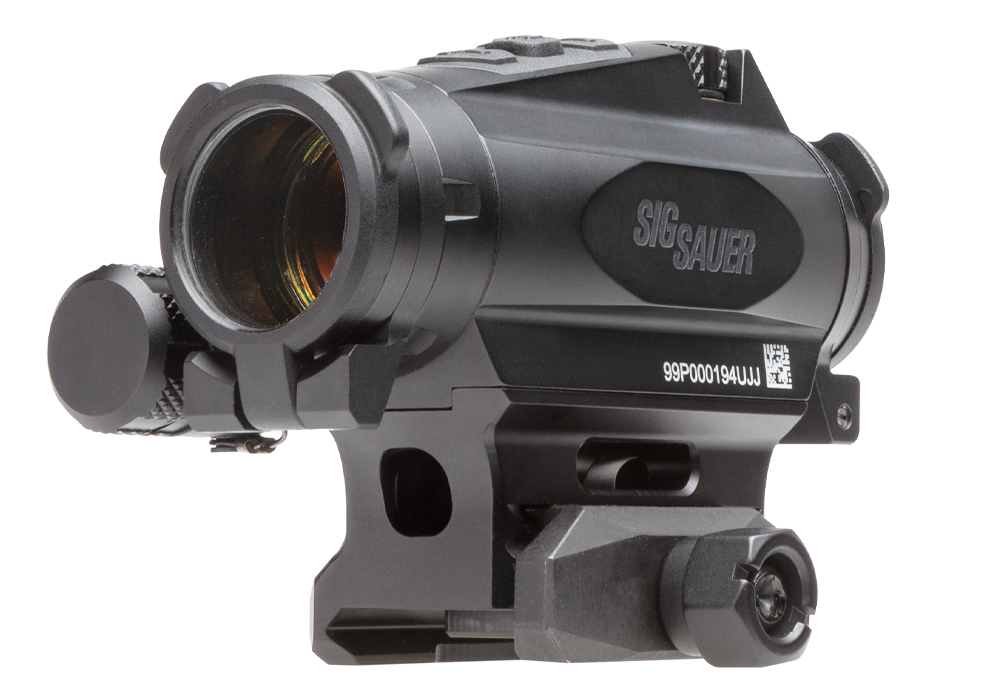
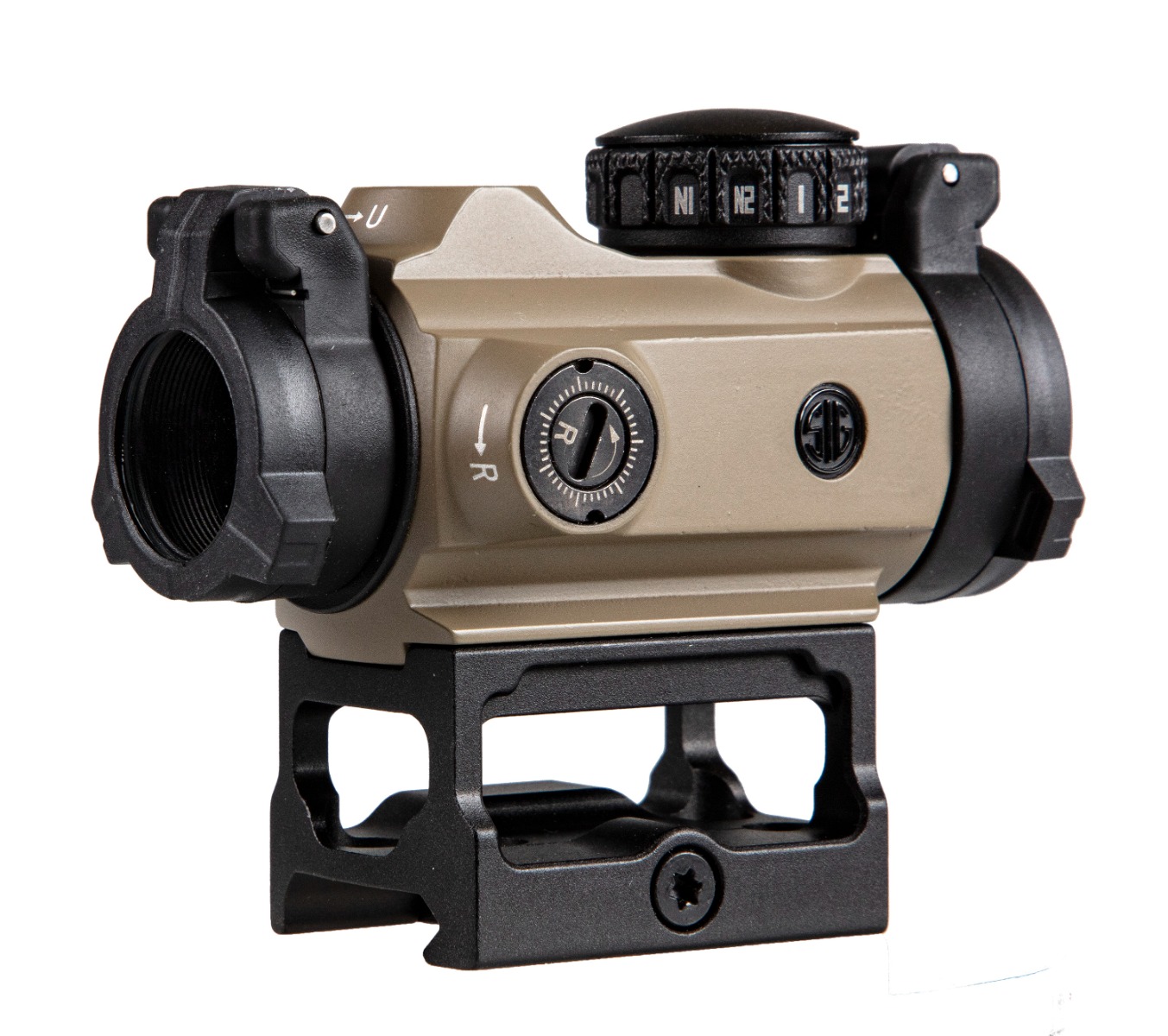
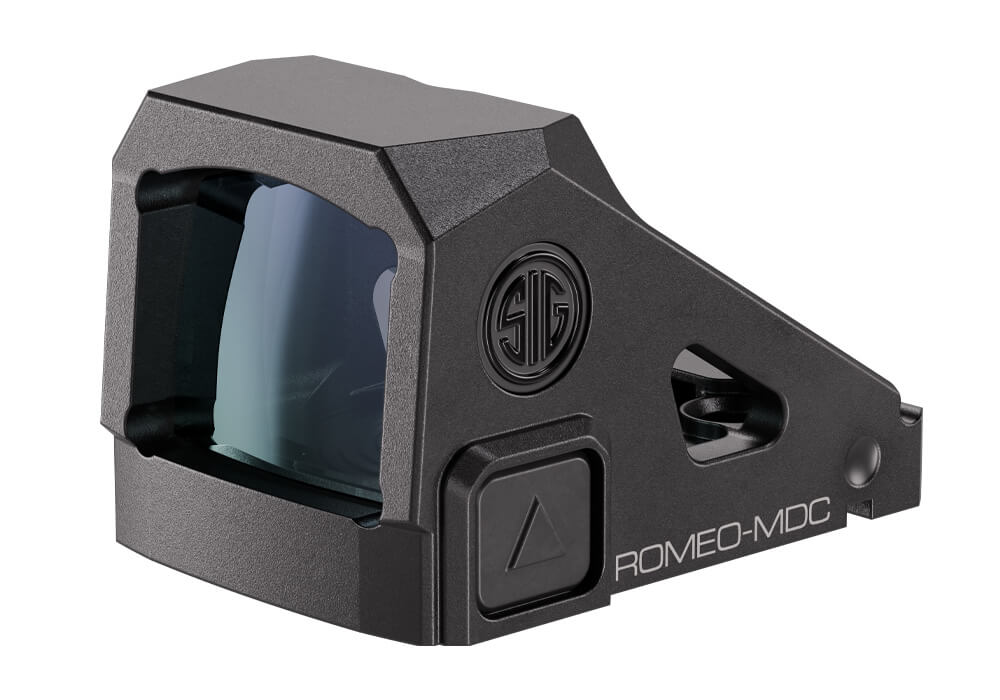
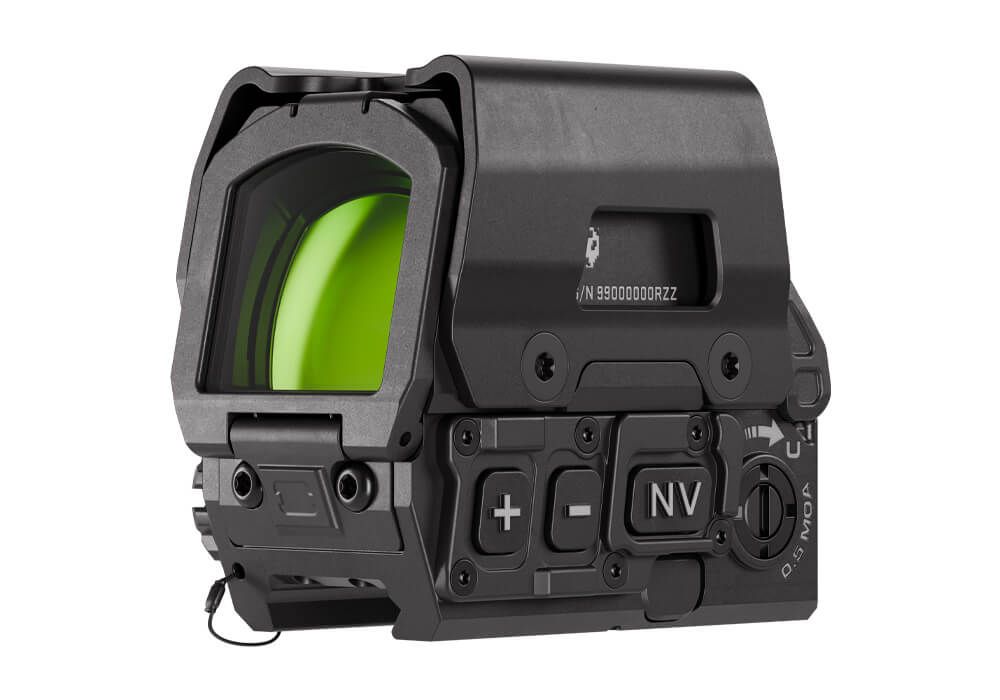
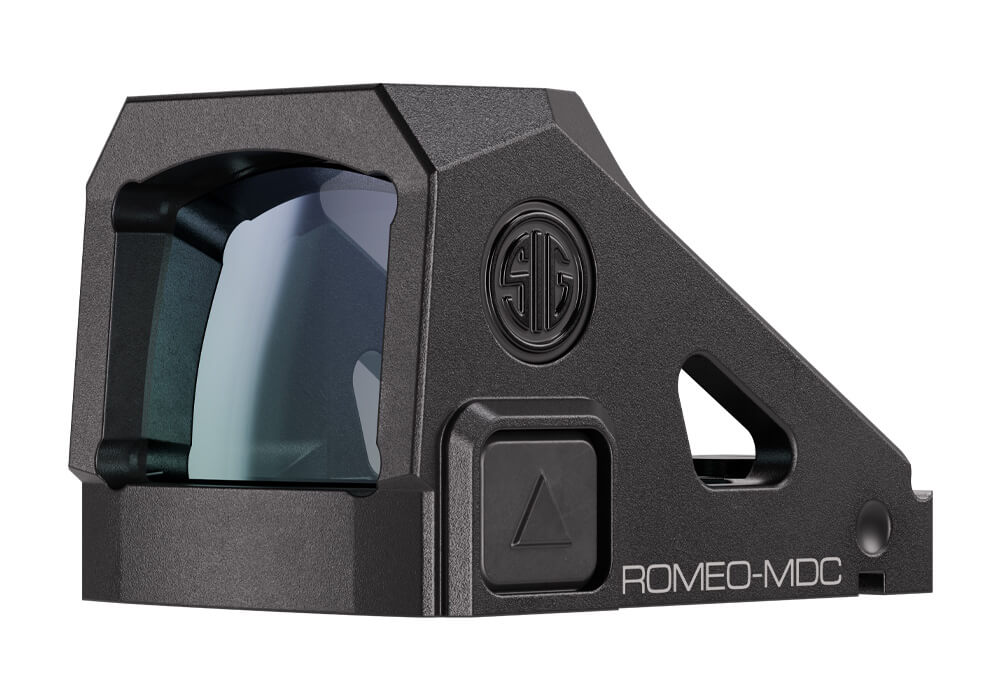
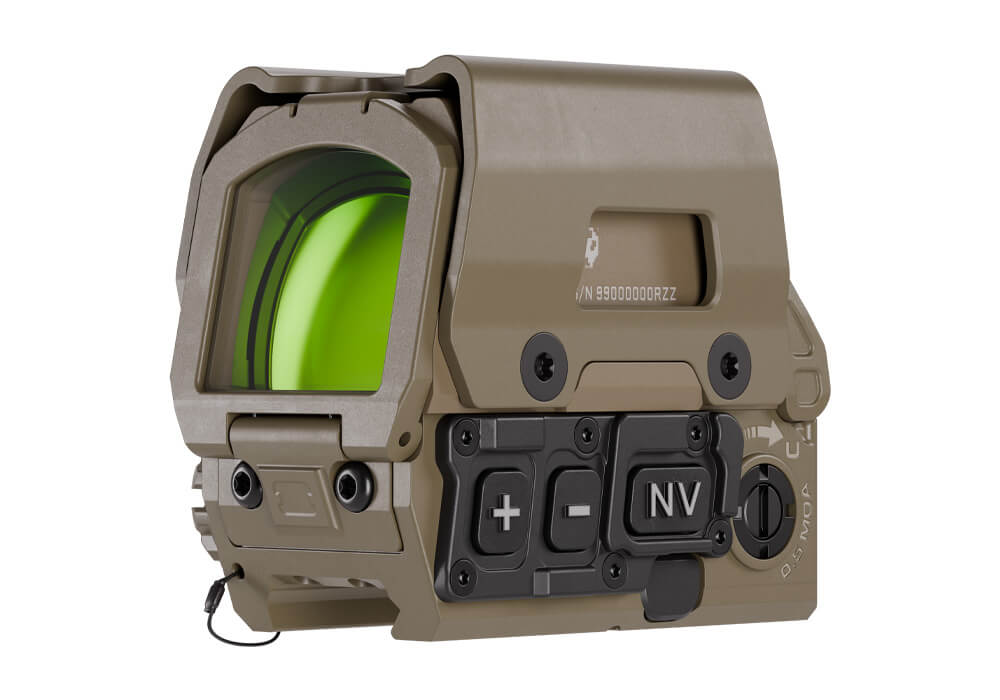
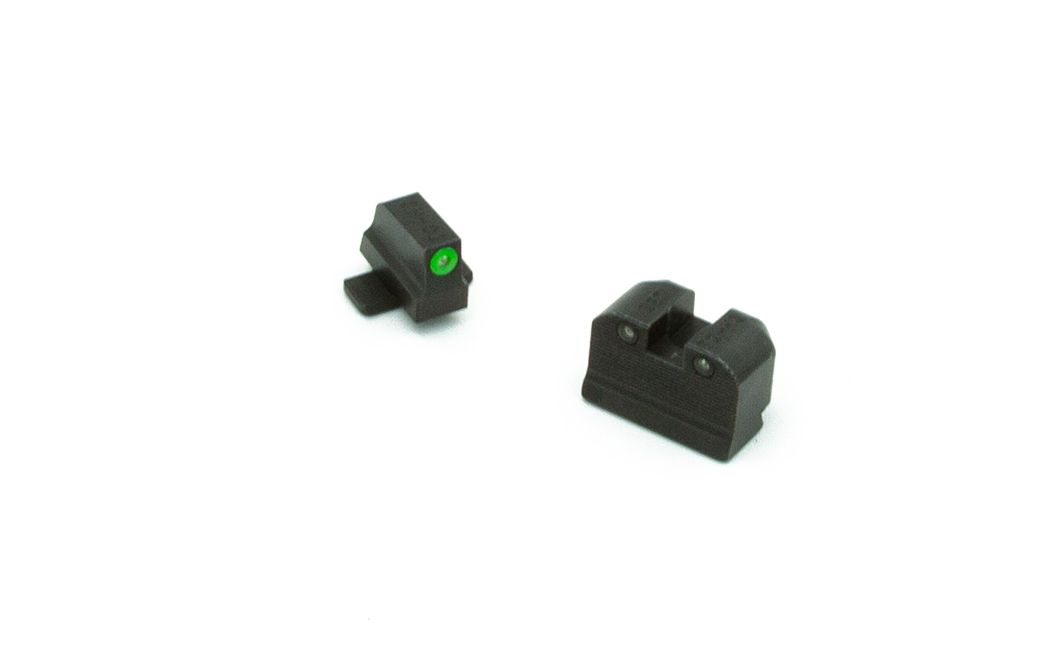
Mission ready red dot sights are built for fast, dependable aiming when conditions are demanding and every movement matters. Unlike a traditional magnified optic, a red dot sight presents a bright aiming point that can be viewed with both eyes open, helping the shooter maintain a broader awareness of the surrounding environment while keeping the reticle on target. This makes these optics a practical choice for carbines, rifles, and defensive firearms used by trained civilians, professional security teams, law enforcement personnel, and military users. A well-designed sight should remain clear and usable through changing light, rain, dust, recoil, and the daily handling that comes with regular training. Look for a sealed housing, a scratch-resistant lens, durable aluminum construction, and a design tested to withstand shock and vibration. Water resistance is also important for equipment carried outdoors or stored in vehicles, where sudden weather changes can turn a dry range session into a wet one. For additional protection against difficult conditions, shoppers may also wish to explore All Weather Red Dot Sights. The best mission ready red dot sights balance rugged construction with a compact profile that does not add unnecessary bulk. A sight that sits securely on the firearm, maintains its zero, and offers intuitive controls can become a quiet source of confidence during practice. Picture a carbine being unpacked at the range during a cool, windy morning: gloves are on, the light is uneven, and the shooter needs an optic that comes on quickly and presents a crisp aiming point without distracting steps. Thoughtful details such as tactile buttons, a protected adjustment system, and a lens that manages glare can make that familiar training moment smoother and more repeatable.
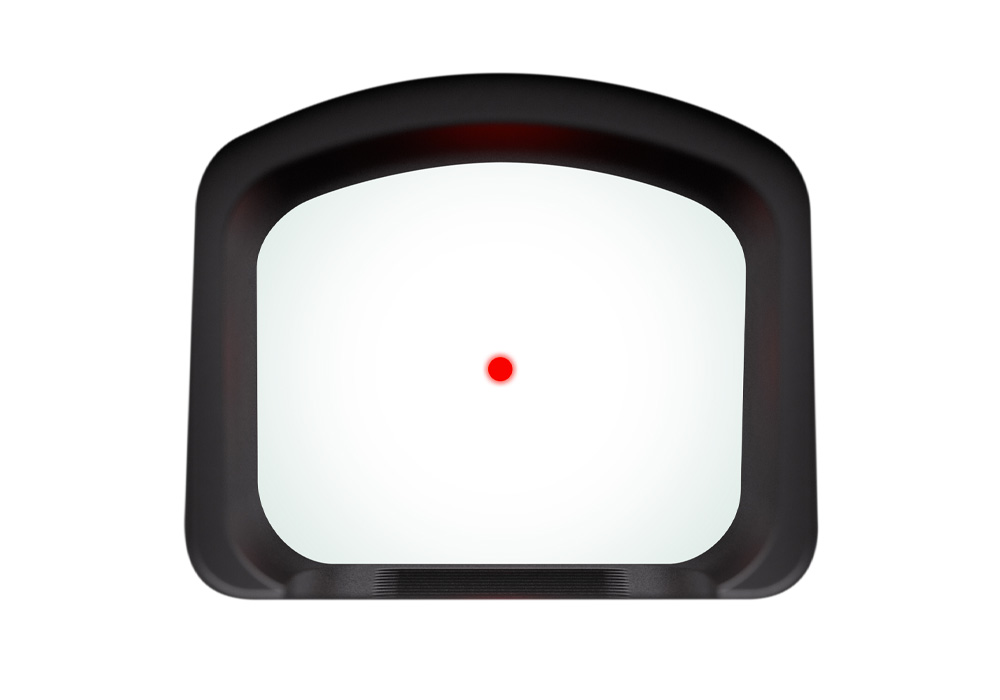
Choosing the right mission ready red dot sight begins with matching the optic to the firearm and its intended role. Pistol-mounted sights generally favor a compact footprint, low weight, and a housing shaped to protect the lens from impacts during holstering, movement, and training. Rifle and carbine optics may allow a larger viewing window, a more substantial protective structure, and additional reticle options that support different distances or shooting positions. Confirm the mounting footprint, screw pattern, and height requirements before ordering, since compatibility between the optic, mounting plate, riser, and firearm is essential. A properly fitted mount helps the sight hold zero and keeps the aiming system aligned during repeated use. Reticle selection is another personal consideration. A simple 2 MOA-style dot can offer a precise reference for deliberate shots, while a circle-dot or similar multi-reticle design may provide a faster visual index at closer distances while retaining a central aiming point. Brightness controls should be easy to reach and precise enough for both bright outdoor conditions and dim interiors. Automatic brightness adjustment can be convenient, but manual control remains valuable when the shooter needs to fine-tune the reticle against a dark target or a bright background. Battery life varies according to brightness, operating mode, battery type, and storage conditions, so examine the manufacturer’s specifications and keep a fresh spare battery with the rest of the firearm equipment. Motion activation or instant-on operation can conserve power while helping the reticle appear when the firearm is moved, but it should complement—not replace—regular function checks. Users who train or work in low-light environments should also verify whether the sight offers night-vision-compatible settings and whether those settings suit the rest of their equipment.
Mission ready red dot sights are most useful when they become part of a consistent, practiced setup rather than an afterthought added to a firearm. After installation, the sight should be mounted according to the manufacturer’s instructions, checked for secure fasteners, and zeroed with the ammunition and configuration that will be used most often. Shooters should confirm that the reticle remains visible from a natural presentation, since an optic that requires excessive head movement can slow acquisition and create frustration under pressure. A larger viewing window may make it easier to find the dot during early practice, while a smaller, streamlined sight can be preferable when low weight and minimal snag points matter. Keep the lens clean with appropriate tools, inspect the housing and mount periodically, and replace batteries on a sensible schedule rather than waiting for the reticle to fade. These optics can also make a thoughtful gift for a responsible adult who already owns a compatible firearm, trains regularly, and understands safe storage and handling; the most useful gift is one chosen around the recipient’s platform, mounting system, and experience level rather than appearance alone. During the cooler months, when range sessions may take place under low sun, overcast skies, or changing temperatures, a durable red dot can help maintain a familiar sight picture without the complexity of magnification. Whether selected for duty equipment, a defensive carbine, a competition setup, or a carefully maintained training firearm, the right sight should offer a dependable reticle, rugged protection, secure mounting, practical battery management, and controls that feel natural when wearing gloves or working in reduced light. Mission ready performance is found in those small details: a clear dot at first presentation, a housing that withstands hard use, and an optic that remains ready for the next responsible training session.