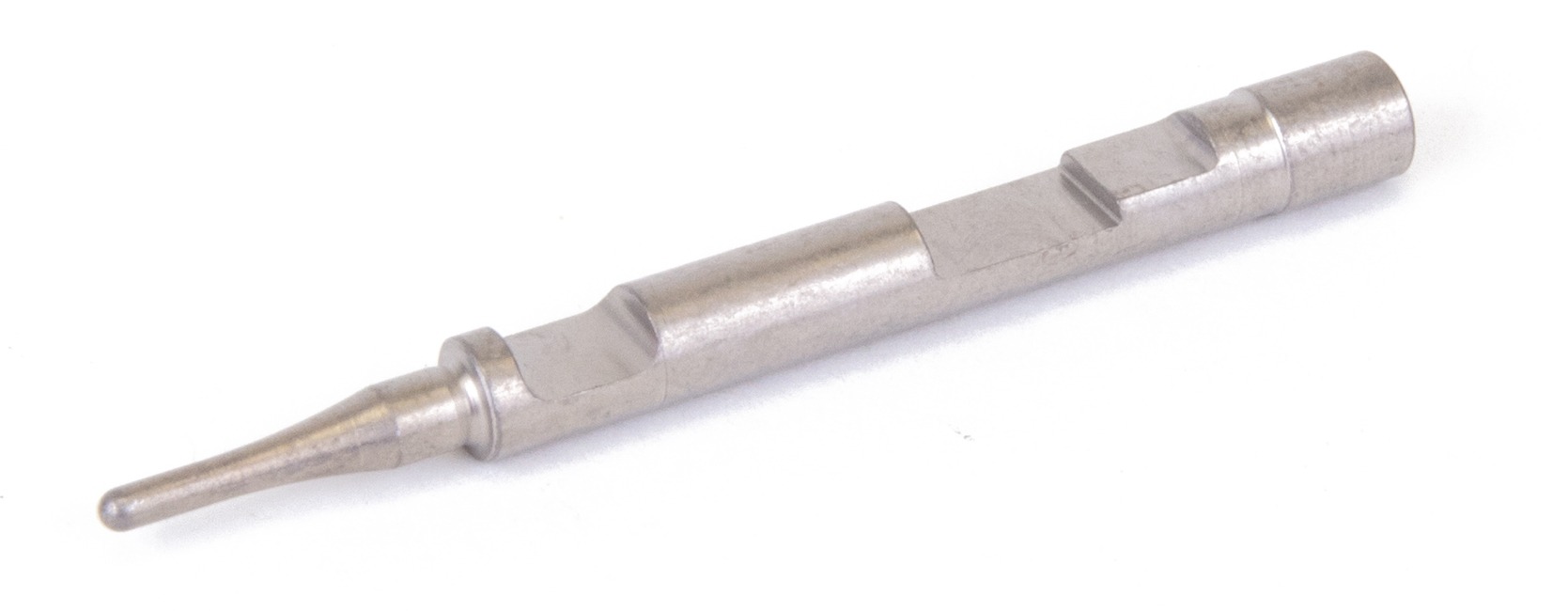
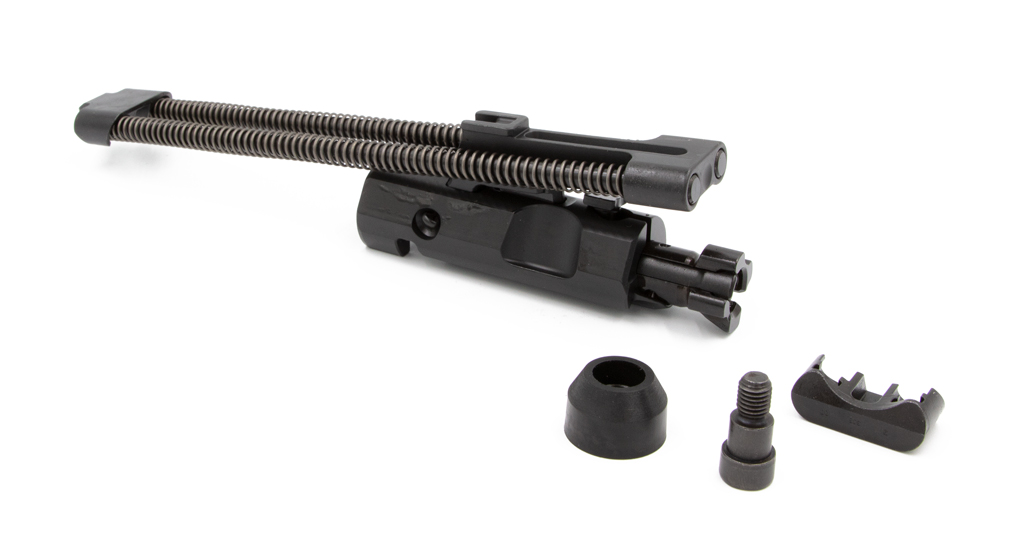
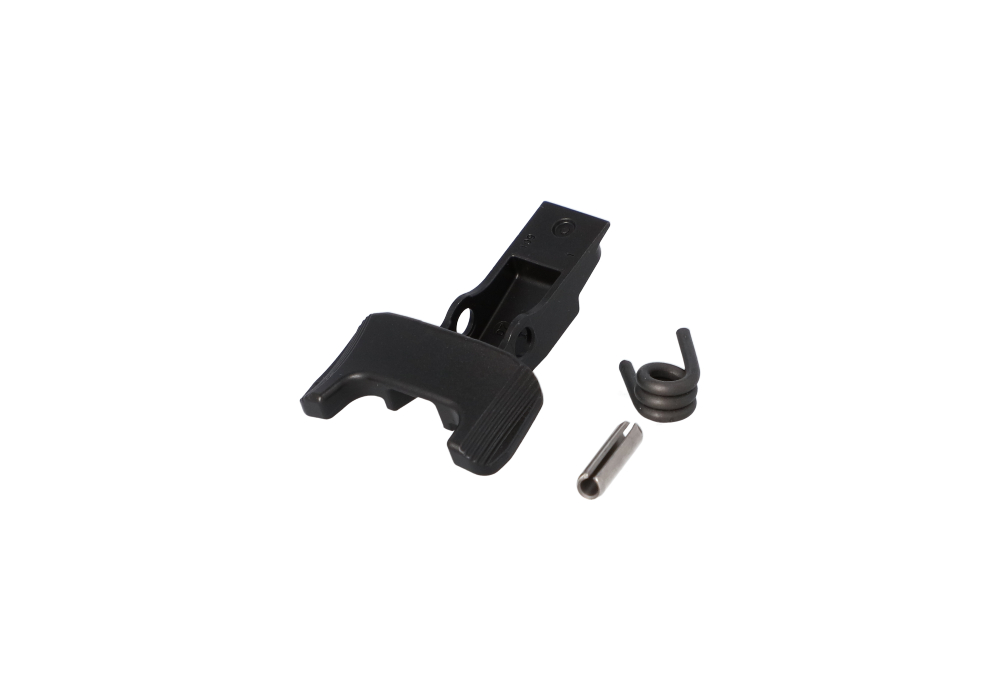
Precision firearm pins are small components with defined mechanical roles: keeping assemblies aligned, retaining internal parts, providing a pivot point, or, in the case of a firing pin, transferring a strike to the cartridge primer. Their modest size can conceal how much their geometry matters. A pin may look like a simple length of metal, yet its diameter, overall length, end profile, and retaining features determine whether it belongs in a particular assembly. Firing pins, retaining pins, takedown pins, pivot pins, and pins used within trigger or hammer assemblies are distinct component types rather than interchangeable versions of the same part. On some firearm designs, takedown and pivot pins connect major assemblies while allowing separation for routine maintenance. Other pins remain within an assembly and support controlled movement or keep neighboring components in position. Solid pins, spring pins, and tapered pins also serve different design requirements. Even when two examples appear similar on a workbench, their fit and retention characteristics can differ substantially. The right selection begins with the firearm’s documented specifications, not a visual resemblance or a broad description such as “replacement pin.” Model, configuration, and production revision may all affect compatibility, and matching caliber alone does not establish a correct fit. Manufacturer part references and clearly stated application details are especially valuable when identifying a small component whose distinguishing features are difficult to see in a photograph. For an owner replacing a worn service part, that documentation helps distinguish an appropriate replacement from a component intended for another assembly. For a professional working with several firearms, it supports accurate identification throughout inspection and service. Precision in this category is therefore about more than a polished appearance: it is the relationship between a pin’s dimensions, its material properties, and the assembly it was designed to serve. A correctly specified component should preserve the intended mechanical relationship without relying on improvised fitting or assumptions about interchangeability.
Materials and manufacturing details provide useful context when comparing firearm pin precision parts, but they need to be considered together rather than treated as separate measures of quality. Hardened alloy steel and stainless steel are common choices for firearm components, with the particular material selected according to the loads, contact surfaces, and environmental exposure associated with its role. Stainless steel can offer corrosion resistance, though it still benefits from appropriate care and is not immune to surface damage or corrosion. Alloy steels can provide a suitable balance of strength and toughness when their composition and treatment match the application. Heat treatment influences hardness and resistance to wear, while the required toughness helps a component tolerate repeated mechanical contact without becoming overly brittle. Greater hardness is not automatically better for every pin, just as a particular alloy name does not establish suitability on its own. Precision turning, grinding, and other machining processes can control dimensions and surface finish, but the finished component must meet the requirements of its specific design. Straightness, consistent diameter, clean edges, and accurately positioned grooves or shoulders can all matter where the pin contacts another part. Surface treatments may contribute to wear or corrosion resistance, yet a dark finish or bright polish should never substitute for documented compatibility. A useful comparison considers the material specification, dimensional requirements, treatment, and intended application as a complete picture. Care is similarly tied to the firearm manufacturer’s recommendations. Residue, moisture, and grit can collect around small interfaces, while unsuitable abrasives or cleaning chemicals may harm a finish or alter a contact surface. Routine care should preserve those surfaces rather than reshape them. Visible bending, cracking, damaged ends, or unusual wear warrants professional evaluation; a component that appears clean is not necessarily serviceable. Durability depends on correct fit, suitable materials, appropriate maintenance, and the condition of neighboring parts, not simply on how substantial the pin feels between the fingers.
These components are relevant to firearm owners, qualified gunsmiths, armorers, and collectors who need replacements that respect the original design. A recreational shooter may encounter a pin requirement during scheduled service, while a hunter may have a firearm inspected before relying on it in the field. A collector maintaining an older firearm may place particular importance on the correct profile, finish, and documented application. In each case, the purpose is dependable service within the firearm’s specifications, not a promise that changing one small component will transform its performance. An established maintenance history can help a professional assess whether visible wear is isolated to a pin or reflects an issue elsewhere in the assembly. Keeping component references with service records also makes later identification less dependent on memory. For anyone purchasing a replacement for another owner, a confirmed manufacturer reference is more useful than a guess based on appearance, platform family, or caliber. Related components in Firearm Parts Ejector Pins require the same attention to the intended assembly and the manufacturer’s compatibility information. Pins associated with an ejection assembly should not be confused with the ejector itself or assumed to share the function of a firing pin or general retaining pin. That distinction is especially important when descriptions use similar terminology for parts with different jobs. Clear identification, legible packaging information, and separation of similar-looking components help protect against confusion during professional service. A pin assortment can contain several forms and sizes, but the presence of multiple components does not establish that every piece belongs in a particular firearm. Replacement work should follow the firearm manufacturer’s service requirements, with uncertain fit, unfamiliar procedures, or signs of damage referred to a qualified gunsmith. For precision parts this small, careful selection is practical rather than fussy: the correct geometry and application matter far more than an appealing finish or a broad claim of universal compatibility.