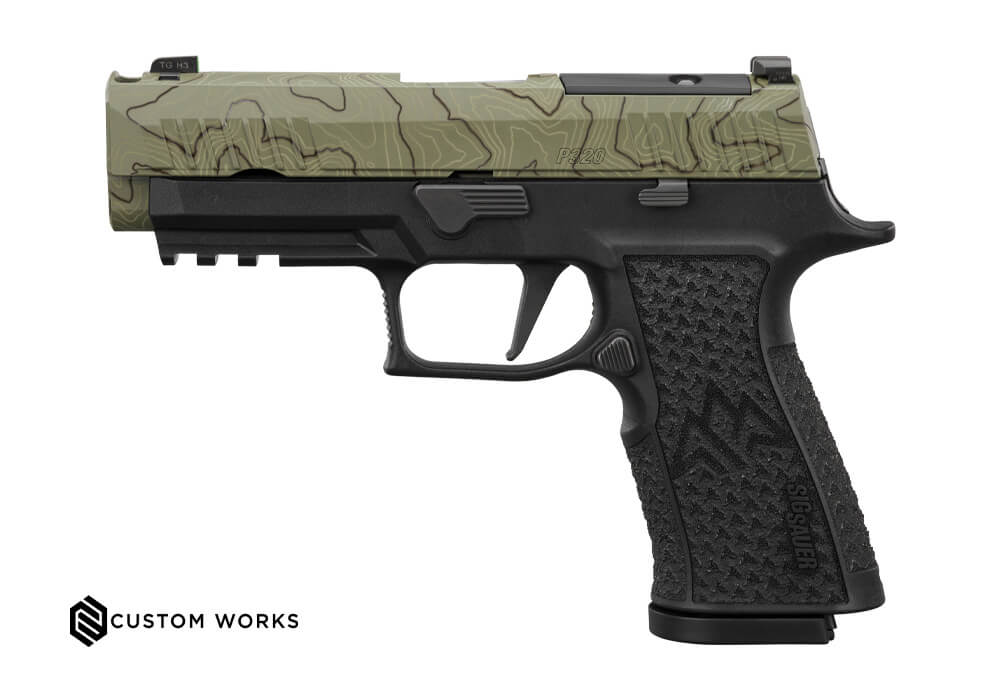
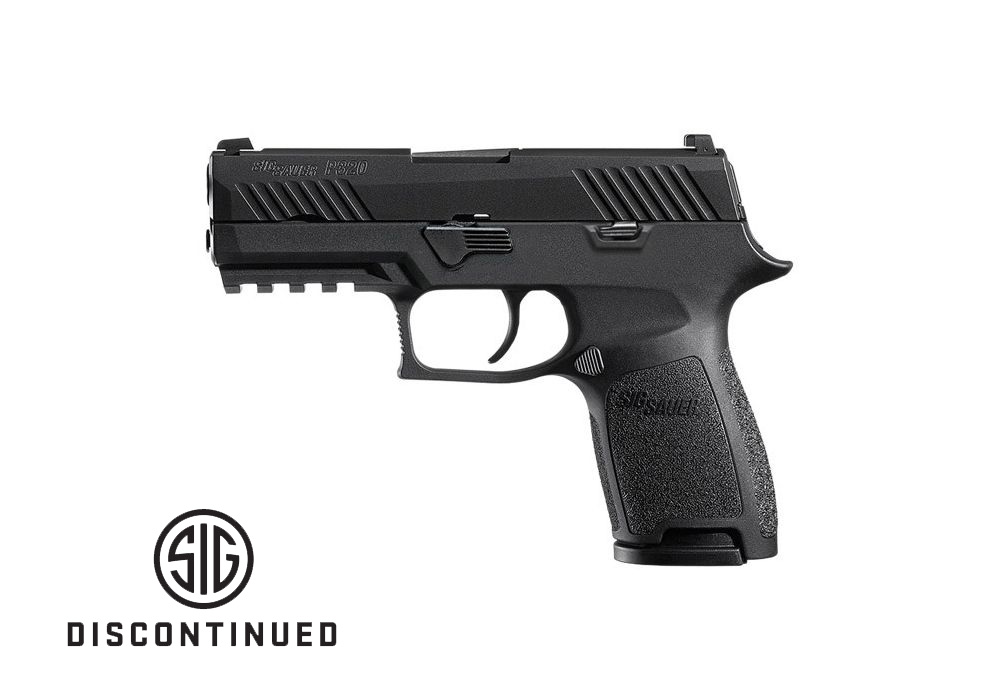
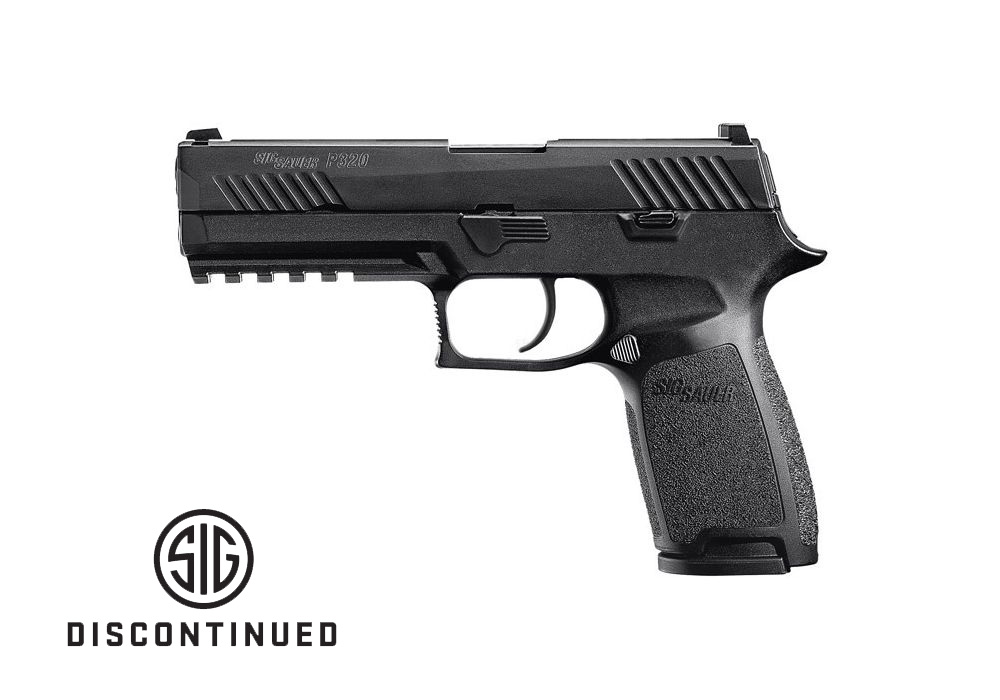
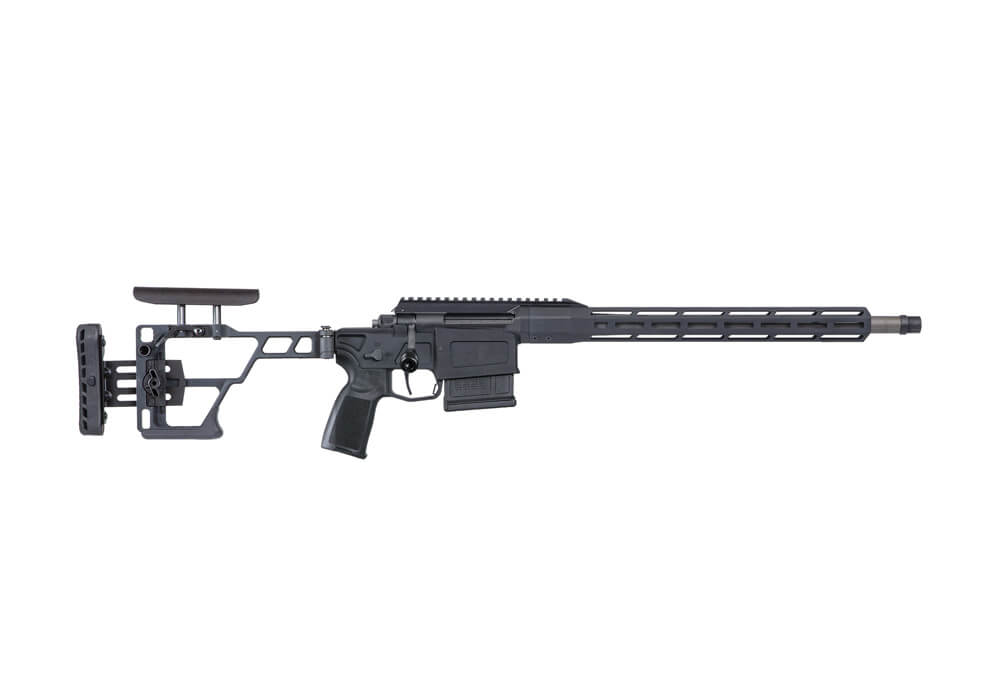
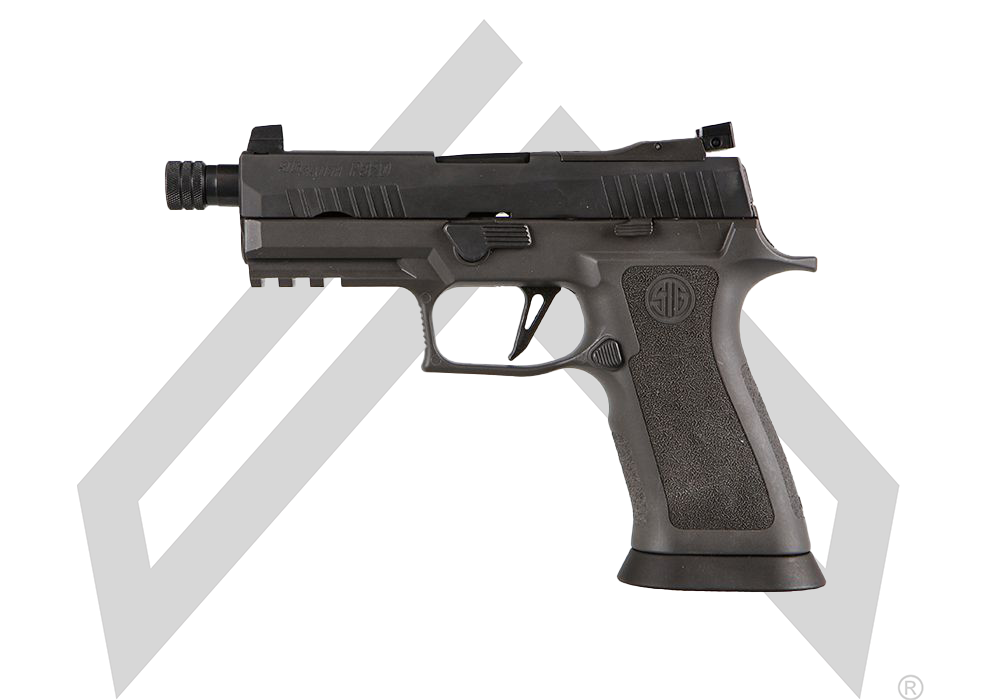
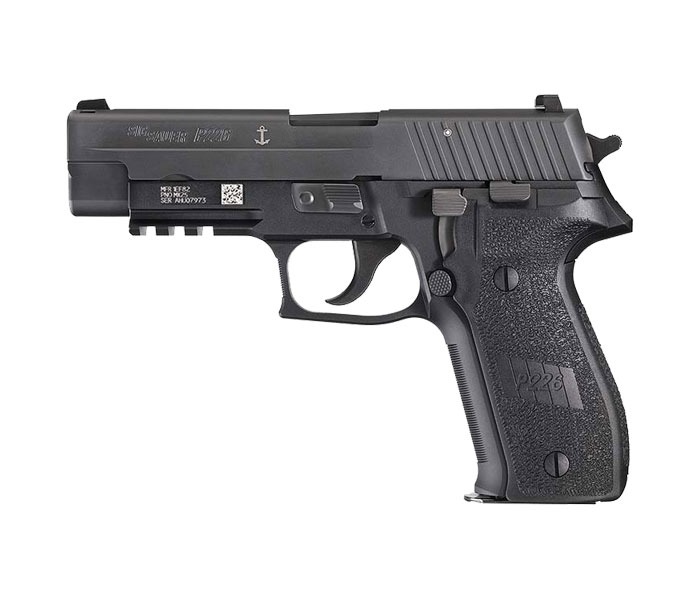
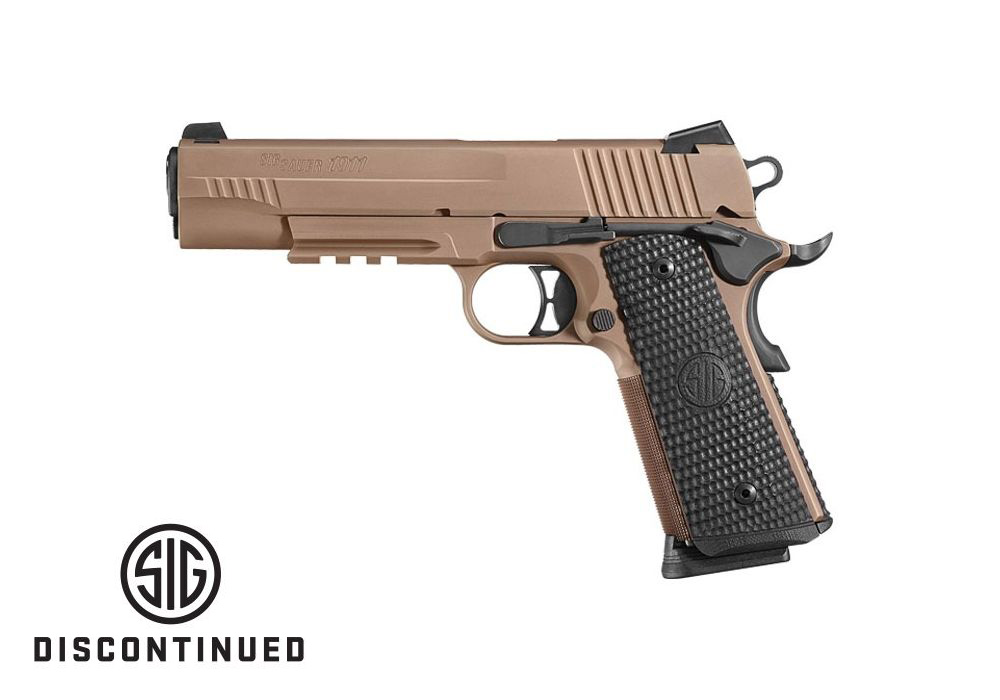
Firearms for backcountry defense are personal-protection tools for people who spend time beyond developed recreation areas, where terrain, distance, and limited communication can complicate an emergency. Choosing among them involves more than size or cartridge designation: regional wildlife, local regulations, carried weight, individual fit, and the ability to manage recoil all matter. A handgun that feels comfortable at a counter may feel very different alongside a loaded backpack, a binocular harness, and several hours of walking. For hikers, hunters, anglers, and people traveling to remote camps, a practical selection fits both the person and the rest of the equipment without becoming a constant source of discomfort. Compact dimensions can simplify carrying, while additional firearm weight may help some shooters manage recoil; neither characteristic alone establishes suitability. A firearm also cannot substitute for wildlife awareness, careful food storage, reliable navigation, or an emergency communication plan. Black bear habitat and grizzly country call for different precautions, and guidance from land managers and wildlife agencies is more useful than broad assumptions about animal behavior. Bear spray may be recommended in bear habitat, and a firearm should not be treated as the only protective measure. Regulations can also change across park boundaries, public lands, and jurisdictions, with distinct rules for possession, transportation, and use. This category brings together personal-protection firearms for consideration within that larger context, rather than suggesting that any firearm resolves every backcountry risk. The same considerations apply to someone exploring undeveloped land near home and someone traveling to an isolated trailhead. Trip length, physical comfort, and familiarity with the firearm matter just as much as a specification sheet. The most relevant features support consistent, lawful handling and a carry arrangement that remains secure throughout ordinary movement, whether crossing uneven ground, bending over a pack, or settling into camp.
Materials and construction influence how a backcountry firearm feels over a long day and how much attention it needs afterward. Polymer frames can reduce weight, while metal frames contribute a different balance and feel in the hand. Stainless steel components and protective surface finishes can help resist corrosion, but no finish removes the need for inspection and routine care. Sweat, trail dust, and repeated contact with a holster can affect surfaces over time, especially when a firearm spends many hours close to the body. Texture should provide a stable hold without rubbing excessively against clothing or skin, and grip dimensions should allow a natural reach to the controls without forcing the hand into an awkward position. Overall size deserves the same practical attention. A shorter grip or barrel may be less cumbersome, but comfort, sight visibility, and controllability still depend on the individual. Sight systems should be easy for the intended user to see, and any compatible sighting equipment needs to be considered as part of the firearm’s overall dimensions and holster fit. A secure carry system is particularly important around backpack hip belts, shoulder straps, and clothing layers. A holster should be designed for the exact firearm configuration, fully cover the trigger guard, retain the firearm securely, and keep it separate from loose gear. Pack compatibility is not simply a matter of finding open space; straps should not create pressure points or interfere with safe handling. The difference can become clear on a long approach, when a belt that felt unobtrusive at home begins rubbing beneath a pack. Evaluating that interaction beforehand, with the firearm unloaded and ammunition kept separate, helps reveal fit problems. Ammunition must match the firearm’s specified chambering and comply with its manufacturer’s guidance. Familiarity matters as well: professional instruction and regular practice in an appropriate setting help establish whether the firearm’s weight, controls, and recoil characteristics suit its intended owner. Backcountry suitability is a combination of construction, personal fit, and responsible preparation, not a single feature or an imposing appearance.
Care and storage are part of owning a firearm for remote travel, not tasks reserved for visible wear. After an outing, inspection, cleaning, and lubrication should follow the manufacturer’s instructions, including the specified supplies and limits on disassembly. Signs of corrosion, unusual wear, or damage warrant evaluation by a qualified professional before further use. Holsters and other carry equipment deserve attention too: trapped grit, damaged attachment points, or a change in fit can undermine an otherwise suitable setup. Any maintenance or fit assessment should begin with the firearm unloaded and ammunition removed from the work area. At home, secure storage that prevents unauthorized access remains essential, particularly where children or visitors may be present. Transportation requirements deserve equal attention, including rules for vehicles, lodging, and each destination along a route. A backcountry firearm is often relevant to people whose outdoor routines are already established: an angler walking between remote stretches of water, a hunter traveling well beyond a road, or a hiker planning an extended stay away from developed facilities. Each may value a different balance of carry comfort, durability, and handling familiarity. For a prospective gift recipient, those personal preferences and applicable transfer requirements make a firearm a choice that calls for direct involvement rather than a surprise selection. Training, lawful ownership, and secure storage should be part of that conversation from the beginning. Shoppers considering protection needs beyond trails and camps can also explore Firearms For Personal Protection for a related category with a broader everyday context. Backcountry use adds the practical demands of carrying essential equipment over distance, but it does not change the fundamentals of responsible ownership. A suitable firearm belongs within a larger approach that includes wildlife precautions, knowledge of the destination, safe handling habits, and an honest assessment of personal experience. Those foundations help keep the emphasis where it belongs: responsible recreation, respect for other people and wildlife, and equipment selected for its actual intended use.