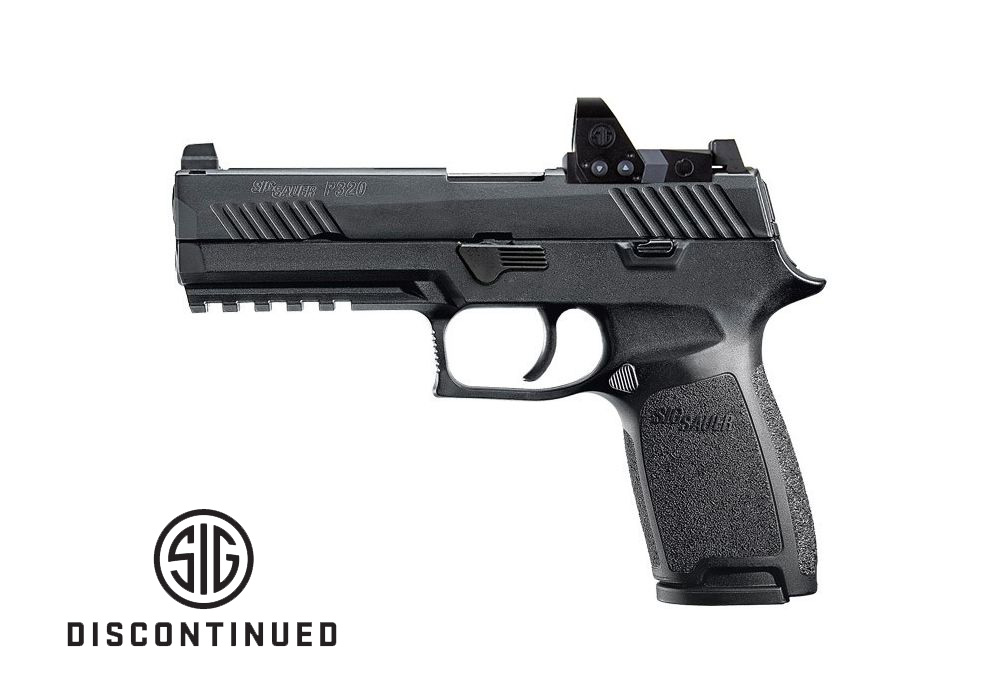
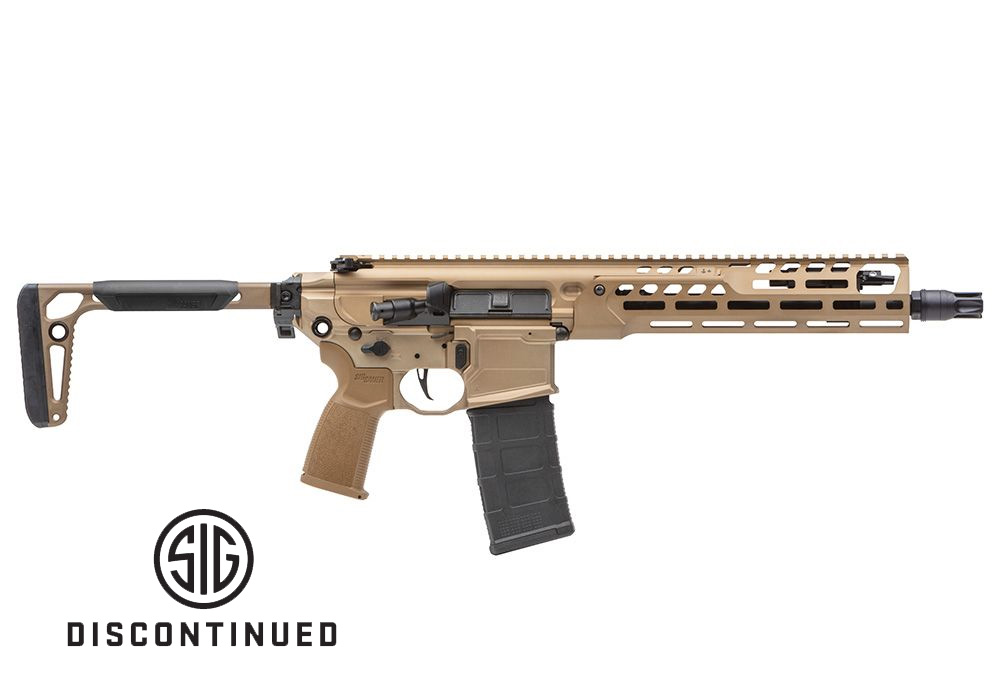
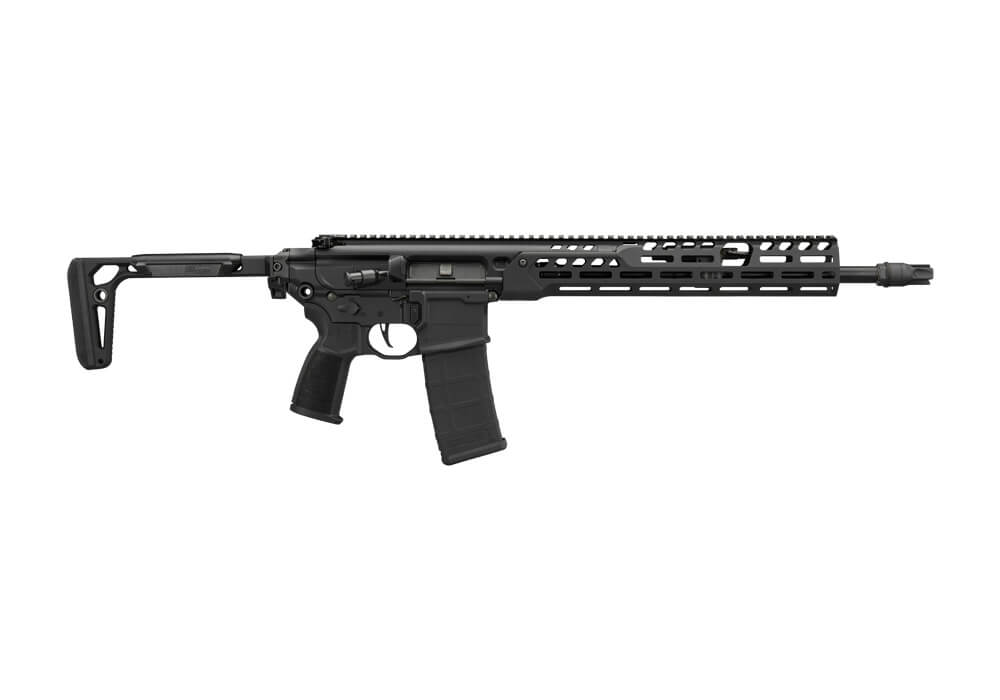
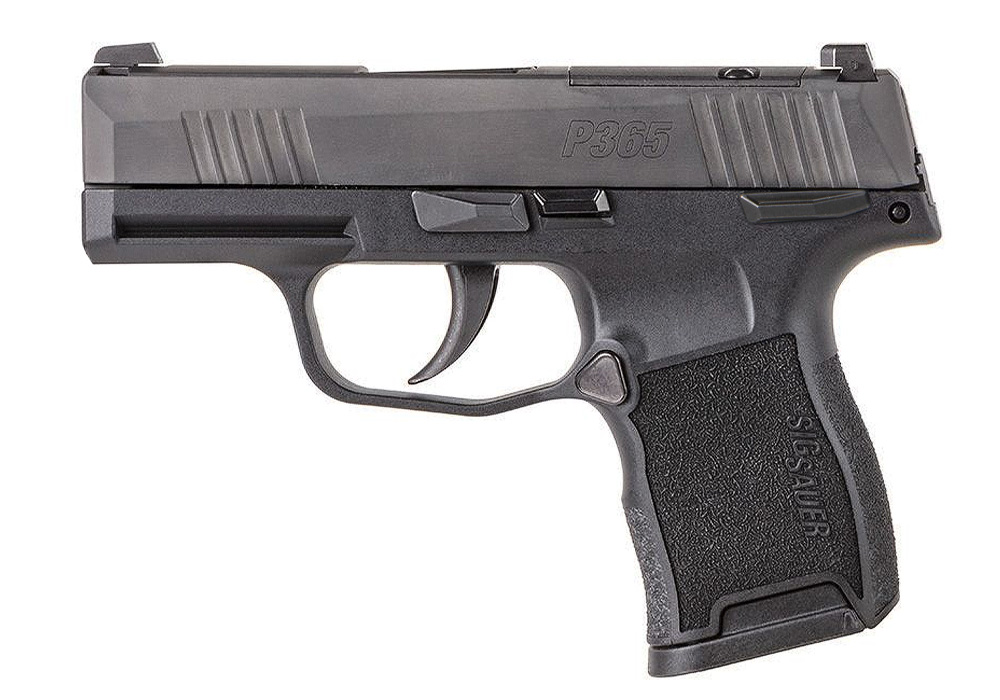
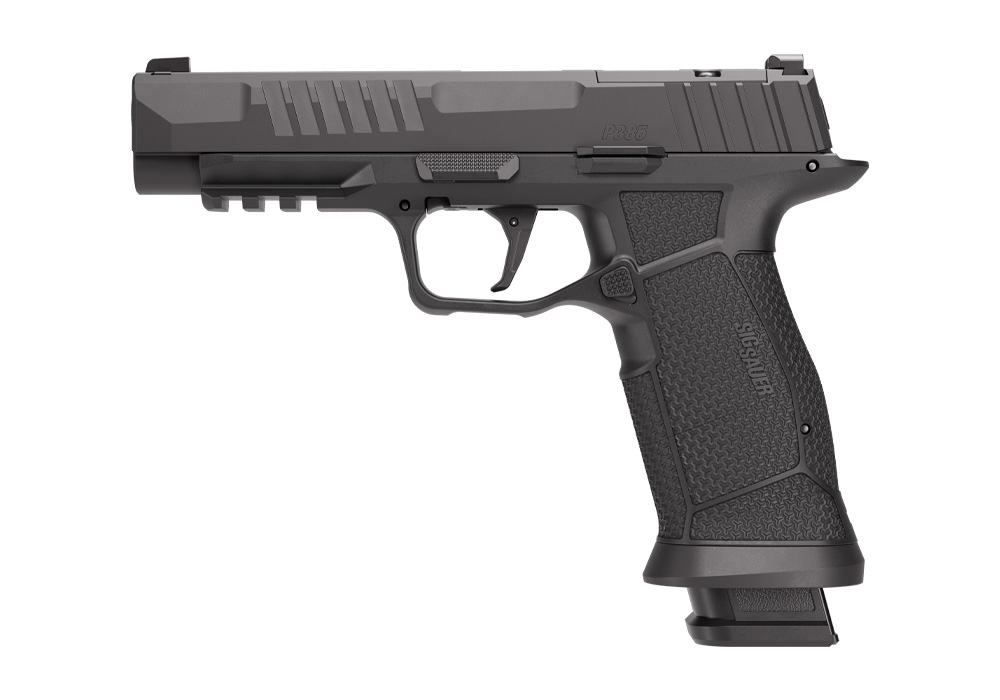
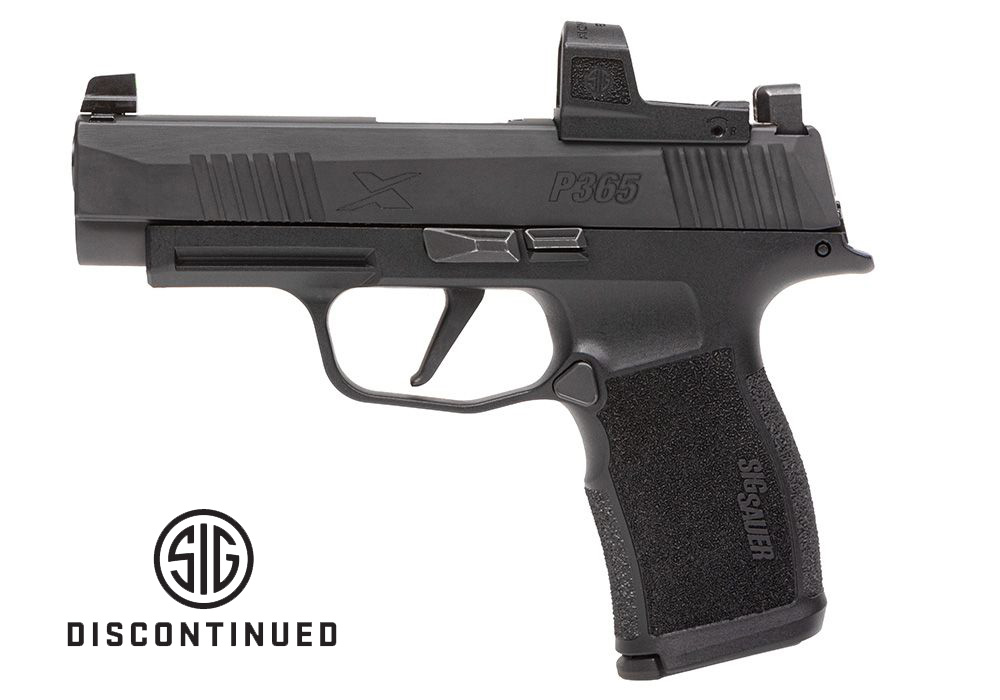
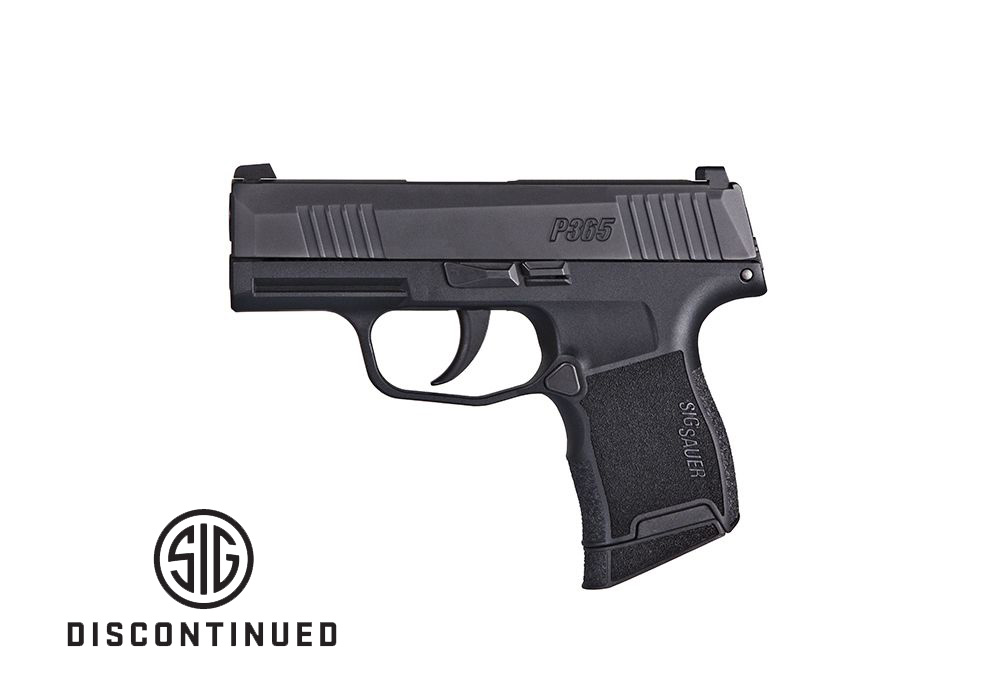
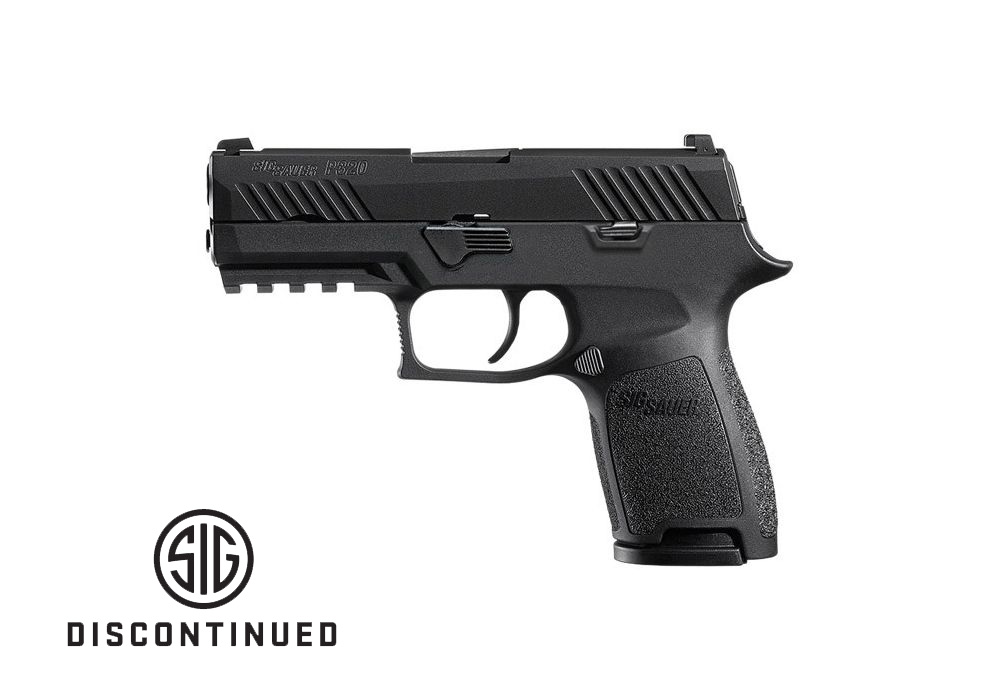
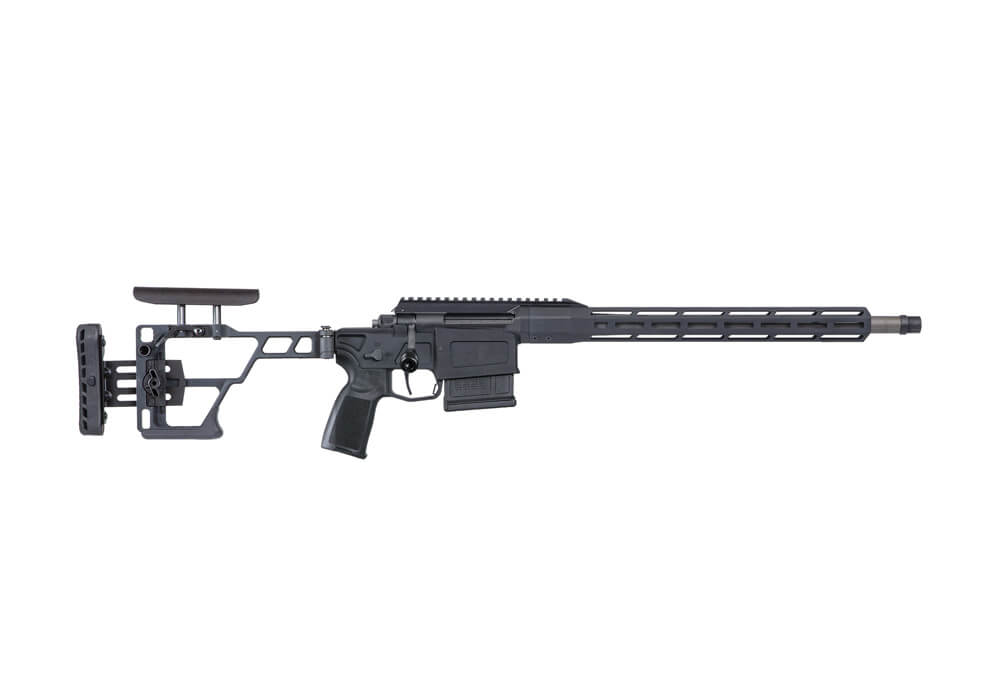
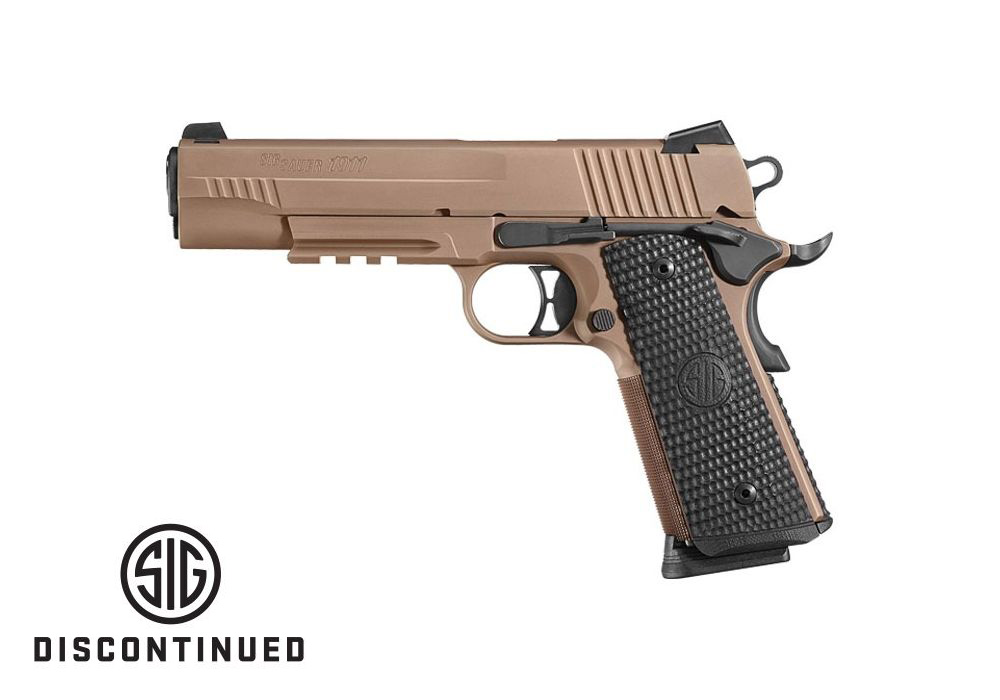
Firearms for ranch security belong within a broader approach to protecting a working property, alongside secure gates, dependable communications, adequate lighting, and clear routines for family members and employees. A ranch can include a home, livestock pens, equipment sheds, leased pasture, and roads shared with neighbors, so responsible ownership starts with understanding the property and the people who use it. The most suitable firearm is not necessarily the largest or heaviest option; it is one that fits its owner, supports a lawful intended use, and can be handled and stored responsibly throughout an ordinary workday. Rifles, shotguns, and handguns offer different handling characteristics, and each deserves consideration on its own terms rather than as part of a universal ranch setup. A long gun’s overall length, balance, and shoulder fit influence how comfortably it handles during supervised practice, while a handgun’s grip dimensions and control placement affect whether its owner can operate it confidently. Ranch owners, livestock producers, property managers, and other authorized adults may have different needs even when they work on the same land. Someone whose day involves repeated trips between a house and an equipment shed may place particular importance on secure storage at each destination. Someone sharing a household with children or hosting visiting crews needs equally clear boundaries around access. These practical details matter more than a generic label such as “ranch gun.” Where home and property concerns overlap, firearms for personal protection provide a related category to consider within the same framework of lawful ownership, training, and secure storage. Firearms do not replace fencing, animal management, or emergency planning, and their presence should never turn routine encounters with visitors or unfamiliar animals into confrontations. Local laws, wildlife regulations, and the availability of professional assistance all help define an appropriate role for a firearm on rural property. A thoughtful selection reflects those responsibilities as much as the physical features of the firearm itself.
Materials and construction deserve close attention when a firearm will spend time around the grit and hard surfaces of a working ranch. Synthetic furniture can offer a practical, easy-to-clean exterior, while wood brings a traditional feel and benefits from care suited to its finish. Steel and aluminum components serve different structural roles, and overall durability depends on design, protective finishes, maintenance, and proper use rather than a single material claim. Corrosion-resistant treatments are useful features, but no finish eliminates the need for inspection or care. Fine dust from a feed room, debris around a workbench, and residue from handling can collect in places that are easy to overlook. Smooth exterior contours and accessible maintenance points can simplify routine cleaning when used according to the manufacturer’s instructions. Fit is just as important as surface treatment. A rifle or shotgun should settle comfortably against the shoulder without requiring an awkward reach, and its controls should be accessible without compromising a secure hold. With a handgun, grip circumference, texture, and the distance to the trigger influence comfort and control. A rougher texture may feel secure during a brief inspection yet become uncomfortable over a longer practice session, especially for hands already worn from handling tools and rope. Weight also involves a tradeoff: a lighter firearm may feel less burdensome to transport, while a heavier one may feel steadier or more comfortable during range use. Neither characteristic guarantees a better fit for every owner. Sight visibility, manageable recoil, and straightforward operation contribute to productive practice and deserve more attention than appearance alone. Chambering and ammunition compatibility must follow the firearm’s markings and manufacturer’s specifications; similar cartridge names do not establish interchangeability. For properties near neighboring homes, roads, or livestock areas, the surrounding environment is another essential consideration. No firearm category removes the need for positive identification, a safe direction, and an appropriate backstop. Familiarity developed through qualified instruction is a more meaningful measure of suitability than assumptions based on a firearm’s size or profile.
Long-term ownership brings the smaller details into focus: where the firearm rests when chores begin, how it is secured during transportation, and whether care supplies and owner documentation remain organized. A ranch firearm should have a defined place in a locked storage system rather than an improvised spot beside a door, behind a vehicle seat, or among equipment. Storage arrangements should prevent unauthorized access and comply with applicable laws, with ammunition secured appropriately and keys or access codes controlled by responsible adults. A carrying case protects surfaces during transport, but it is not automatically a substitute for a suitable security container. Likewise, a sling or holster serves a different purpose from storage. Compatibility, secure retention, and sound attachment points matter, and a handgun holster should fully cover the trigger guard. Ranch work often involves climbing, lifting, bending, and operating machinery, making it important to recognize when a firearm belongs secured elsewhere rather than carried through the task. Care should follow the owner’s manual, including its procedures for confirming an unloaded condition before cleaning and its recommendations for lubricants and service intervals. Excess lubricant can attract debris, while neglected residue can obscure wear that deserves attention. Periodic inspection of fasteners, external surfaces, and carrying equipment helps reveal loose fittings, damaged straps, or other concerns before the next training session. Any suspected mechanical problem belongs with a qualified professional rather than an improvised repair at the barn workbench. For families considering a firearm as a gift for an eligible adult ranch owner, personal fit and legal transfer requirements warrant special care; participation in the selection is often more useful than a surprise. Protective eyewear, hearing protection, and qualified instruction also belong in the ownership plan. The enduring value of firearms for ranch security lies in suitability, consistent care, and responsible handling—not in the number of features attached to them. A well-considered choice fits the owner’s abilities, the property’s rules, and the everyday routines that keep a working ranch organized and secure.