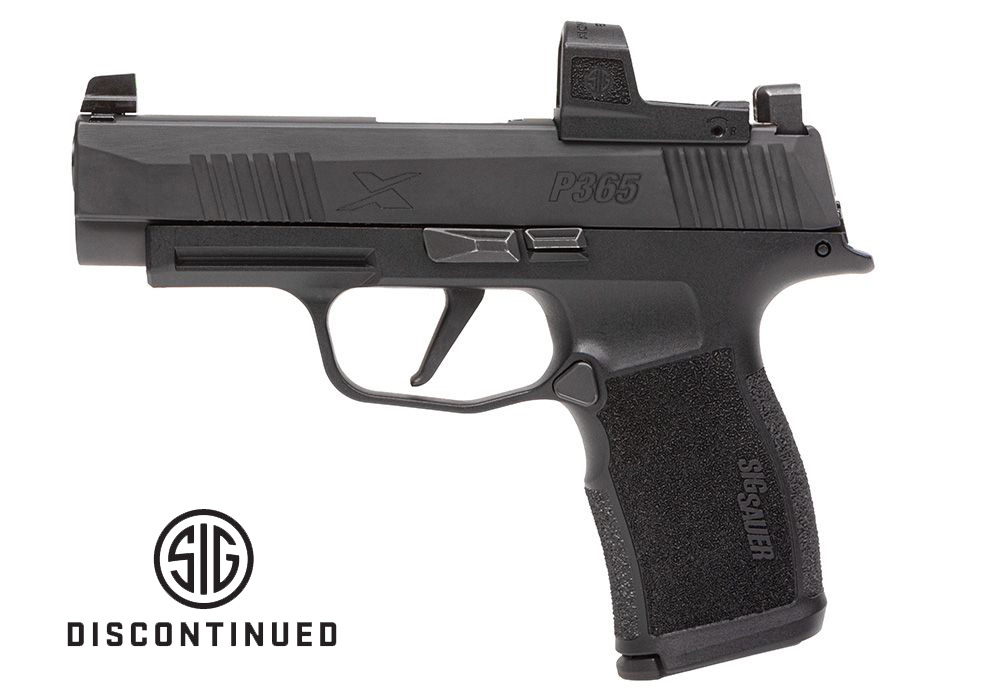
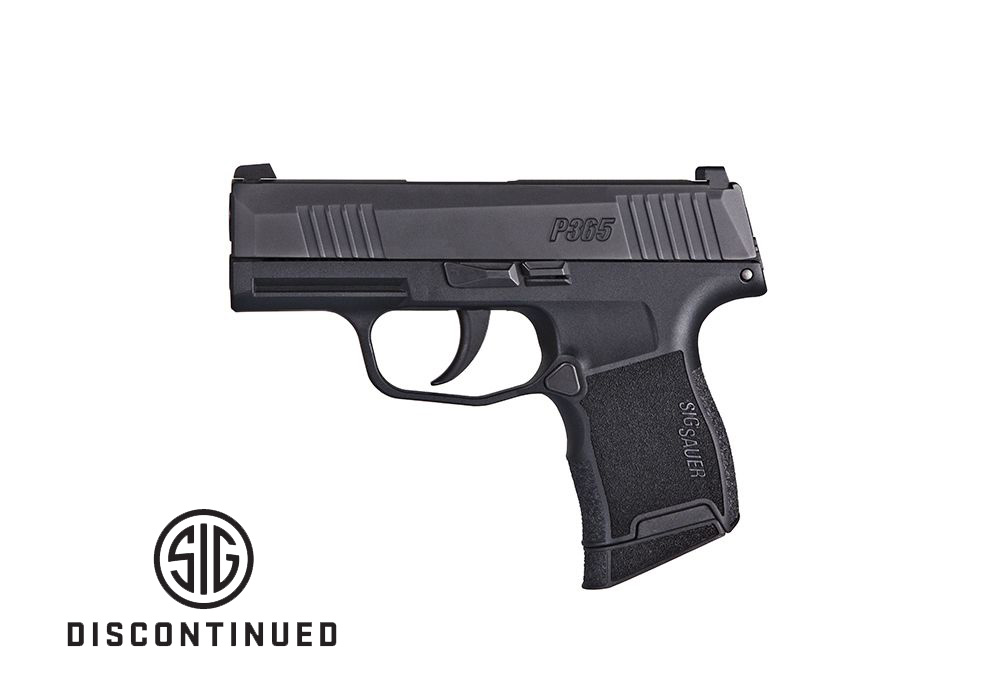
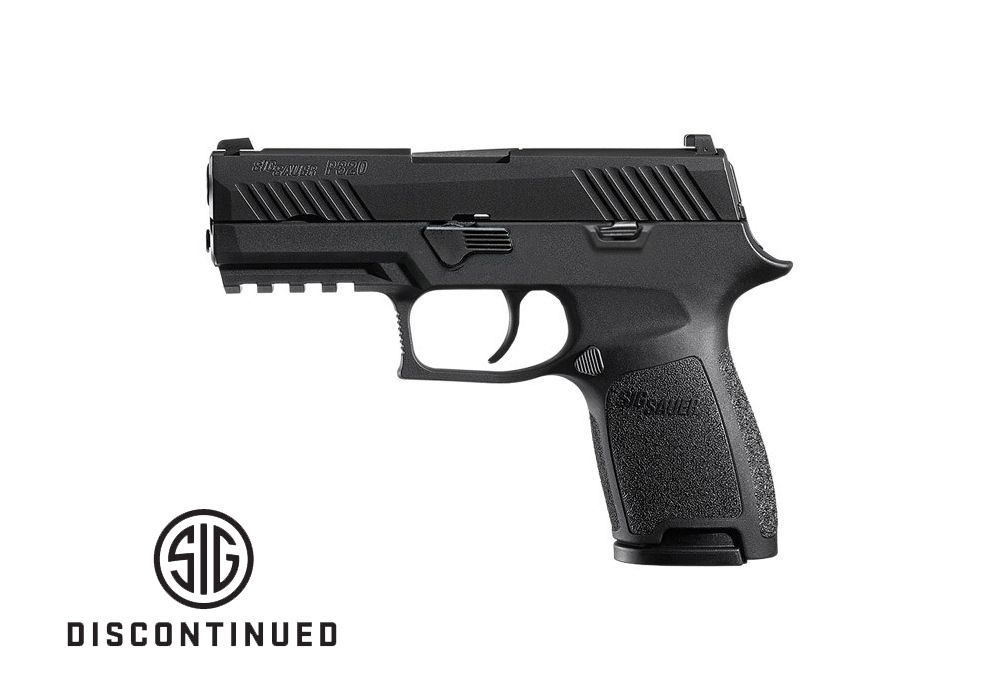
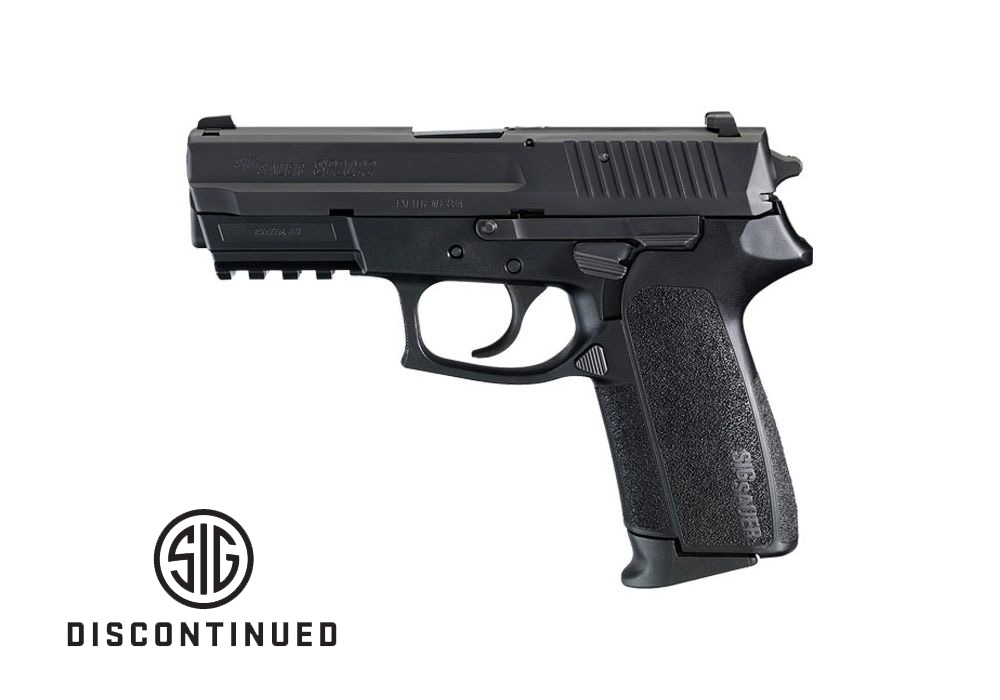
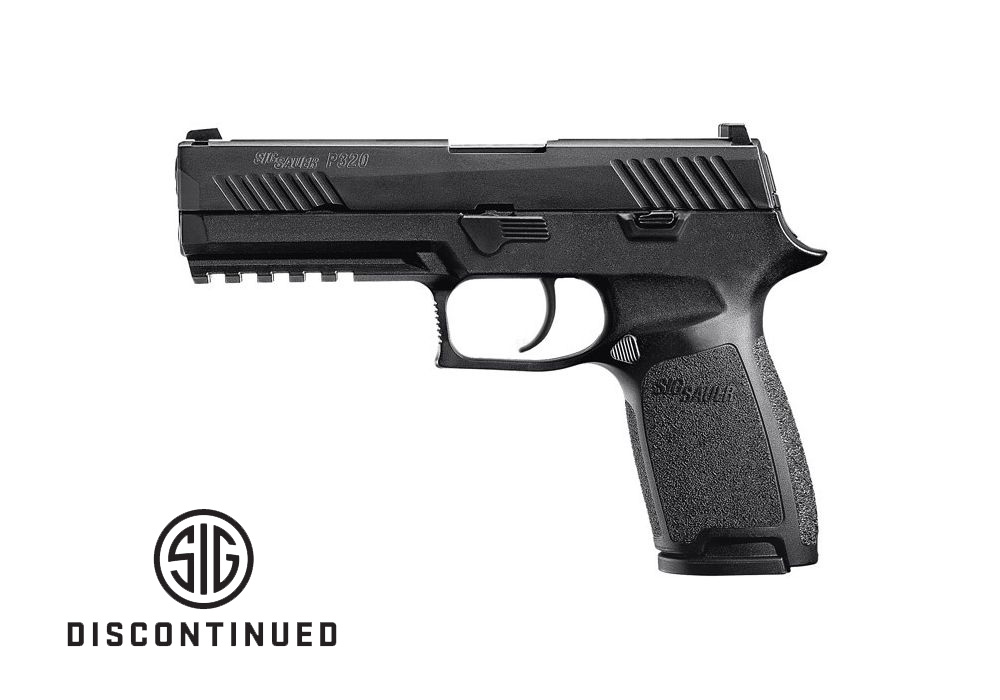
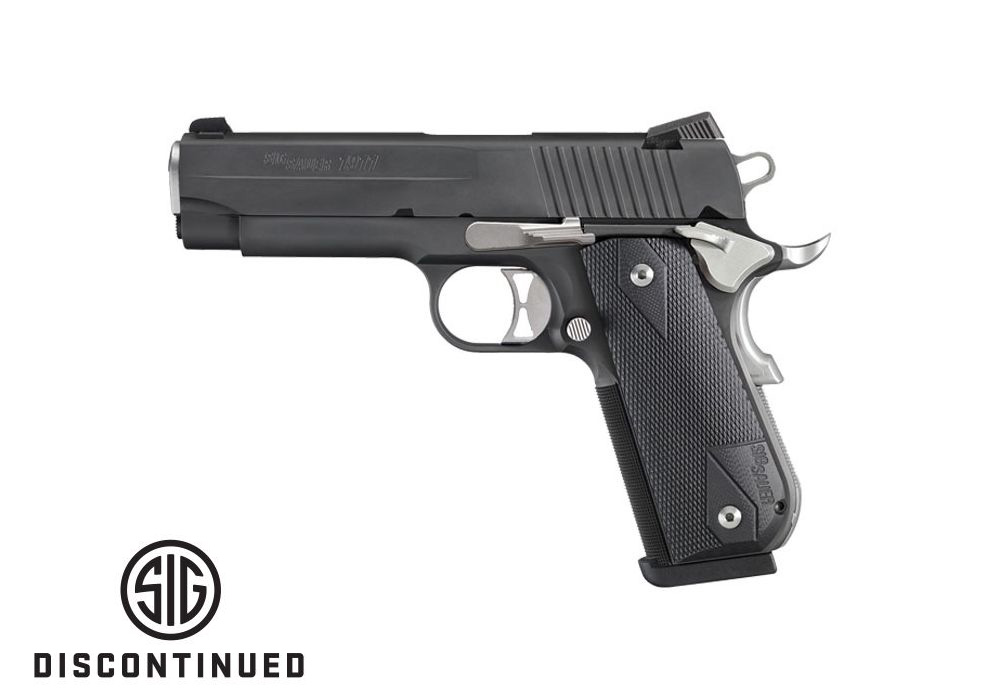
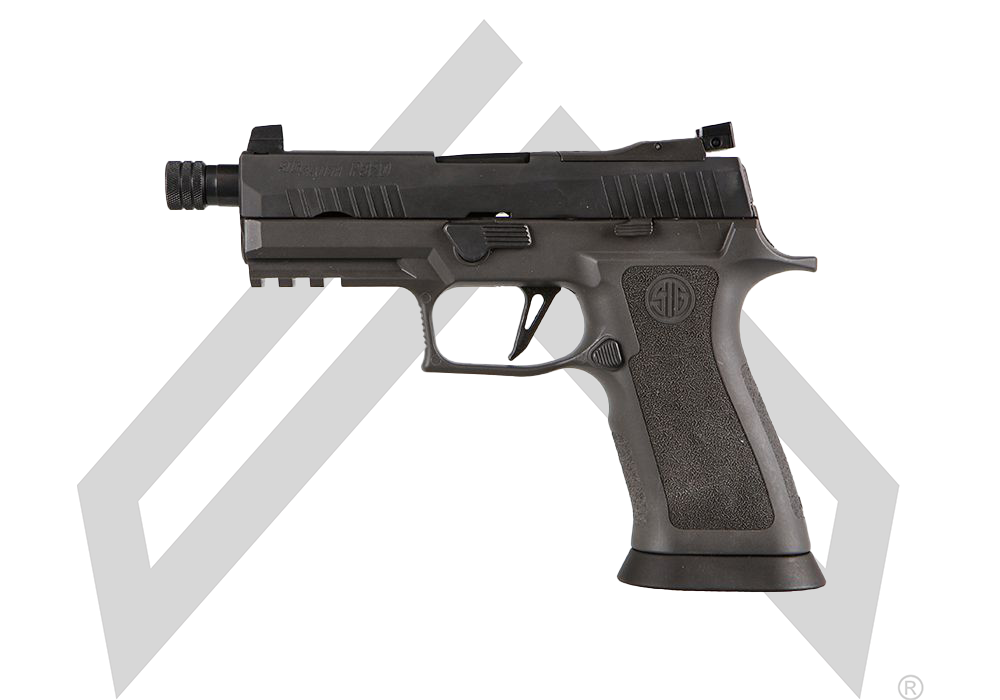
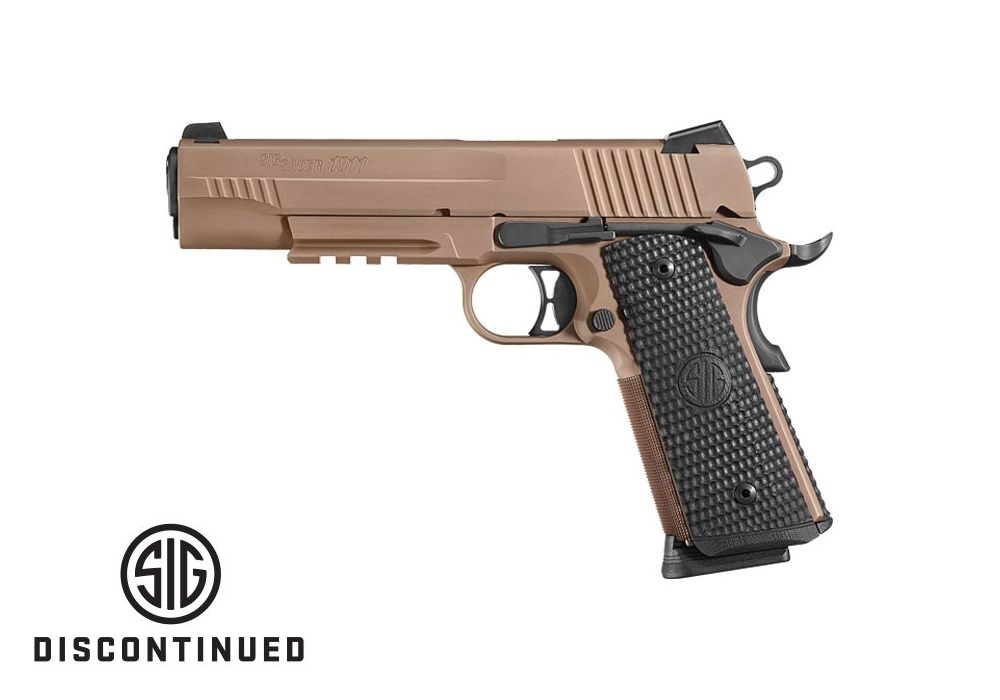
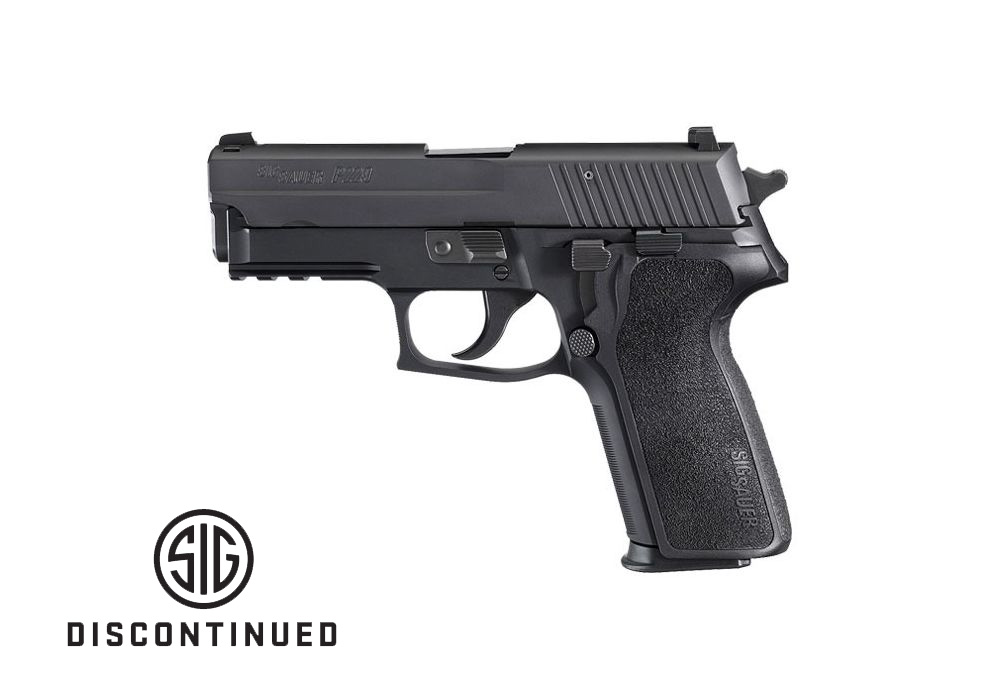
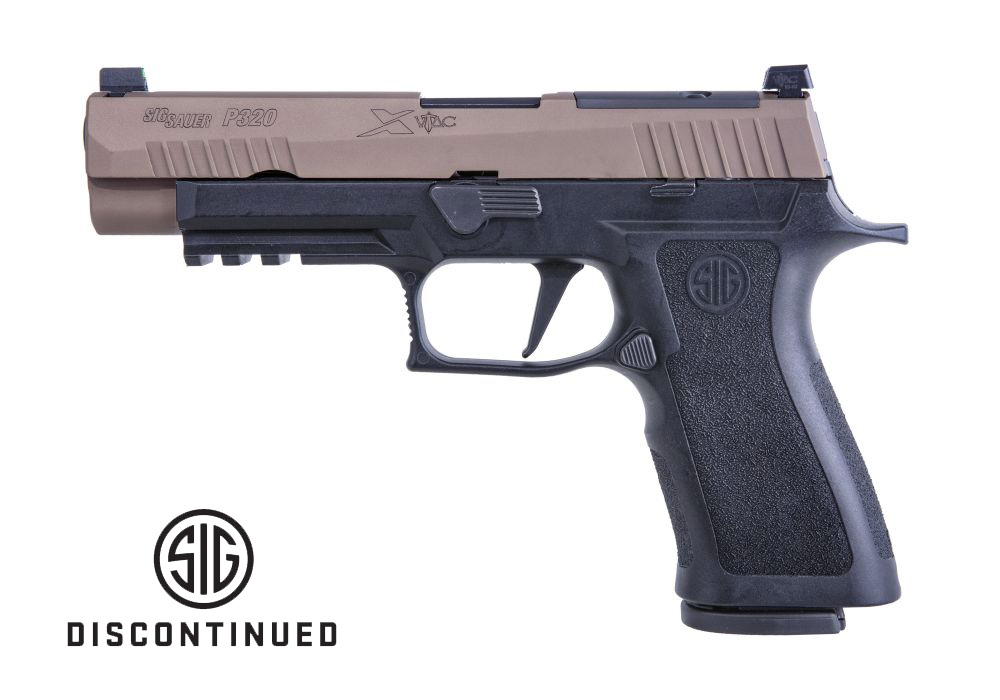
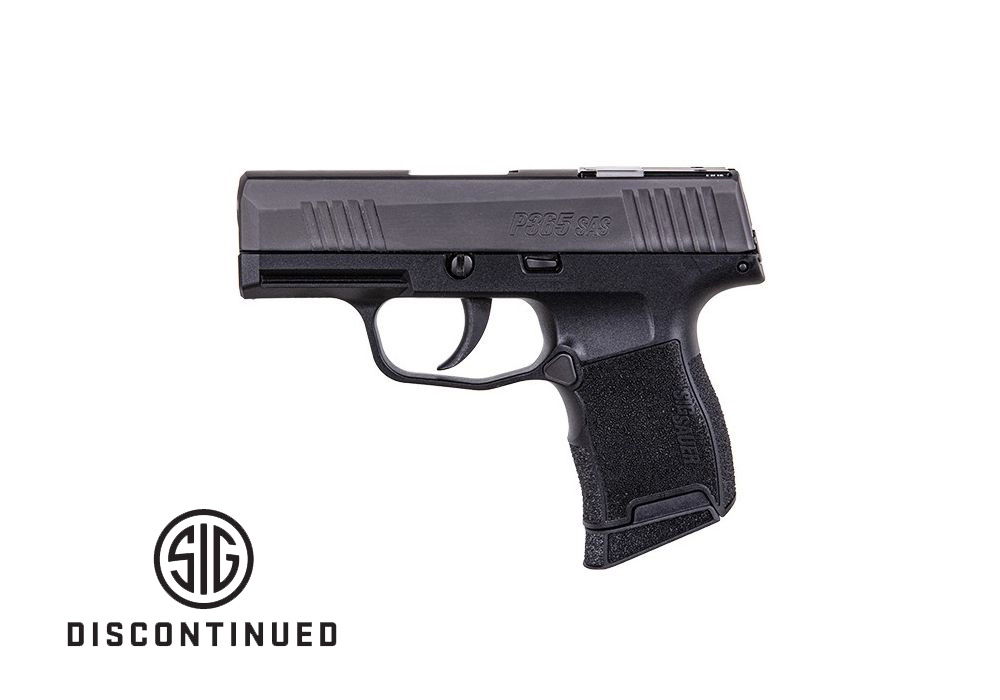
Choosing a firearm for home security begins with understanding the space it may be used in, the people who live there, and the level of training the owner is prepared to pursue. A compact or full-size 9mm semi-automatic handgun is often considered for its manageable size, familiar controls, and ease of storage in a properly secured quick-access safe. Its shorter overall length can be practical in smaller rooms, hallways, and other confined areas, while standard or extended-capacity magazines may reduce the need for frequent reloading, subject to applicable laws and regulations. A shotgun, available in 12-gauge or 20-gauge configurations, offers a different set of characteristics. The longer stock and sighting plane can provide a stable shooting platform, while pump-action and semi-automatic designs are available for different preferences and experience levels. Recoil, weight, overall length, and the physical layout of the home deserve careful consideration before selecting one. A modern sporting rifle chambered in .223 Remington or 5.56 NATO may also appeal to experienced owners who value a shoulder-fired platform, low-recoil operation, and a standard or extended-capacity magazine configuration where permitted. Each firearm type has practical strengths and limitations, and the best choice is the one the owner can safely handle, securely store, and confidently operate after receiving appropriate instruction.
Home security planning extends well beyond the firearm itself. A dedicated weapon-mounted light or handheld light can help an owner identify people, pets, and objects in low-light conditions, but light use should be practiced responsibly and within the owner’s training. Ammunition selection also matters. Defensive loads are designed for dependable function and consistent performance, yet no ammunition can eliminate the risks associated with firing inside a residence. Walls, doors, flooring, and neighboring homes may be close together, particularly in apartments, townhomes, and condominiums, so owners should understand the potential for projectiles to pass through interior materials and should consider their surroundings when comparing handgun, shotgun, and rifle options. A qualified instructor can help with safe handling, loading and unloading procedures, storage habits, malfunction response, and the judgment required to avoid unnecessary handling. The fundamentals are easy to overlook during a busy evening: keeping the muzzle pointed in a safe direction, keeping the finger outside the trigger guard until ready to fire, knowing what is in front of and beyond a potential target, and confirming that the firearm is unloaded before storage or transport. During the cooler months, when families may spend more time indoors and visitors may bring coats, bags, or unfamiliar belongings into the home, a consistent storage routine becomes especially important. Firearms should remain inaccessible to unauthorized users, with ammunition secured according to the owner’s safety plan and local requirements.
The right supporting equipment can make responsible ownership more practical from day to day. A purpose-built safe with a reliable lock, discreet placement, and an access method the owner can operate without fumbling is an important part of the setup, especially in a home with children, guests, roommates, or other people who should not handle the firearm. Owners may also consider eye and ear protection, a secure case, spare magazines where lawful, a maintenance kit, and a way to record training, cleaning, and storage checks. More information about useful additions can be found in Essentials for Home Defense Firearms. A firearm may be appropriate for a new homeowner, a rural property owner, a security-conscious household, or an experienced enthusiast refining an existing setup, but it should never be treated as a casual gift. When a firearm is given, the recipient should be involved in the selection whenever possible, meet all legal requirements, and have access to instruction and secure storage before taking possession. Purchase and transfer rules vary by jurisdiction, and some areas impose restrictions on firearm types, magazine configurations, waiting periods, permits, or storage practices. Reviewing those requirements before placing an order helps prevent delays and supports responsible ownership. The most useful home security firearm option is not defined by appearance or popularity; it is a lawful, appropriately sized platform that fits the owner’s environment, can be maintained in dependable condition, and is paired with a clear safety plan practiced by everyone in the household who needs to understand it.