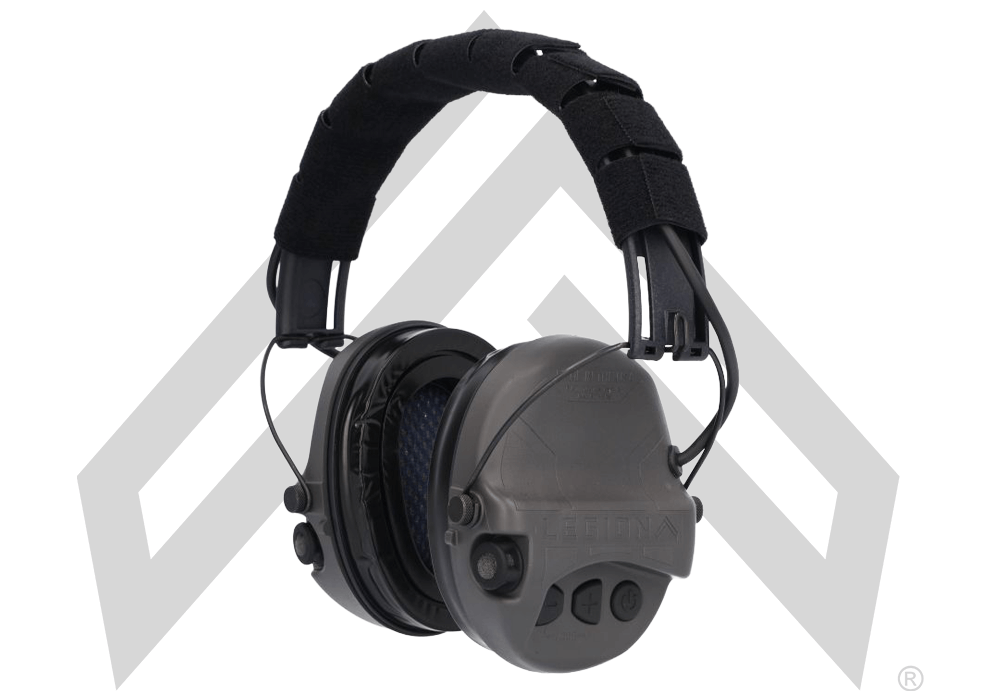
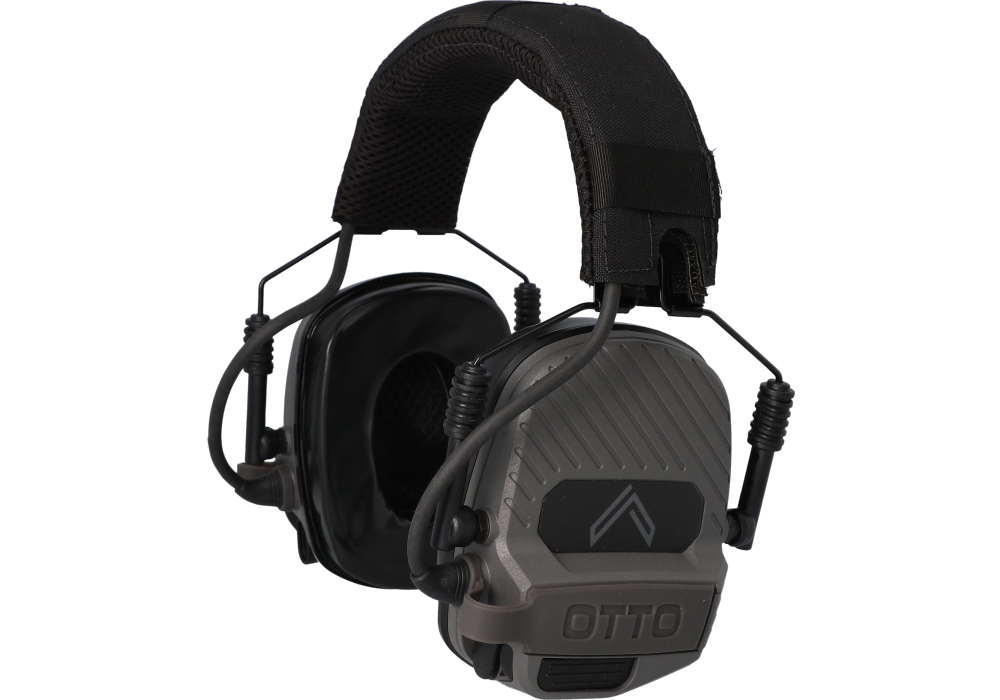
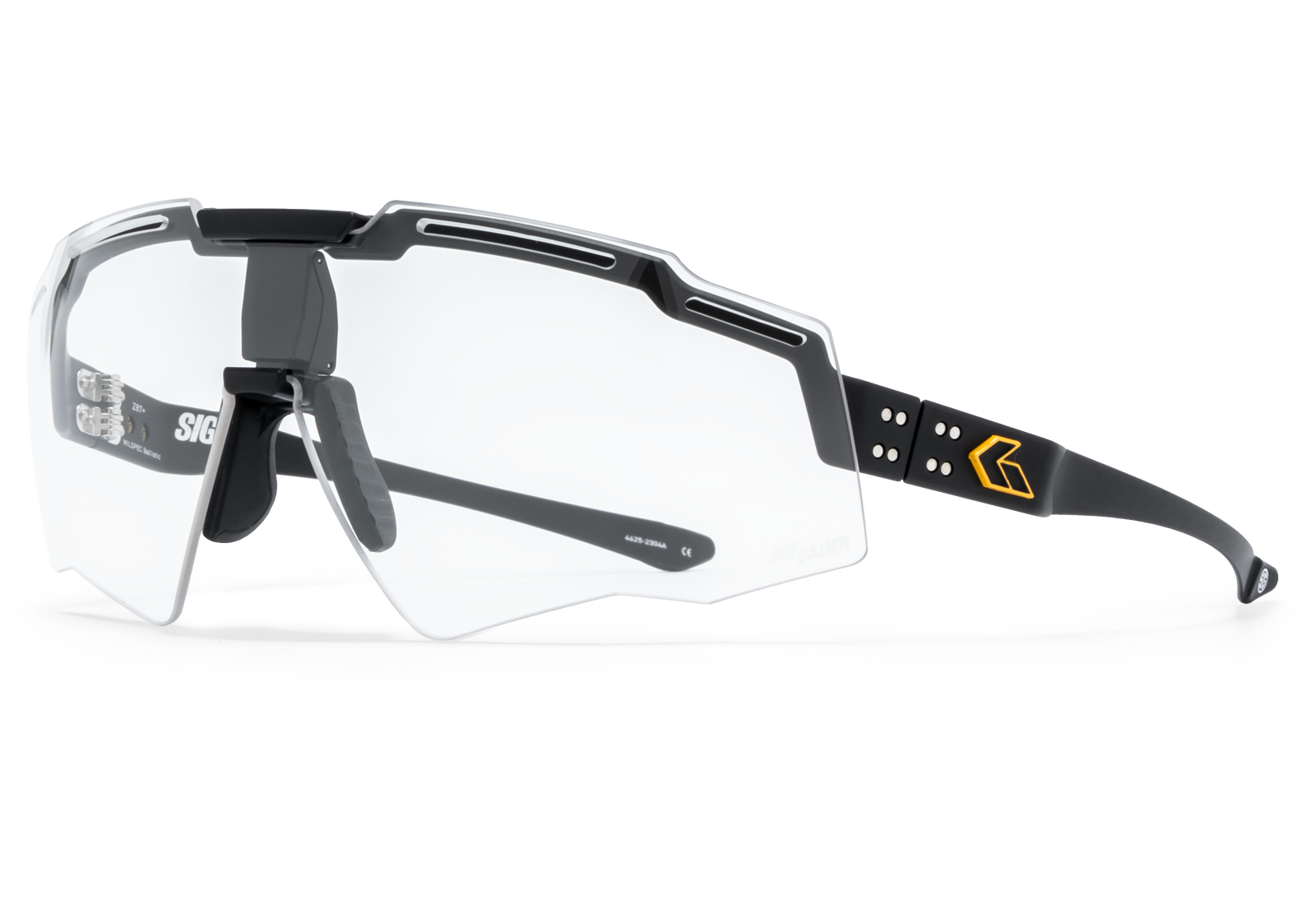
For a first visit to the shooting range, the right equipment can make the experience feel organized, comfortable, and approachable from the moment you arrive. A new shooter may be focused on learning the rhythm of the range—checking in, setting up at a lane, listening for instructions, and becoming familiar with the sights and controls—so dependable essentials help remove unnecessary distractions. Eye and ear protection are foundational purchases, particularly when several lanes are active and the sharp report of firearms echoes through an indoor facility. Look for comfortable, well-fitting options that can be worn throughout a full session, including protective eyewear with clear lenses for indoor use or changing light and hearing protection that allows conversations before and after a lane is active. A sturdy range bag gives each item a dedicated place, making it easier to keep protection, targets, ammunition, paperwork, and small accessories together. Compartments for magazines, boxes, tools, and personal items are useful without making the bag feel cumbersome. A durable case or lockable container is also an important consideration for transporting a firearm to and from the range, with the exact requirements determined by local law and the range’s own policies. For someone purchasing a first firearm, browsing Firearms for Shooting Range Enthusiasts can help narrow the selection toward options suited to recreational practice and regular range use. The best choice depends on factors such as fit, controls, caliber, intended use, and how naturally the firearm can be handled by the person using it. A new shooter with smaller hands may value a different grip shape than an experienced enthusiast, while someone planning occasional visits may prioritize straightforward maintenance and easy transport. Range staff and qualified instructors can provide useful direction, and many facilities offer rentals that allow a person to become familiar with different configurations before making a purchase. These products can also make thoughtful gifts for a first-time shooter, a recent permit holder, or a friend who has expressed interest in learning at a supervised range. A gift card, protective equipment, a quality case, or an organized range bag can be especially practical because each item supports the experience without assuming a particular firearm preference.
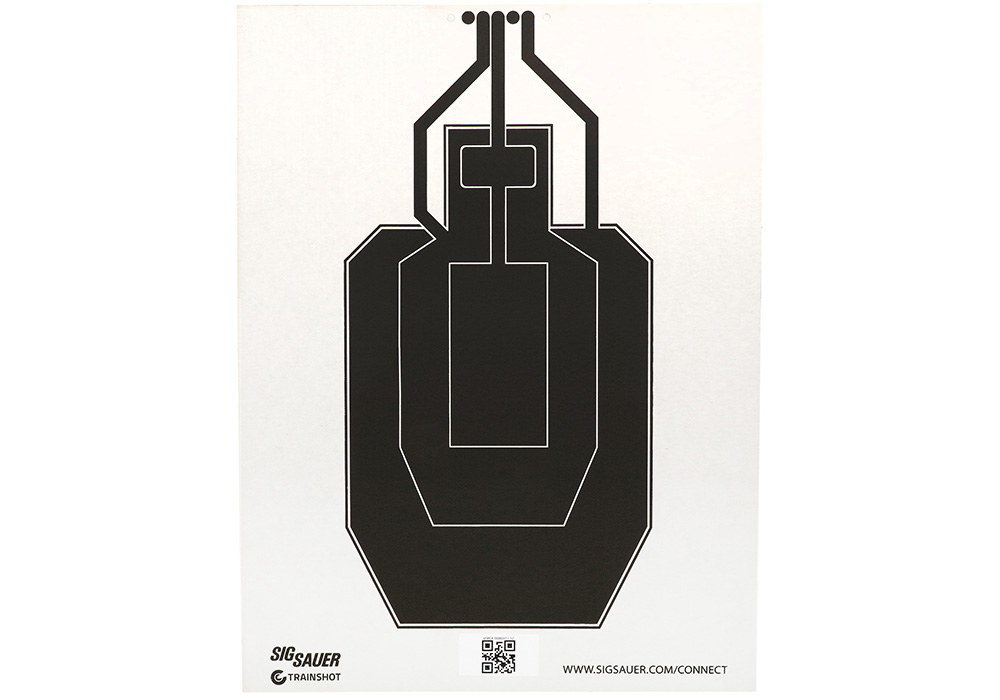
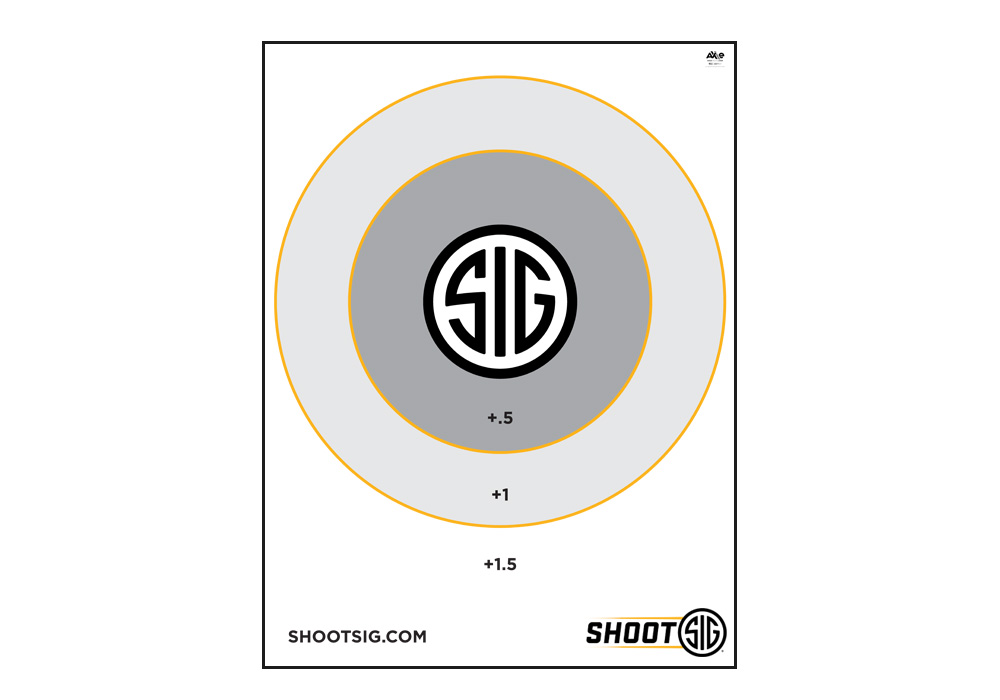
Ammunition and targets are equally central to a productive range outing, but they should be selected with attention to the firearm’s specifications and the facility’s rules. First-time shooters often appreciate having the correct ammunition arranged before arriving, rather than sorting through unfamiliar boxes at the counter while a lane is waiting. Caliber, bullet type, package size, and range restrictions can all affect the purchase, and some facilities permit only certain types of ammunition or require that it be purchased on site. Checking those details in advance helps avoid surprises and keeps the visit moving at a comfortable pace. Paper targets with clear aiming points are a familiar choice for basic practice, while larger or more visible designs can make it easier to see progress from a distance. Target pasters, tape, or a simple marker can help refresh a target between strings, reducing waste during a longer session. A compact staple-free target setup or adhesive option may be convenient for indoor facilities, while outdoor ranges can have different mounting requirements. Small accessories often become the items a new shooter is most grateful to have: a chamber flag where required, a magazine loader, a simple timer for structured practice when permitted, or a lightweight utility pouch for keeping loose gear off the bench. A microfiber cloth can be useful for wiping fingerprints from eyewear or equipment, and disposable gloves may appeal to shooters who prefer to limit contact with residue during cleanup. Clothing should be comfortable and practical, with closed-toe shoes and a shirt that offers coverage around the neckline; these simple choices can make a noticeable difference during a session. As the weather shifts from warm afternoons to cooler days, layered clothing is helpful for outdoor ranges, where shade, wind, and changing temperatures can affect comfort even when the forecast seems mild. The emphasis should remain on equipment that supports a calm, supervised experience rather than adding unnecessary complexity. A first range kit does not need to be expansive. A few well-chosen items that fit correctly, travel securely, and comply with the range’s policies are usually more useful than a large collection of accessories purchased all at once.
After the first visit, maintenance and storage products can help turn a single outing into a consistent and responsible hobby. A basic cleaning and care setup keeps commonly needed tools together and gives the firearm a designated place for routine attention after range use. The exact cleaning method varies by firearm, so owners should follow the manufacturer’s instructions and seek qualified assistance when they are unsure. Secure storage is especially important in homes with children, guests, or anyone who should not have access; a lockable case, safe, or other lawful storage solution should be selected according to the firearm, the household, and applicable regulations. Storage also protects equipment from avoidable damage and makes it easier to keep ammunition separated and organized. For people who enjoy tracking improvement, a small notebook or range log can record the date, firearm, ammunition, target type, and observations from each visit without turning the outing into a complicated project. These notes can reveal preferences over time, such as which grip feels most natural, which target size is easiest to read, or whether indoor or outdoor ranges provide a more enjoyable setting. New shooters may benefit from scheduling time with a certified instructor, especially when learning safe handling habits, range etiquette, loading procedures, and the fundamentals of sight alignment and trigger control. Experienced friends can be welcoming companions, but formal instruction offers a consistent foundation and gives beginners a comfortable place to ask questions. The range is often at its most enjoyable when preparation stays simple: protective equipment fits, transportation is secure, ammunition matches the firearm, and everyone understands the facility’s commands and procedures. During the warmer and cooler parts of the year alike, these practical products can support an inviting first experience for an adult learner, a family member beginning supervised practice, or a longtime enthusiast helping someone discover the sport. With dependable essentials and a thoughtful approach to safety, a first trip can feel less like an unfamiliar occasion and more like the beginning of a rewarding, responsible routine.