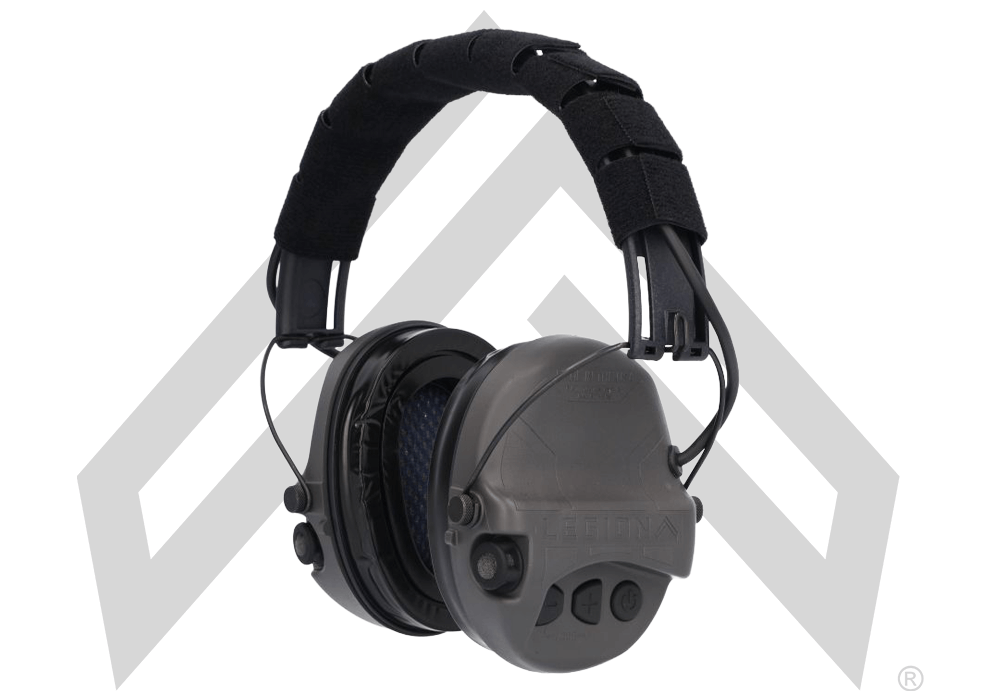
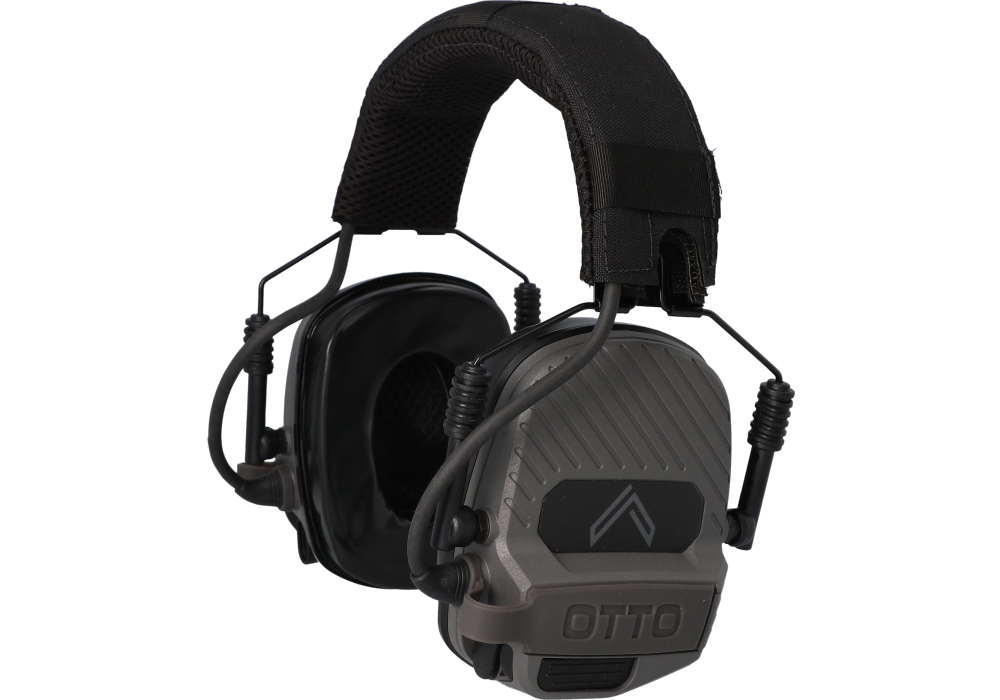
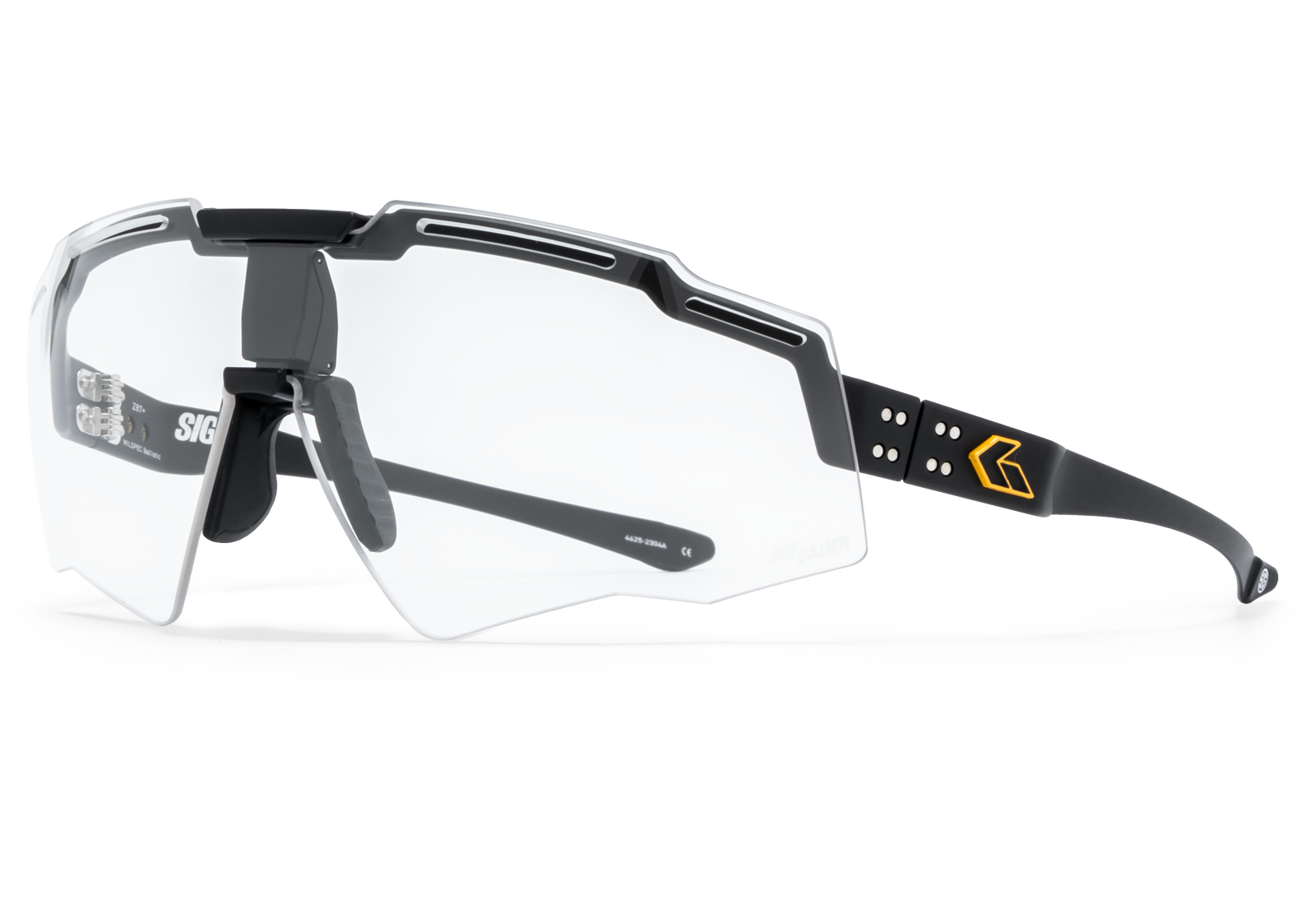
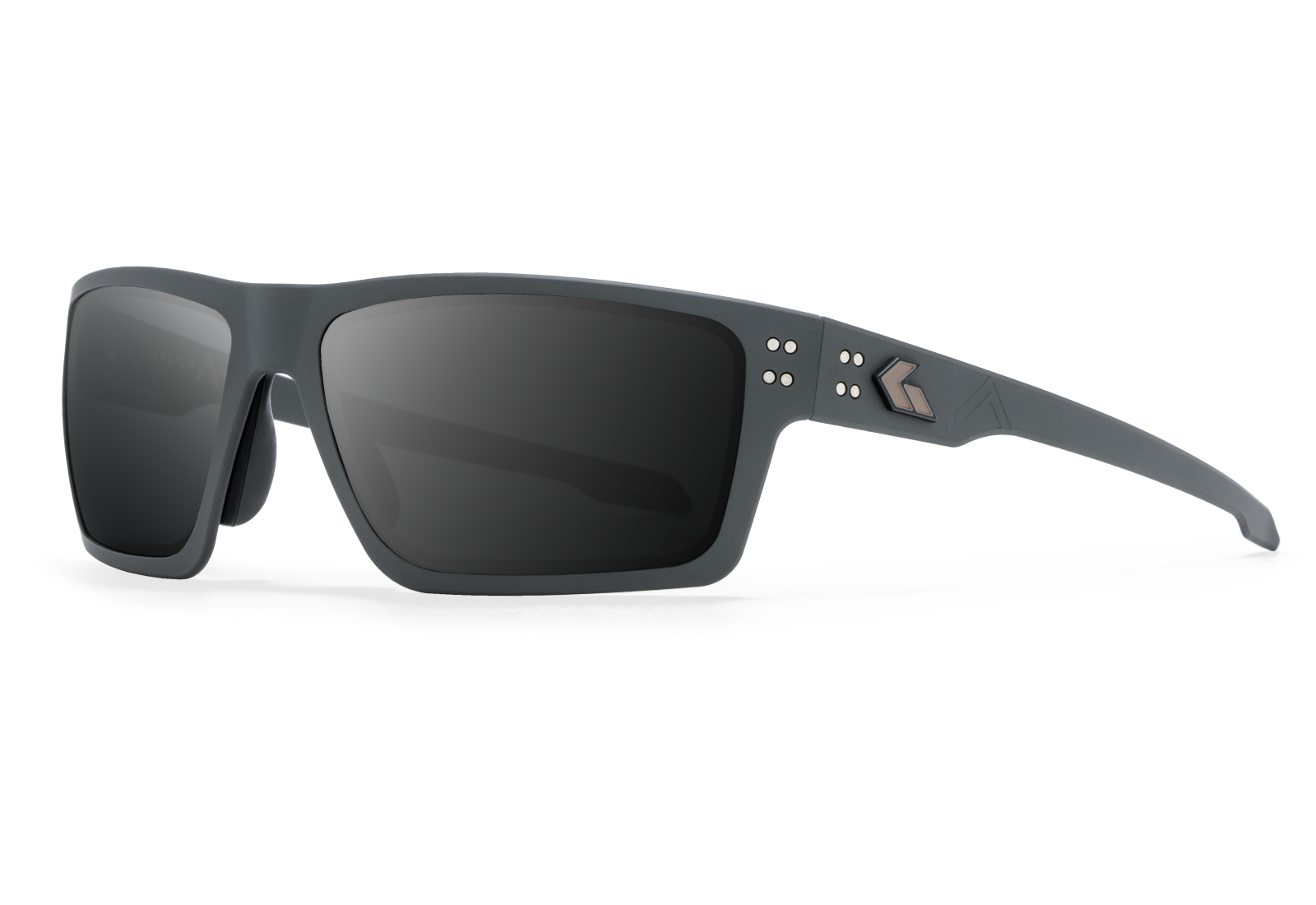
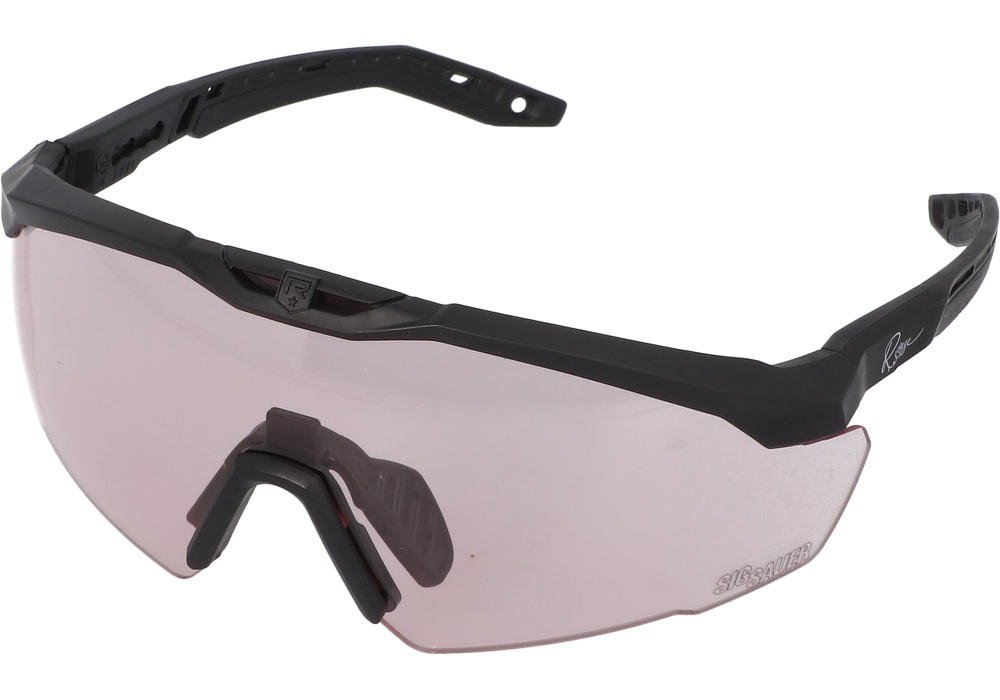
The National Shooting Sports Month #RangeChallenge is an annual target-shooting event designed to bring people together at the range while encouraging safe, responsible participation in the shooting sports. Participants typically obtain an official challenge target online or through a participating shooting facility, spend time practicing and completing the target activity, then share a photo or video of themselves and their finished target according to the event’s published instructions. Randomly selected participants may be eligible for promotional prizes, such as gift cards, when the challenge is active, so always review the current rules, entry requirements, deadlines, and eligibility details before submitting an entry. A range challenge can be an enjoyable way for experienced shooters to set a measurable goal, for new shooters to build confidence with instruction, or for families and friends to plan a structured day at a local range. The best preparation starts well before the first shot. Confirm that the range supports the firearm and ammunition you plan to use, check whether reservations or a membership are required, and review the facility’s safety policies. If you are new to shooting, consider arranging an introductory lesson with a qualified instructor. A calm explanation of range commands, loading and unloading procedures, target placement, and safe handling can make the experience more comfortable and help everyone concentrate on the activity itself. Even familiar shooters benefit from a deliberate refresher, especially when visiting an unfamiliar facility or bringing someone who has limited range experience. Pack eye and hearing protection for every person attending, along with the appropriate firearm case, secure transport equipment, ammunition, targets, and any other items permitted by the range. A small range bag can keep these essentials organized, while a notebook or phone-free scorecard can help record distances, drills, and results without distracting from safe firearm handling. During cooler months, layered clothing and gloves that allow a secure grip can make an outdoor session more pleasant; avoid loose garments, dangling accessories, or anything that could interfere with controls or snag during handling. Check the forecast, bring water, and plan enough time to set up carefully rather than rushing through the course of fire.
Choosing equipment for a National Shooting Sports Month Range Challenge begins with matching each item to the activity, the shooter, and the range environment. Targets should be selected for the intended distance and firearm, with clear aiming points and scoring areas that are easy to see from the firing line. Paper targets are useful for measuring group size and tracking progress, while reactive or specialty targets may offer immediate visual feedback when permitted by the facility. Always follow the range’s rules regarding target materials, target stands, placement, and ammunition. Some facilities restrict steel, certain calibers, tracer or incendiary ammunition, or other specialized equipment, so checking ahead prevents an otherwise enjoyable outing from being interrupted. Ammunition should be compatible with the firearm and appropriate for the range; compare the cartridge designation carefully, inspect packaging for damage, and transport it as required by local law and facility policy. Shooters who are building a repeatable routine may appreciate a stable shooting rest or other range-approved support, particularly when learning sight alignment, trigger control, or breathing technique. Optics and other aiming accessories can be useful for specific platforms and distances, but they should be selected with attention to mounting compatibility, adjustment range, durability, and ease of use. A simple setup that can be adjusted confidently is often more valuable than adding equipment that complicates the process. Firearm cases should protect the firearm during transport and keep it secured when not in use, while lockable storage options can add an important layer of responsibility at home. Cleaning and maintenance supplies are practical additions for shooters who want to preserve reliable function between range visits, and a basic inspection before and after shooting can help identify wear, loose components, or other concerns that should be addressed by a qualified professional. For an easy seasonal extension of the challenge, explore Targets for Labor Day Shooting Competitions and choose a target activity that fits the group’s experience level and the rules of the selected range.
Range challenge equipment can also make a thoughtful gift for a responsible adult who already participates in shooting sports or is preparing for formal instruction. Targets, protective equipment, a durable range bag, a secure case, or maintenance accessories are often practical choices because they support regular practice without assuming a particular firearm or fit. For a first-time shooter, however, gifting a firearm or ammunition should be approached with care. The recipient’s age, legal eligibility, training, storage plan, preferences, and local requirements all matter, and a gift certificate, lesson, range visit, or safety equipment may be a better option when those details are unknown. Regardless of experience, everyone should treat every firearm as loaded, keep the muzzle pointed in a safe direction, keep fingers outside the trigger guard until ready to fire, and be certain of the target and what lies beyond it. At the range, follow the range safety officer’s instructions immediately, keep firearms pointed downrange during a live-fire session, and stop handling firearms whenever the range is declared cold. Photos and videos should be taken only when firearms are unloaded, actions are open, and the range permits photography; never allow the desire to capture a challenge entry to interrupt safe handling or distract another shooter. After completing a target, review the event’s submission instructions before sharing an image, and avoid posting identifying information, loaded firearms, unsafe behavior, or details that compromise personal security. Whether the goal is to complete a formal #RangeChallenge, improve consistency, introduce a friend to a supervised range session, or spend a quiet afternoon refining fundamentals, thoughtful preparation keeps the experience focused. The result is more than a completed target: it is a repeatable routine built around safety, responsible ownership, good range etiquette, and steady improvement through practice.