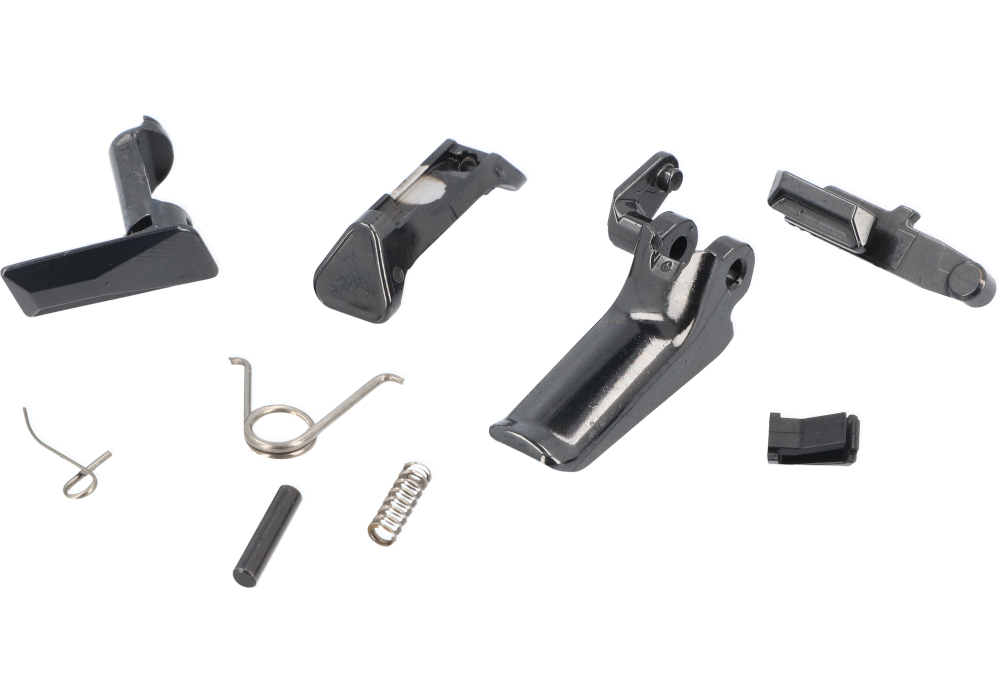
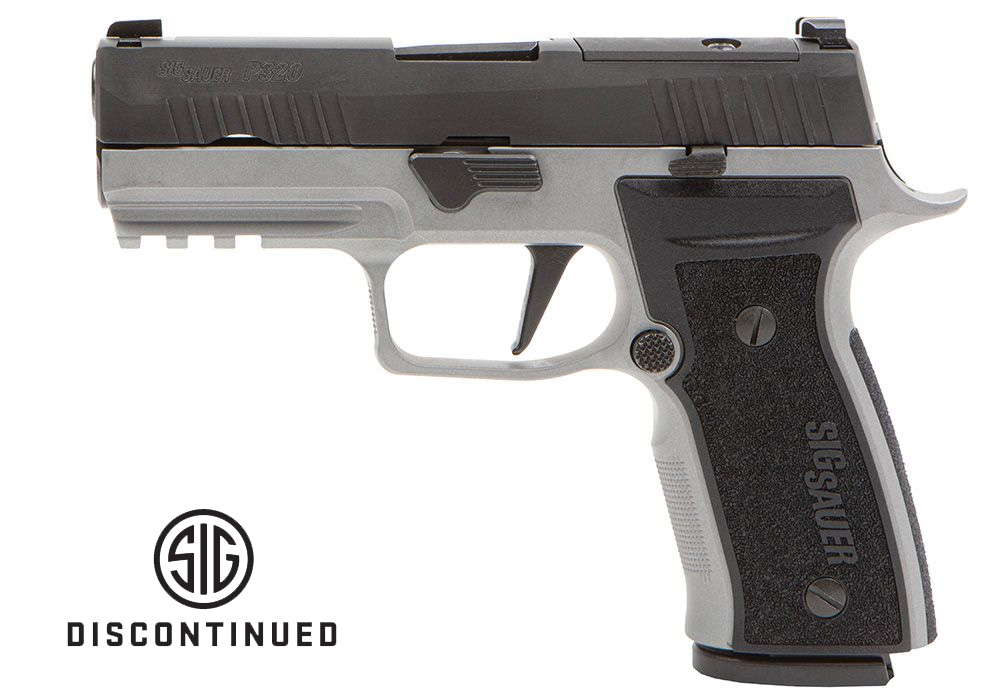
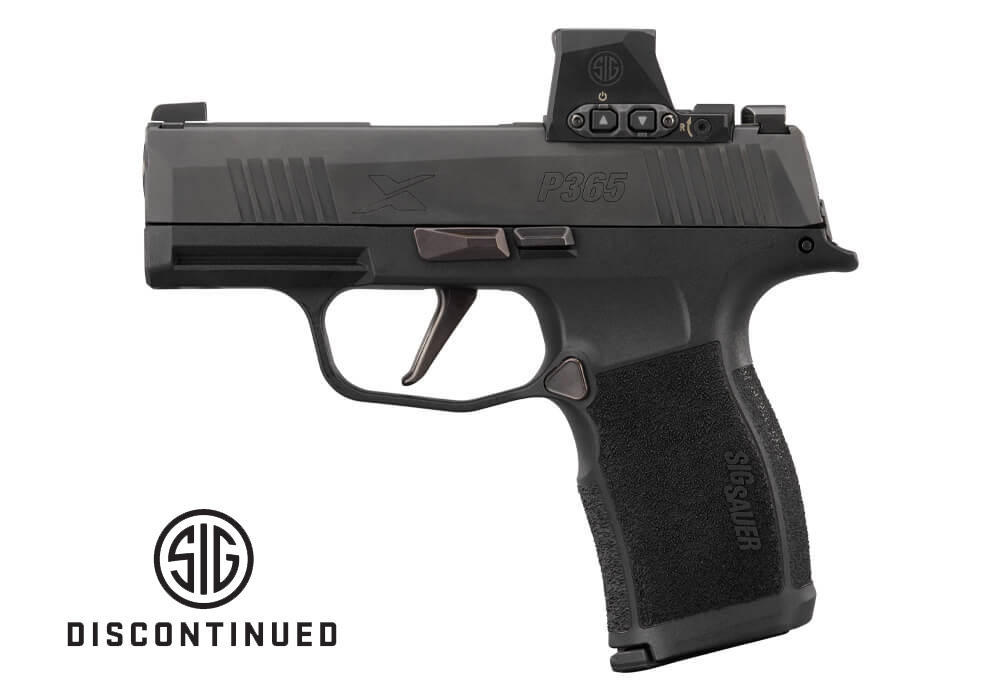
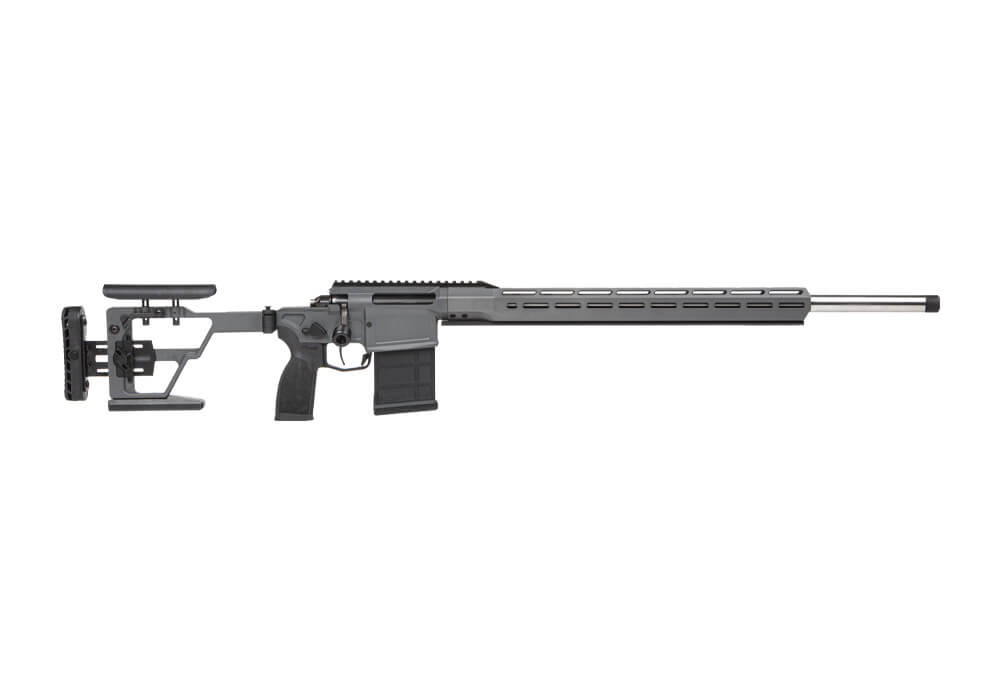
Flat blade trigger rifles bring a distinct feel to a familiar rifle platform. Instead of the rounded profile found on many traditional trigger shoes, a flat blade presents a straighter, more uniform surface for the trigger finger. That geometry can encourage a consistent straight-back pull, with room to position the finger higher or lower according to hand size, grip style, and personal preference. Some shooters prefer contact near the center of the blade, while others settle slightly lower for a different sense of leverage and control. The result is often a clean, predictable interface between shooter and rifle, particularly when the trigger system has a crisp break, a defined reset, and a pull weight suited to the rifle’s intended role. A flat blade trigger does not transform every rifle into the same tool, and no trigger configuration replaces careful practice, but it can provide a more repeatable point of contact during slow, deliberate fire or fast transitions between targets. For hunters preparing during the cooler months, a straight trigger face can also feel familiar when wearing light gloves, though glove thickness should always be considered during setup and practice. Competition shooters may value the way a flat face supports consistent finger placement from one stage to the next, while precision-oriented rifle users may appreciate a clean break that helps them maintain sight alignment through the shot. Recreational owners often choose this style simply because it feels natural in the hand. The best choice depends on the rifle platform, receiver pattern, intended use, and the shooter’s preferences rather than appearance alone.
Before selecting a flat blade trigger rifle or trigger configuration, start by confirming compatibility with the complete firearm system. Rifles that appear similar from the outside can use different fire-control components, receiver dimensions, safety arrangements, or installation requirements. Review the manufacturer’s specifications for the exact platform and confirm whether the system uses a single-stage or two-stage action. A single-stage trigger generally has a more direct feel, with the trigger moving through a short amount of initial travel before the break. A two-stage trigger provides an initial phase of controlled movement followed by a distinct second stage, which some shooters prefer for deliberate aiming and refined shot preparation. Pull weight matters as well. A lighter setting can feel precise in a controlled environment, while a slightly heavier setting may provide a more substantial margin against an unintended shot during movement, field use, or stressful conditions. Adjustable systems deserve particular care: changes should follow the manufacturer’s instructions, and every setting should be tested for reliable function, safety engagement, reset, and resistance to impact or vigorous handling. Installation is not a casual customization. Anyone who is not fully familiar with the rifle’s fire-control system should use a qualified gunsmith, then perform a complete function check in a safe setting before live fire. Check the safety, verify that the action cycles properly, confirm that the trigger resets, and inspect the rifle for secure assembly. Follow all applicable federal, state, and local laws, and use appropriate eye and ear protection whenever the rifle is handled or fired.
Flat blade trigger rifles can suit a wide range of experienced rifle owners, from someone refining a familiar sporting rifle to a competitor building a setup around consistent manipulation. They may also be considered as a gift for a responsible adult who already owns a compatible rifle and has a clear preference for a particular trigger feel. A thoughtful gift includes more than the component itself: confirm the recipient’s rifle platform, preferred action type, and intended use before purchasing, and remember that firearm accessories can involve legal, technical, and training considerations. For a new owner, professional instruction and safe-handling practice should come before performance-focused upgrades. For a seasoned shooter, a flat blade may offer a subtle but meaningful change in how the trigger feels during dry practice, bench work, field positions, or organized competition. During early fall and the cooler months, many shooters spend more time checking equipment, visiting an indoor range, or preparing for outdoor trips, making this a practical period to assess trigger reach, finger placement, and overall rifle fit. Keep ammunition separate during inspection and setup, point the muzzle in a safe direction, and treat every firearm as loaded until personally verified otherwise. Those habits matter whether the rifle is being used from a bench, carried across uneven ground, or stored between sessions. Shooters comparing rifle trigger options may also browse Black Pistol Triggers when considering similar preferences across different firearm platforms. A well-chosen flat blade trigger rifle should feel predictable, fit the intended platform, and support disciplined technique without distracting from the fundamentals of safe handling, steady sight alignment, and deliberate trigger control.