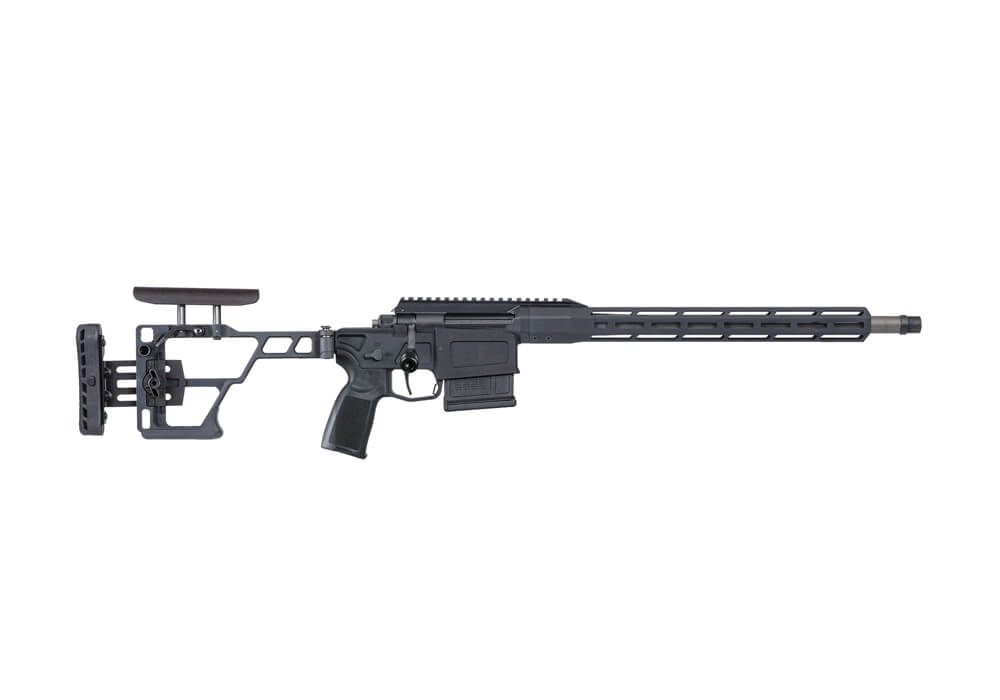
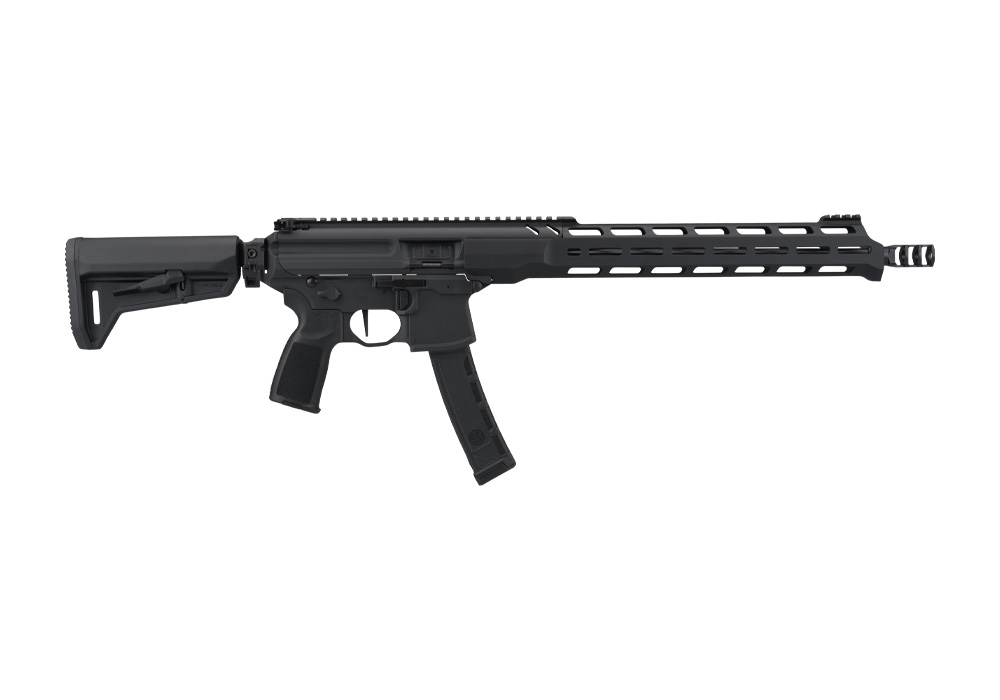
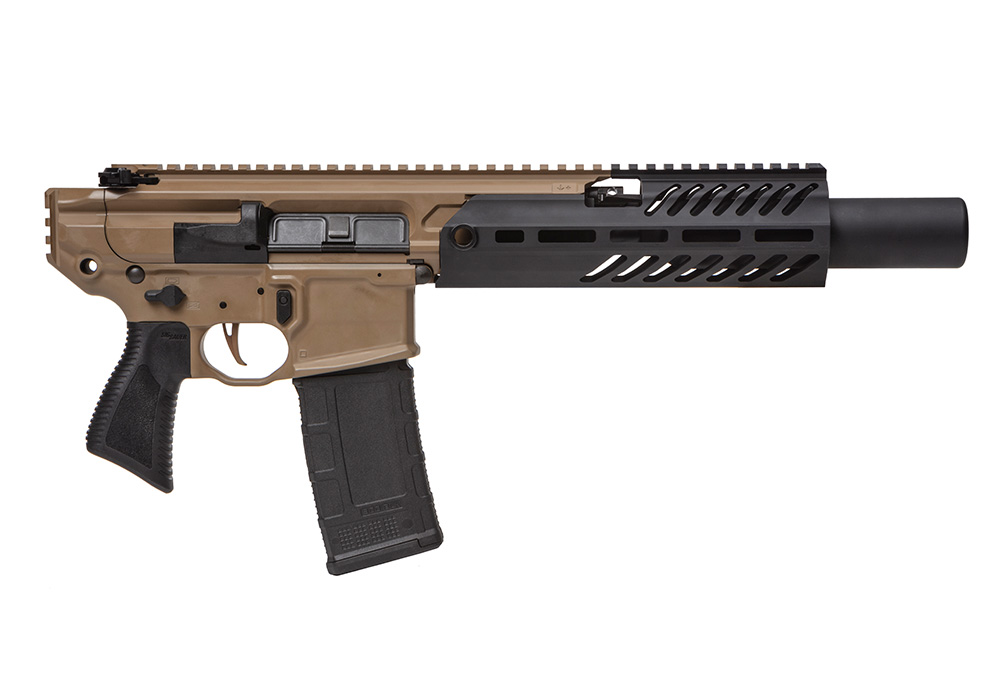
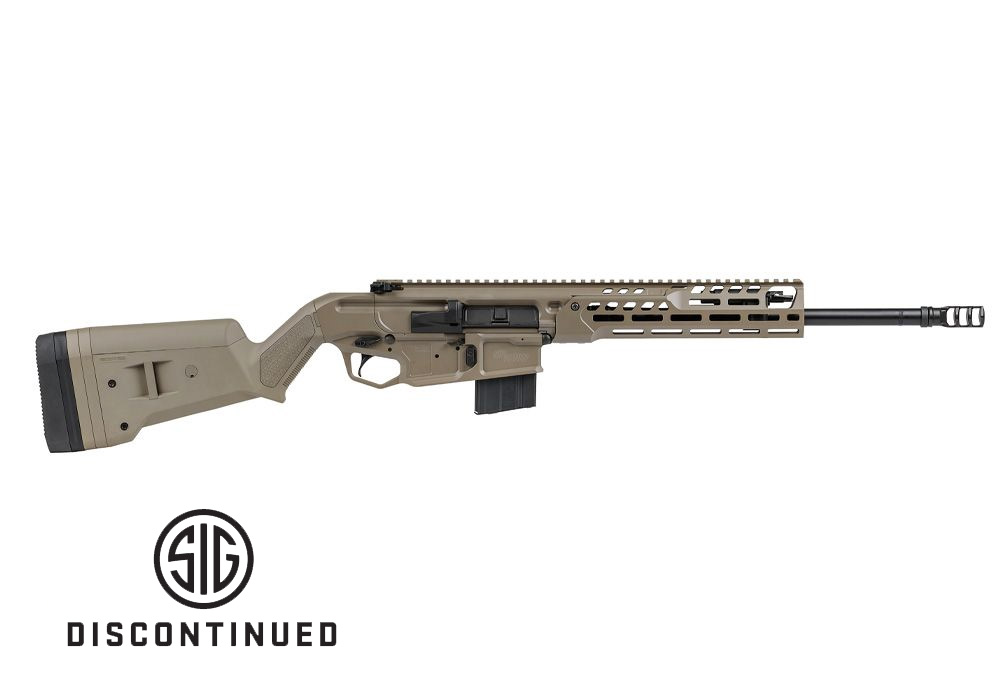
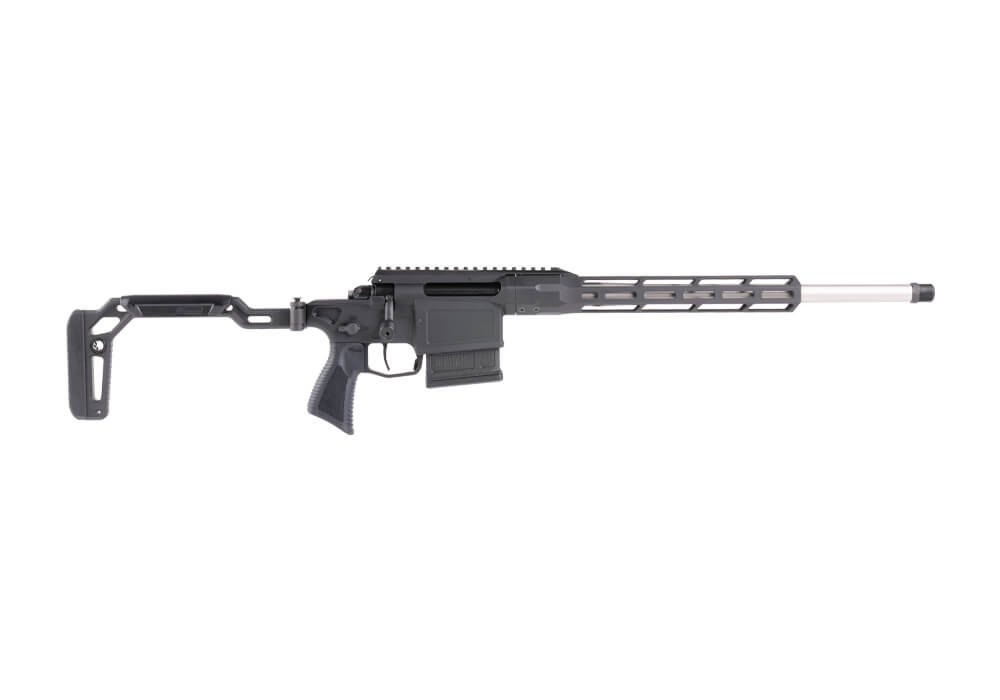
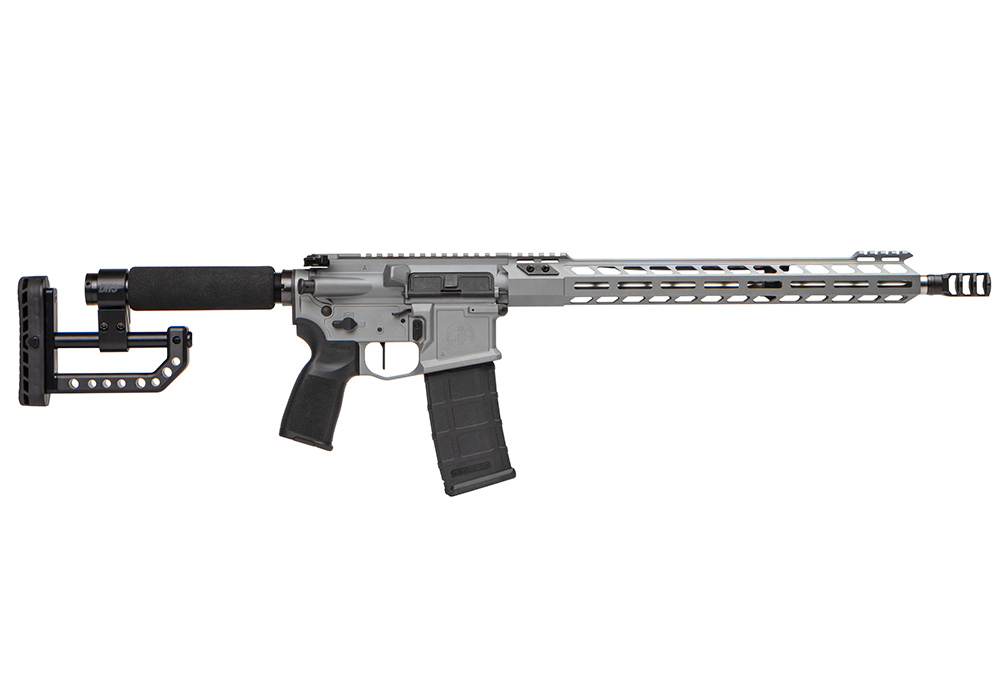
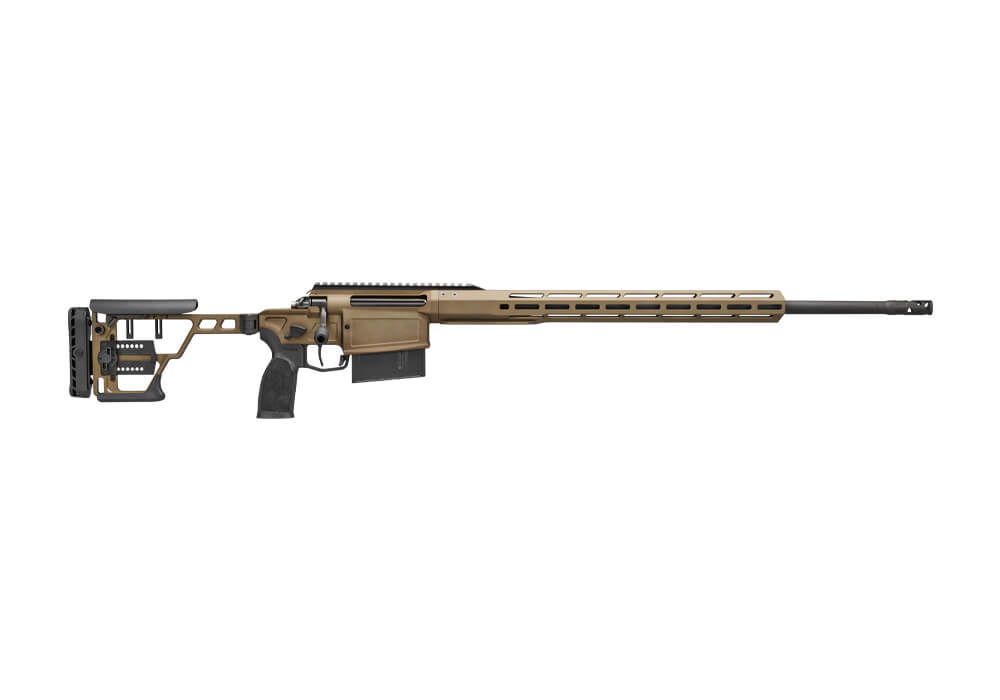
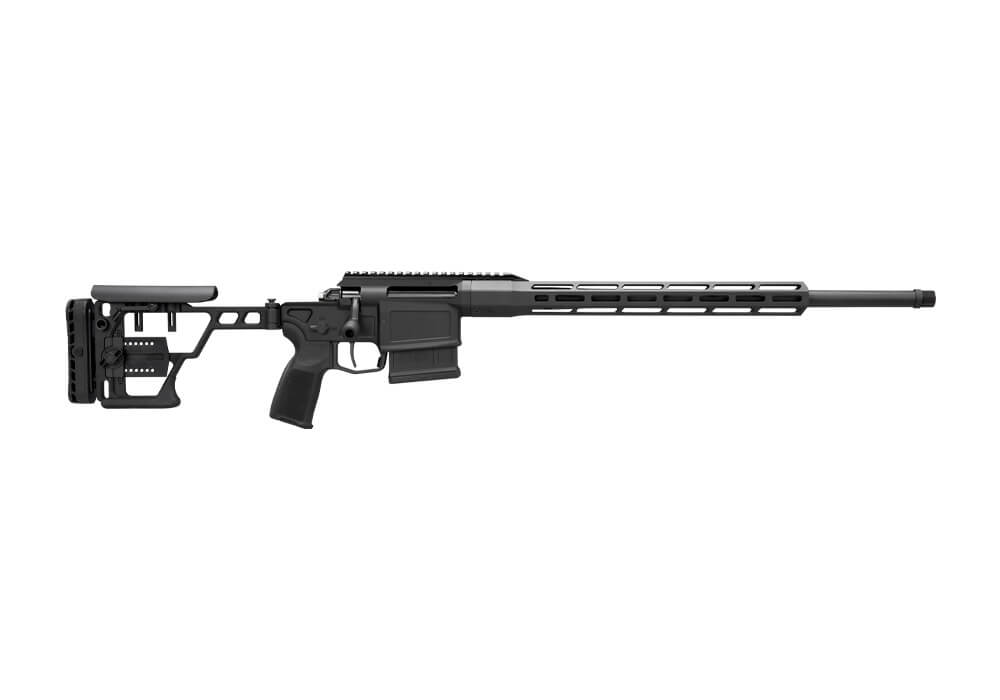
Hunting rifles with adjustable triggers give hunters a useful degree of control over one of the most important points of contact between shooter and firearm. Trigger pull weight, break quality, reset, and overtravel can all influence how naturally a rifle settles into the shot, particularly when a hunter is working from an improvised field position or waiting in the quiet before first light. A well-tuned trigger should feel predictable and consistent, with a clean break that helps the shooter press straight to the rear without disturbing the rifle’s sight picture. Adjustable designs allow the pull weight to be set within the manufacturer’s specified range, helping different hunters find a setup that matches their experience, shooting style, and hunting conditions. A newer hunter may prefer a slightly heavier setting while learning safe handling and building confidence, while an experienced hunter may choose a lighter, crisp pull for deliberate shots from a supported position. The goal is not simply the lightest possible pull. A hunting rifle should remain safe, comfortable, and controllable, with a setting that allows the shooter to identify the trigger movement clearly while wearing the clothing or gloves required for the season. Always unload the rifle before inspecting or adjusting any trigger, follow the owner’s manual precisely, and have a qualified gunsmith evaluate any concern about safety, function, or compatibility. Local laws and regulations may also govern firearm purchases, transport, storage, and use, so buyers should confirm all applicable requirements before completing a purchase or heading into the field.
When comparing hunting rifles with adjustable triggers, start with the complete rifle rather than focusing on the trigger alone. The intended game and terrain help determine the appropriate chambering, rifle weight, barrel length, stock design, and optic setup. A lightweight rifle may be easier to carry along steep ridgelines or through dense timber, while a slightly heavier configuration can be more comfortable from a blind, bench, or other supported position. Synthetic stocks are often selected for their practical resistance to changing weather, while traditional stock materials offer a familiar feel and distinctive character. Consider how the trigger shoe fits the pad of the finger, whether the safety is easy to operate without changing the shooting grip, and whether the trigger remains accessible when using cold-weather gloves. Factory adjustment ranges differ, and not every mechanism is intended to be changed in the same way; some are designed for straightforward user adjustment, while others should be handled by a qualified professional. An adjustable trigger cannot correct poor fit, an unstable rest, an improperly mounted optic, or inconsistent fundamentals, but it can complement a rifle that already fits the hunter well. After any adjustment, function checks should be performed exactly as directed by the manufacturer, and the rifle should be tested at a safe range with the ammunition selected for the hunt. Sight-in work should include several deliberate groups rather than a single confirming shot, with attention to point of impact, reliable cycling, and how the rifle feels after carrying it for an extended period. During the warmer part of the season, this may mean testing from a bench and practical field positions; as the weather turns cooler, it is wise to repeat that process with the clothing, gloves, and pack used in the field.
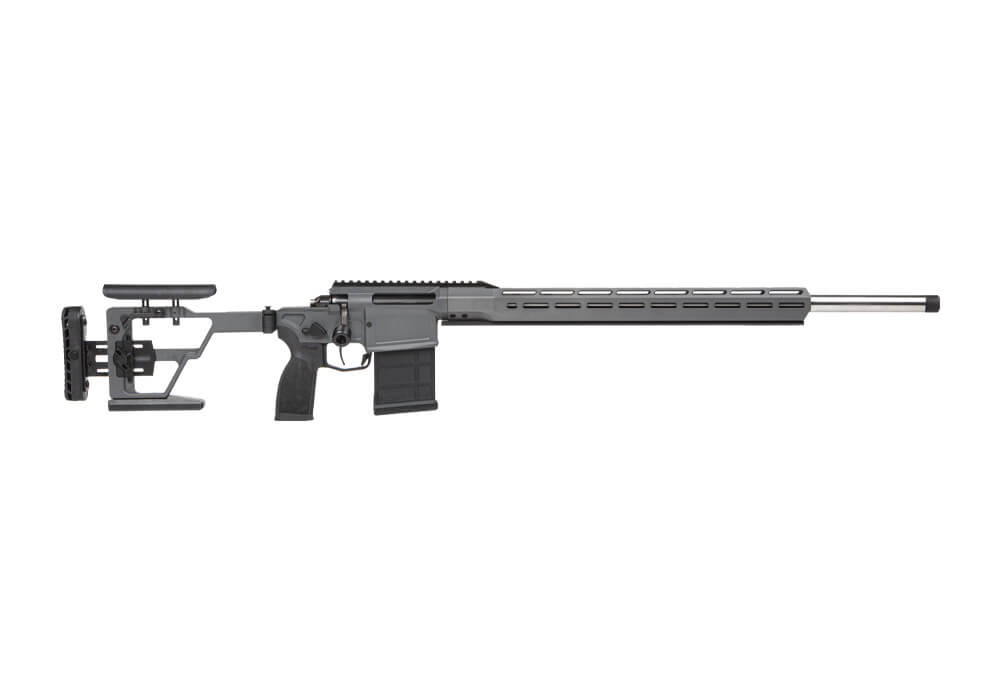
These rifles can suit a wide range of hunters, from someone preparing for a first big-game season to an experienced outdoorsman refining a familiar setup for a new type of terrain. They can also be a thoughtful gift for a responsible adult hunter when the recipient’s preferences, legal eligibility, and safe-storage arrangements are known. Because fit and chambering are personal choices, gift buyers may find it more practical to pair a rifle purchase with time at a range, a secure storage solution, or professional setup rather than guessing at accessories. A hunter who spends long days glassing open country may value a stable stock, a smooth action, and a trigger that remains predictable from a supported kneeling or prone position. Someone moving through thick woods may prioritize compact handling, a clear optic, and controls that are easy to operate without snagging on clothing or gear. Hunters who pursue different game or travel across varied terrain may also appreciate the ability to fine-tune the trigger within safe factory limits as their equipment and conditions change. Reliable performance matters just as much as adjustability, so look for a balanced combination of accuracy, durability, manageable recoil, practical ergonomics, and straightforward maintenance. Shooters interested in a more feature-focused configuration can also browse Hunting Rifles With Tactical Features for additional options that may complement a modern field setup. Before a hunt, spend enough time behind the rifle to make loading, unloading, safety operation, trigger control, and stable positioning familiar. In the cooler months, a calm, repeatable trigger press can be especially valuable when a hunter is wearing layered clothing, managing numb fingers, or waiting patiently for a safe and ethical opportunity. A properly selected and responsibly configured rifle should feel like a dependable part of the hunter’s kit: secure in the hands, predictable when the moment arrives, and suited to the places and conditions where it will be used.