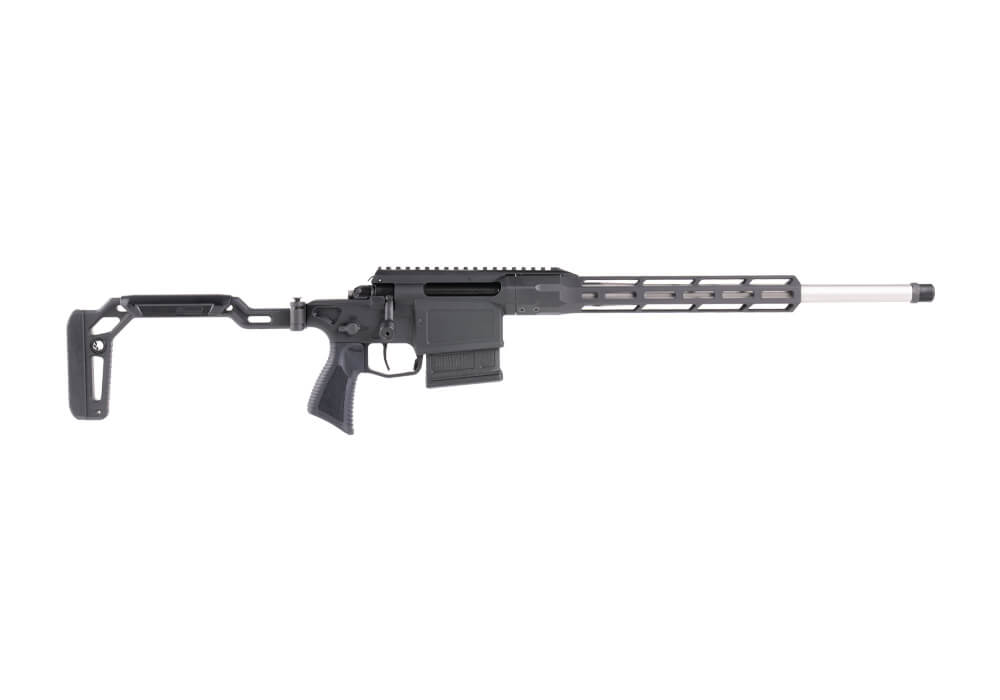
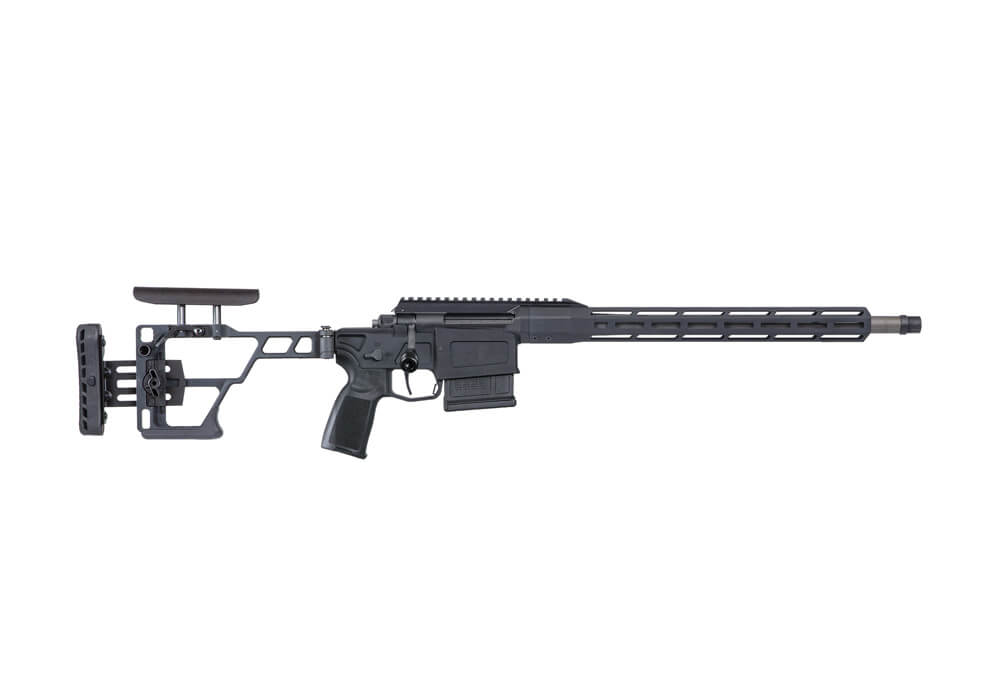
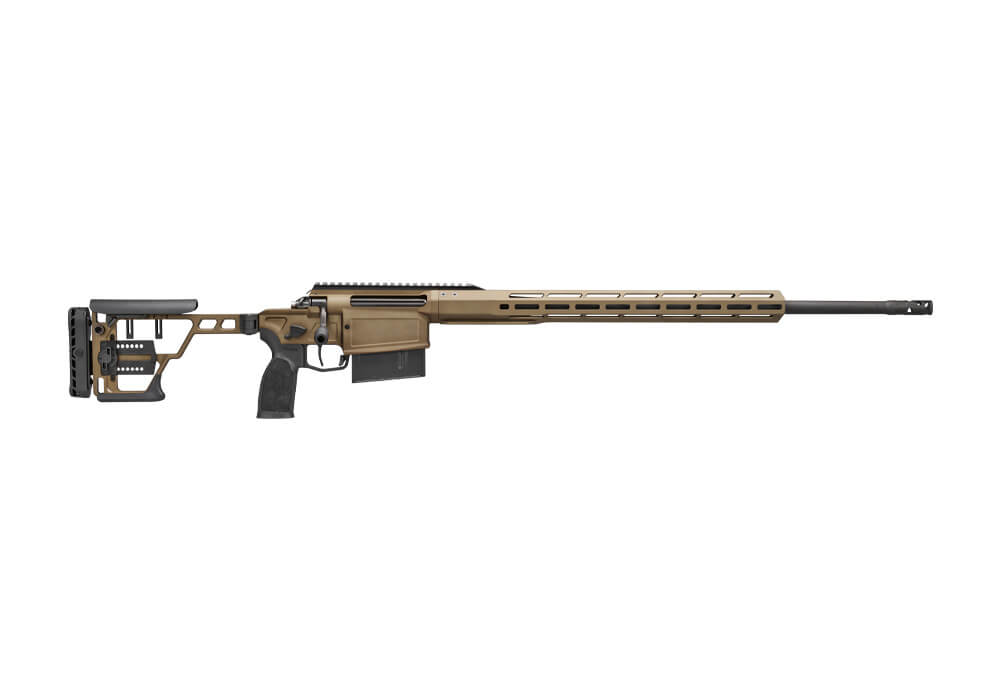
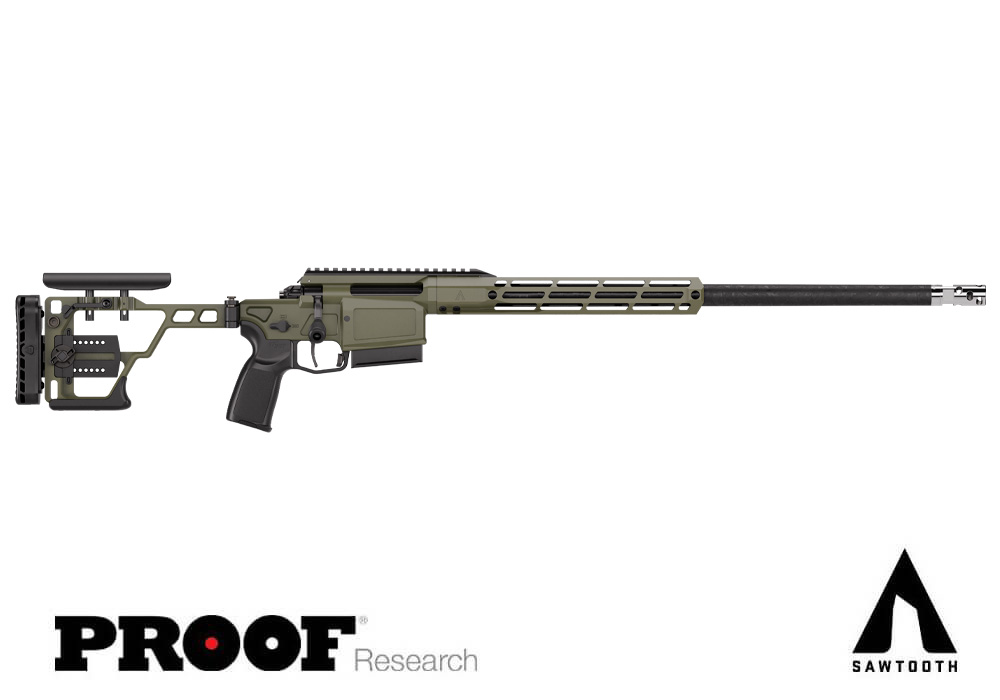
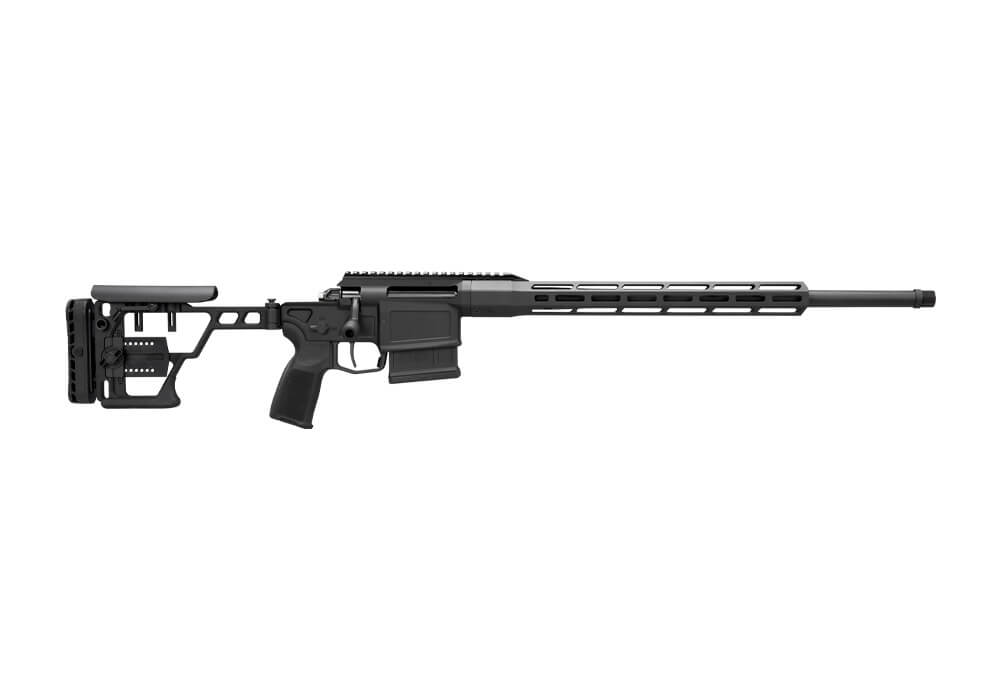
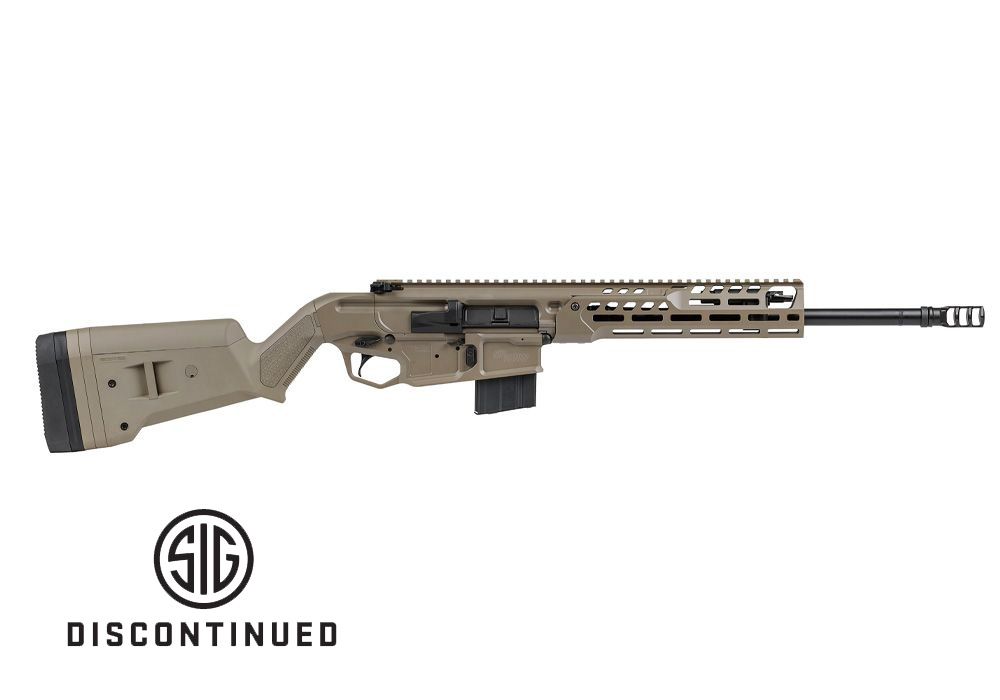
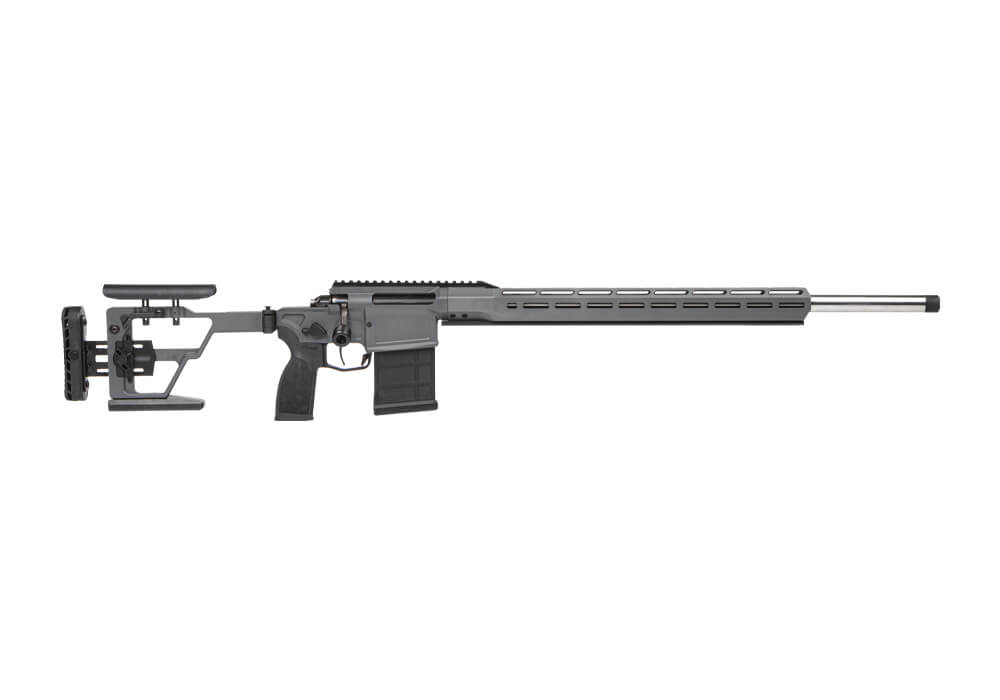
Hunting rifles with tactical features bring together the field-ready handling of a traditional hunting rifle and the adjustability, attachment options, and rugged construction associated with precision platforms. This category commonly includes bolt-action and semi-automatic rifles configured for hunters who value a stable shooting position, consistent fit, and the flexibility to adapt a rifle to changing terrain. A modular chassis or reinforced stock can provide an adjustable length of pull and cheek riser, helping the shooter establish a repeatable cheek weld whether wearing a light shirt during an early-season stalk or layered clothing during the cooler months. Some rifles use aluminum or carbon-fiber components to balance strength and weight, while others retain a more conventional stock shape with tactical-inspired controls and mounting points. The goal is not simply a more modern appearance; these features can make a rifle easier to carry, position, and operate when a hunt involves steep climbs, uneven ground, or a long wait in a blind. A threaded muzzle may allow compatibility with a suppressor or muzzle brake where permitted by law, while a full-length top rail can accommodate an optic and provide flexibility for eye relief and mounting position. Integrated M-LOK or Picatinny sections offer convenient attachment points for a bipod, sling mount, or other compatible accessory, and an ARCA-style rail can provide a particularly solid connection to a tripod or shooting support. Hunters comparing these rifles should look closely at the complete system rather than focusing on any single feature. Consider unloaded weight, barrel length, stock adjustment range, action type, magazine design, trigger characteristics, and the amount of gear likely to be carried over a full day. A lightweight setup may be ideal for covering miles through timber, while a heavier, more stable configuration can make sense for glassing from a fixed position or hunting open country where shots may require careful support and precise range estimation.
The intended game, terrain, and method of carry should guide the purchase as much as the rifle’s specifications. A compact bolt-action rifle with a threaded barrel can be a practical choice for wooded trails, elevated blinds, and hunts where maneuverability matters more than a long sight radius. A longer, heavier-barreled configuration may appeal to hunters who spend time in open terrain and want a steady platform for supported shooting, provided its weight remains manageable for the approach. Bolt-action rifles are often selected for their straightforward operation, strong lockup, and familiar manual of arms, while semi-automatic platforms may offer faster follow-up shots when appropriate for the hunt and legal in the area. Detachable box magazines can simplify loading and unloading at the range or in camp, and some designs accept standard or extended capacity magazines in compatible patterns. Magazine availability, reliability, and ease of replacement are worth confirming before purchase, especially for hunters who practice regularly or travel with a rifle. Fit deserves equal attention. An adjustable cheek riser can help align the eye naturally behind a mounted optic, and an adjustable stock can make the same rifle more comfortable for different shooters or for use with bulky outerwear. Left-handed and right-handed controls, folding-stock dimensions, sling attachment locations, and the rifle’s balance point all become noticeable during a long day in the field. For optics, match the rifle and intended distances with a scope that offers an appropriate magnification range, a durable mounting system, and a reticle that remains clear in the available light. A bipod or tripod adapter can be useful for deliberate supported shots, but every accessory adds weight and may affect how the rifle fits in a case or carries across the shoulder. Before heading afield, confirm local regulations governing rifle configuration, magazine capacity, suppressors, baiting, seasons, and permitted game, then verify that the complete setup complies with those rules.
These rifles can suit experienced hunters refining a carefully built field system, new owners who want a platform that can grow with their skills, or a thoughtful gift for someone who spends weekends scouting ridgelines and wooded draws. A gift buyer should first determine the recipient’s preferred action type, dominant hand, typical game, and tolerance for rifle weight; a conversation about a safe, secure storage solution, quality optic, sling, or range time may be more useful than guessing at a complete rifle configuration. For many hunters, the most valuable advantage of a tactical-featured hunting rifle is repeatability. Imagine settling behind a pack or tripod as the wind moves across a high meadow, adjusting the cheek riser until the scope meets the eye without lifting the head, and finding that the rifle sits naturally instead of being forced into position. That consistency can make practice more productive and help the shooter concentrate on fundamentals such as breathing, trigger control, supported position, and reading the terrain. At the range, use the rifle with the same sling, optic, magazine, and support equipment intended for hunting, and confirm zero after installing or removing accessories. Practice loading and unloading safely, cycling the action, operating the safety, and carrying the rifle with the muzzle in a safe direction. Hunters who use a suppressor should account for added length and weight, verify compatibility, and follow all applicable registration and transport requirements; a muzzle brake may reduce recoil but can increase blast to the shooter and nearby companions. Explore the broader selection of High Performance Tactical Rifles when comparing platforms built around precision, modularity, and durable field use. Whether the final setup is trim and packable or configured with a chassis, rail system, adjustable stock, and supported-shooting accessories, the best choice is one that fits the hunter, matches the landscape, and encourages consistent, responsible practice before the season begins.