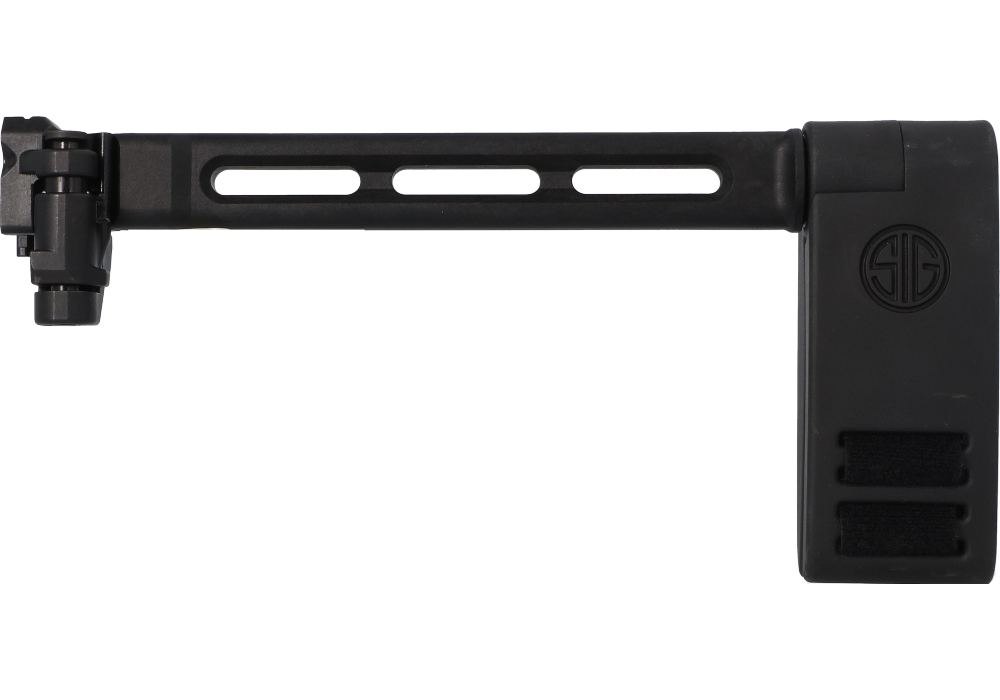
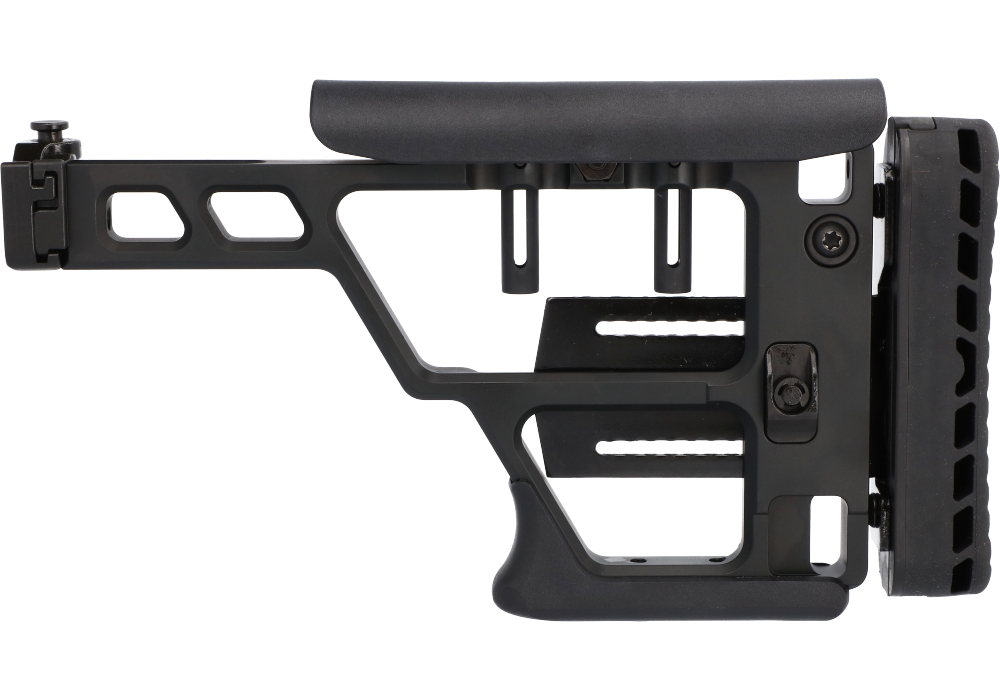
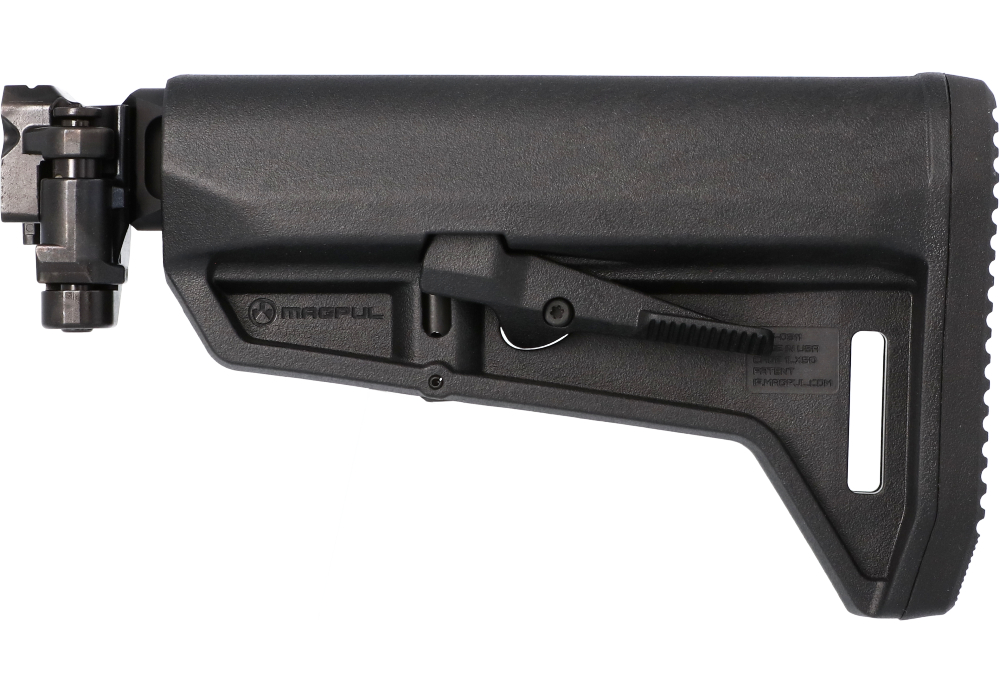
Folding braces for target shooting are designed for shooters who want a more controlled, adaptable setup without giving up the compact handling that makes a large-format pistol, pistol-caliber carbine, or personal defense weapon convenient to transport. Attached at the rear of a compatible firearm, a brace can provide an additional point of contact and help steady the platform during deliberate fire, especially when shooting from an unsupported position or working through a series of targets. Folding designs add another practical advantage: the brace can fold alongside the firearm for a slimmer profile during storage and transport, then return to its locked position when the firearm is prepared for use. That can make a noticeable difference when packing a range bag, fitting a firearm into a vehicle case, or organizing a safe where every inch matters. Shooters who spend cooler mornings at an outdoor range, move between benches and steel bays, or keep a compact platform ready for training often appreciate the balance between stability and portability. These braces may also suit experienced range enthusiasts looking to refine an existing setup, new owners building a compact target-shooting platform, or a family member searching for a thoughtful gift for someone who enjoys responsible recreational shooting. As with any firearm accessory, the right choice begins with the intended platform, shooting style, and applicable regulations rather than appearance alone.
Compatibility is the most important consideration when selecting a folding brace. Rear attachment systems vary, and a brace must match the firearm’s interface to install correctly and function as intended. Some platforms use a 1913 Picatinny rear rail, while others require a direct adapter or a platform-specific mounting solution. Confirm the firearm model, rear rail configuration, adapter requirements, and available clearance before purchasing. A brace that appears similar to another may not attach securely if the interface, hinge position, or mounting hardware differs. It is also worth considering the folded and extended dimensions in relation to the firearm, case, optic, charging handle, and other accessories. A compact folded profile can simplify transport, but the folding mechanism still needs sufficient clearance to operate without contacting the receiver, magazine, sling hardware, or controls. Weight is another practical factor. Folding hardware adds some weight compared with a fixed rear component, and that change may be noticeable on a lightweight platform or during extended practice sessions. Length of pull and overall shooting position deserve attention as well, since the brace should complement the shooter’s reach and allow a natural, repeatable stance. Before heading to the range, inspect the attachment and locking surfaces, verify that fasteners are properly secured according to the manufacturer’s specifications, and confirm that the folded and deployed positions move smoothly without unwanted play. A dependable lockup should feel firm rather than loose, with a hinge that resists flex under normal use. Steel or robust aluminum hinge components are often selected for their durability, while the material and construction of the brace body can influence weight, comfort, and long-term wear. Polymer components may help reduce weight, but the complete design, hinge quality, locking method, and fit are more meaningful than any single material label.
For shoppers comparing folding braces for target shooting, it helps to think about the complete experience from the first case opening to the last round of a range session. A well-matched brace should fold neatly for transport, deploy with a clear and secure lockup, and provide consistent support without creating unnecessary bulk. It should also fit the firearm’s intended role, whether that means slow, precise work on paper targets, controlled practice with a pistol-caliber platform, or informal target shooting with friends during the warmer and cooler parts of the year. Look for clear specifications, durable attachment hardware, a hinge designed for repeated operation, and a profile that works with the rest of the firearm rather than competing with it. Shooters who already own multiple compact platforms may want to compare interfaces across their collection, while first-time buyers should prioritize confirmed compatibility over universal-sounding descriptions. Those purchasing a brace as a gift can make the selection more personal by matching the recipient’s firearm platform, range bag, preferred shooting position, and interest in compact storage, while avoiding assumptions about fit. A gift receipt or an opportunity to exchange the accessory can be helpful when the exact rear rail or adapter is unknown. Always use the firearm and accessory in accordance with the manufacturer’s instructions and all applicable federal, state, and local laws, which can change and may differ based on configuration and intended use. For shoppers exploring related options, Folding Braces for Personal Defense Weapons offer another category to consider when compact storage, quick deployment, and a secure rear mounting solution are priorities. With careful attention to fit, hinge construction, folded dimensions, and lawful use, a folding brace can become a practical part of a thoughtfully assembled target-shooting setup.