Getting started in USPSA is often less about having a perfect setup and more about arriving with dependable equipment, a clear understanding of range procedures, and a willingness to learn. Local Level 1 matches are typically the most approachable entry point, offering a practical way to experience stages, scoring, movement, and squad-based competition without the pressure of a major event. To find a nearby match, use the USPSA Match Finder, browse regional clubs through the USPSA Club Finder, or create a free PractiScore account to view calendars, register for events, and select a squad. Match schedules can shift with weather, range availability, and seasonal club activity, so review the event details carefully and contact the match director before registering if it is your first time. A short message introducing yourself helps the staff prepare, and it gives you an opportunity to confirm equipment requirements, ammunition guidance, arrival times, and any local procedures. Many local matches do not require paid USPSA membership for a first visit, though membership, classification, and division rules can vary. Arriving early allows time for check-in, a safety briefing, equipment inspection, and a relaxed introduction to the other competitors. Let your squad know you are new, listen closely to the range officer, and treat the first match as a chance to build safe habits rather than chase a fast score. The same fundamentals that help on match day also apply during any range visit, and First Time at the Shooting Range offers additional preparation for those who are still becoming familiar with range etiquette and routine.
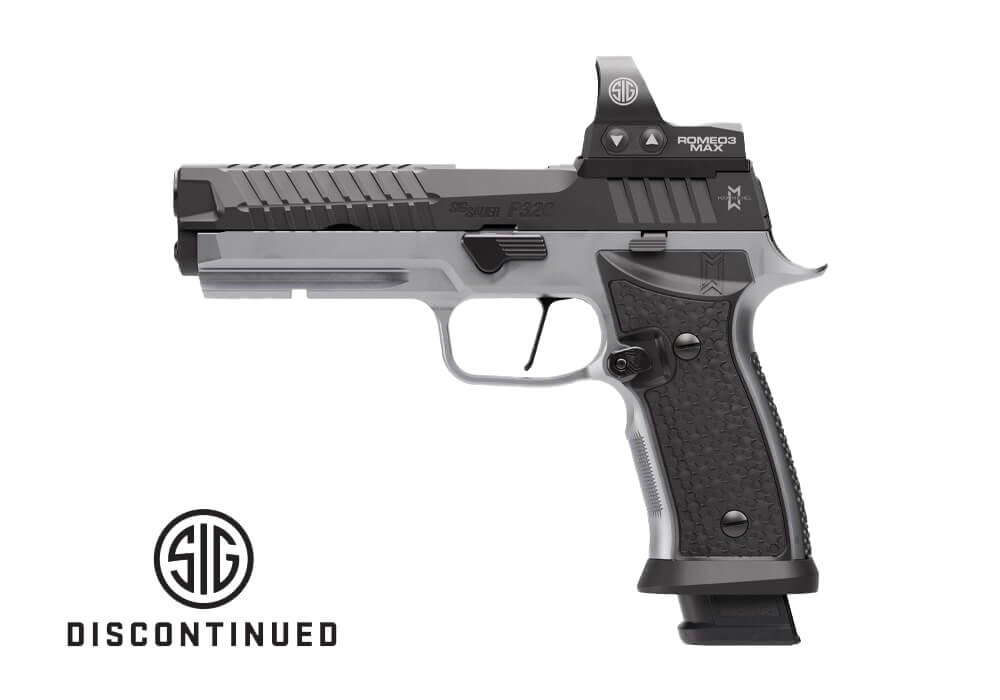
A practical USPSA setup begins with a reliable handgun that fits the shooter’s hands, operates consistently, and can be carried in a secure holster that fully covers the trigger guard. A sturdy belt helps keep the holster and magazine pouches in a predictable position as the shooter walks, turns, and moves between stages. For a first local match, plan to bring at least three to six magazines along with two to four magazine pouches, giving you enough equipment to prepare for several stages without rushing between shooting and loading areas. Magazine selection should match the handgun and division, with standard or extended magazine options considered according to the match rules and the shooter’s comfort. Bring 200 or more rounds of suitable factory ammunition for a typical local match, then add extra ammunition for sight-in, reshoots, chronograph requirements when applicable, or an unexpectedly busy day. A range bag with separate compartments can keep loaded magazines, empty magazines, ammunition, tools, and personal items organized, while a small notebook or phone app can help track equipment, stage notes, and lessons learned. Eye and ear protection are essential, and a brimmed hat, sunscreen, water, and weather-appropriate clothing can make long hours outdoors considerably more comfortable during the cooler months. Gloves may help some shooters manage cold mornings or rough equipment, while a compact first-aid kit and basic maintenance supplies are sensible additions for any range outing. These items can also be thoughtful gifts for a new shooter, a recreational range visitor, or a family member preparing for a first match, especially when selected to support comfort, organization, and safe handling rather than appearance alone.
Safety remains the foundation of every USPSA match. Keep the handgun unloaded and secured in its bag or case until you reach the designated safety area or receive a direct instruction from a range officer. Live ammunition should never enter a safety area, and the handgun should only be handled when permitted by the range rules or under the supervision of the appropriate official. At the firing line, follow commands exactly, keep the muzzle pointed in a safe direction, keep your finger outside the trigger guard until you are ready to fire, and maintain awareness of people, barriers, and equipment around you. A secure holster, firm belt, and properly positioned magazine pouches support these habits by keeping gear stable and reducing unnecessary handling. During the match, focus first on safe movement, consistent grip, clear sight alignment, and accurate hits. Speed develops naturally as the shooter becomes familiar with stage layouts and range commands; rushing before those fundamentals are settled can create confusion and interfere with an otherwise enjoyable experience. New competitors can learn a great deal by observing experienced shooters, asking respectful questions between stages, and helping with scoring, brass collection, or other squad tasks when appropriate. Keep water nearby, pace yourself, and expect a mixture of bright outdoor stages, shaded bays, and changing conditions as the season progresses. With dependable gear, sufficient ammunition, and a patient approach, a local USPSA match can become a welcoming way to practice firearm handling, meet other enthusiasts, and build confidence one stage at a time.