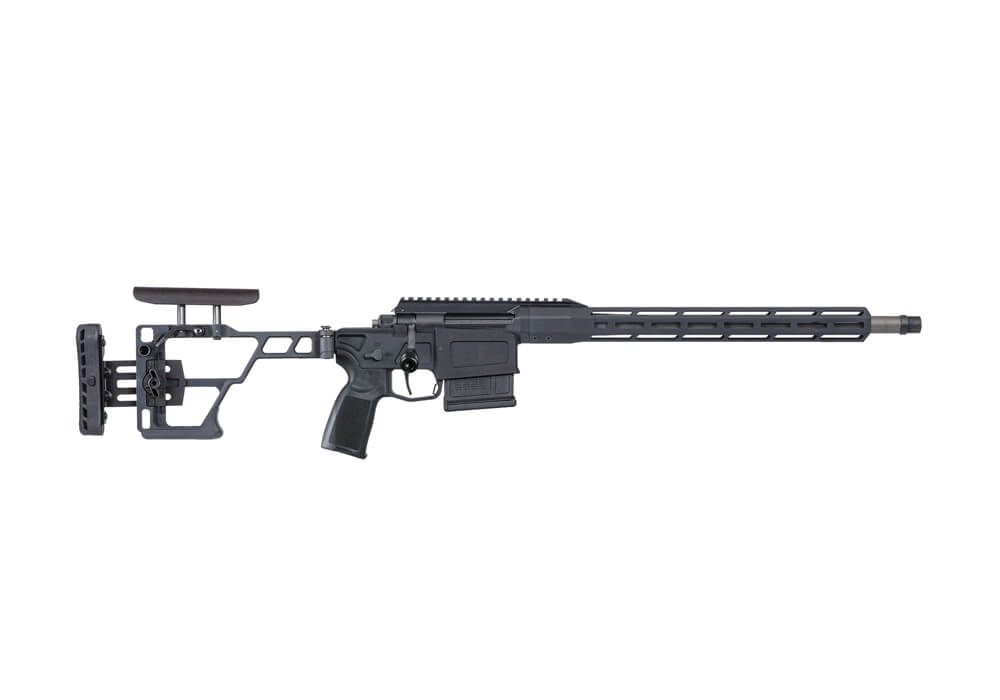
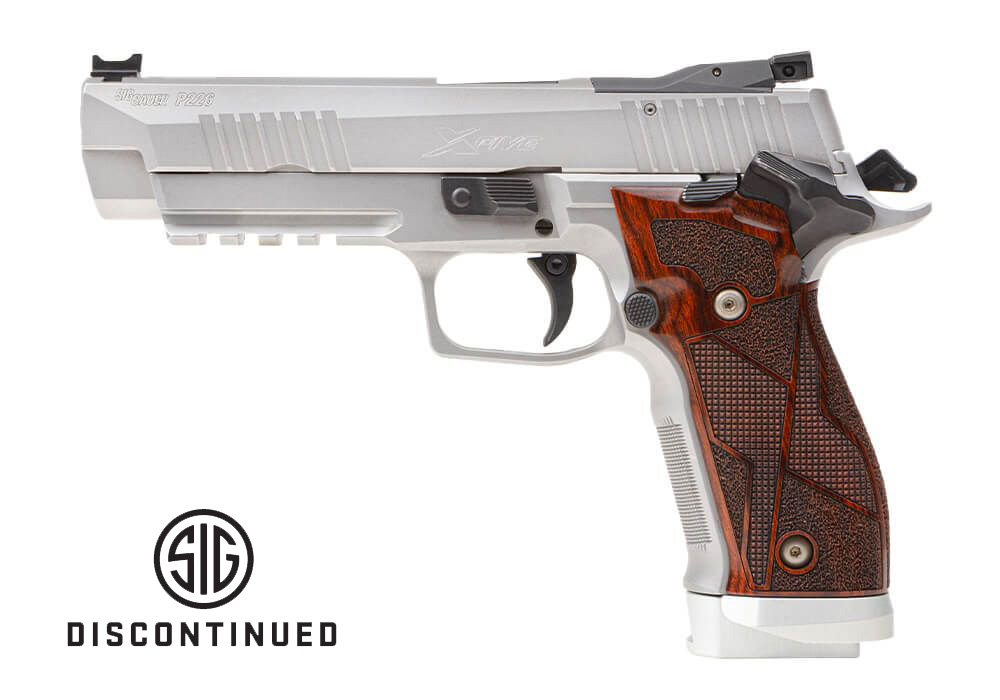
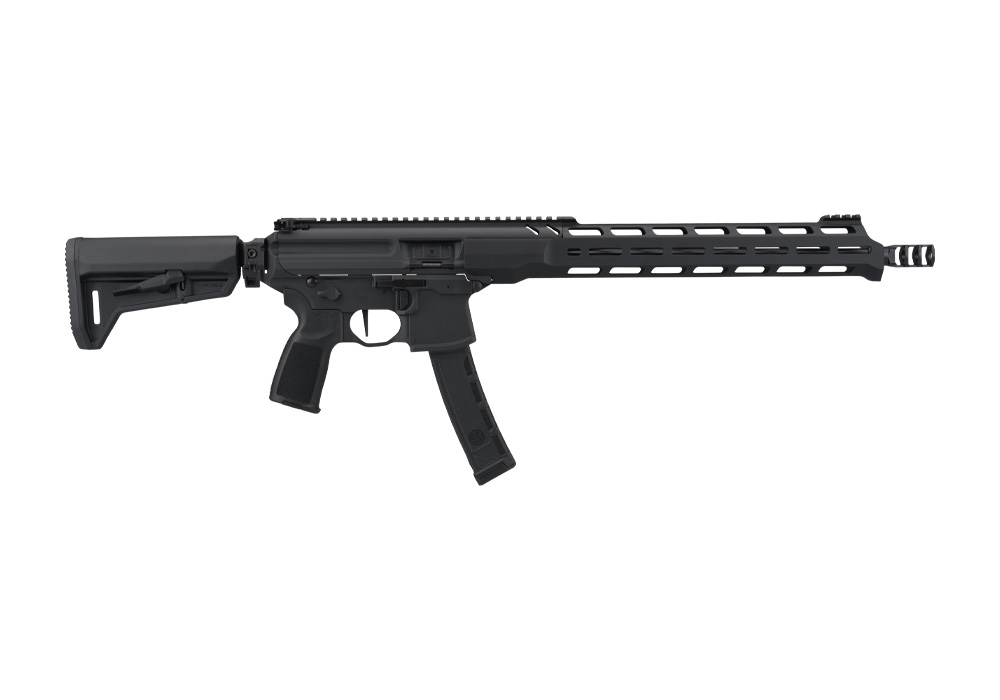
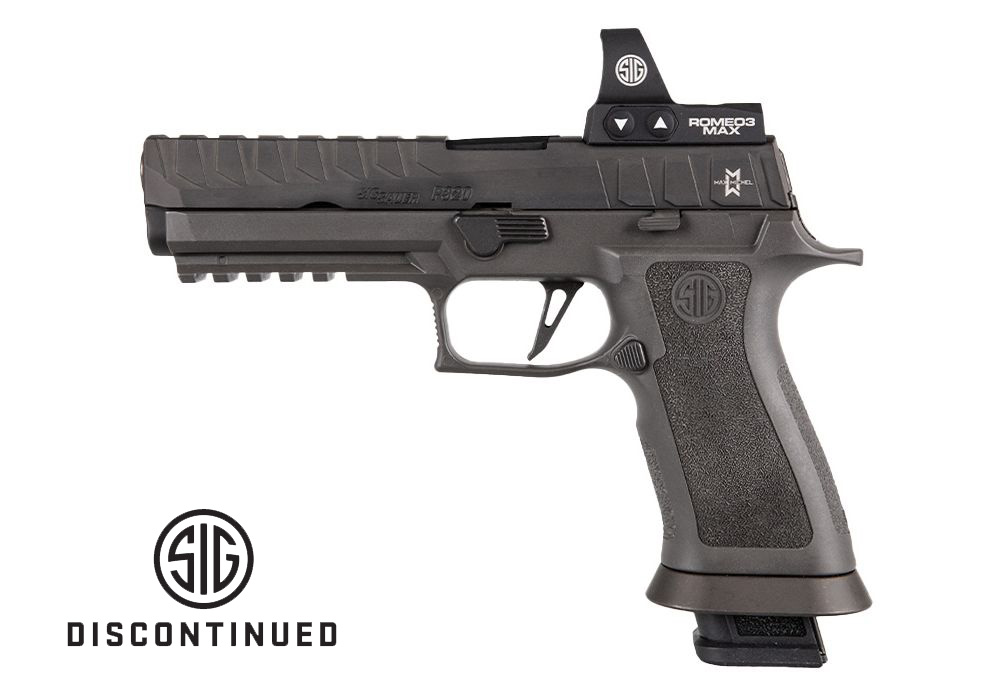
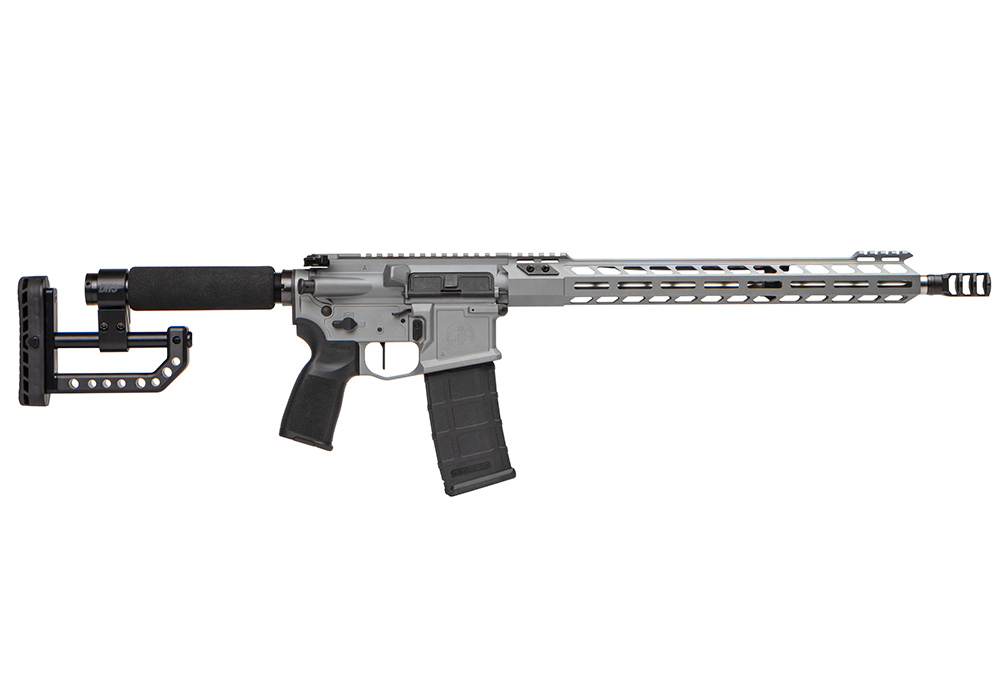
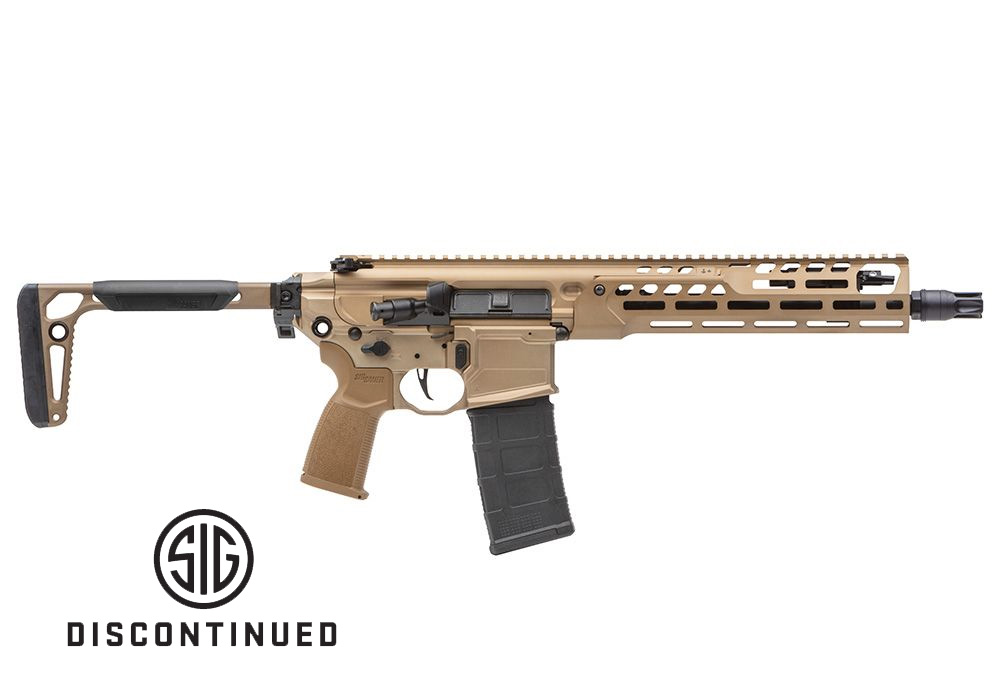
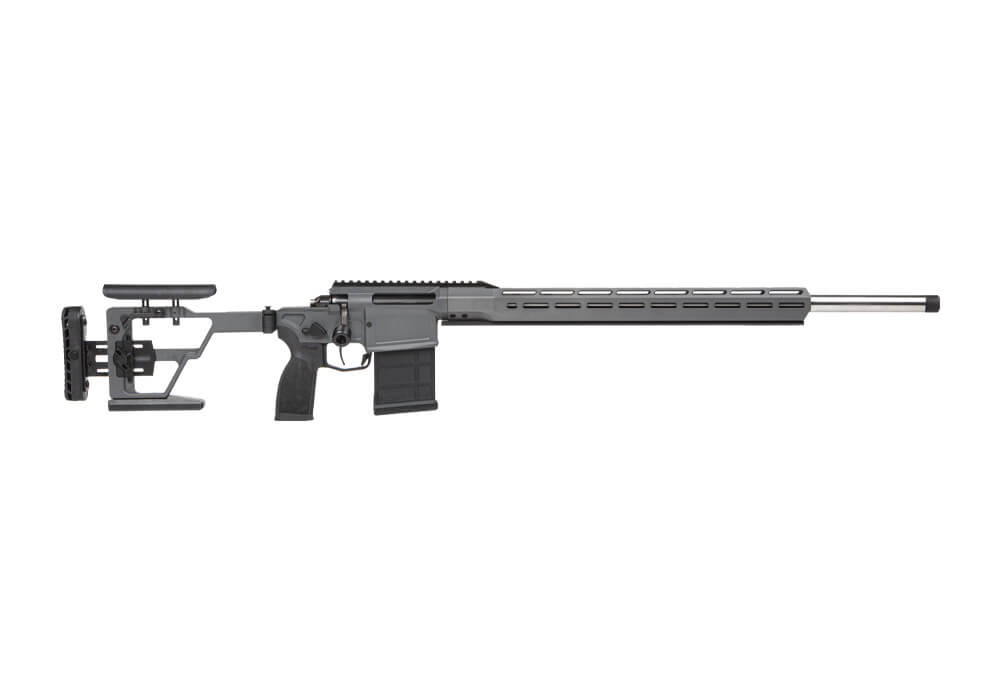
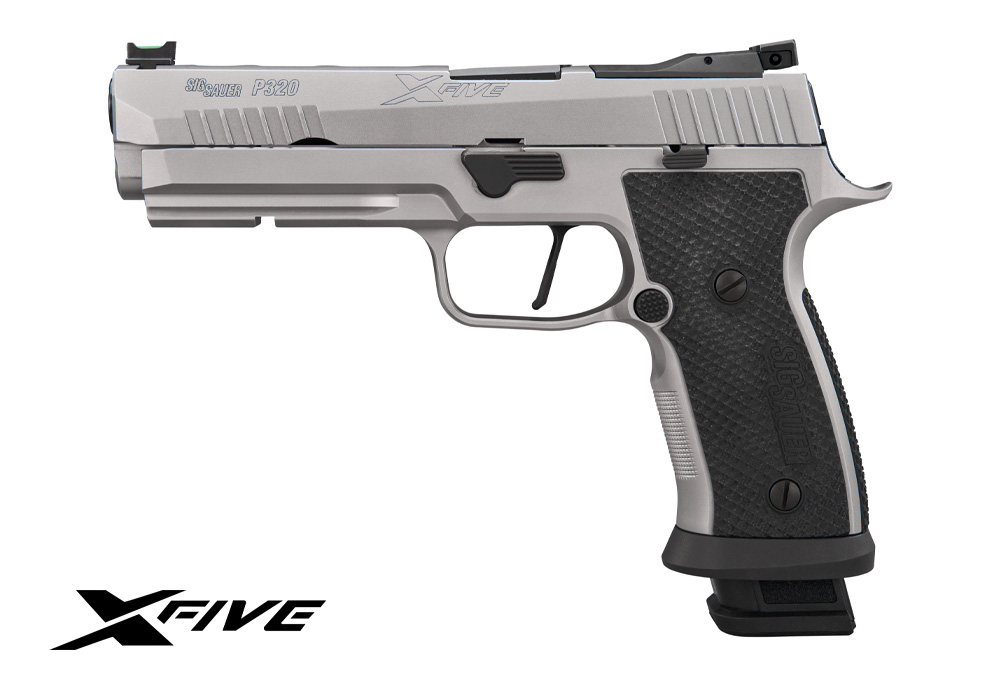
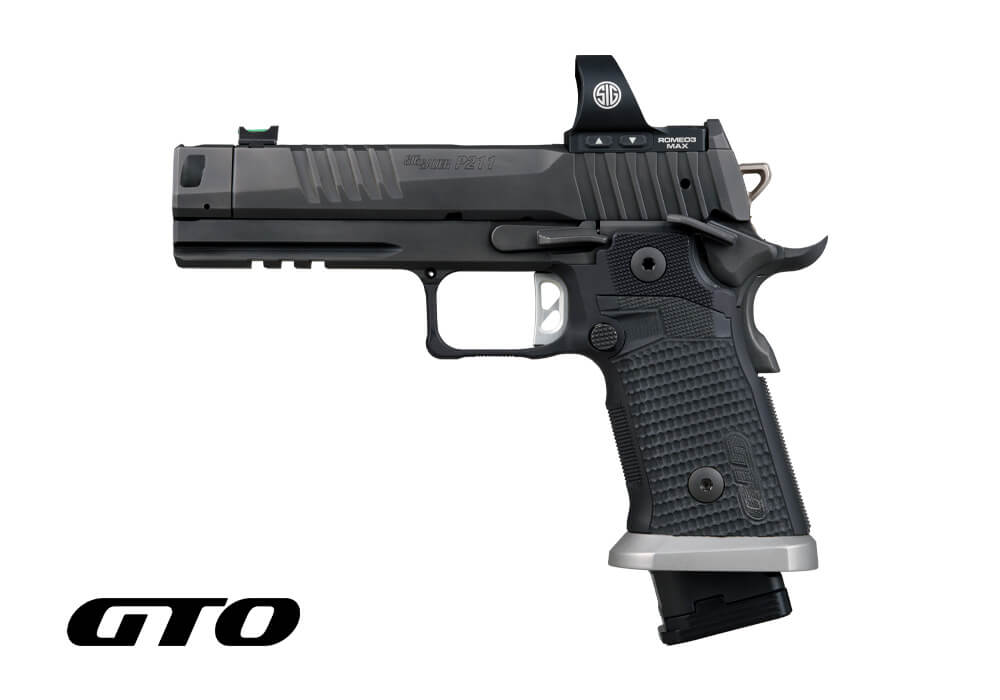
Factory gun competition rules are designed to place competitors on a relatively even footing by requiring catalog firearms to remain close to their original configuration. In many divisions, the firearm must come from an established production line rather than being a prototype, one-off build, or heavily altered competition project. Eligibility may depend on overall dimensions, weight, barrel length, sighting system, trigger characteristics, operating controls, and the continued function of every required safety feature. Because each sanctioning organization and match can publish its own rulebook, shoppers should confirm the division before selecting a firearm or accessory. A model that qualifies for one production division may fall into another class after a sight change, trigger adjustment, grip alteration, or other modification. The safest starting point is to review the current rules for the event, identify the approved division, and then compare those requirements with the firearm’s factory specifications. Competitors often keep a printed or digital copy of the rules with their range equipment, especially when traveling to an unfamiliar venue. This simple habit can clarify questions about barrel length, external dimensions, magazine limits, holster position, and permitted replacement parts before match day. Firearms selected for competition should be reliable, comfortable to operate, and easy to verify during inspection. A crisp sight picture, controls that can be reached without shifting the firing grip, and a grip shape that remains secure through repeated strings can all contribute to consistent performance. The goal is not simply to assemble the most elaborate setup; it is to choose equipment that fits the division and supports repeatable handling under the pace and pressure of a timed course.
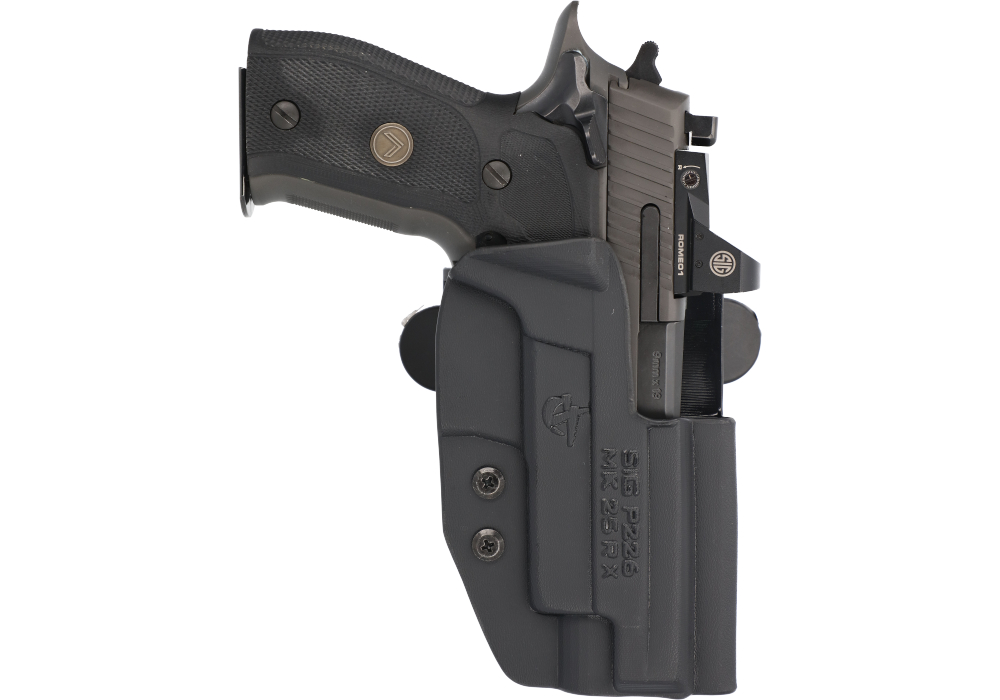
A competition-ready equipment list usually begins with an eligible production firearm, at least four serviceable magazines, magazine pouches, a secure belt, and a holster that fully covers the trigger guard and keeps the firearm firmly in position. Some matches specify the number of magazines that may be carried, while others set limits on magazine length, ammunition count, or placement on the belt. Standard or extended magazine options should be evaluated only after confirming that they comply with the division’s rules and the stage requirements. Pouches should hold magazines securely while allowing a consistent grip, and their position should support an efficient reload without interfering with movement. A holster should retain the firearm during walking, running, and changes of direction, while still allowing a deliberate, controlled presentation when the range officer gives the appropriate command. Eye protection with side coverage and properly fitted ear protection are essential parts of the setup, whether the match takes place outdoors or on an indoor range. Comfortable footwear, weather-appropriate clothing, a sturdy range bag, a chamber flag when required, and a small supply of approved maintenance items can also help keep the day organized. Competitors who practice during the cooler months often appreciate gloves that preserve tactile control, while those training as the weather warms may prefer breathable layers that do not interfere with the belt or holster. These details may seem minor during a quick equipment check at home, yet they become meaningful after several stages, long periods of standing, or a full day spent moving between bays. For a clear starting point, review the selection of Firearms for Competitive Shooting alongside the rules for the organization hosting the event, then confirm that every accessory remains within the permitted configuration.
The same careful approach applies when choosing equipment for a new competitor, an experienced shooter, or a relative who enjoys structured range practice. A firearm or accessory can be a thoughtful gift when the recipient’s division, handedness, preferred grip size, and existing equipment are known, but rule compatibility should come before appearance or convenience. Eye and ear protection, magazine pouches, a quality belt, range storage, and other universal items are often easier to select as gifts because they can support practice across several disciplines. Firearms and holsters require more attention: fit, control layout, retention method, and local purchasing requirements may all affect whether a particular option is appropriate. Anyone purchasing a firearm should follow all applicable laws, transfer procedures, storage practices, and training recommendations. New competitors can benefit from handling the unloaded firearm under supervision, learning the range commands, and practicing a consistent loading, unloading, and holstering routine before entering a match. Experienced competitors may focus on refining small details, such as sight visibility, grip texture, belt placement, or the balance between carrying spare magazines and keeping the setup streamlined. A pre-match inspection should confirm that safety mechanisms work as intended, magazines feed properly, screws and fasteners are secure, and the firearm remains within the division’s limits. Range officers may inspect the firearm, holster, magazines, and other equipment before competition begins, and they may require changes when a setup does not comply. Rules can also change between seasons or organizations, so checking the current event materials remains important even for familiar equipment. Thoughtful preparation allows competitors to arrive with confidence, concentrate on safe movement and accurate shooting, and enjoy the steady rhythm of a well-organized match from the first stage through the final equipment check.