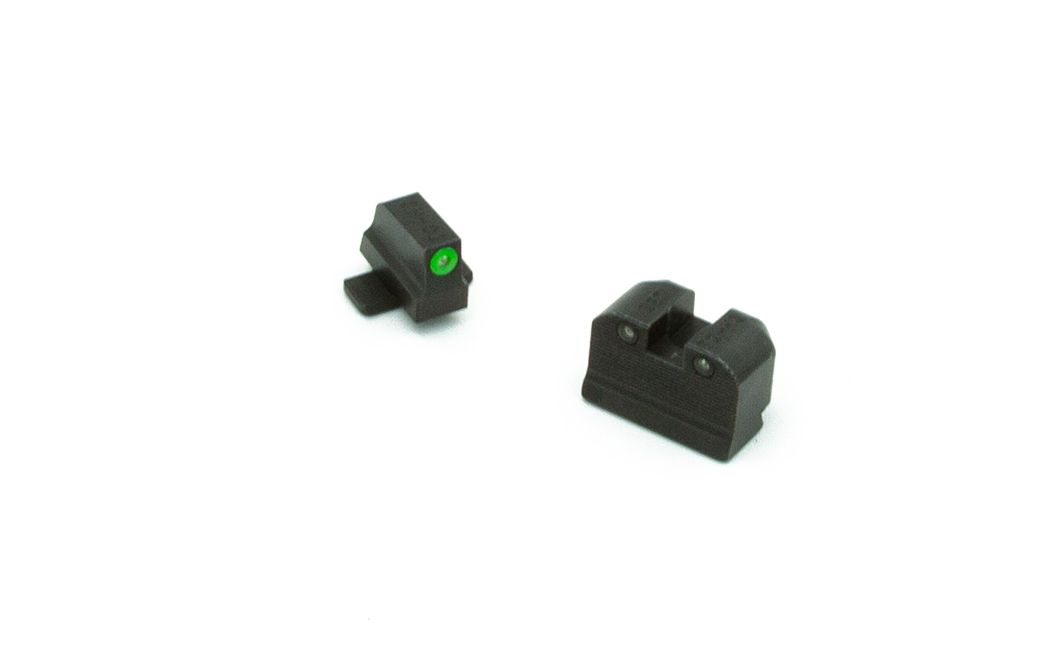
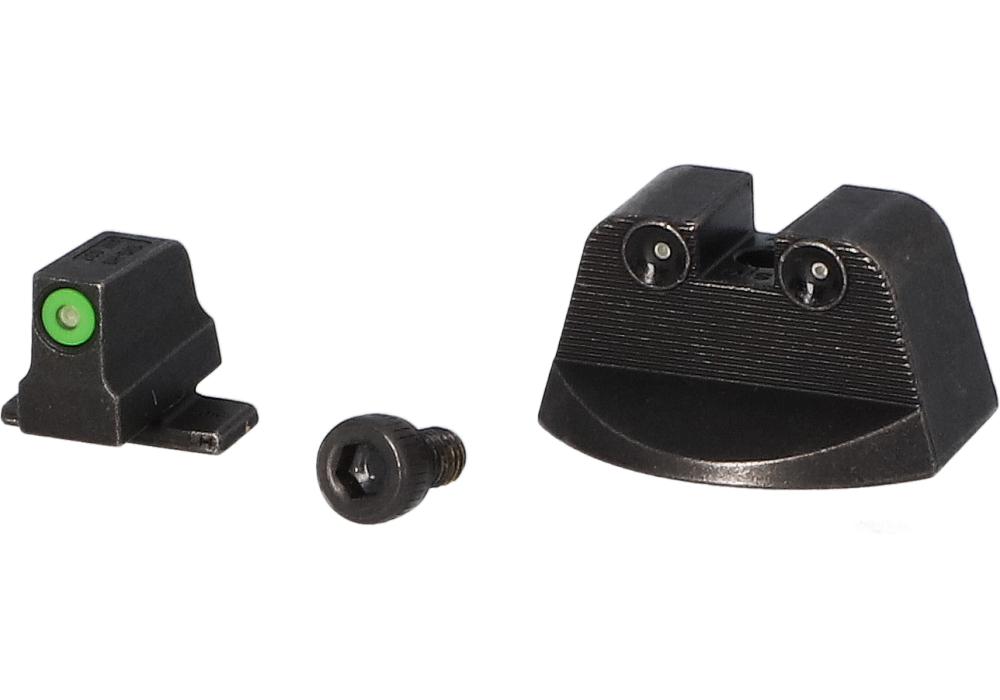
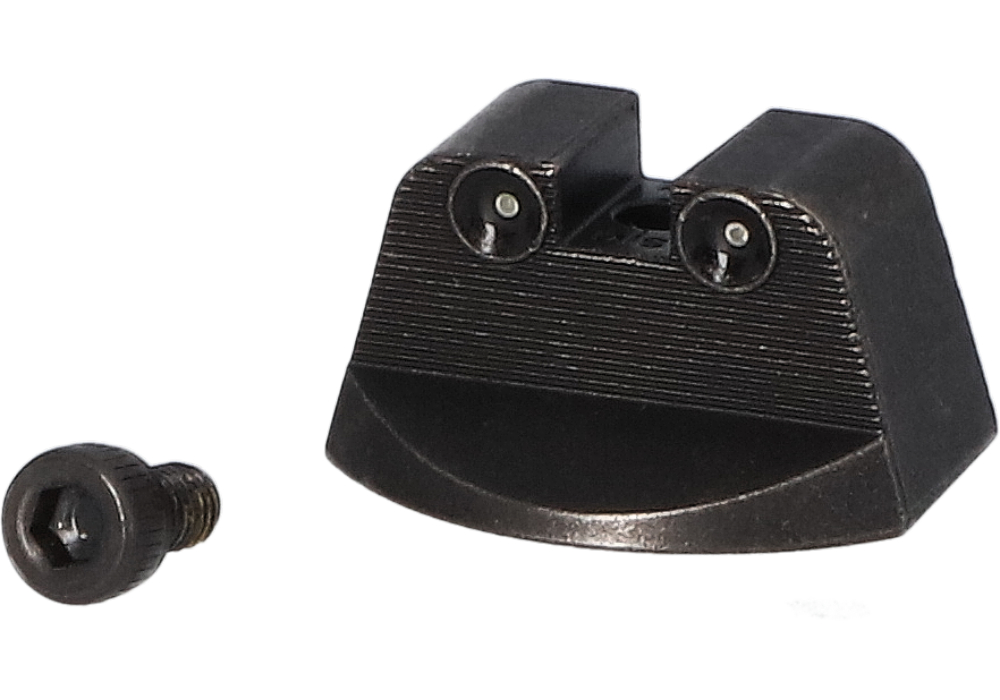
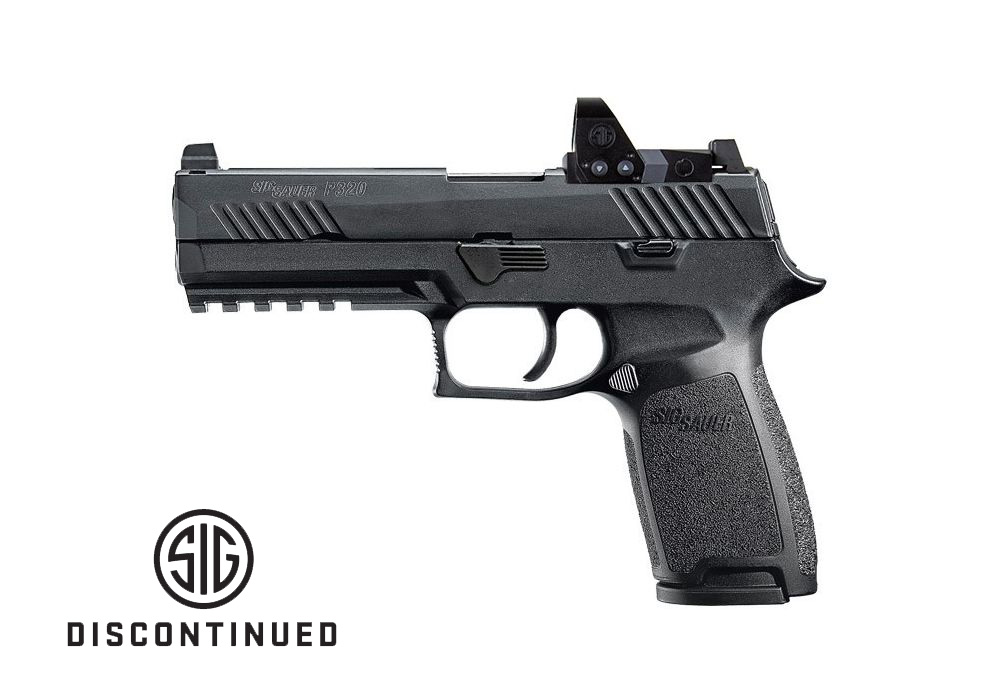
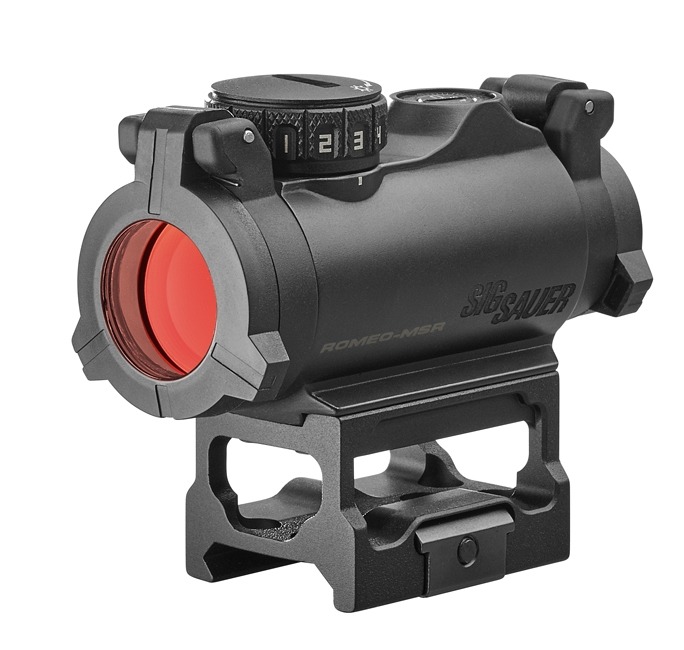
Glow sights are illuminated aiming markers designed to help a shooter find a firearm’s sight picture in changing or reduced-light conditions. They are commonly used on pistols and rifles for range practice, personal protection, duty applications, and nighttime handling, although no sight can replace a safe target identification process or sound firearms training. The term “glow sights” can describe several different technologies. Tritium sights use a self-luminous source that glows continuously without batteries or external charging, making them useful when a firearm moves from a bright environment into a dim room or when there is little available light. Fiber-optic sights gather ambient daylight and concentrate it into a bright aiming point, often making the front sight easier to see on an outdoor range or during fast-paced practice. Photoluminescent sights absorb energy from sunlight or artificial light and release it gradually in darkness; their glow can be vivid after charging and then fade over time. Understanding these differences helps shoppers choose an aiming system that matches the way a firearm is stored, carried, practiced with, and used. For daytime visibility in bright outdoor settings, shoppers may also compare glow sights with Green Dot Sights With High Light Transmission, particularly when selecting an optic or aiming solution intended to provide a prominent point of aim across varied backgrounds.
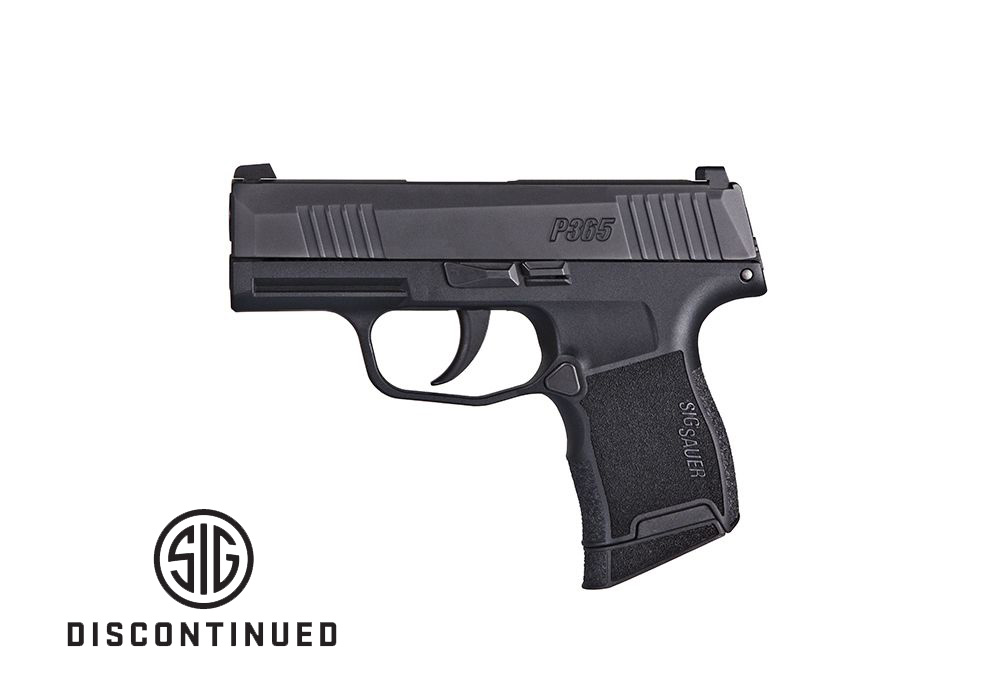
When comparing glow sights, start with firearm compatibility and sight dimensions rather than appearance alone. Pistol and rifle sight cuts are not universal, and even sights intended for the same general firearm category may differ in height, mounting pattern, profile, or intended configuration. Confirm the exact make, model, generation, and factory sight arrangement before ordering, and check whether the sight set is intended for a standard or extended capacity configuration where applicable. Sight height can affect point of impact, the relationship between the front and rear sights, and whether the firearm’s existing holster remains suitable. A low-profile design may be preferable for concealed carry or for reducing snag points during presentation, while a more pronounced front sight can be easier to acquire during deliberate practice. Color and contrast also matter. Green, yellow, and orange elements can present different levels of visibility depending on the shooter’s eyes, the target background, and the surrounding light. A bright fiber-optic element may stand out beautifully on a sunny range but offer little or no illumination in complete darkness. Tritium remains visible without charging, but it is not intended to illuminate a room or identify a target. Photoluminescent materials require exposure to light and may be a practical choice for users who routinely keep equipment near a lamp, safe light, or other charging source. These distinctions are especially important for anyone replacing factory sights, setting up a first defensive handgun, or preparing a rifle for use during the cooler months when outdoor sessions may begin in daylight and end near dusk.
Glow sights can be a thoughtful gift for a responsible adult who already owns a compatible firearm and has a clear plan for training, maintenance, and secure storage. They may suit a new handgun owner learning to establish a consistent sight picture, an experienced range shooter refining presentation speed, or a hunter and outdoors enthusiast who values a visible aiming reference as natural light changes. They can also be useful for someone who has noticed that small factory sights are difficult to distinguish against dark clothing, shaded targets, or a cluttered range backdrop. The best gift choice is based on the recipient’s firearm, eyesight, preferred shooting conditions, and intended use, not simply on the brightest-looking option. A gift card or conversation about compatibility may be more practical than selecting a sight set without knowing the firearm’s exact specifications. Installation should be treated as part of the purchase decision. Some sights require a sight pusher, specialized tools, or fitting by a qualified gunsmith, and forcing a sight into place can damage the slide, dovetail, finish, or sight itself. After installation, the firearm should be checked for secure fit, verified at the range, and re-zeroed as needed. Use an appropriate backstop, follow all local laws and range rules, and keep the firearm unloaded and secured whenever it is not being handled. With the right match between technology, firearm, and conditions, glow sights can provide a clean, visible reference that supports consistent alignment from bright afternoon practice through the dimmer light of evening.