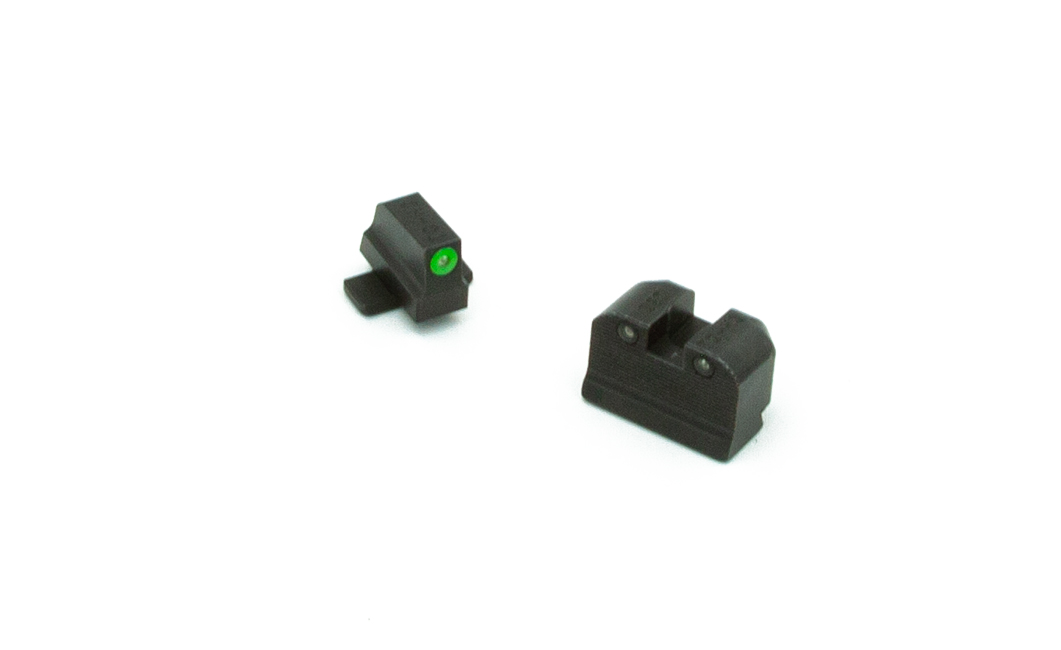
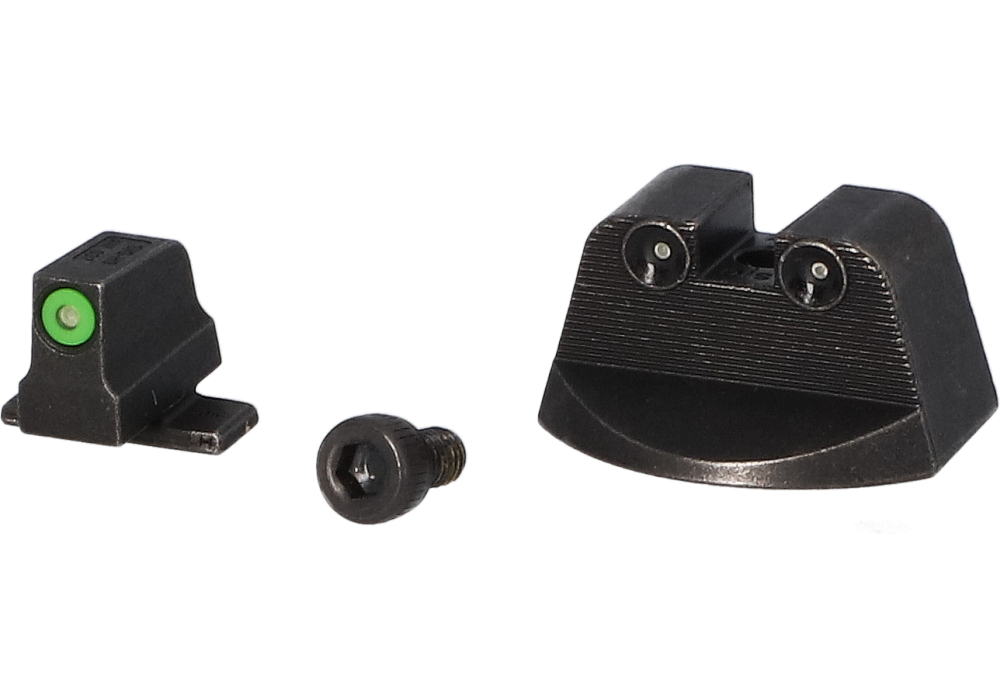
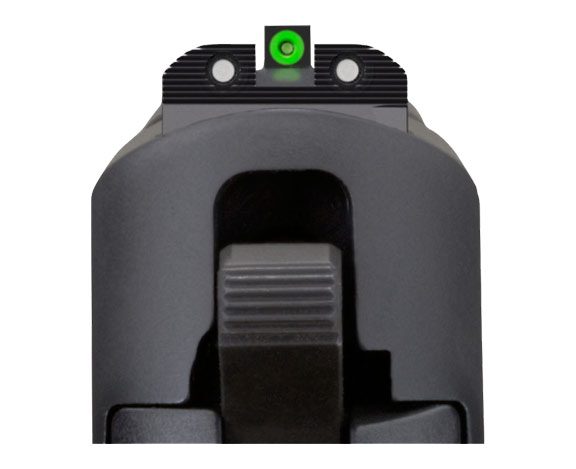
High-visibility sights help shooters locate the aiming reference and align it with a target by using bright colors, light-gathering elements, self-illuminating inserts, or distinctive shapes. Their purpose is to make the sight picture easier to recognize, especially when a small front blade would otherwise blend into a dark target or a visually busy background. Fiber-optic sights gather available light along a translucent rod, creating a bright point at the end facing the shooter. They depend on ambient light, so their appearance changes with the lighting around them. Tritium sights use sealed, self-illuminating elements that remain visible in low light without batteries, although that illumination does not light the target or establish what is beyond it. Painted outlines, contrasting rings, and geometric markings provide another approach, helping the eye distinguish the front sight from the rear sight through color and shape. These features can appear separately or together, and each creates a different visual impression. A broad, bright front reference can be easy to find against a dark paper target, while a narrower front blade can leave more of a small scoring area visible. Rear-sight design matters just as much: a plain rear notch keeps visual attention on the front, while dots or other rear markings provide additional alignment references. Neither arrangement is universally better. The useful balance depends on eyesight, target size, shooting distance, and the amount of detail a shooter wants in the sight picture. A color that looks vivid against a light-colored wall may be less distinct against another background, which is why contrast matters more than brightness alone. For range practice, organized competition, or lawful carry, high-visibility sights offer different ways to make an aiming reference more recognizable. They do not replace sound fundamentals, appropriate vision correction, or clear target identification; they support a sight picture that the shooter can interpret consistently.
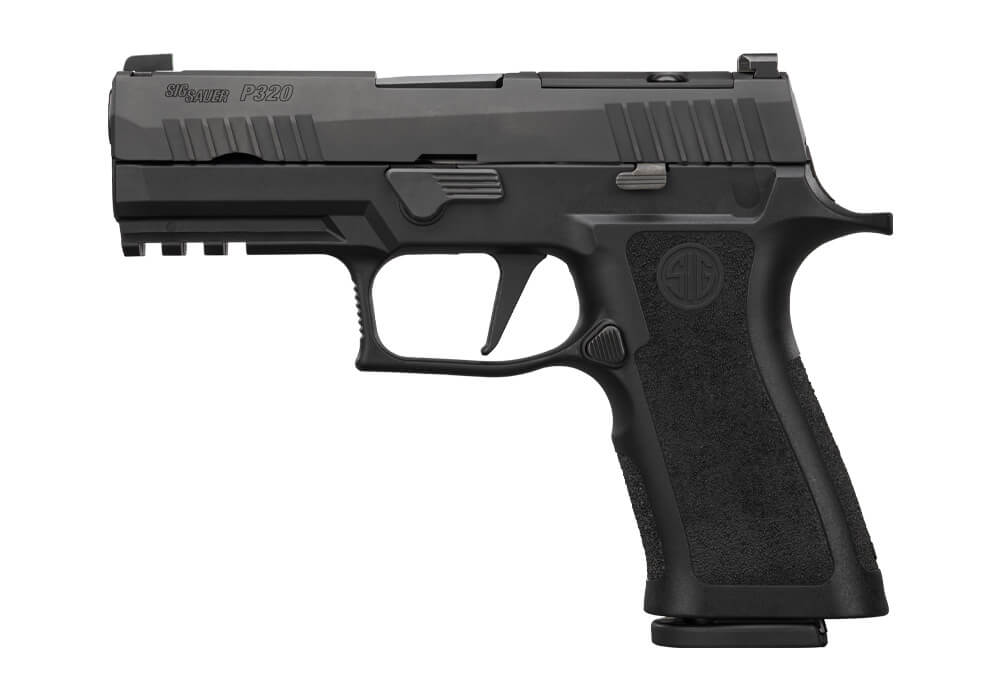
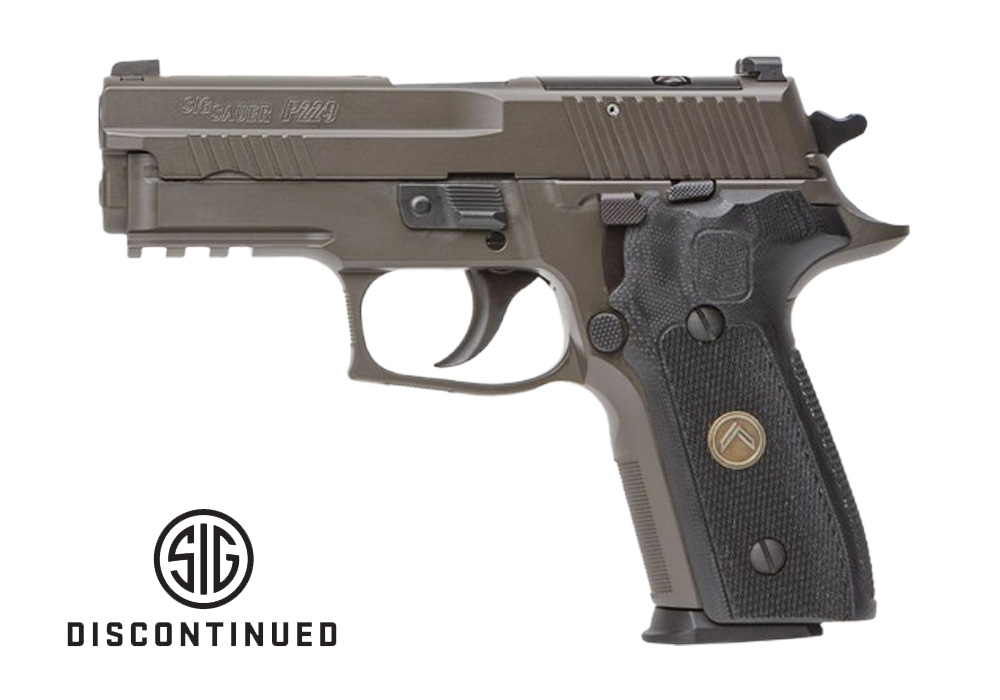
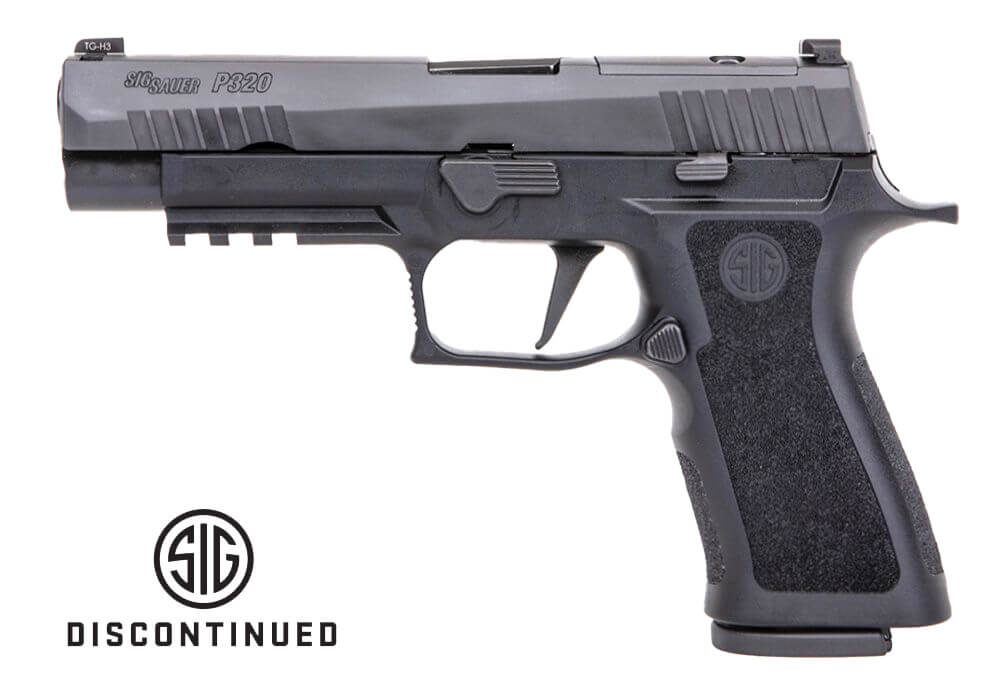
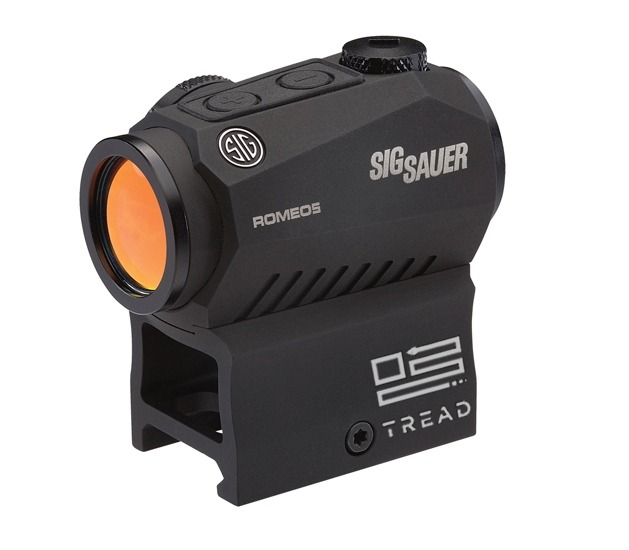
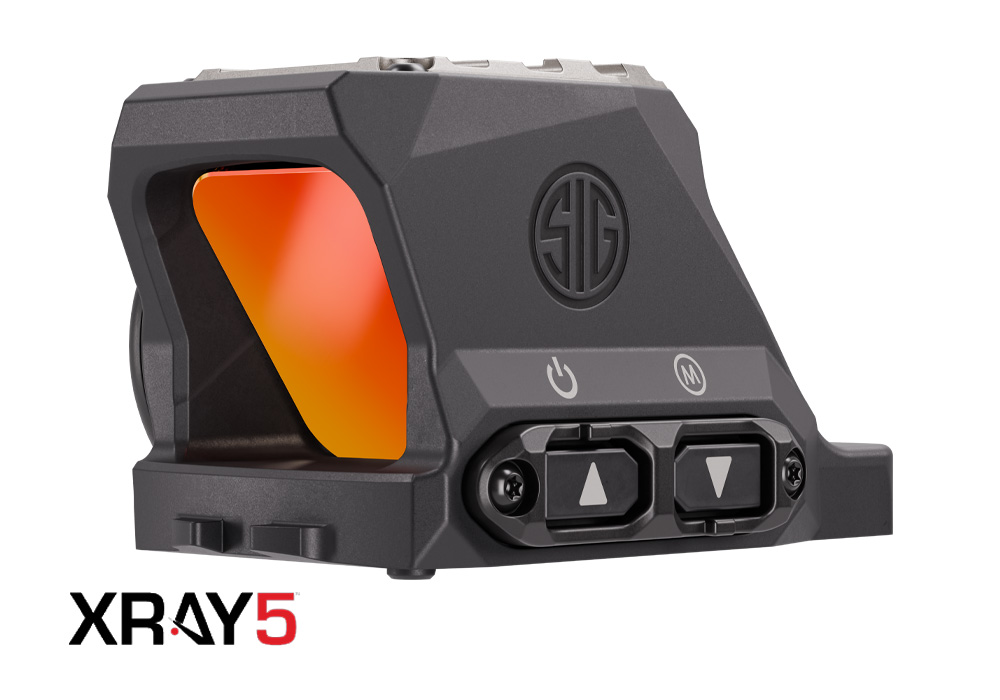
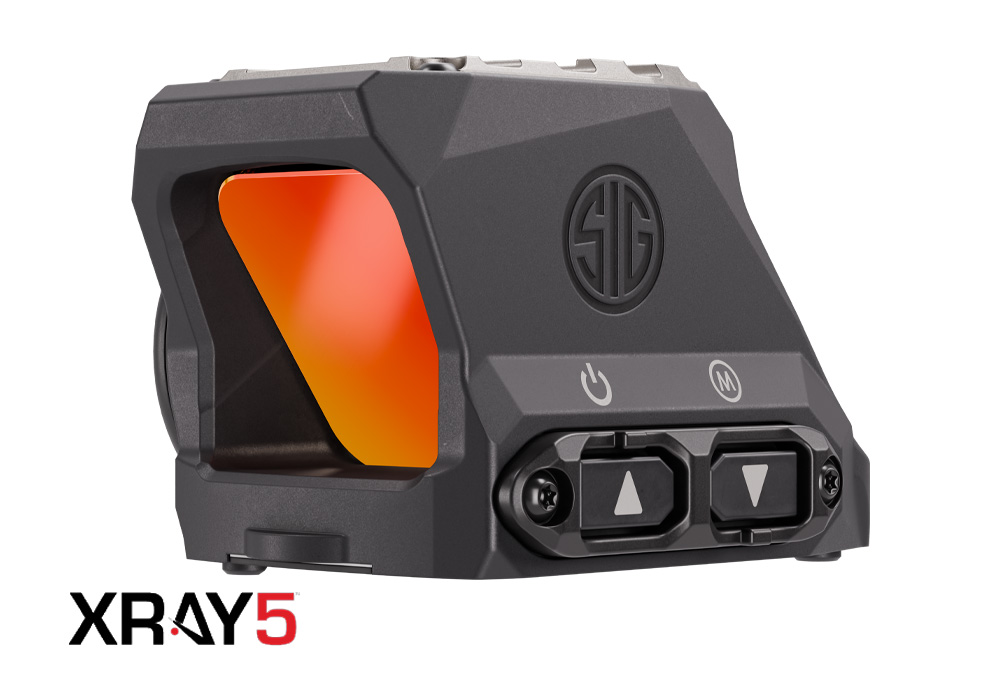
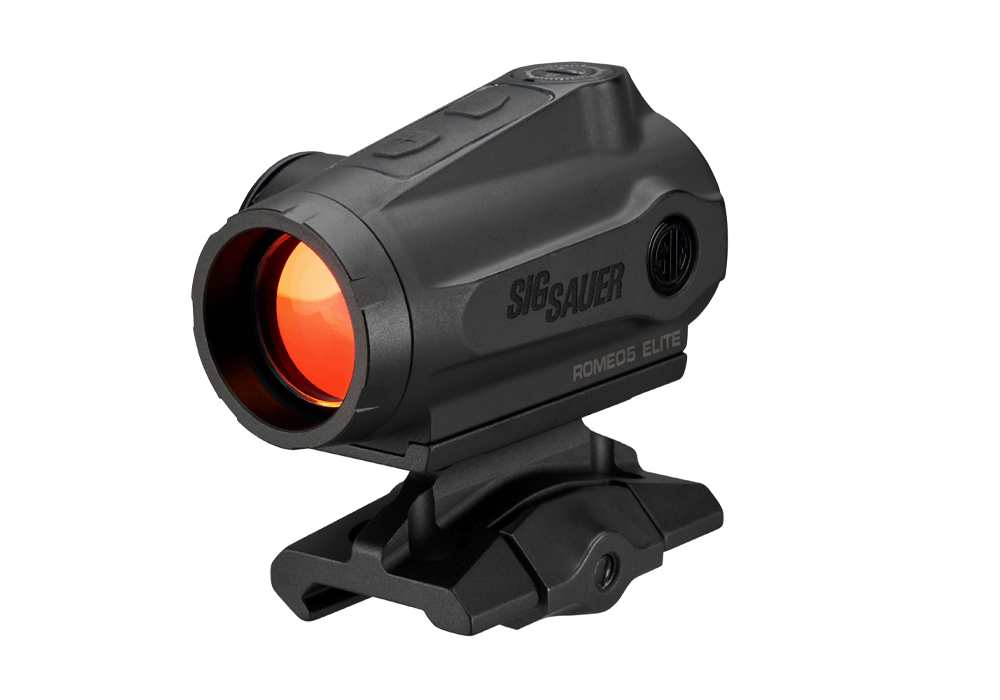
Fit determines whether those visual benefits translate into a useful sighting setup. Firearm compatibility involves more than a general description such as pistol sights or rifle sights. The attachment method, mounting dimensions, front and rear heights, and the configuration of the firearm all affect suitability. Even closely related platforms can use different sight interfaces, so compatibility information needs to match the exact firearm configuration. Front and rear sights also need to function as a coordinated set; mixing components with different intended heights can change where the firearm prints on the target relative to the aiming point. Sight height becomes especially important when an optic is part of the setup. Some iron sights sit low and unobtrusive, while taller configurations may remain visible through an optic’s window when the firearm and mounting arrangement support that relationship. Extra height also changes the profile of the firearm and can affect holster clearance. For shoppers considering an illuminated aiming reference rather than conventional front-and-rear alignment, High Visibility Red Dot Sights represent a related category with different fit and viewing considerations. These optics present an aiming reference within a viewing window, and electronic versions typically require attention to battery maintenance and brightness settings. An excessively bright dot can appear larger or less sharply defined, while a setting that is too dim can be difficult to distinguish against a bright background. The appearance of a dot also varies with individual vision, including astigmatism, so the experience is not identical for every shooter. With either iron sights or an optic, a comfortable, repeatable view matters more than an impressive appearance in isolation. A range shooter working with small bull’s-eyes may value a precise reference with minimal visual clutter, while another shooter may prefer a larger, unmistakable front marker. Professional installation is appropriate when fitting requires specialized tools or an assessment of the mounting interface, and the finished setup still needs confirmation on the range according to the firearm and sight manufacturers’ instructions.
Materials, construction, and care influence how well high-visibility sights retain their usefulness over time. Steel sight bodies are common where wear resistance and a sturdy mounting interface are priorities, while aluminum can reduce weight in designs suited to that material. Protective finishes help resist corrosion, but no finish eliminates the need for routine inspection and appropriate care. The visible element deserves attention as well as the sight body. A fiber-optic rod can become less effective when grime blocks the light reaching it, and an exposed rod may be more vulnerable to damage than one protected by a surrounding structure. Tritium inserts have a finite service life and gradually become dimmer, so their long-term condition differs from that of a painted marking or a replaceable fiber. Protective housings, rounded edges, and secure attachment points all contribute to durability, particularly on a firearm that sees frequent handling or regular holster use. Cleaning should follow the relevant manufacturer’s directions, with attention to whether solvents are compatible with colored markings, light-gathering rods, lenses, and protective seals. Abrasive tools and unsuitable chemicals can harm the very surfaces that provide visibility. Any inspection or maintenance belongs in a safe setting with the firearm unloaded and ammunition kept separate. For a frequent range visitor, easy-to-see references can make practice more comfortable and consistent; for a competition participant, the relationship between front-sight width, rear-notch space, and target detail may be a central consideration. Shooters whose visual preferences have changed over time may also appreciate a different color, outline, or sight profile, without assuming that one design will address every vision concern. As a gift for a responsible firearm owner, sights require unusually careful attention to compatibility and personal preference. Knowing the recipient’s exact firearm configuration and preferred sight picture is more useful than selecting by color alone. A suitable choice brings together clear visual contrast, dependable construction, appropriate fit, and manageable upkeep, giving the shooter an aiming reference that remains familiar through repeated practice.