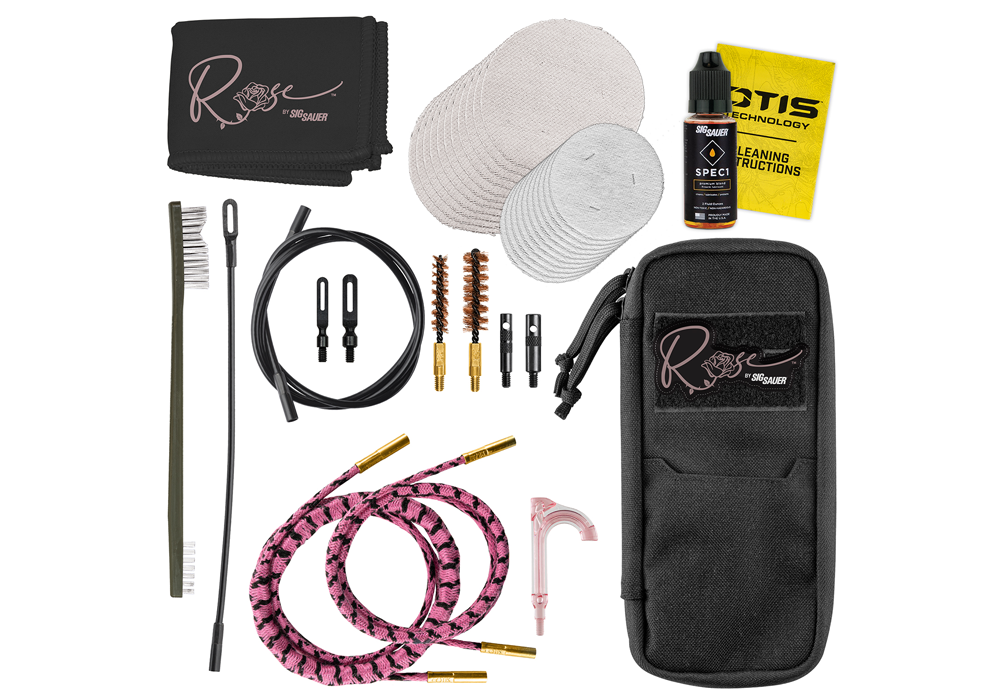
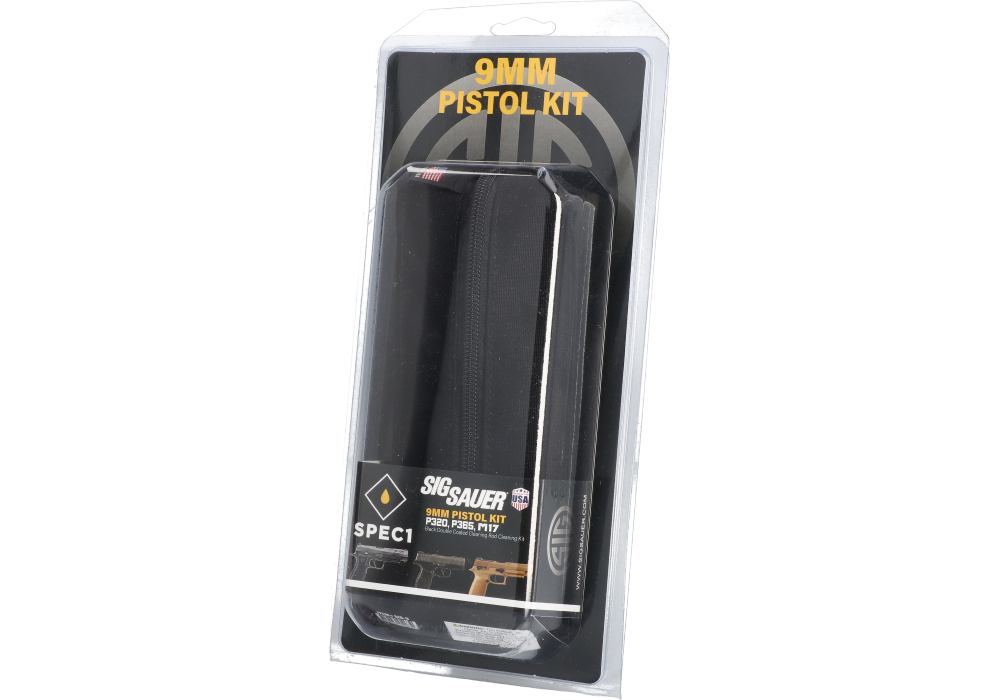
Gun cleaners help remove the fouling, residue, and surface contaminants that accumulate through normal firearm use. Carbon from combustion can collect around the action, breech face, bolt, and other working parts, while lead and copper deposits may build inside the bore as ammunition passes through it. Dust, fingerprints, moisture, and old lubricant can also contribute to corrosion or interfere with smooth operation. A well-chosen cleaner supports a consistent maintenance routine by loosening residue so it can be wiped, brushed, or pushed away without unnecessary effort. Before handling any firearm for cleaning, unload it completely, remove the ammunition from the work area, and verify the chamber, magazine well, and action according to the firearm’s operating instructions. Work in a well-ventilated space, use suitable eye protection and gloves, and consult the owner’s manual for disassembly limits and material compatibility. Gun cleaners are available in several useful formats. All-in-one CLP formulas combine cleaning, lubrication, and corrosion protection for routine wipe-downs, light fouling, and storage preparation. Dedicated bore solvents are formulated to address stubborn deposits inside a barrel, including copper or lead fouling that may not respond to a general-purpose cleaner. Aerosol degreasers and foaming or spray-on scrubbers can help flush carbon and grime from hard-to-reach areas, but they should be applied carefully and only where the manufacturer and firearm maker indicate they are appropriate. Cleaning patches, nylon or bronze brushes, cotton swabs, and lint-free cloths can complement these formulas, although the correct size and material depend on the firearm and bore diameter. For pistols, attention often centers on the barrel, slide, feed ramp, rails, and breech area; rifles may call for more deliberate bore care and attention to the bolt and locking surfaces; shotguns can benefit from cleaning products suited to the bore, chamber, choke area, and operating system. A compact kit can cover quick maintenance after a range session, while a broader selection of solvents and tools may be more useful for owners who shoot frequently, maintain several firearms, or prepare equipment for seasonal storage.
Choosing among gun cleaners starts with the firearm’s materials, the type of residue present, and the level of maintenance required. A routine post-range wipe-down generally calls for a cleaner that lifts light carbon and fingerprints while leaving a protective film behind. More demanding cleaning may require a dedicated solvent capable of breaking down copper, lead, or baked-on powder residue, followed by a separate lubricant and rust-preventive treatment. Always confirm that the formula is safe for the firearm’s finish and construction, particularly when the firearm includes polymer frames, synthetic stocks, painted surfaces, optics, rubberized components, or finished wood. A product that works well on metal may not be appropriate for every grip, coating, or accessory, and excess solvent can migrate into areas where it is difficult to remove. For lubrication and corrosion protection, explore Gun Cleaning Lubricants and follow the firearm manufacturer’s guidance on where and how much to apply. More lubricant is not necessarily better; a thin, even film is often preferable to a heavy coating that can attract dust or collect residue. Cleaning products can be practical additions to a range bag, workshop, or maintenance bench, and they may also make thoughtful gifts for a new firearm owner, a dedicated range participant, a hunter preparing equipment for changing conditions, or an experienced enthusiast who appreciates dependable maintenance supplies. During warmer weather, perspiration and humidity make prompt wiping especially useful, while cooler months can bring longer storage periods and greater attention to rust prevention. After outdoor use, remove moisture, dirt, and plant debris before applying the appropriate cleaner, and inspect the firearm again before placing it in a case or safe. Keep solvents and aerosols securely stored away from children, heat sources, and open flames, and never mix cleaning chemicals unless the manufacturer specifically permits it. The right gun cleaner is ultimately the one that matches the firearm, the fouling, and the owner’s established maintenance routine, helping preserve finishes, support reliable function, and keep cleaning sessions organized from a quick wipe-down to a more thorough service.