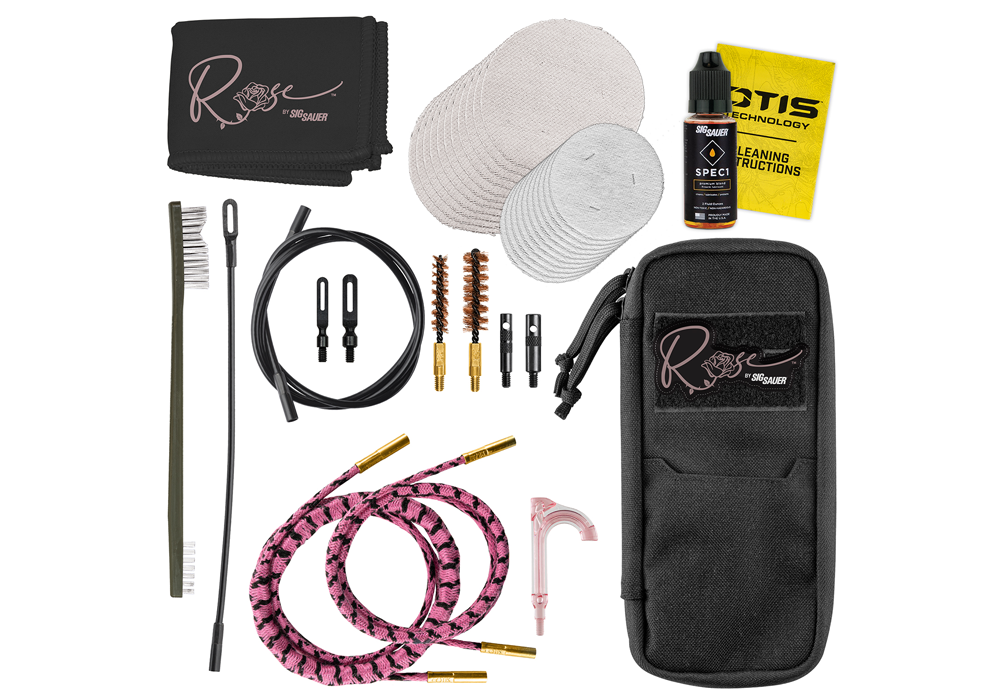
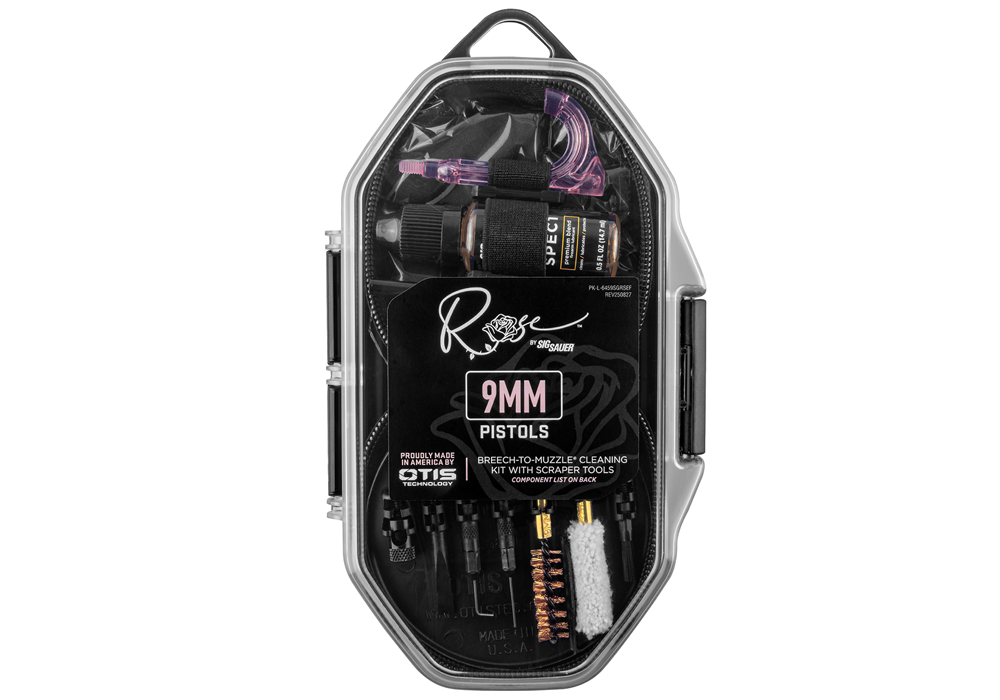
Gun cleaning lubricants help keep a firearm operating smoothly, protect finished surfaces from corrosion, and make routine maintenance more consistent. The right lubricant can reduce friction where metal parts meet, loosen or suspend powder residue, and leave behind a protective film that helps guard against moisture during storage or regular use. Many options are formulated as CLP products—clean, lubricate, and protect formulas intended to support several steps of firearm care with one solution. Others are designed specifically as firearm oils or synthetic lubricants, while thicker greases are made to stay in place on areas that experience repeated contact and pressure. Each type has a useful role, and a well-chosen cleaning setup may include more than one consistency. A lightweight oil can be practical for pivot points, pins, and other moving interfaces where a thin film is preferred. Grease may be better suited to slide rails, bolt contact surfaces, and other friction points where a lubricant that stays put is useful. When comparing gun cleaning lubricants, consider the firearm’s operating system, the manufacturer’s maintenance recommendations, the frequency of use, and the conditions in which it will be carried or stored. A compact handgun carried regularly may need a different approach from a rifle used at the range, a shotgun kept for seasonal use, or a competition firearm cleaned after every session. Temperature also matters: some formulas remain fluid in cooler conditions, while others are selected for their ability to resist running, gumming, or attracting unnecessary grit. Packaging is another practical consideration. A needle-tip applicator can help place a very small amount exactly where it belongs, while a spray or bottle may be convenient for treating a cloth or applying cleaner to larger exterior surfaces. For owners building a complete maintenance station, browsing related options such as Pistol Cleaners can make it easier to match cleaning solutions with the lubricant selected for the firearm.
Safe, measured application is central to effective firearm maintenance. Before cleaning or lubricating, unload the firearm completely, remove all ammunition from the immediate work area, and visually and physically inspect the chamber, magazine well, and action as appropriate for the firearm. Follow the owner’s manual for field-stripping instructions and approved lubrication points, since designs vary and some components should remain dry. In most cases, a thin coat is preferable to a heavy application. Excess oil can migrate into areas where it does not belong, collect dust and unburned powder, seep into certain stock materials, or contribute to buildup in the action. A clean patch, lint-free cloth, cotton swab, or precision applicator can help control the amount. Apply lubricant to a cloth or applicator rather than flooding the firearm, then work it across the appropriate metal surfaces until they have a light, even sheen. Pay particular attention to points of metal-to-metal contact identified by the manufacturer, including slide rails, barrel locking surfaces, rotating pins, hinge points, and bolt contact areas. Keep lubricant out of the bore, chamber, striker channel, firing pin hole, and ammunition path unless the manufacturer specifically directs otherwise; these areas generally need to remain free of oil and residue. After application, cycle the action only as permitted by the manual and wipe away any visible excess. This simple routine can become as familiar as checking a flashlight before heading out: a clean bench, a small mat, a few patches, and the subtle sheen of properly treated metal. During the cooler months, firearms moving between a warm vehicle, an indoor range, and cold outdoor air may encounter condensation, making a protective film especially useful. In damp storage conditions, regular inspection and controlled lubrication can help identify surface moisture or early signs of oxidation before they become more serious. Lubricant is not a substitute for a secure, dry storage environment, proper cleaning, or periodic inspection, but it is an important part of a complete maintenance routine.
Gun cleaning lubricants are useful for a broad range of firearm owners, from first-time purchasers learning the basics of responsible care to experienced shooters who maintain several firearms with different operating systems. They can also make thoughtful gifts for a new firearm owner, a range-going family member, a hunter preparing equipment for changing weather, or anyone assembling a dedicated cleaning kit. A gift set does not need to be elaborate to be useful: a dependable lubricant, suitable patches, a soft cloth, and a precision applicator can support a practical routine that is easy to repeat. For someone who spends long afternoons at the range, a compact bottle may fit naturally into a range bag for post-session wipe-downs and inspection. For an owner who stores a firearm for extended periods, a corrosion-resistant formula and a clean storage cloth can help support regular checks without encouraging over-application. Buyers should look for clear directions, compatibility information, a dispenser suited to the intended use, and a formula that matches the firearm’s materials and maintenance requirements. It is also sensible to consider whether the product is intended primarily for cleaning, lubrication, corrosion protection, or a combination of those functions. A do-it-all CLP can simplify a basic maintenance station, while dedicated oil and grease may provide more control for owners who prefer to use different products at specific friction points. Regardless of the formula, responsible storage, careful handling, and adherence to the firearm manufacturer’s instructions remain essential. A small amount applied thoughtfully can help a slide return smoothly to battery, a bolt travel with less drag, or a hinge move without the gritty feel that signals neglected contact surfaces. Over time, that modest routine protects the investment, supports reliable function, and gives every cleaning session a clear purpose: remove residue, lubricate the right surfaces, protect against corrosion, and leave the firearm ready for secure storage or its next authorized use.