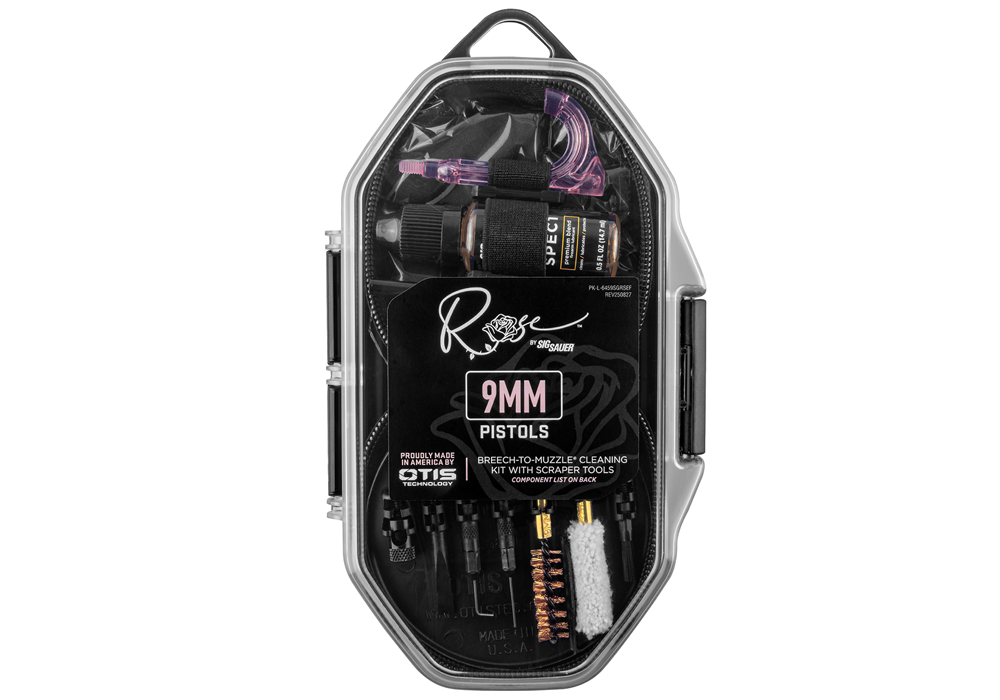
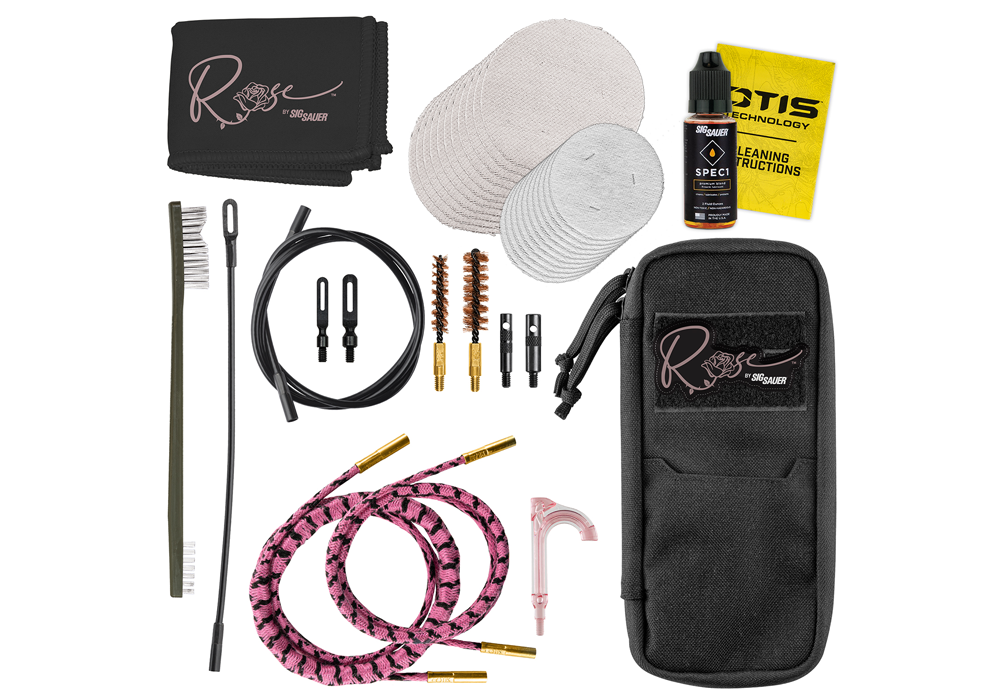
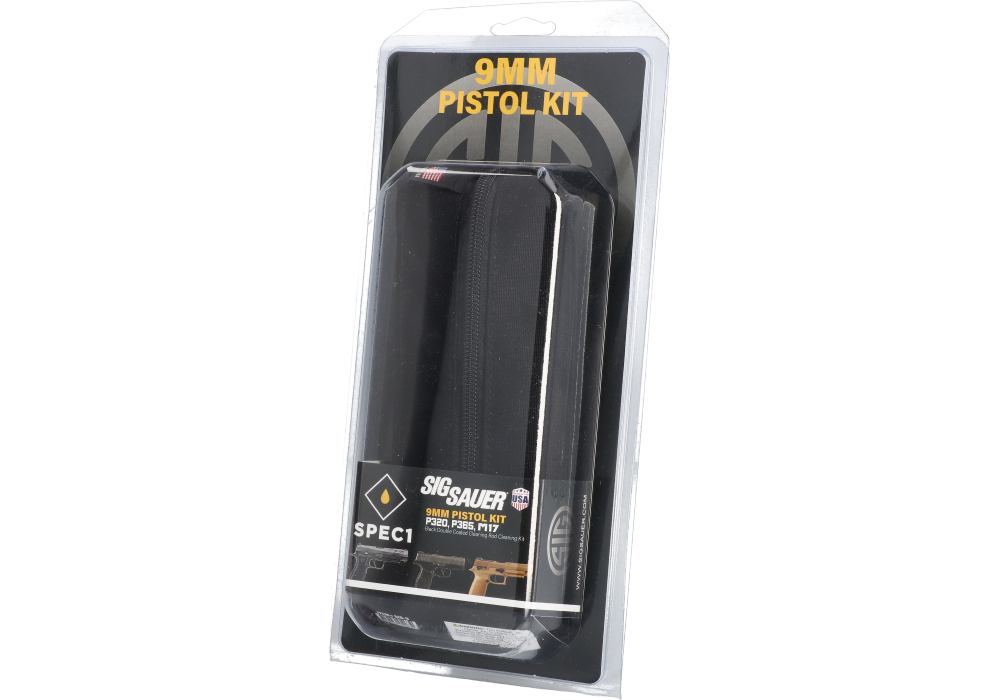
Pistol cleaners help keep a handgun’s working surfaces free from carbon, powder residue, unburned particles, dust, and other debris that can collect through regular use. A well-chosen cleaning setup may include a bore solvent, an all-in-one clean-and-protect formula, a nylon or bronze bore brush, patches, a pull-through cable or cleaning rod, and small brushes for the slide, frame, feed ramp, and other tight areas. Each part serves a distinct purpose. Solvent loosens fouling inside the barrel and around moving components, while patches and cloths lift away the residue after it has been broken down. Bore brushes provide more mechanical cleaning for stubborn buildup, and nylon detail brushes are useful when carbon gathers in corners that a larger brush cannot reach. Some shooters prefer separate cleaners, lubricants, and protectants so they can tailor each step; others value a multipurpose formula for routine maintenance and range-bag convenience. When comparing pistol cleaners, consider the handgun’s caliber, finish, materials, and manufacturer recommendations. A formula suitable for one firearm’s exterior coating or polymer frame may not be appropriate for another, so read the label and owner’s manual before applying any chemical. It is also worth considering the way the cleaner will be used: a compact pull-through system can be convenient for transport, while a more complete kit may be better for a dedicated workbench. Look for clearly labeled components, secure caps, durable brushes, lint-free patches, and storage that keeps small tools organized. For anyone building a broader maintenance setup, the selection of Pistol Accessories can provide useful additions for cleaning, storage, handling, and range preparation.
Safe preparation is the foundation of every pistol-cleaning session. Point the firearm in a safe direction, remove the magazine, open the action, and visually and physically verify that the chamber, magazine well, and any other place ammunition could be present are empty. Keep ammunition in a separate area while cleaning, and consult the specific owner’s manual before field-stripping the pistol. A clean, well-lit workspace with a stable surface makes it easier to see residue and prevents small springs or pins from disappearing into clutter. Ventilation is important when using solvents or sprays, and protective gloves and eye protection can help limit contact with chemicals and loosened fouling. Once the pistol is safely unloaded and disassembled only as far as the manual permits, apply cleaner thoughtfully rather than flooding every surface. A solvent-soaked patch or brush can be guided through the bore in the recommended direction, followed by clean, dry patches until they emerge with little or no residue. A properly sized brush matters: one that is too small may leave fouling behind, while one that is too large can make the process unnecessarily difficult. Use nylon brushes and cloths around the slide, frame rails, breech area, and other components where carbon accumulates, taking care not to force tools into narrow openings or scrape finished surfaces. After cleaning, inspect the parts under good light for remaining buildup, moisture, or damaged areas. Lubrication is a separate but equally important step. Apply only a thin film to the friction points and sliding surfaces identified by the manufacturer; excess oil can attract dust and residue, migrate into areas where it does not belong, or make handling unpleasant. Reassemble according to the manual and perform the recommended function checks without ammunition. These habits turn pistol cleaners from a collection of bottles and brushes into a practical maintenance routine that supports dependable operation and helps preserve the firearm’s finish.
Pistol cleaners are useful for new firearm owners learning the rhythm of responsible maintenance, experienced shooters who clean after frequent range sessions, instructors and competitors who need a repeatable process, and anyone who stores a handgun for extended periods. A first cleaning after a range visit often reveals a fine gray film on the rails and a dark ring of residue near the breech, even when the pistol appeared clean at a glance. Removing that buildup before it hardens makes later maintenance more manageable. During warmer weather, outdoor practice can introduce dust, grit, and perspiration, while cooler months may bring longer storage intervals and a greater need to check for surface moisture before putting a firearm away. The right products can also make a thoughtful gift for a new pistol owner, a family member establishing a home range routine, or a seasoned shooter who appreciates well-organized maintenance gear. For gifting, a versatile assortment with clearly marked brushes, patches, cleaner, and lubricant is often more useful than a single specialized item, particularly when the recipient owns more than one handgun. Still, compatibility should remain the priority: match bore tools to the correct caliber, confirm chemical compatibility with the firearm’s materials and finish, and choose a kit that fits the owner’s preferred cleaning method. A compact set may suit someone who travels to the range, whereas a larger assortment can stay ready on a workbench for regular care. Whether cleaning after a handful of practice rounds or preparing a pistol for storage, consistent attention to the bore, action, rails, exterior metal, and small recesses helps prevent residue from becoming stubborn buildup. Keeping the process orderly, using modest amounts of cleaner and lubricant, and following the firearm’s manual allows pistol cleaners to support safe handling, dependable maintenance, and a longer-lasting finish.