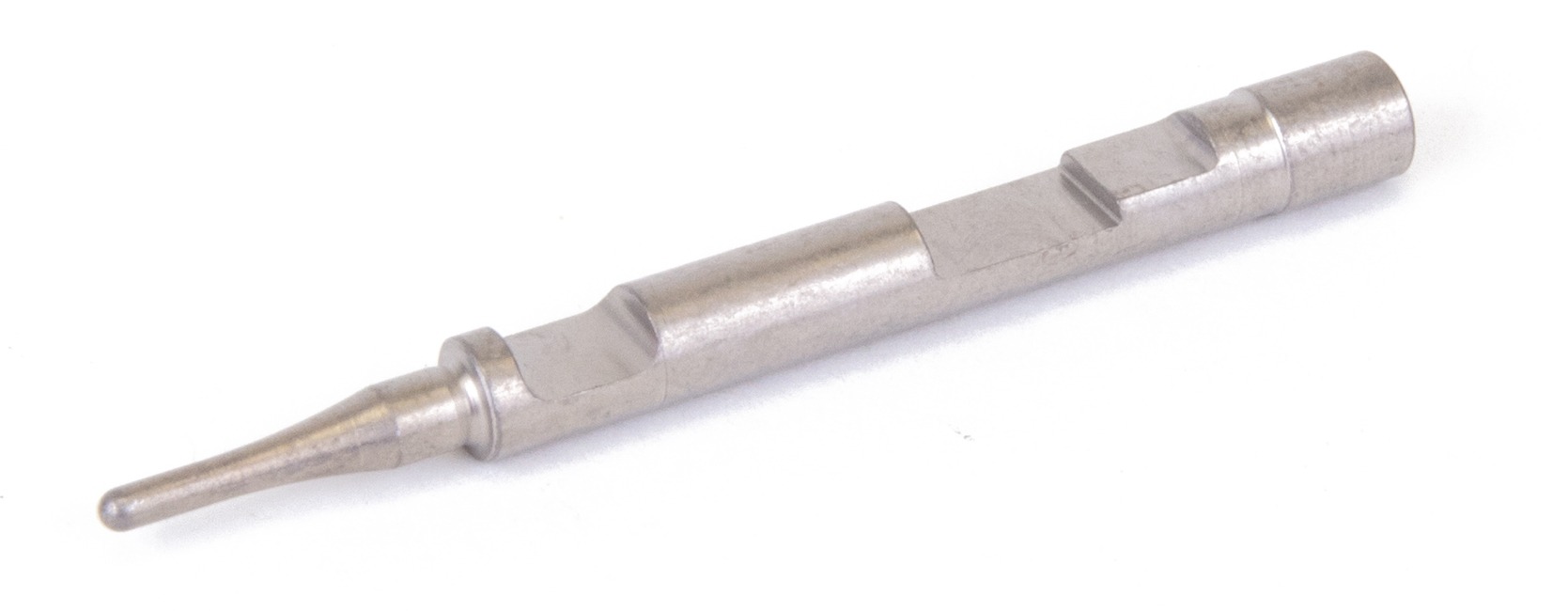
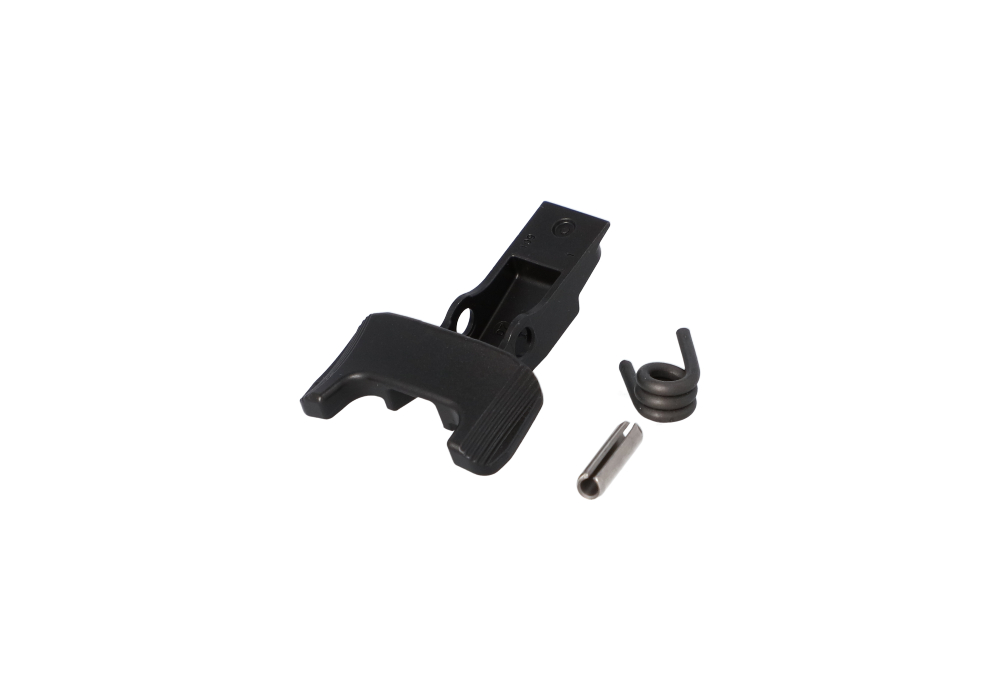
Gun pin kits are collections of small metal pins used in firearm assembly, repair, and maintenance. Depending on the application, a kit may contain solid pins, roll pins, or other pin styles specified for a particular firearm or component group. These small parts help retain components and maintain their intended alignment, making correct fit more important than their modest size might suggest. For firearm owners, collectors, and qualified gunsmiths, a clearly identified kit can bring order to parts that would otherwise be difficult to distinguish on a workbench. A pin that looks nearly identical to another may differ in diameter, length, construction, or intended location, so appearance alone is not a reliable measure of compatibility. The most useful starting point is the firearm’s exact model and the manufacturer’s parts documentation, including any relevant generation or configuration details. A broad roll pin assortment and a firearm-specific pin kit serve different purposes: one groups pins across a range of dimensions, while the other is organized around a defined application. Neither should be assumed to cover every firearm within a general platform family. Pin kits also differ from punch sets, which contain tools rather than replacement components. That distinction matters when comparing product descriptions, particularly when similar terminology appears across maintenance accessories. For someone maintaining a familiar range firearm or arranging parts for a professional service appointment, clear kit contents can be more useful than a large assortment with uncertain applications. The value lies in knowing what each component is intended to fit, not simply in having more pieces. Thoughtful selection begins with documented compatibility and a clear understanding of whether the kit addresses a specific service need or supports a broader, professionally managed parts collection. Even within one model family, production revisions can affect the parts required. A familiar name on the packaging is therefore only one part of the fit assessment; the detailed application notes provide the more meaningful match. This is especially relevant for older firearms with incomplete service records or examples whose components may have changed over time.
Materials, finish, and dimensional consistency are central considerations for gun pin kits. Depending on their intended function, firearm pins may use carbon steel, alloy steel, or stainless steel, with material properties selected to suit the application. Heat treatment can influence hardness and resistance to wear, while a protective finish may help limit surface corrosion. Stainless steel offers corrosion resistance, but it is not a promise of maintenance-free service, and a darker finish does not by itself establish greater strength or a better fit. Material, geometry, and the firearm manufacturer’s specification need to be considered together. Solid pins and spring-style pins have different designs, and those differences are functional rather than cosmetic. Substituting one style for another merely because the dimensions appear close can create compatibility problems. Product descriptions are most informative when they identify the intended firearm, the pin types included, and any limitations on application. Kit contents also deserve attention: the word “kit” does not establish a standard number of pieces or guarantee that related springs, retainers, or tools are included. A complete understanding of the listed contents helps distinguish a focused replacement set from a general assortment. For long-term ownership, durability means retaining the specified dimensions and mechanical properties under the conditions for which the component was designed. It does not mean that every steel pin is suitable for every location or that a harder component is automatically preferable. A well-organized maintenance bench might hold several similar-looking pins in separate, labeled compartments because their different applications matter more than their visual resemblance. Original packaging and legible part identification help preserve those distinctions. Keeping that information with the parts also supports clearer communication with a gunsmith, particularly when a firearm has an uncertain repair history or more than one configuration is involved. When a listing leaves compatibility unclear, confirmation from the manufacturer or a qualified professional is more dependable than judging a loose pin by eye. Precision in identification matters just as much as the material description.
Care for gun pin kits centers on protecting small components from corrosion, contamination, and loss while preserving their identification. Clean, dry storage in labeled compartments helps keep loose pins from becoming mixed with unrelated hardware. Retaining packaging, application notes, and part references can be particularly useful when several firearms share space in the same cabinet or maintenance area. Protective finishes still benefit from appropriate care, and any storage treatment should follow the component or firearm manufacturer’s recommendations. Visible rust, unusual wear, bending, or other damage deserves professional attention rather than an assumption that a small part is unimportant. If a pin is missing or its condition is uncertain, the firearm should remain out of use until a qualified professional has assessed it. Those considerations apply whether the firearm sees regular range use, belongs to a collection, or is being evaluated before returning to service. For shoppers comparing related categories, Pistol Firing Pin Kits concern a more specific component application and should not be treated as interchangeable with general retention-pin assortments. A firing pin is a distinct functional component, and any associated kit requires its own model-specific compatibility check. That distinction helps keep similar names from obscuring very different purposes. Gun pin kits are most relevant to owners who keep accurate maintenance records, collectors seeking correctly identified replacement components, and professionals who need an orderly way to manage small parts. They can also be a practical gift for an experienced firearm owner when the exact application has been confirmed, although guessing at fit is rarely helpful. The most useful choice is not necessarily the largest assortment or the most elaborate packaging. It is a clearly documented set whose materials, contents, and intended use align with the firearm and the service requirement. From a labeled parts drawer to a professional repair bench, that clarity helps keep essential little components recognizable, protected, and associated with the right application. Good organization preserves the information that gives each pin its purpose.