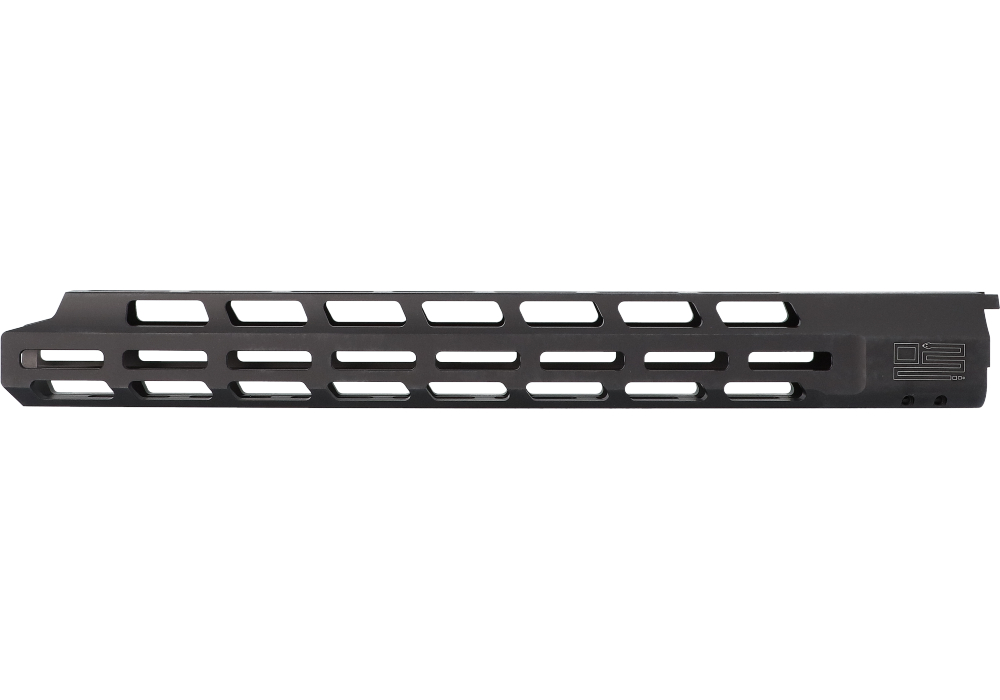
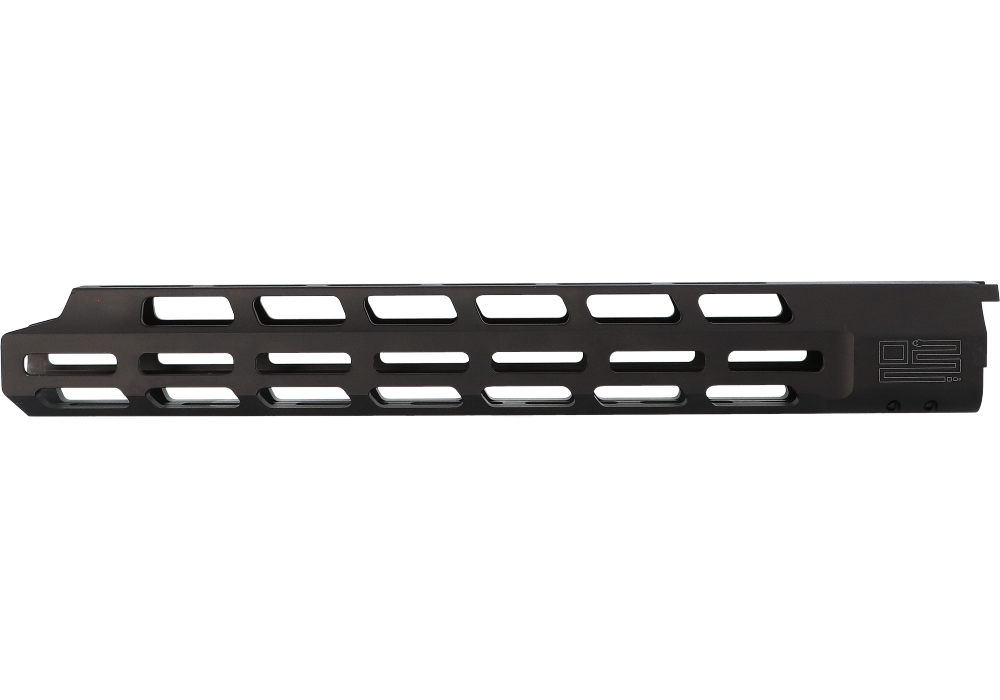
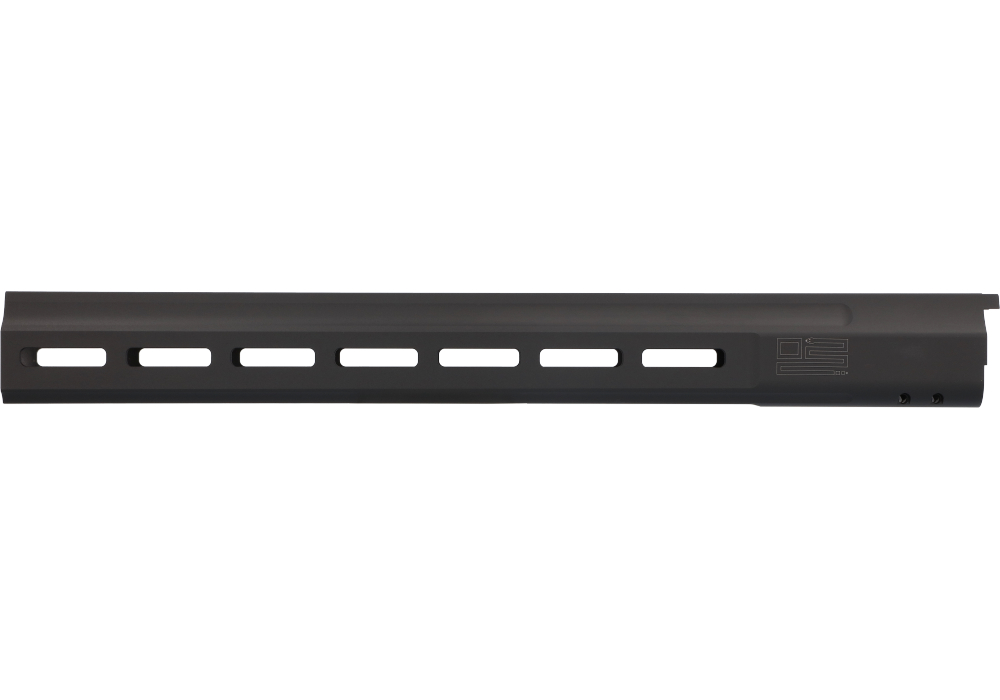
Handguards for advanced shooters are built around a simple idea: the interface between the shooter and the rifle should remain stable, adaptable, and predictable through every stage of use. A well-matched handguard gives the support hand a comfortable, repeatable position while creating a strong foundation for accessories such as lights, aiming devices, bipods, sling mounts, and backup sights. For precision-oriented setups, a free-float handguard attaches to the receiver and barrel nut rather than contacting the barrel, helping reduce the influence of pressure from a bipod, barricade, or shooting rest. That separation can help preserve point of impact when the rifle is loaded into a supported position. Advanced shooters often pay close attention to rigidity because even a small amount of movement can matter when equipment is used at distance or when a mounted aiming device must maintain its relationship with the bore. Anti-rotation features, a properly fitted barrel nut, and a secure locking system all contribute to dependable lockup. These details are easy to overlook when comparing photographs, yet they become apparent when a rifle is carried through a course, braced against a hard surface, or handled during repeated transitions. The best handguard choice depends on the rifle platform, barrel length, gas system, receiver configuration, and intended role, so compatibility should always be confirmed before purchase.
Weight and balance are equally important considerations. A handguard that is exceptionally rigid but unnecessarily bulky may make a rifle tiring to carry, while an ultralight design that flexes under pressure may not suit demanding field or competition use. Advanced shooters commonly look for a thoughtful balance of structural strength, exterior dimensions, and overall weight. Aluminum construction remains popular for its combination of durability and practical weight, while other engineered materials can offer additional weight savings for lightweight or recce-style configurations. Length should be selected with the barrel, gas system, support-hand position, and accessory layout in mind. A longer handguard can provide more room for a forward grip, pressure pad, night-vision accessories, or a supported shooting position, while a shorter option may keep the front of the rifle quick and maneuverable in confined spaces. Mounting interfaces also deserve close attention. Continuous top rails are useful for optics and aiming accessories, while modular side and bottom mounting points allow the shooter to place equipment only where it is needed, reducing snag points and unnecessary ounces. Those who shoot during the cooler months may also appreciate a profile that remains comfortable with gloves and leaves enough clearance for a suppressor, light, or sling hardware. Shooters preparing for a seasonal match can compare configurations through Handguards for Fall Shooting Competitions, then narrow the selection according to their own rifle and match requirements.
Handguards in this category are typically chosen by experienced recreational shooters, competitors, instructors, hunters, and professionals who understand how small equipment decisions affect handling and consistency. A competition shooter may prioritize a stiff free-float design, a long usable support surface, and carefully positioned mounting points for a bipod or barricade stop. A duty-oriented user may place greater emphasis on impact resistance, secure accessory attachment, and a compact profile that moves cleanly around vehicles, doorways, or field equipment. Shooters who use night vision or infrared aiming devices should be especially attentive to rigidity and lockup, since maintaining a stable relationship between the aiming device and the rifle is essential for reliable performance. A handguard can also be a thoughtful gift for an experienced shooter, but it is not usually an ideal surprise purchase unless the recipient’s rifle platform, barrel length, gas system, preferred mounting interface, and installation tools are already known. A gift card or an open conversation about a planned build may prevent an otherwise generous gift from becoming an expensive fitment problem. Before ordering, inspect the manufacturer’s specifications, verify receiver and barrel-nut compatibility, consider whether the chosen length will clear the gas block, and account for every accessory that will share the rail or mounting surface. During a long range day, the right handguard should feel almost invisible: solid when pressure is applied, comfortable in the support hand, balanced while moving, and adaptable enough to support the equipment and shooting positions the rifle was configured to handle.