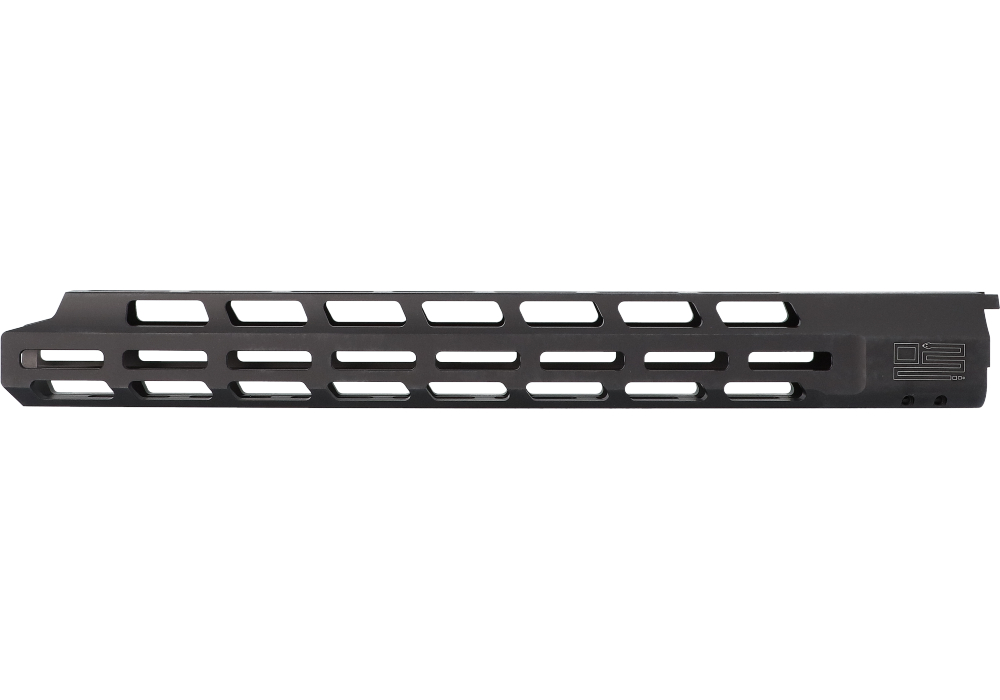
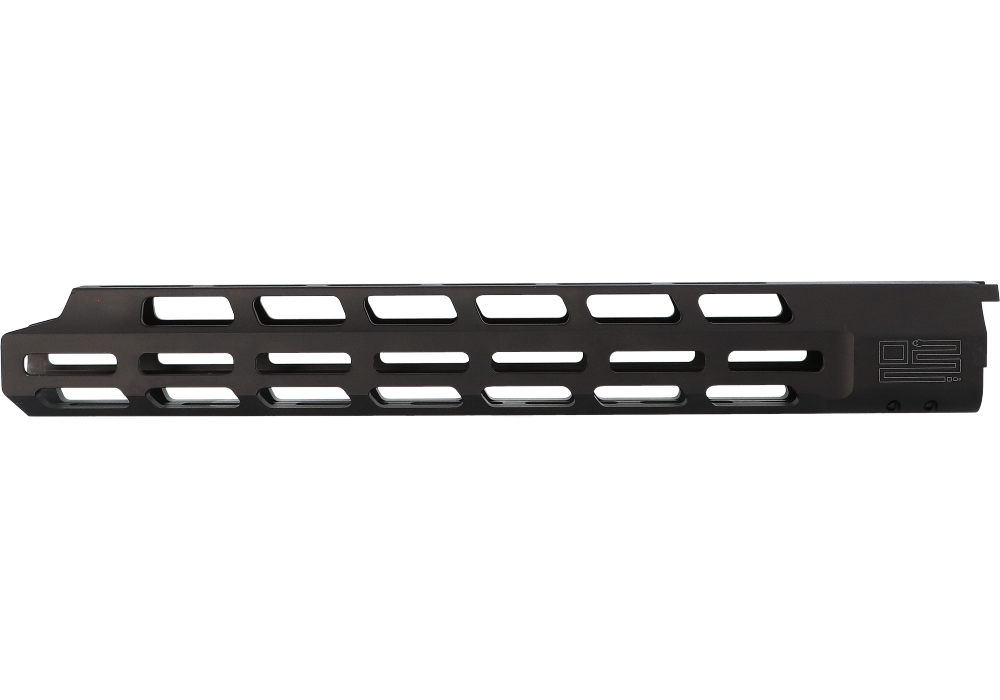
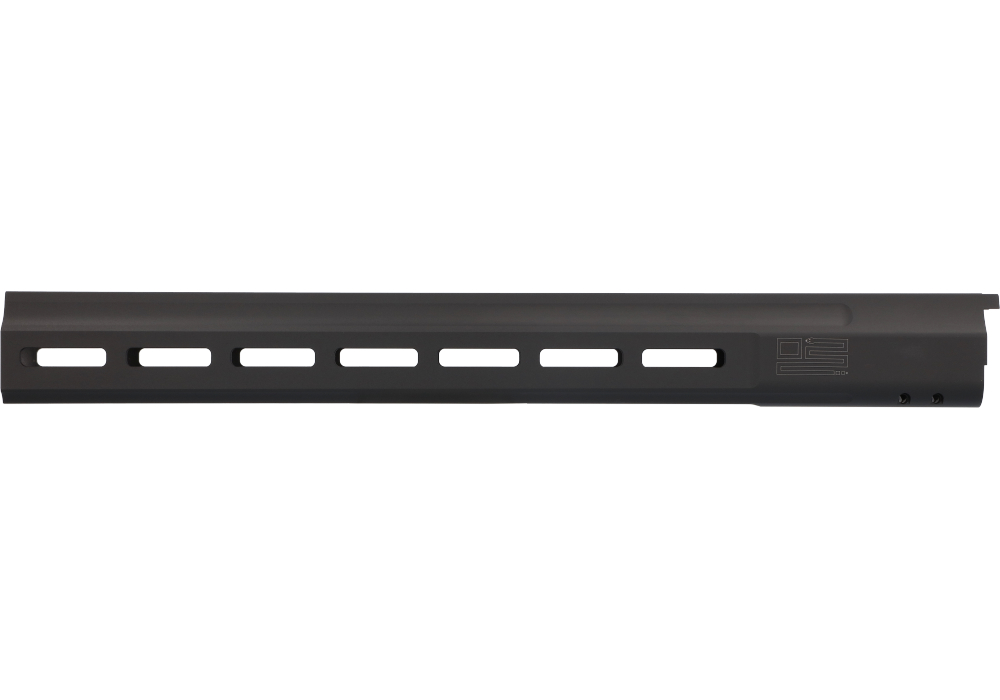
Handguards for sports shooting are selected as much for how they feel in motion as for how they perform on the firing line. A well-matched handguard can help a rifle feel balanced between the hands, provide a comfortable, repeatable support position, and create a dependable foundation for accessories used during practice or competition. Shooters preparing for action-oriented matches often favor a slim, lightweight profile that makes transitions from one target to the next feel quick and natural. In precision-oriented disciplines, an extended handguard may offer more usable support surface and additional room for a bipod, barricade stop, or tripod interface. Length is therefore more than a matter of appearance. A shorter handguard can keep the front of a carbine lively and easy to maneuver, while a longer model may allow the support hand to settle farther forward and provide more options when shooting from prone, supported, or improvised positions. Many competition shooters choose free-float designs because the handguard attaches to the barrel nut rather than resting against the barrel. This arrangement helps reduce the effect of hand pressure, sling tension, barricade contact, or bipod loading on barrel harmonics and point of impact. A free-float system is not a substitute for proper installation, ammunition selection, or sound marksmanship, but it can provide a consistent platform for a carefully configured rifle. Before purchasing, confirm the firearm pattern, barrel length, gas-system dimensions, barrel-nut requirements, and clearance around the gas block. Compatibility details can vary, and a handguard that appears suitable at a glance may require a different installation method or may not provide the desired clearance for the intended setup.
Attachment configuration is another important consideration. M-LOK slots offer a streamlined way to mount only the equipment needed for a particular discipline, such as a hand stop, sling mount, light, or bipod. The result is generally a clean, comfortable exterior with fewer unused edges pressing against the support hand or snagging on gear. Shooters who change configurations frequently may appreciate the flexibility of placing accessories at precise positions along the sides and underside of the handguard. An integrated or add-on Arca-Swiss-style interface can be especially useful in precision rifle competition, where rapid attachment to a tripod, barricade stop, or other support is part of the stage plan. A broad, flat underside can also provide a more predictable contact point when the rifle is rested against a barricade or pack. Picatinny rail sections remain valued for their solid, familiar mounting surface and broad accessory compatibility, although a full-length rail may add weight and create a more pronounced profile. For dynamic shooting, that additional weight can be noticeable during repeated presentations and fast transitions; for a rifle that carries substantial equipment or sees hard use against props, a robust rail arrangement may be the better fit. Materials influence the same balance of stiffness, weight, and cost. Aluminum handguards are common because they provide a practical combination of durability and rigidity, with different aluminum series and structural designs offering varying levels of resistance to flex. Carbon fiber options can reduce front-end weight and may appeal to shooters who prioritize quick handling, though they may offer fewer direct mounting locations and require closer attention to accessory compatibility. The best choice depends on the rifle’s role, the match format, the equipment carried, and the shooter’s preference for a lively or planted feel.
A handguard can also be a thoughtful gift for a competitive shooter, especially when the recipient has already identified the rifle platform and the match style they enjoy. A new competitor may value a simple M-LOK setup that leaves room to learn what accessories are genuinely useful, while an experienced precision shooter may have a very specific preference for extended length, underside geometry, or tripod attachment. For those comparing options for fall events and cooler-weather range sessions, Handguards for Fall Shooting Competitions can help narrow the selection around seasonal match use without sacrificing long-term practicality. During the cooler months, gloves, heavier clothing, and layered shooting gear can change how a handguard feels in the support hand, making a slim but comfortable profile especially valuable. Check the exterior shape for sharp edges, verify that mounting slots remain accessible with the intended sling or support equipment, and consider whether the added weight will affect the rifle’s balance after an optic, light, backup sights, and other accessories are installed. Installation should follow the manufacturer’s instructions and use the proper tools, torque values, and alignment procedures; an improperly secured handguard can shift, interfere with controls, or compromise accessory placement. After installation, inspect clearance around the gas system, confirm that controls operate freely, and test the rifle with the same sling, support equipment, and ammunition used for practice. A few deliberate dry-fire repetitions can reveal whether the support hand naturally finds the same position, whether an accessory catches on clothing, and whether the rifle settles comfortably when moving between targets. With the right dimensions, attachment system, material, and fit, a sports-shooting handguard becomes more than a protective tube around the barrel. It becomes a practical interface between the shooter, the rifle, and the positions that matter on the course of fire.