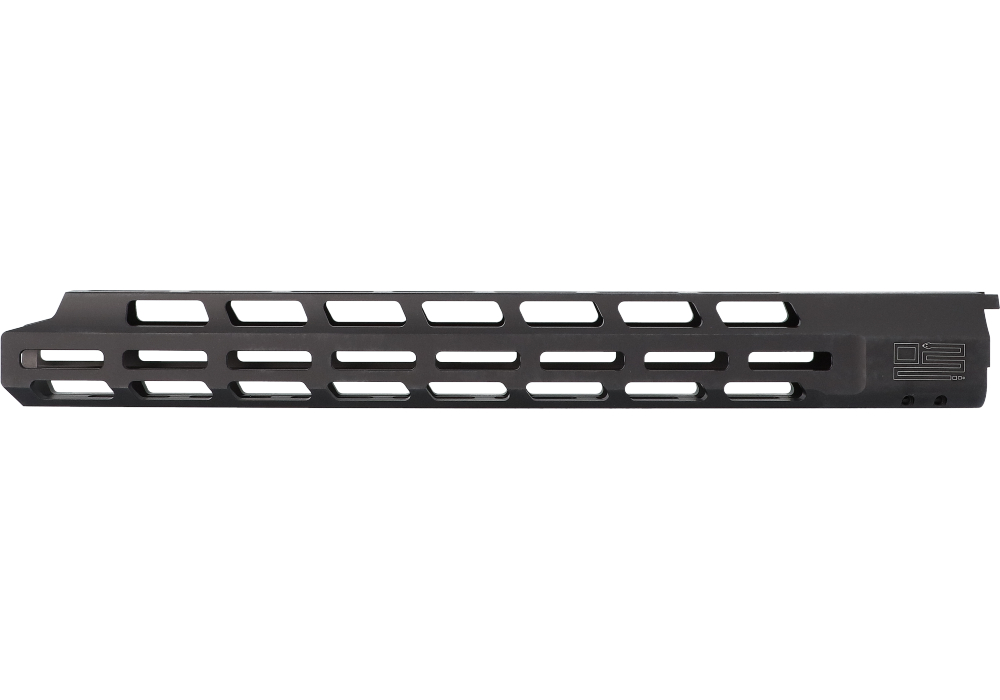
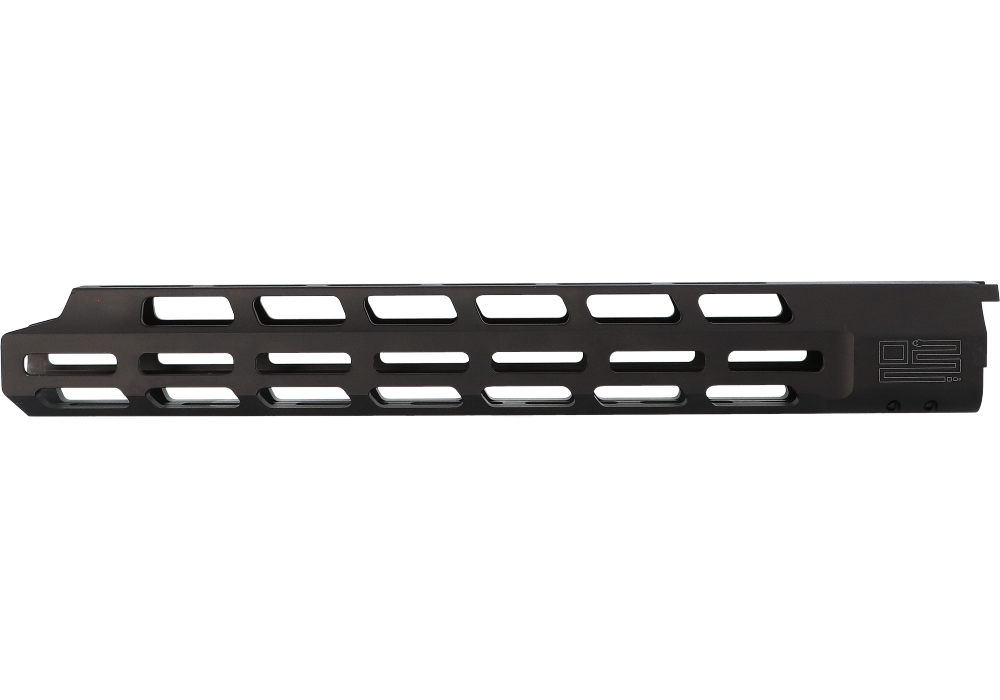
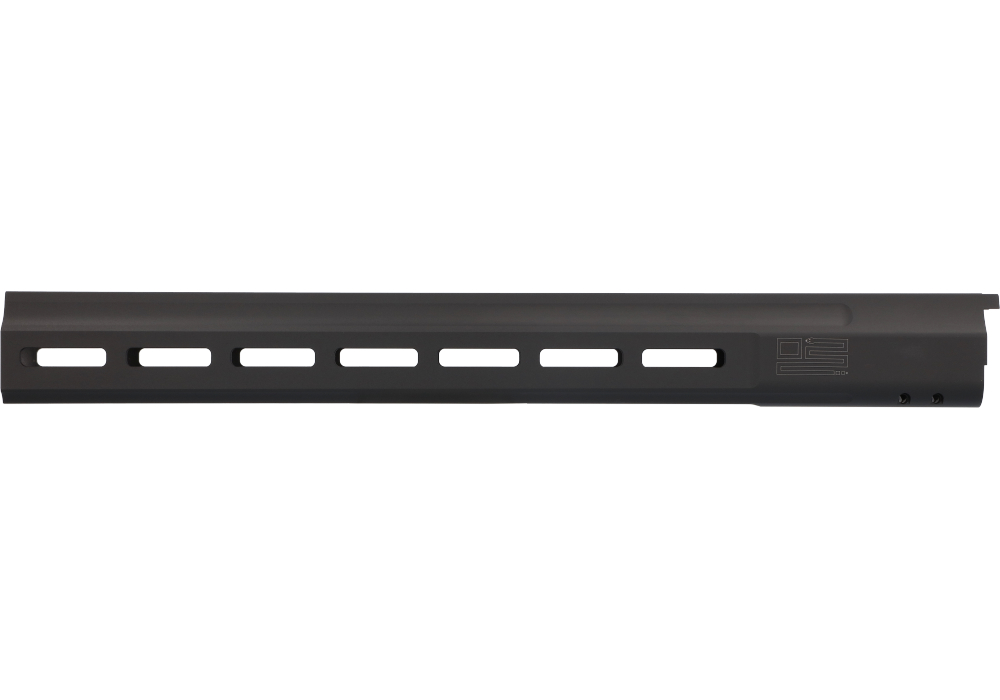
Handguards for fall shooting competitions should help a competitor build a steady, repeatable rifle setup without adding unnecessary bulk. During the cooler months, match conditions can change quickly: bright afternoon light may give way to low-angle sun, damp grass can make improvised rests slippery, and gloves or layered clothing can affect how comfortably a rifle is shouldered and controlled. A well-chosen handguard gives the shooter a consistent forward grip and a practical place to mount only the accessories needed for the stage. For many modern sporting rifles, a free-float handguard is a strong choice because it attaches to the barrel nut rather than resting against the barrel. By reducing contact between the handguard and barrel, this design helps limit unwanted pressure that could influence point-of-impact consistency as the rifle is supported, shouldered, or placed against a barricade. M-LOK-compatible models are especially popular for competition because they allow rail sections, hand stops, sling mounts, bipod adapters, and other accessories to be positioned where they serve a purpose instead of covering the entire handguard with unused hardware. That modular approach can keep the rifle feeling clean and manageable through rapid target transitions, awkward shooting positions, and long stages where every ounce becomes noticeable.
Length is another important consideration when comparing handguards for fall shooting competitions. Extended options in the approximately 13-inch to 15-inch range can provide useful support for a forward grip, hand stop, or barricade contact point while allowing the shooter to stretch the support arm into a stable, natural position. A longer handguard may also offer more flexibility for competitors who move between prone, kneeling, standing, and positional shooting, though the ideal length depends on the firearm platform, barrel configuration, gas system, muzzle device, and the shooter’s preferred stance. Compact handguards can be a better fit for shorter barrels, pistol-caliber carbines, or setups where maneuverability matters more than maximum forward support. Weight deserves equal attention. Slim aluminum designs can balance rigidity with comfortable handling, while other lightweight construction options may appeal to competitors who prioritize fast transitions and reduced fatigue over extended stages. The goal is not simply to select the lightest rail available; a competition handguard should be rigid enough for the intended use, properly aligned with the upper receiver, and comfortable when the rifle is carried, mounted, or supported repeatedly. Buyers should confirm exact compatibility before ordering, including receiver type, barrel nut requirements, gas block clearance, mounting hardware, and the tools or installation procedures specified by the manufacturer. A handguard that fits the intended platform and accessory layout will usually be more useful than one chosen by length or appearance alone.
These handguards can be a practical upgrade for competitors refining a dedicated match rifle, recreational shooters preparing for a local fall event, or experienced builders assembling a lightweight setup for positional stages. They may also make a thoughtful gift for a shooter, provided the giver knows the recipient’s exact firearm platform and preferred mounting system; handguards are not universal, and a carefully wrapped accessory that does not match the rifle can create more frustration than excitement. Before making a selection, consider how the rifle is actually used. A shooter who spends much of a match moving between targets may value a narrow profile and modest weight, while someone who works from barricades or extended supported positions may prefer additional length and a broad, comfortable support area. A forward grip or hand stop should be placed where it complements the shooter’s natural reach without interfering with magazine changes, sling movement, or safe handling. Accessory slots are best treated as real estate rather than a requirement to mount something in every available position. Keeping the forward end uncluttered can make the rifle easier to manipulate and simpler to transport between stages. Shooters seeking additional options for refined configurations can also browse Handguards for Advanced Shooters. As cooler conditions settle in, a dependable handguard can help maintain a familiar interface from one stage to the next, giving competitors a stable place to drive the rifle, manage support, and stay focused on the course of fire. Always follow applicable laws, match rules, firearm safety practices, and installation instructions, and have a qualified gunsmith inspect the work when the installation or platform compatibility is uncertain.