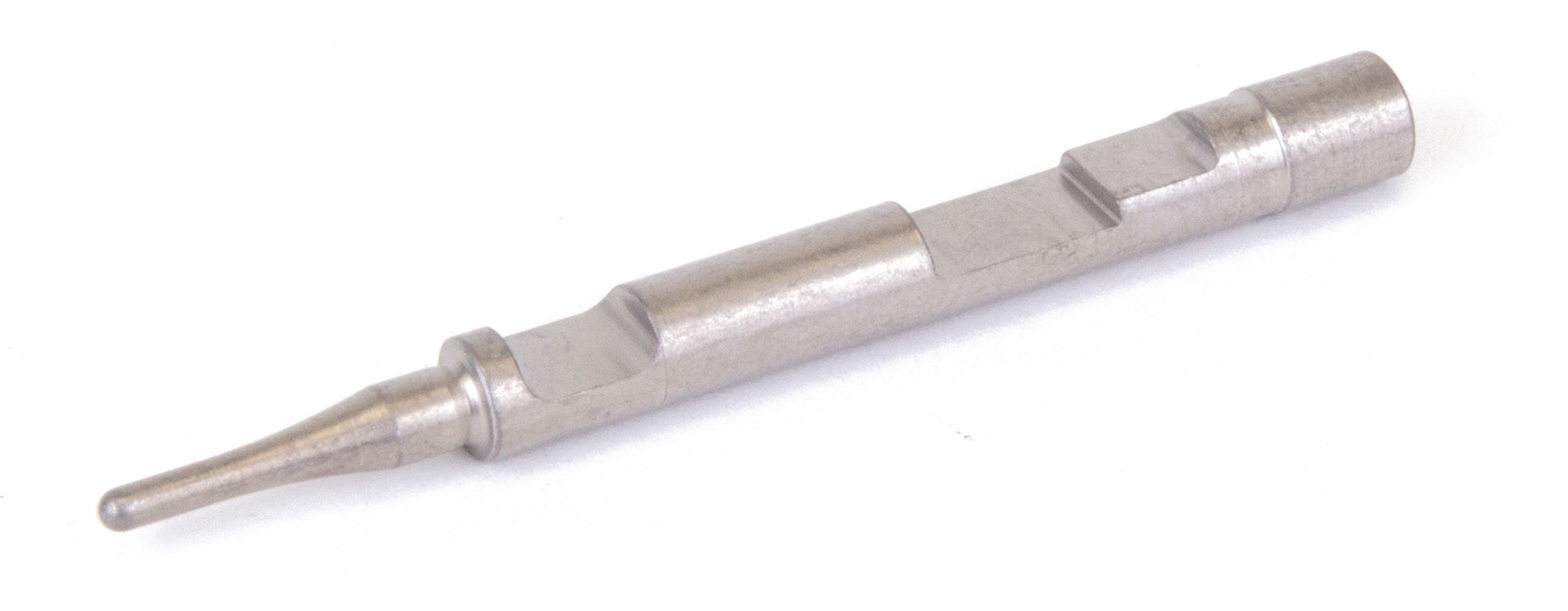
Handgun internal parts kits provide a practical way to organize the small mechanical components used to maintain, repair, or complete a compatible handgun frame and slide. Depending on the kit and firearm platform, contents may include springs, pins, trigger components, trigger bars, connectors, slide stops, magazine catches, housings, firing pins, firing pin safeties, extractors, plungers, channel liners, and related retainers. Some kits are intended for frame or lower assemblies, while others focus on slide or upper assemblies; combination kits may bring several groups of replacement components together for a more convenient service solution. These parts work together in a tightly coordinated system, and even a small spring or pin can affect the way a handgun cycles, resets, locks, or retains its magazine. That makes correct identification especially important. Before selecting a kit, confirm the exact make, model, generation, caliber, frame size, and configuration of the handgun, then compare the listed contents with the components already installed. Variations that appear minor from the outside can change internal fit, and parts designed for one platform should not be assumed to fit another. It is also useful to determine whether the goal is routine maintenance, replacement of worn or damaged components, restoration of a frame or slide assembly, or completion of a compliant custom build. For a broader assortment of service-oriented components, explore Firearm Disassembly Parts Kits and review the product descriptions carefully before placing an order.
These kits are commonly chosen by experienced handgun owners, competitive shooters, armorers, gunsmiths, and hobbyists who prefer to keep commonly needed replacement parts organized and available. A range regular may use a kit as part of a planned maintenance routine after many practice sessions, while a careful owner may keep replacement springs and small pins on hand rather than pause a project while searching for a single missing component. For someone restoring an older handgun, a properly matched internal parts kit can help replace tired springs, lost retainers, or damaged controls while preserving the intended function of the firearm. Builders working with a stripped frame or slide may also select a kit to bring the necessary internal systems together, provided the build follows all applicable laws, manufacturer specifications, and safety requirements. These products can make thoughtful gifts for a responsible adult who enjoys firearm maintenance, range practice, or bench work, especially when the recipient already owns a compatible handgun and appreciates keeping a clean, well-labeled parts drawer. A kit is most useful when it matches a specific platform, so gifting one is best done with the exact firearm information in hand rather than relying on appearance alone. Packaging and assortment details deserve attention as well: some kits may contain only frame internals, some only slide internals, and others may include a broader selection of pins, springs, and mechanical parts. Checking whether the parts are intended as direct replacements, assembly components, or upgrade-oriented pieces can help prevent an unsuitable purchase.
Safe handling remains central whenever handgun internal parts are being inspected or replaced. Unload the firearm completely, remove the magazine, clear the chamber, and keep ammunition away from the work area before any inspection begins. Follow the owner’s manual and the applicable instructions for the specific handgun, and use a qualified gunsmith when the task involves unfamiliar internal mechanisms, uncertain compatibility, fitting, or any component that may affect firing, locking, trigger operation, or drop safety. A clean, uncluttered bench with good lighting makes small parts easier to identify and reduces the chance of losing a spring or pin; many experienced owners use a tray, labeled containers, and a parts diagram to keep the process orderly. Internal components should be inspected for unusual wear, deformation, corrosion, burrs, or damage, and a replacement part should never be forced into place. After service, function checks should be performed only as described by the firearm’s instructions and with the firearm unloaded, followed by inspection from a qualified professional when there is any uncertainty. During the cooler months, a well-organized maintenance project can be a practical way to prepare a trusted handgun for future range time, training, or secured storage. Choosing the right handgun internal parts kit, confirming compatibility, and treating every component with care helps support dependable maintenance without overlooking the precision and responsibility these small parts require.