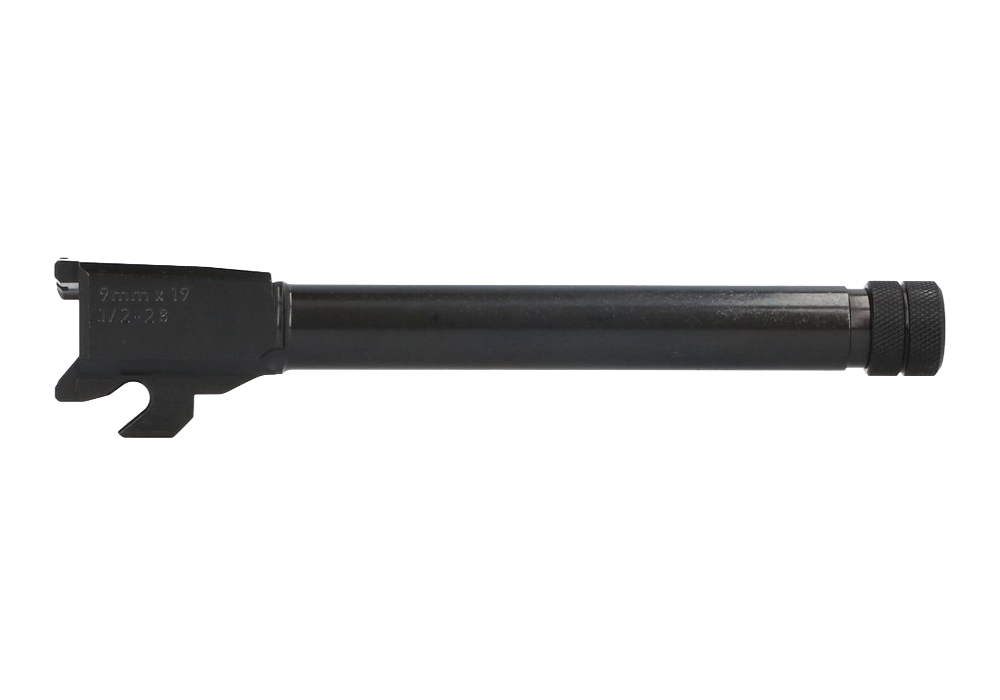
Handgun parts for self defense can support a more dependable, comfortable, and consistent setup when selected for a specific pistol and installed with care. For many owners, the process begins with routine replacement components rather than dramatic changes: recoil springs, firing pins, pins, screws, extractor components, magazine parts, and other internal pieces can help restore dependable function as a handgun accumulates use. Springs in particular deserve regular attention because they work through repeated cycles and can gradually lose their ideal tension. A replacement part should match the exact make, model, generation, and configuration of the handgun, since even components that appear similar may not fit or function in the same way. Keep the owner’s manual close, verify compatibility before ordering, and consult a qualified gunsmith when a component involves the fire-control system, slide assembly, or other critical mechanism. A defensive handgun should operate smoothly with the ammunition and magazines selected for it, and any change deserves careful inspection and a structured function check in a safe, lawful setting. Small details can have a meaningful effect on handling. A textured grip surface, replacement grip panel, backstrap, or magazine base plate may help the shooter maintain a steady hold when hands are cold, damp, or fatigued. Controls should remain easy to reach without forcing the hand into an awkward position, while the grip should feel secure without creating hot spots during extended practice. Sight components are another common consideration. High-visibility sights can help the shooter align the handgun more easily against a dim background, while illuminated sight systems can provide a clear reference when ambient light is limited. A rail-mounted light may be useful for identifying objects in dark areas, but it should be selected for a secure fit, intuitive controls, and dependable performance. Light should never replace safe identification, responsible decision-making, or a reliable handheld light kept available for general use.
Choosing parts for a defensive handgun is ultimately an exercise in matching the equipment to the person, the pistol, and the environment. Someone who carries a compact handgun beneath everyday clothing may prioritize a low-profile grip setup, snag-resistant sights, and replacement magazines or springs that support convenient routine maintenance. A homeowner may place greater emphasis on a clear sight picture, a dependable light, and controls that remain easy to operate in a dim room. A new shooter may benefit most from comfort and consistency, while an experienced owner may be refining the fit of a familiar pistol after years of practice. These parts can also be thoughtful gifts for a properly licensed firearm owner, especially when the recipient’s exact handgun model is known. Grip panels, sight tools, storage accessories, and maintenance components are practical choices, but guessing at fit can turn a well-intended gift into an unusable purchase. When in doubt, a gift card or a conversation about the owner’s model and preferences is more useful than selecting a part based only on appearance. Explore related options in Pistol Parts for Concealed Carry when a compact carry setup is the focus. Before installing any part, confirm that the handgun is unloaded, remove all ammunition from the work area, and follow the manufacturer’s instructions. After installation, inspect the pistol for proper fit, smooth movement, secure fasteners, and normal operation before relying on it for personal protection. A qualified professional can identify issues that are easy to miss at a kitchen table, particularly around trigger components, safeties, slide assemblies, and internal springs. Keep records of replacements and inspections, protect the handgun from moisture and debris, and store it locked according to applicable laws and household needs. During the cooler months, changes in clothing can affect access, grip, and carry comfort, while darker evenings may place more emphasis on visibility and a dependable light. Regular practice with the chosen setup helps reveal whether controls are comfortable and whether the sights are easy to acquire without introducing rushed or unfamiliar movements. The strongest defensive setup is not necessarily the most modified one; it is the one that fits correctly, functions reliably, remains legally compliant, and allows its owner to handle it responsibly and confidently.