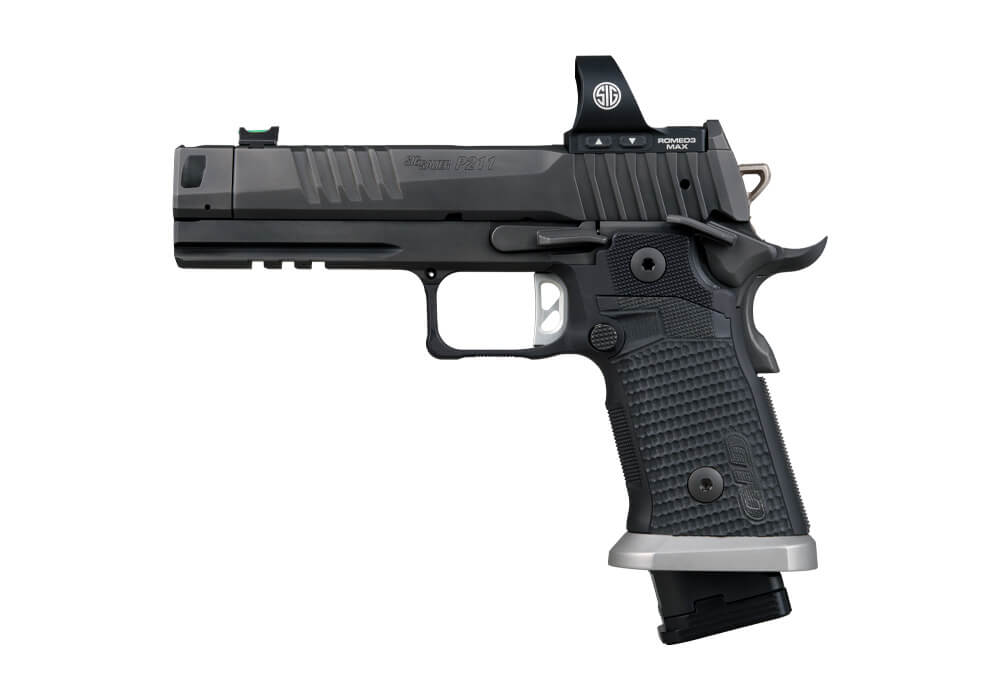
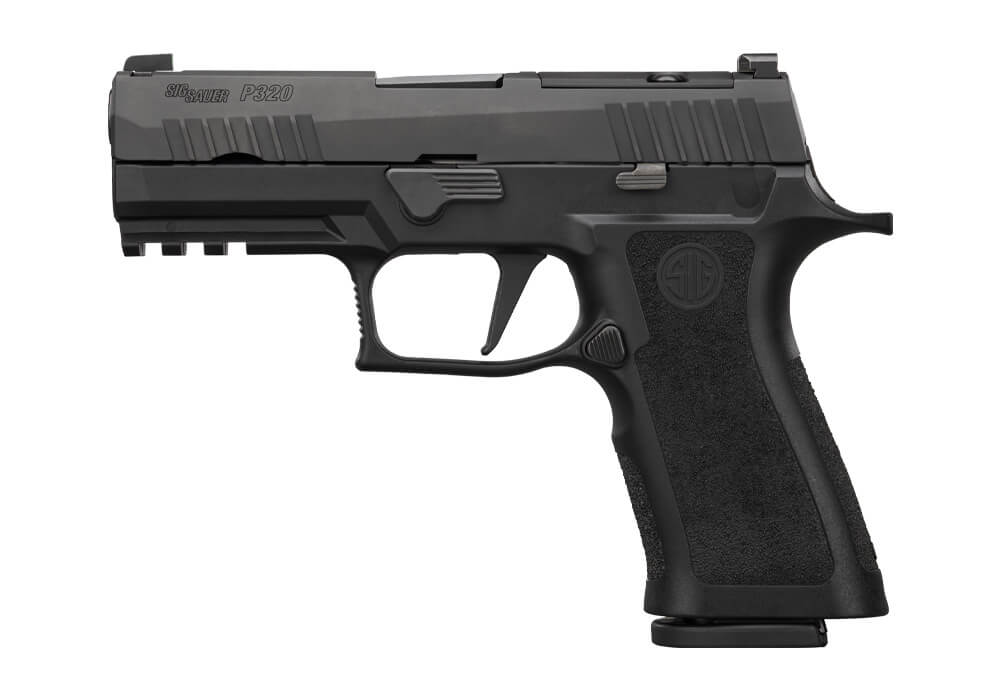
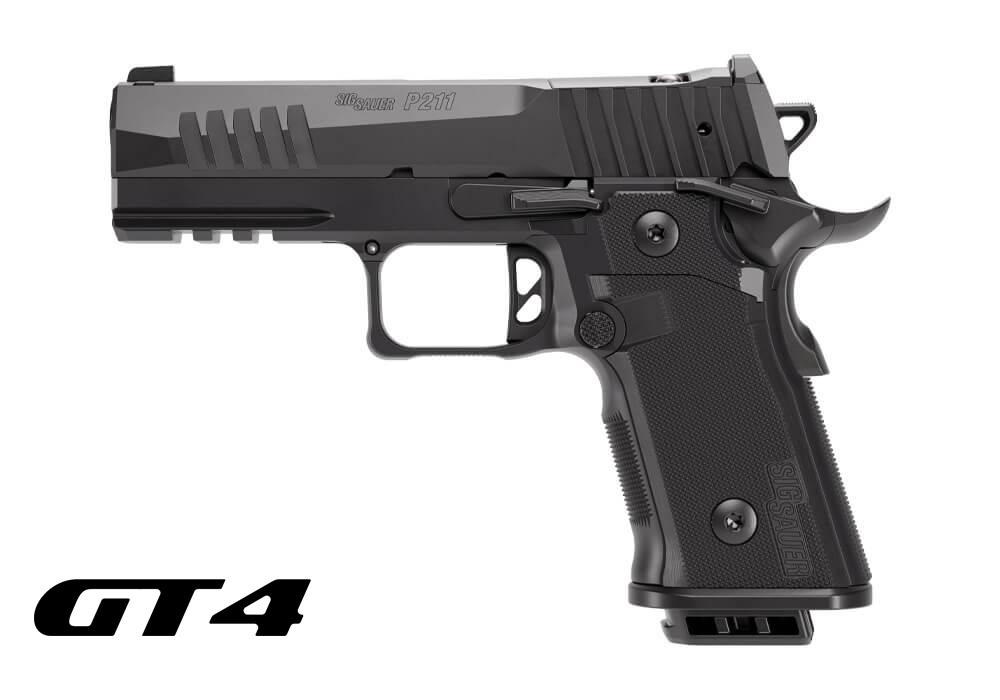
Handguns with compact length slides are designed around a practical balance: a shortened slide and barrel, typically measuring about 3.6 to 4.0 inches, combined with a grip frame sized for either a compact or full-size hold. This configuration can make a handgun easier to carry and maneuver without giving up the steady feel many shooters associate with a longer grip. The shorter front end reduces overall length and weight, while a longer grip can provide room for a full three-finger hold and a standard or extended-capacity magazine. That combination appeals to a broad range of users, including those selecting a handgun for concealed carry, home protection, range practice, training, or general ownership. A compact-length slide can also clear a holster with less forward travel and feel less noticeable when carried under a jacket or untucked shirt, particularly during the cooler months when layered clothing is common. At the same time, the grip remains an important part of the carry equation: a full-size frame may offer excellent control and a more comfortable shooting position, but it can require more attention to concealment around the waist or beneath lighter garments. When comparing options, consider the complete handgun rather than the slide alone. Overall length, height, width, unloaded weight, grip texture, trigger reach, controls, and the position of the magazine release all affect how naturally the firearm fits your hand and daily routine. A handgun that feels balanced when held at a counter may feel different after an hour in a holster, so carefully review dimensions and use a properly fitted holster designed for the exact configuration. As with any firearm purchase, confirm applicable laws, eligibility requirements, storage obligations, and concealed-carry regulations before completing a transaction.
Compact-length slide handguns are also valued for their versatility. Some pair the shorter slide with a compact grip for a relatively streamlined package, while others use a full-size grip frame to preserve a generous hand position and familiar magazine dimensions. Modern modular designs may use a serialized chassis or fire-control unit that allows compatible slide and grip configurations to be changed as the owner’s needs evolve. That flexibility can be useful for someone who wants one setup for discreet carry and another for practice at the range, provided every combination is specifically approved by the manufacturer and assembled according to the owner’s manual. Buyers who prefer a red-dot sight should look for an optic-ready slide or a model with a factory-cut mounting interface, then verify the footprint, mounting hardware, sight height, and compatibility with the chosen optic. A compact slide can provide a clean, manageable platform for an optic without the added length of a full-size slide, but an optic still adds height and may affect holster fit. The same attention applies to threaded barrels, compensators, suppressors, and other accessories. Thread patterns, barrel length, slide clearance, recoil-system compatibility, and local laws should be checked before purchase; suppressor ownership and use are subject to federal, state, and local requirements, and some accessories may require additional permits or registration. Caliber is another practical consideration. A common service caliber may offer broad ammunition availability and a manageable balance of recoil, while a different caliber may suit a particular training plan or personal preference. Whatever the chambering, consistent practice with quality ammunition and a dependable supply of replacement magazines can make ownership simpler. For many shooters, the right compact-length slide handgun is the one that points naturally, allows a secure grip, fits available holsters, and can be operated confidently without unnecessary adjustments.
These handguns can be a thoughtful purchase for an experienced shooter, a concealed-carry owner refining an everyday setup, or a household selecting a reliable firearm for defensive readiness. They are not an impulse gift, however, and a firearm should never be given without considering the recipient’s preferences, legal eligibility, safe-storage plan, and willingness to receive it. A gift card, range session, training class, or contribution toward a carefully chosen purchase may be a more suitable option when the recipient’s needs are not known. New owners can benefit from professional instruction that covers safe handling, loading and unloading, sight alignment, recoil management, holster use, and secure storage. A rigid holster that fully protects the trigger guard, a sturdy belt, and a locked storage container can be just as important to the overall setup as the handgun itself. During the transition from warmer weather to cooler months, clothing and carry conditions can change, making it worthwhile to confirm that the chosen holster remains comfortable and that garments do not interfere with safe handling. At home, store the firearm unloaded or in the condition recommended by the owner’s manual, separate from unauthorized users and secured against access by children. Regular inspection, cleaning, lubrication, and function checks should follow the manufacturer’s instructions, with particular attention to magazines, sights, optics, and any approved accessories. Shooters who prefer a longer grip and a more substantial overall feel may also want to compare these configurations with Full Size Handguns With Optic Ready Slide, while those prioritizing a shorter front end may find compact-length slide handguns easier to carry and store. Whether used for practice on a quiet range, discreet daily carry, or preparedness at home, the strongest choice is one that matches the owner’s hand size, experience, clothing, accessories, training habits, and local requirements.