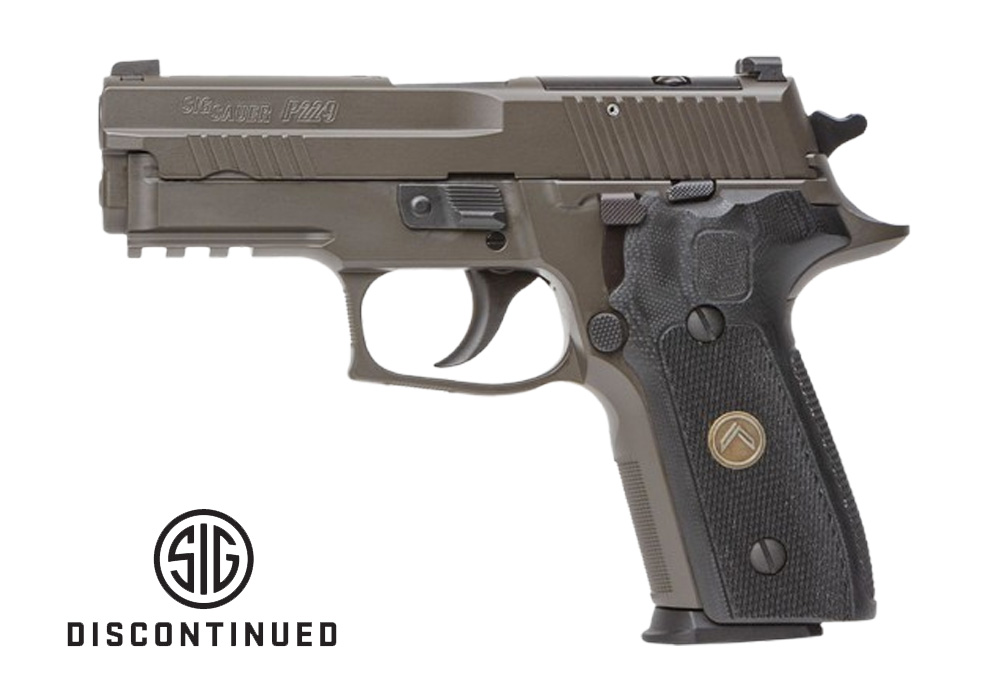
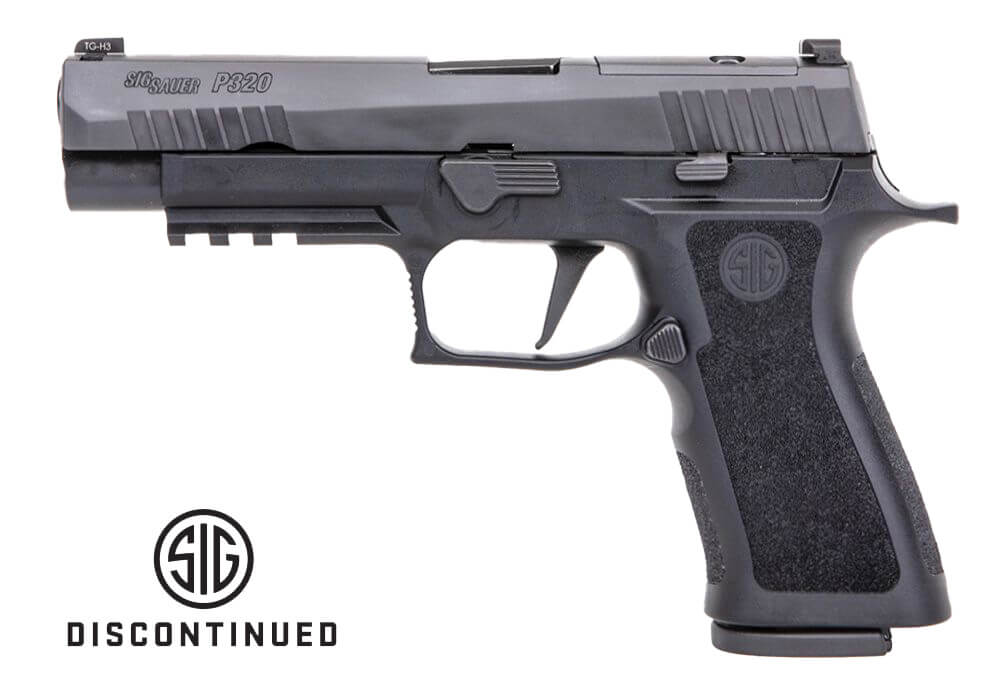
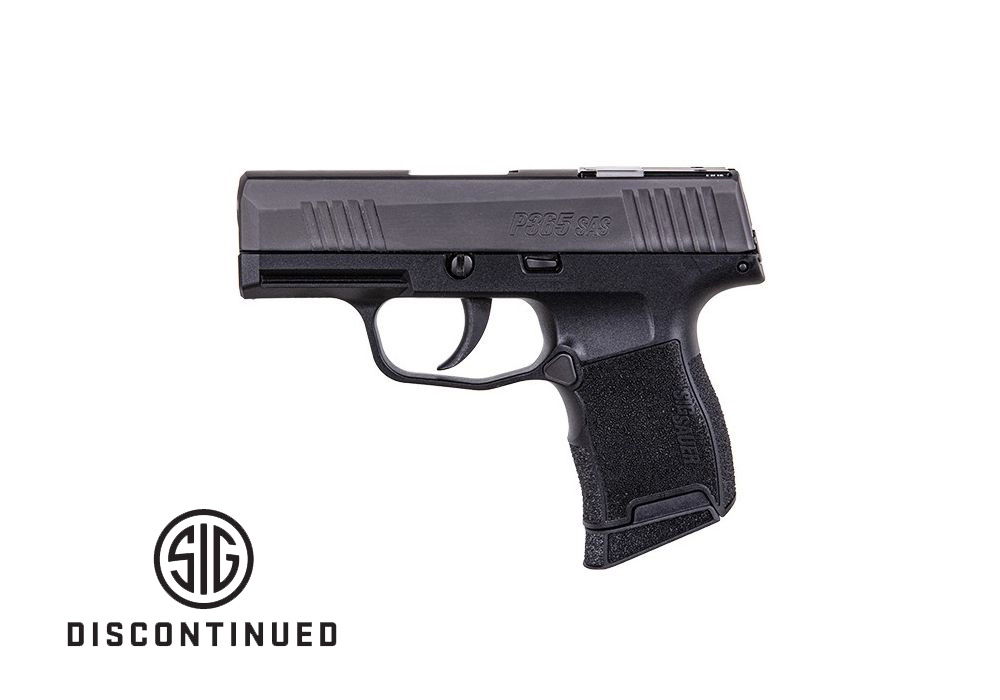
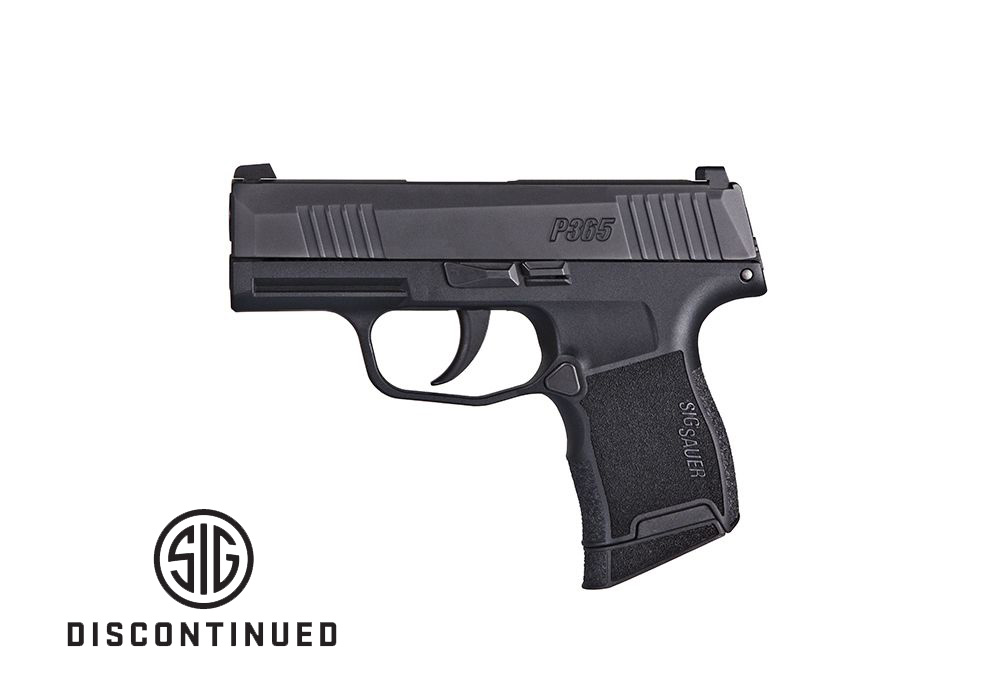
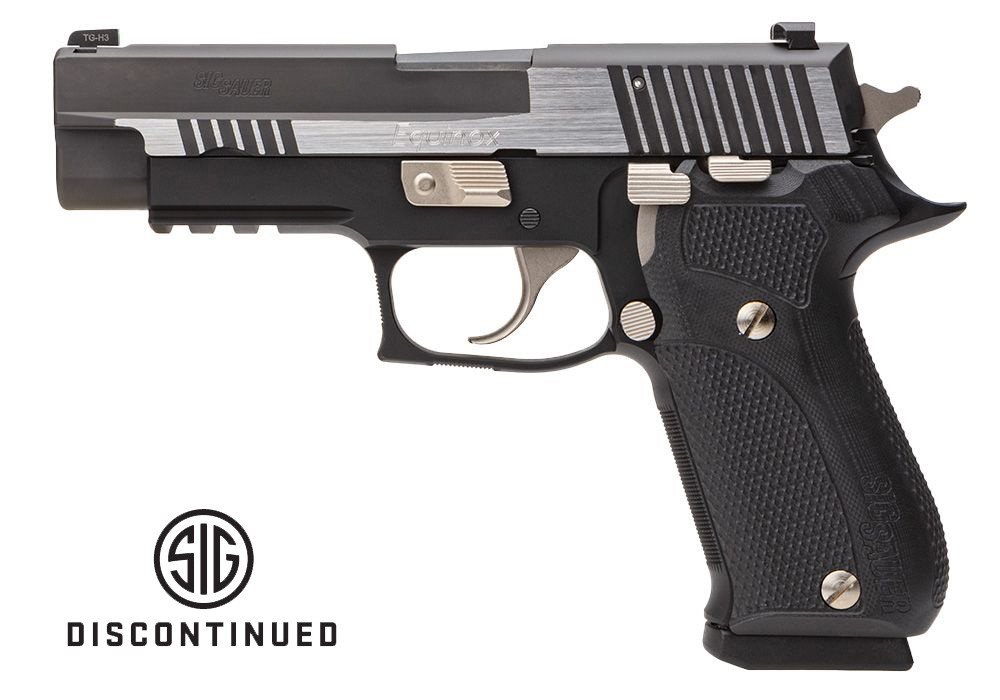
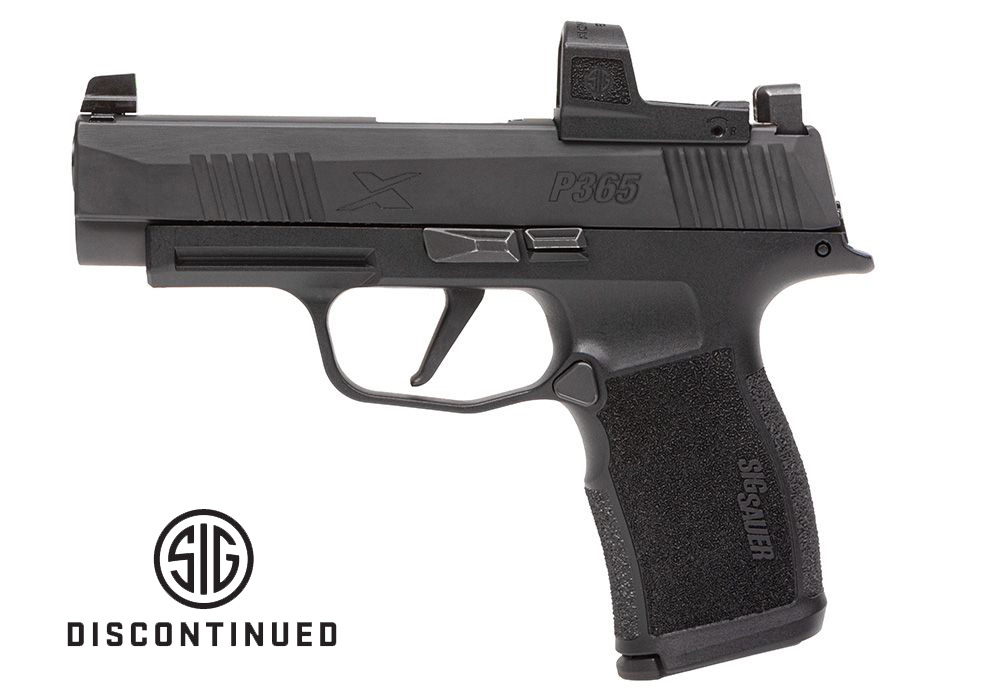
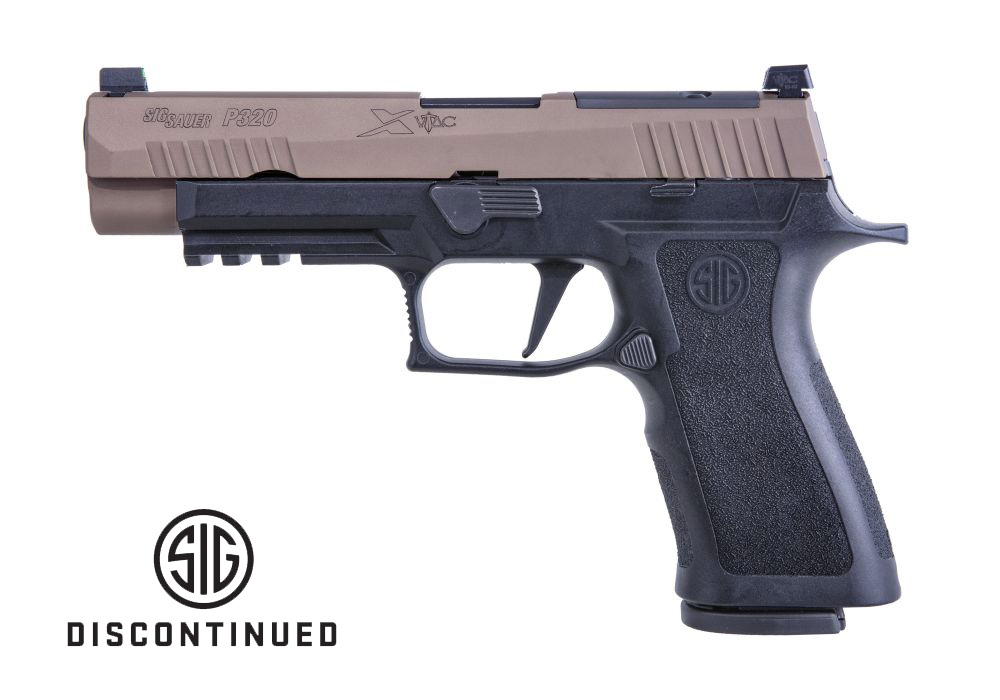
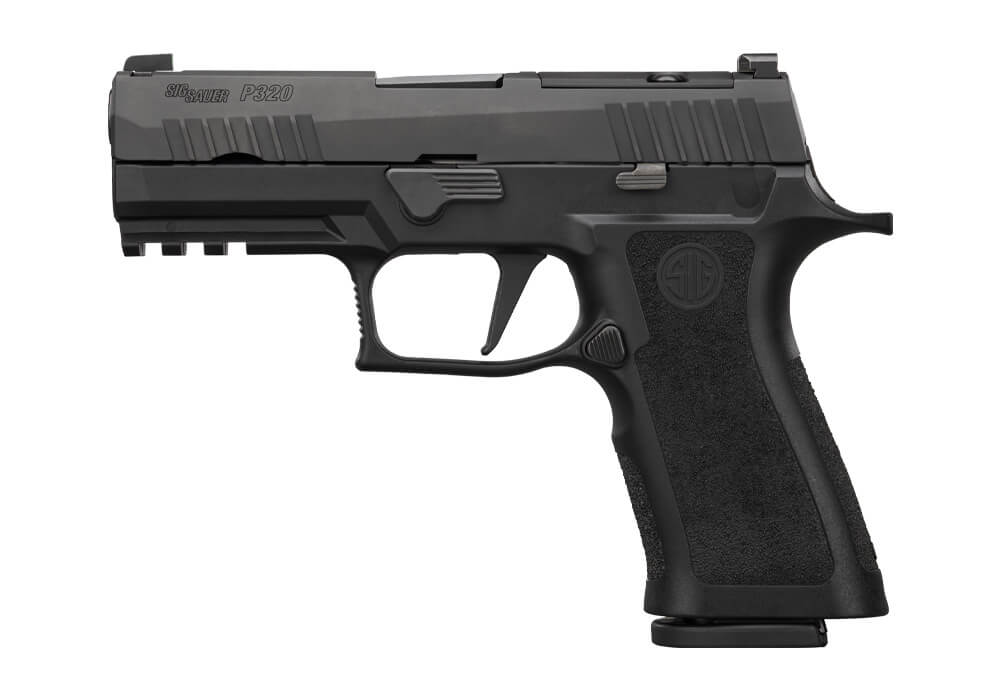
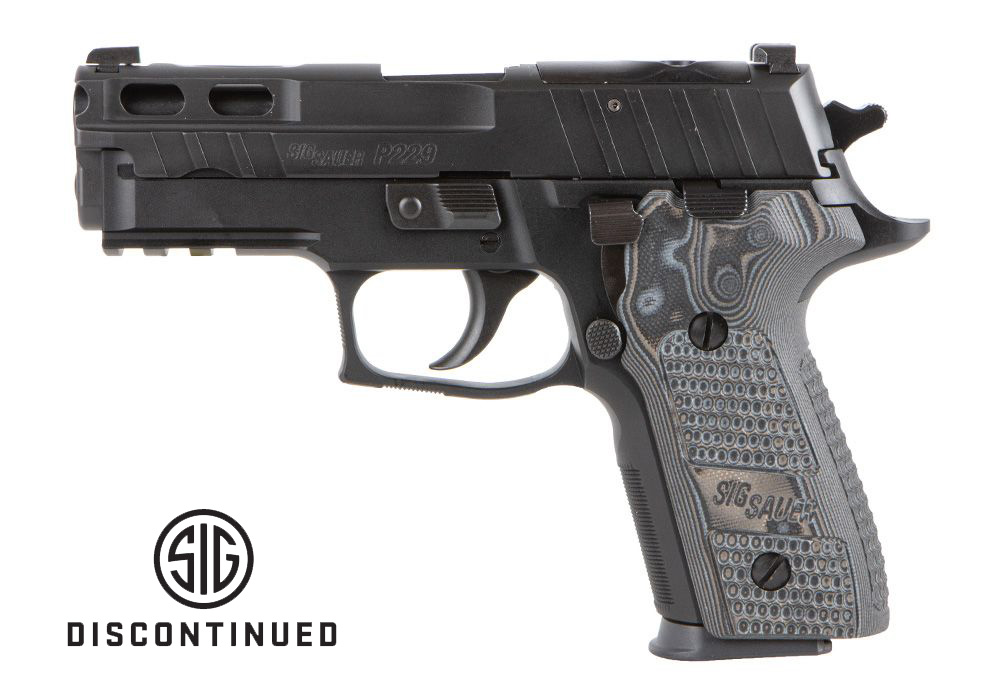
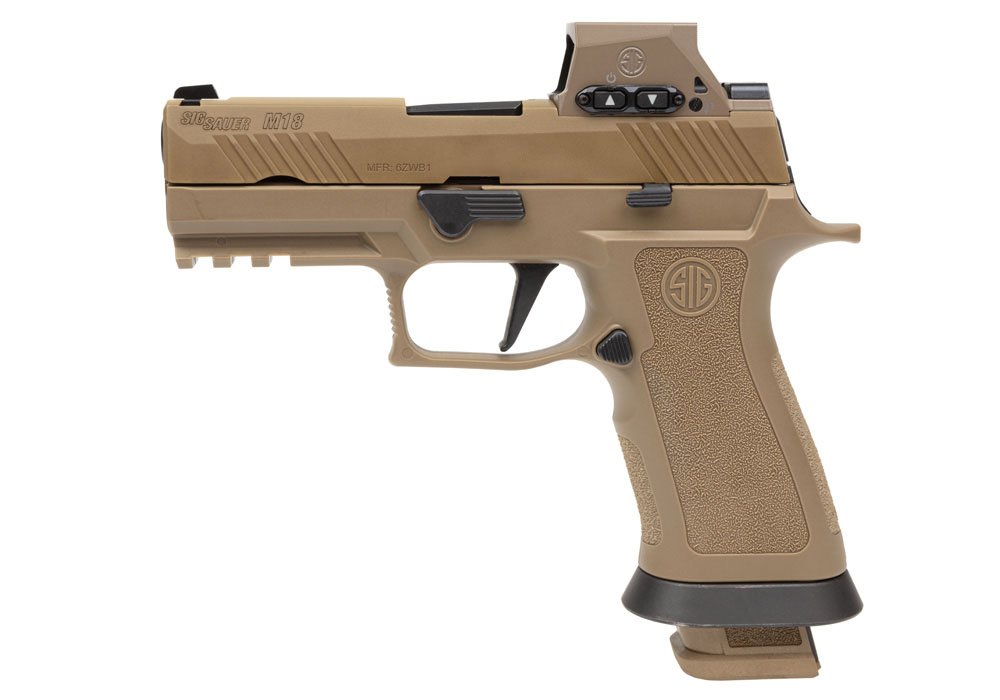
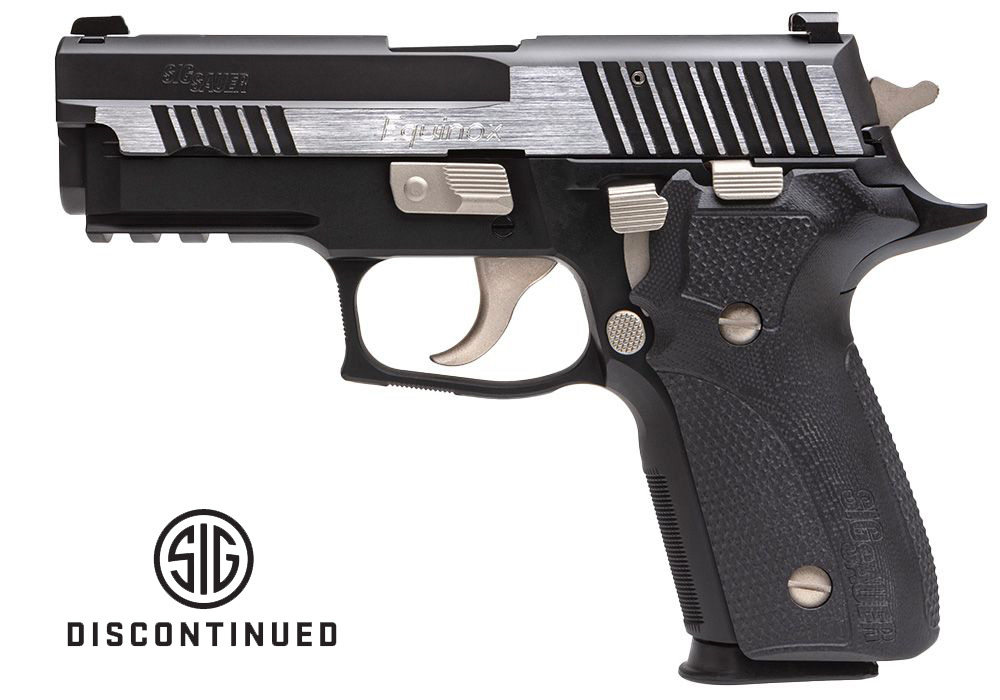
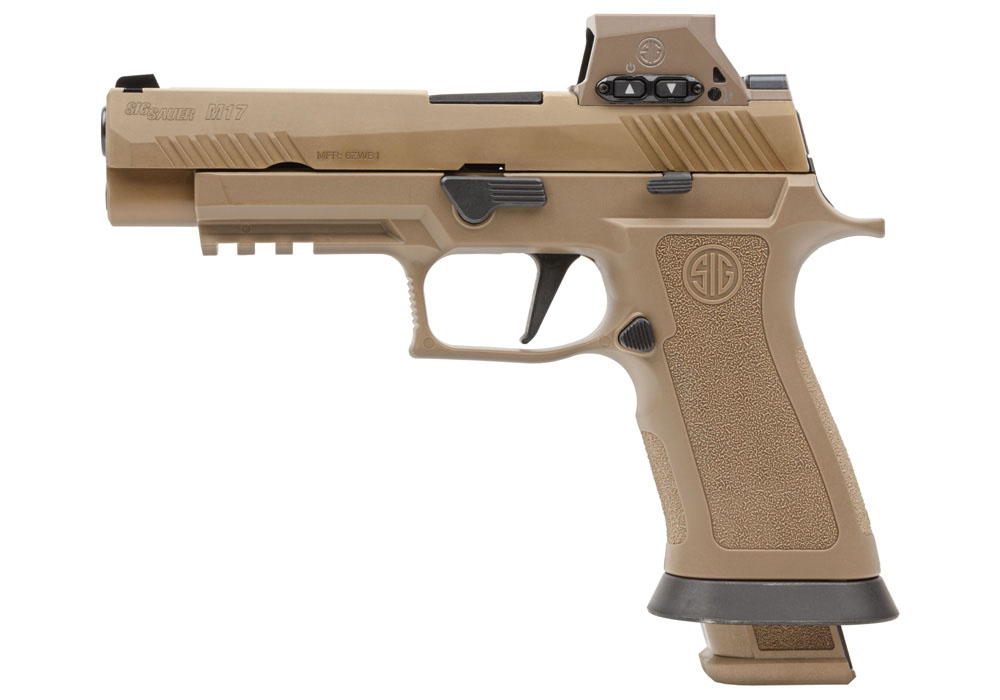
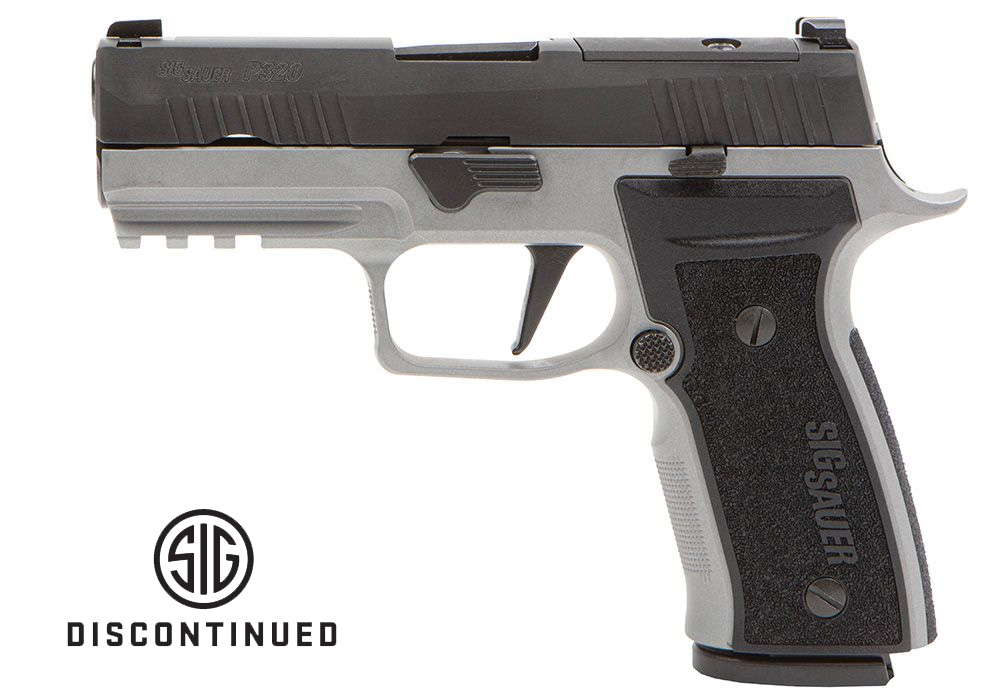
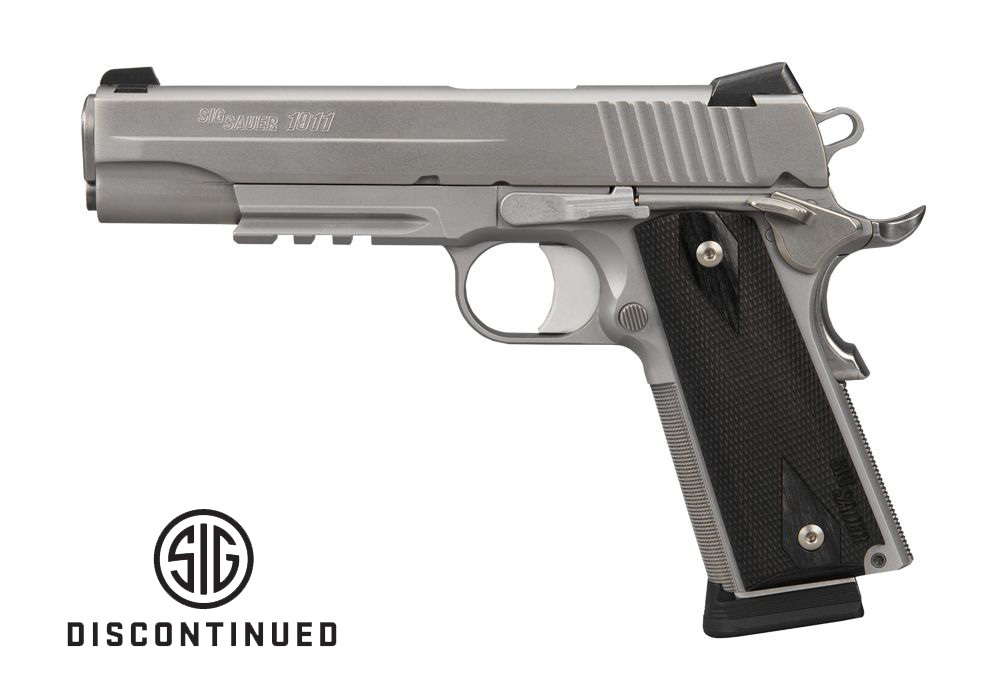
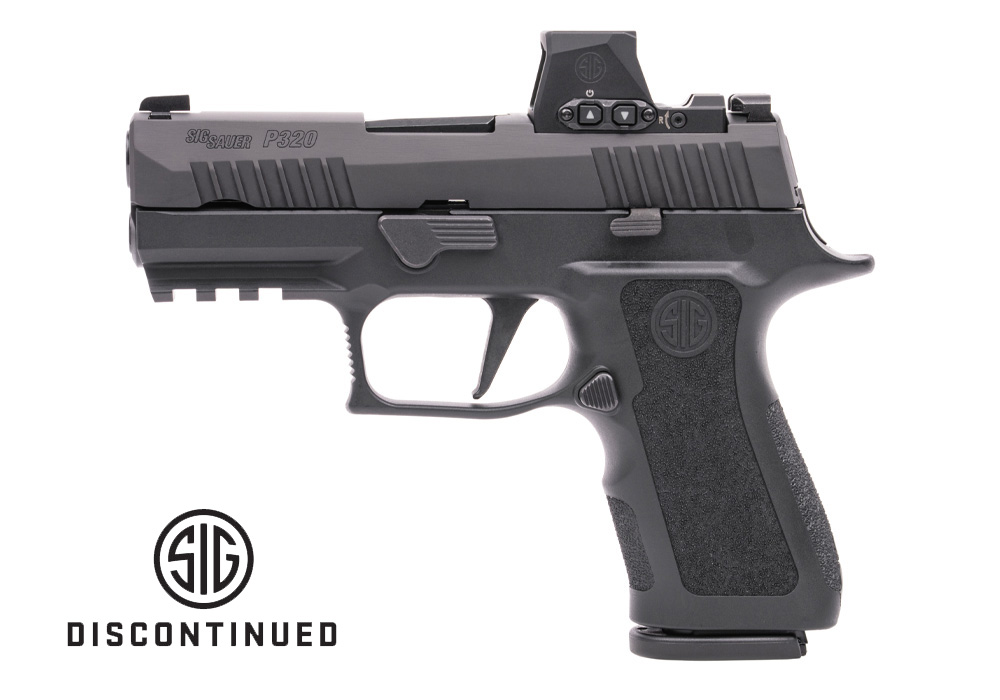
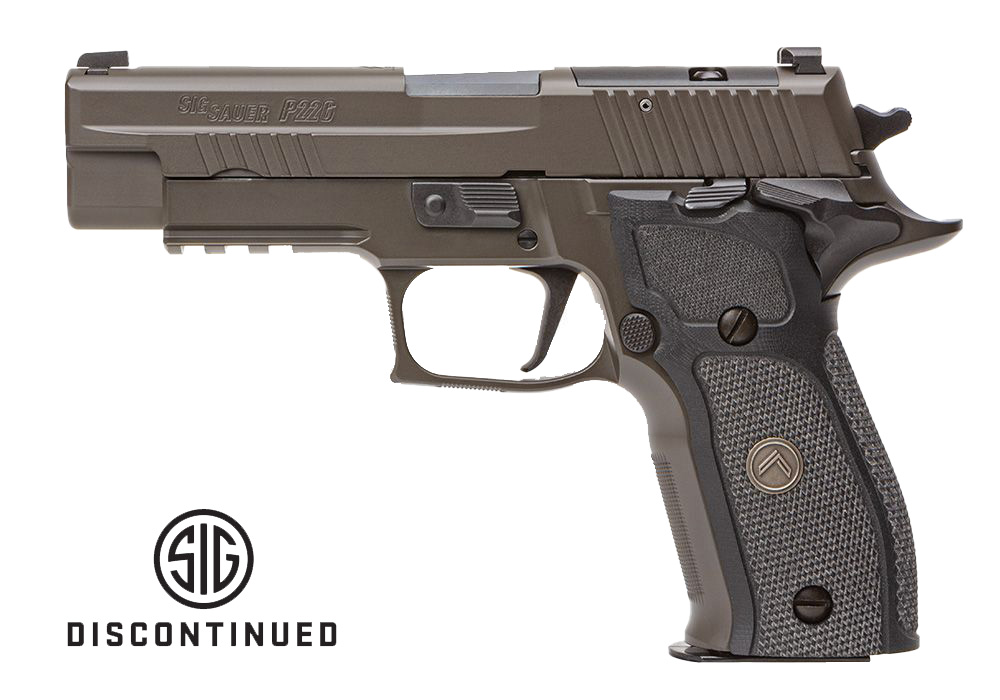
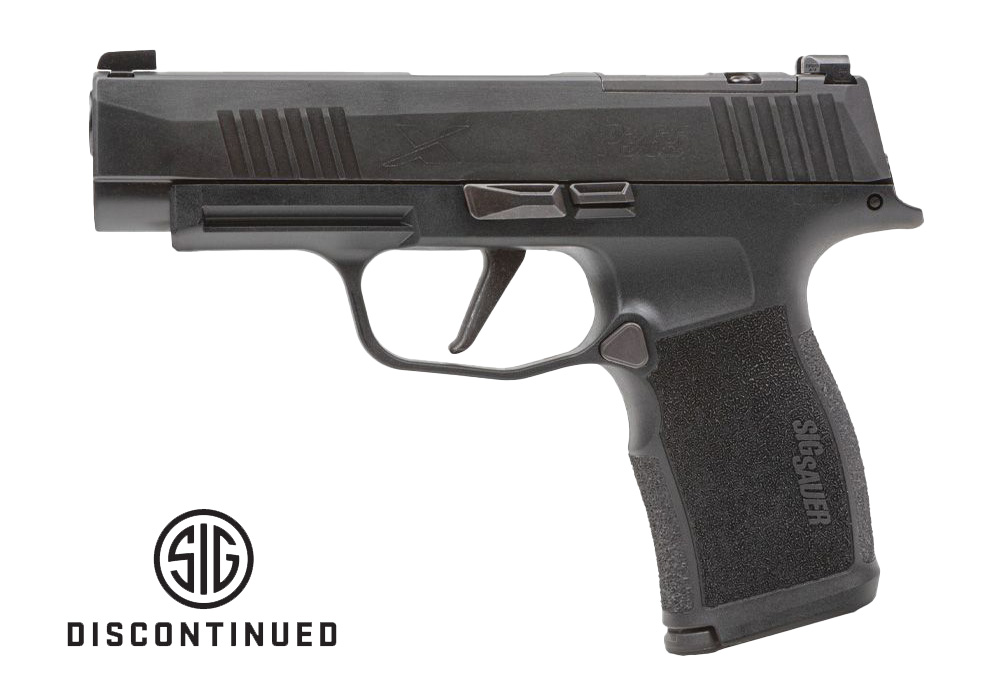
Handguns with an extended beavertail and undercut trigger guard are designed around a simple but meaningful principle: the hand should sit as high and securely as practical on the frame. An extended beavertail shields the web of the hand from the reciprocating slide and, on some designs, the hammer, while also helping guide the shooter into a consistent grip. The undercut beneath the rear of the trigger guard gives the middle finger additional room to ride higher on the frame. Together, these features can create a more locked-in feel, reduce the tendency for the hand to shift during firing, and help the shooter manage muzzle movement through a series of shots. That geometry is especially noticeable when comparing a traditional frame with a modern ergonomic design. Instead of feeling as though the pistol is perched above the hand, the grip can feel nestled into the palm, with the wrist aligned more naturally behind the bore. Shooters who spend time practicing from the ready position often appreciate how quickly the hand finds the same reference points each time. A pronounced beavertail can also be helpful for people who have experienced discomfort from slide movement or hammer bite, although proper grip technique, safe handling, and appropriate fit remain essential. The exact effect depends on hand size, grip shape, texture, and the individual’s ability to reach the controls without shifting position. Products in this category may appeal to recreational range shooters, defensive-minded owners, competitors, and experienced enthusiasts refining a familiar setup. They may also be considered as a gift for a responsible adult who already has the required knowledge, training, and legal eligibility to own a handgun; any transfer should follow all applicable laws, background-check requirements, and dealer procedures.
When comparing handguns with extended beavertail and undercut features, start with the way the frame meets your hand rather than focusing on appearance alone. A beavertail should allow a high grip without creating a sharp pressure point at the web of the thumb. The transition from the backstrap into the beavertail should feel smooth, particularly when the pistol is held firmly with both hands. At the front of the grip, examine how the trigger guard undercut positions the middle finger. A useful undercut lets the finger sit higher while maintaining a comfortable trigger reach, but an aggressive contour may feel cramped or rub during longer practice sessions. Texture is another important consideration. Fine texturing can be comfortable for daily handling and extended practice, while more pronounced texturing may provide a secure hold with wet hands, gloves, or perspiration during warmer weather. Look for a grip that remains stable without requiring excessive squeezing, since an overly tight hold can introduce fatigue and make precise trigger control more difficult. Control placement, slide operation, sight picture, overall weight, and balance also deserve attention. A pistol that fits well should let the shooter establish a repeatable two-handed grip, operate the controls deliberately, and reach the trigger without twisting the wrist or disturbing the sights. Those selecting a handgun for concealed carry should also consider how the beavertail and rear profile interact with clothing, a holster, and the body during movement. A longer rear contour may improve hand protection and grip consistency, yet it can affect concealment depending on the holster and carry position. For range use or competition, the same features may be valued for fast presentation, recoil management, and consistent follow-up shots. Capacity, ammunition compatibility, magazine availability, maintenance requirements, and the availability of suitable holsters and replacement parts should be weighed alongside frame ergonomics. A clean, comfortable fit is more valuable than a feature list that does not translate to confident handling.
The best choice ultimately reflects the way the handgun will be handled, practiced with, and stored. Someone who visits an indoor range during cooler months may prioritize a comfortable grip that supports repeated practice without hot spots or fatigue. An owner who trains outdoors as the weather warms may place greater emphasis on traction, glove compatibility, and a beavertail that keeps the hand firmly positioned through rapid drills. Regardless of season, a well-fitted handgun should be paired with a quality holster that fully covers the trigger guard, secure storage that prevents unauthorized access, and ammunition appropriate for the firearm and intended practice. New owners should schedule professional instruction before relying on any handgun for personal protection, then reinforce those lessons with regular dry practice conducted only after the firearm has been unloaded and the training area verified safe. Live-fire practice should begin slowly, emphasizing a stable grip, an indexed trigger finger, clear sight alignment, and deliberate reset before speed becomes a goal. Experienced shooters can use the same fundamentals to evaluate whether an extended beavertail and undercut genuinely improve consistency rather than simply changing the feel of the frame. It can be useful to spend time with several grip positions, noting whether the support hand can make solid contact and whether the sights return naturally after each shot. Owners exploring related ergonomic features may also find value in reviewing Handguns With Tactical Frame Design for additional frame profiles and handling considerations. From a first handgun selected with careful instruction to a refined range setup chosen by a practiced shooter, these design elements can provide a secure, repeatable interface between the person and the firearm. Safe storage, responsible ownership, regular maintenance, and continuing training should remain part of that decision from the beginning.






![[["P226, 9MM, 3.8IN, X-SERIES LEGION, LEGION GRAY, SAO, X-RAY 3, G10 GRIP, (3) 18RD STEEL MAG, SIG-L","OC PRO"]]](http://www.sigsauer.com/media/catalog/product/p/2/p226xca-legion-sao-rxx-1_1.jpg)