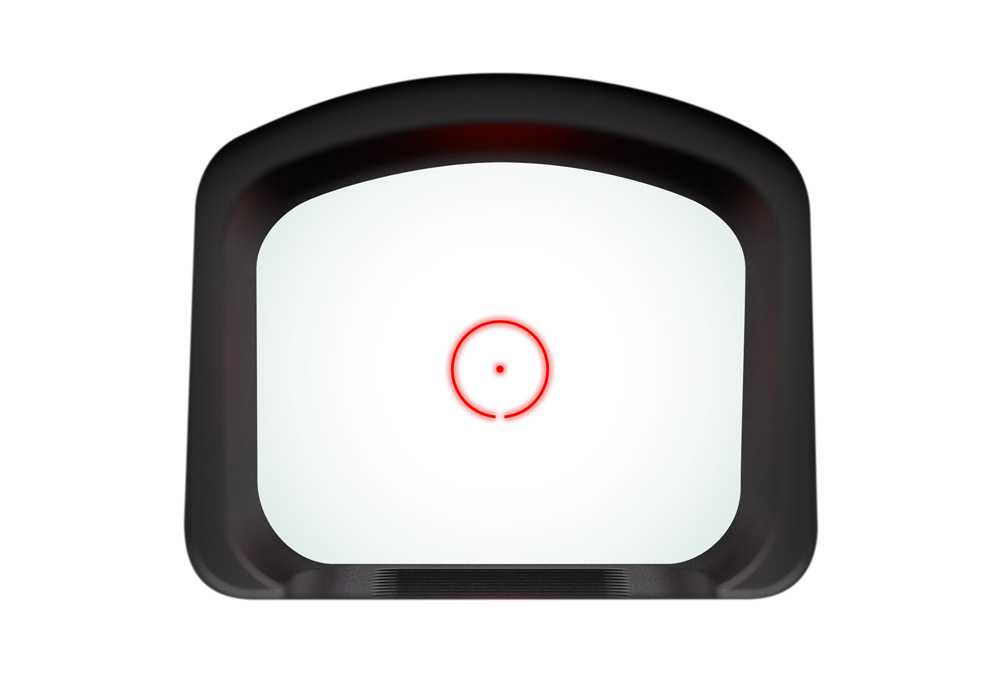
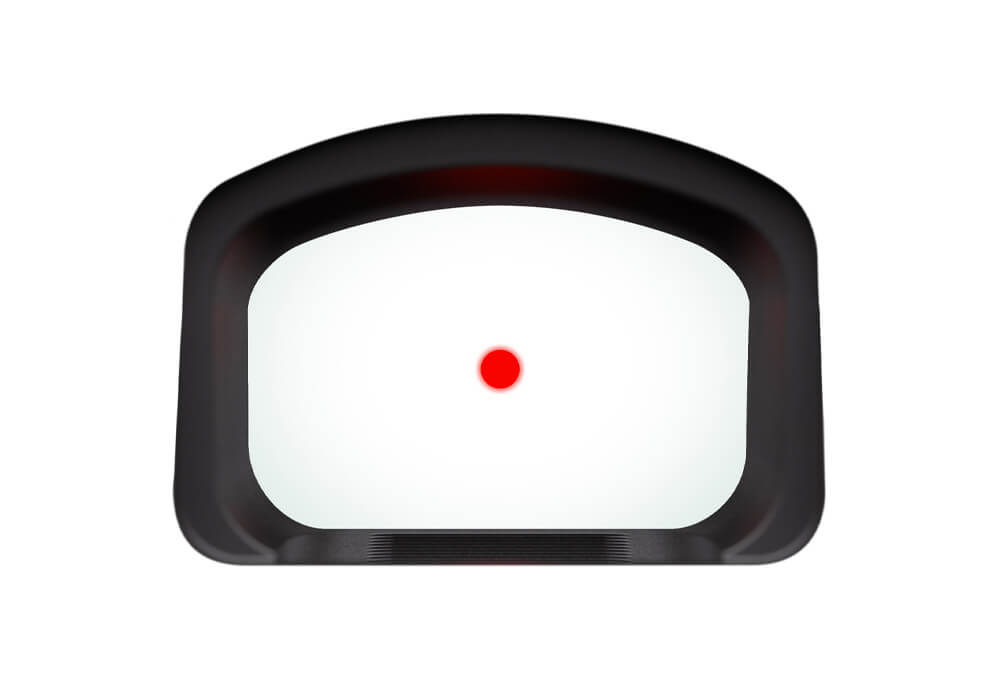
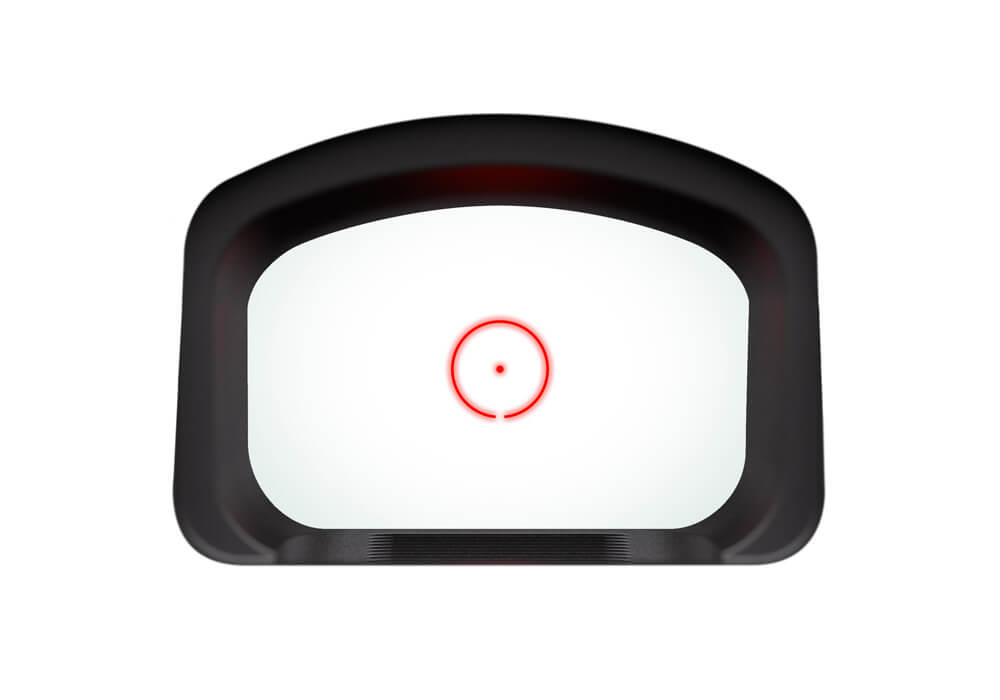
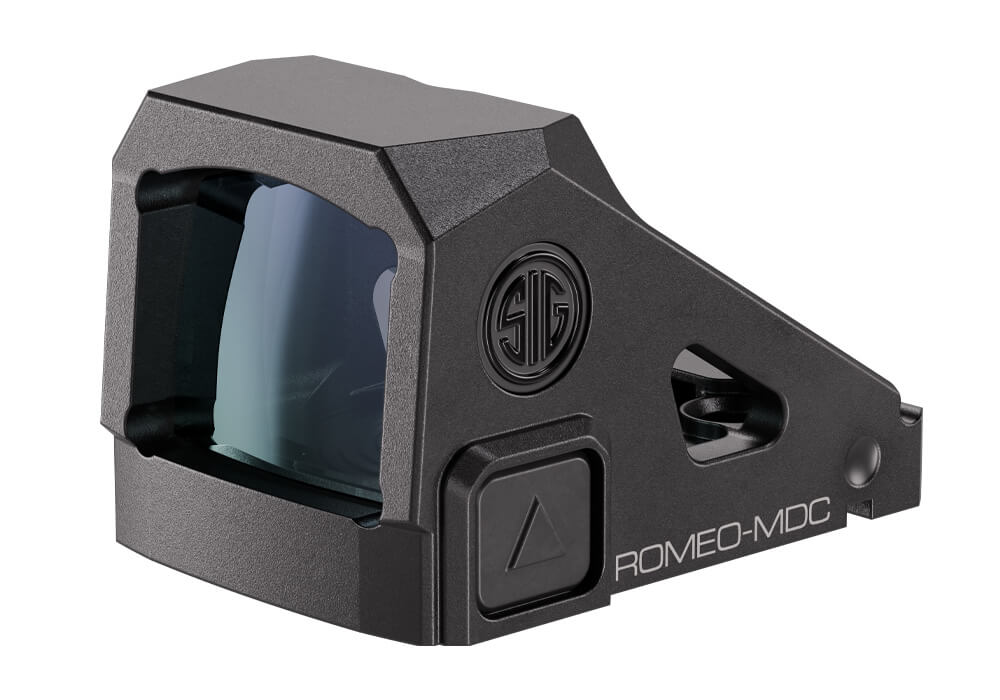
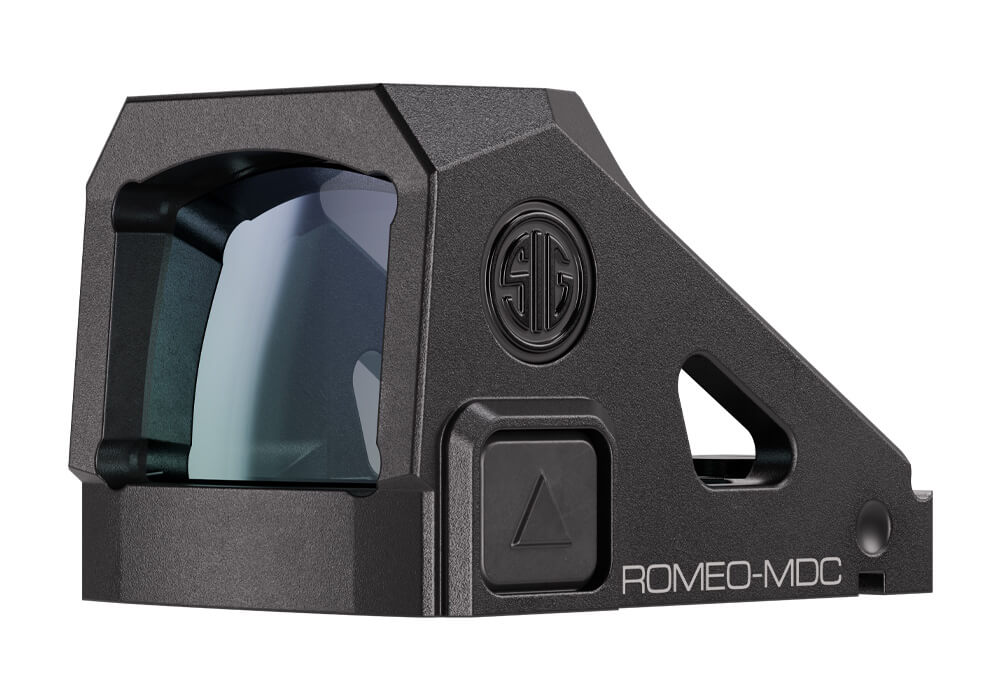
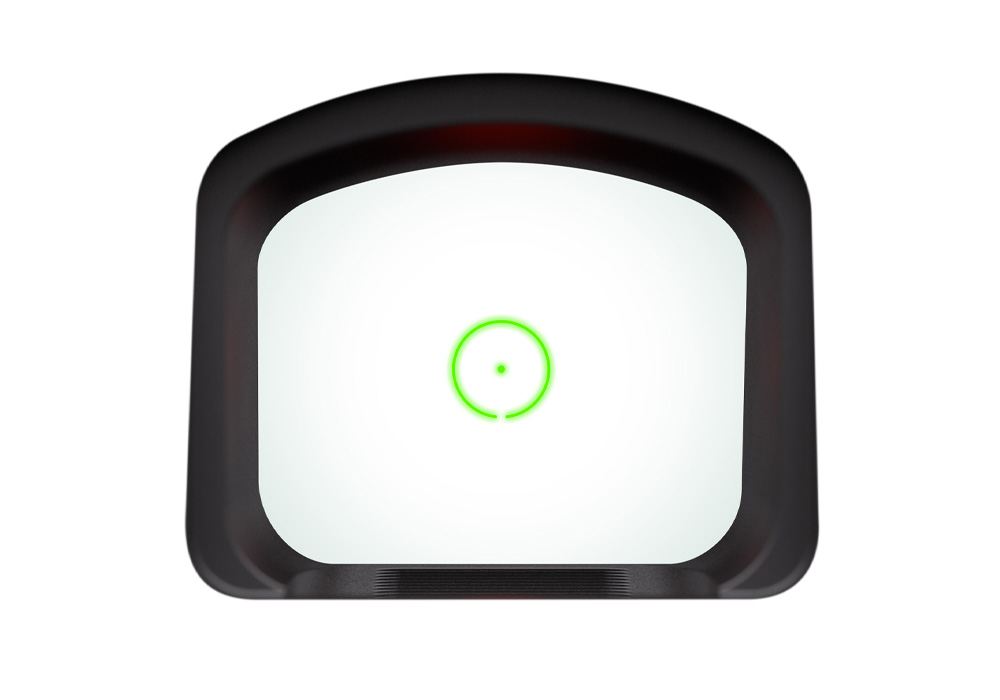
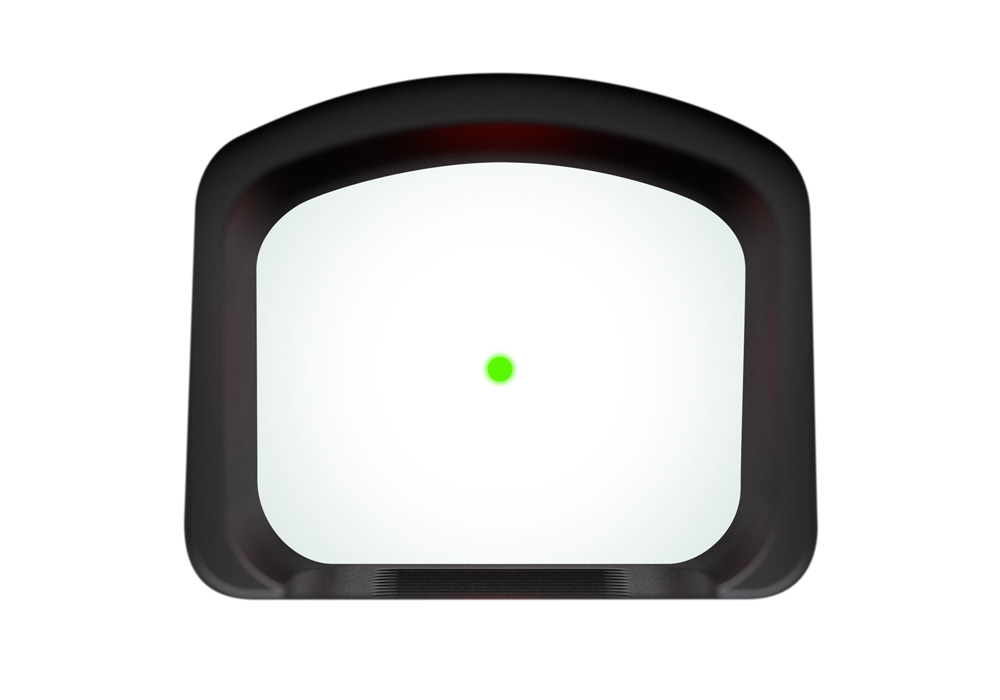
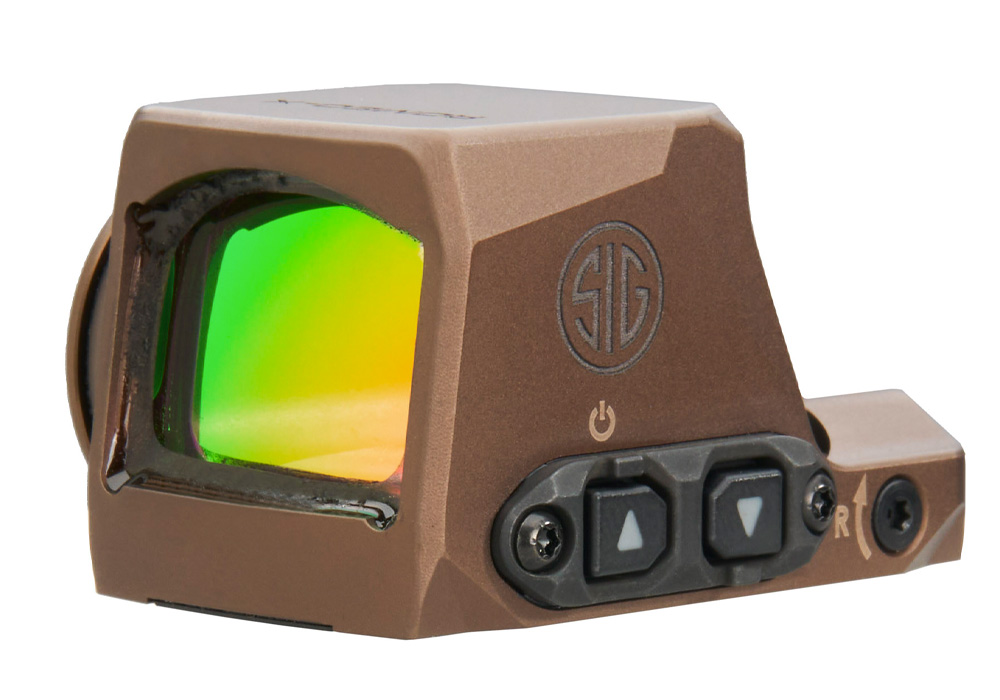
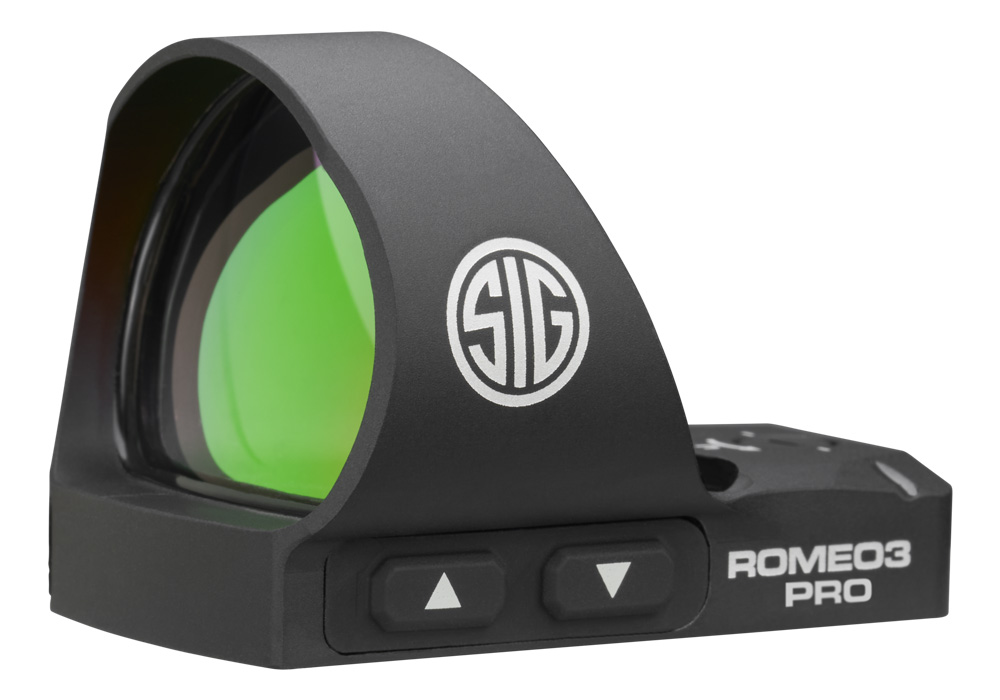
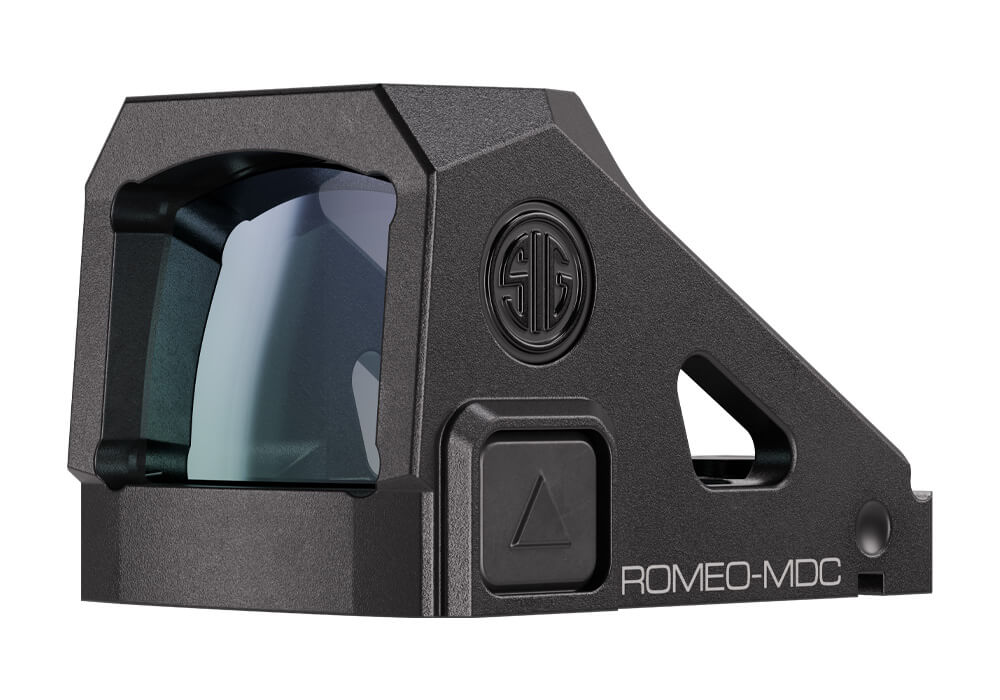
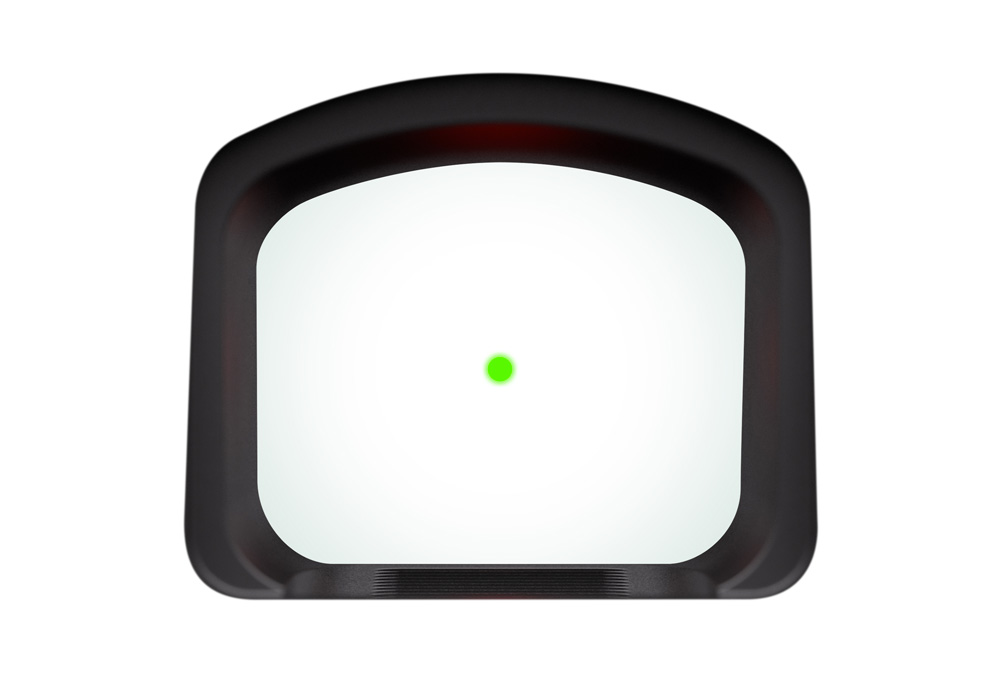
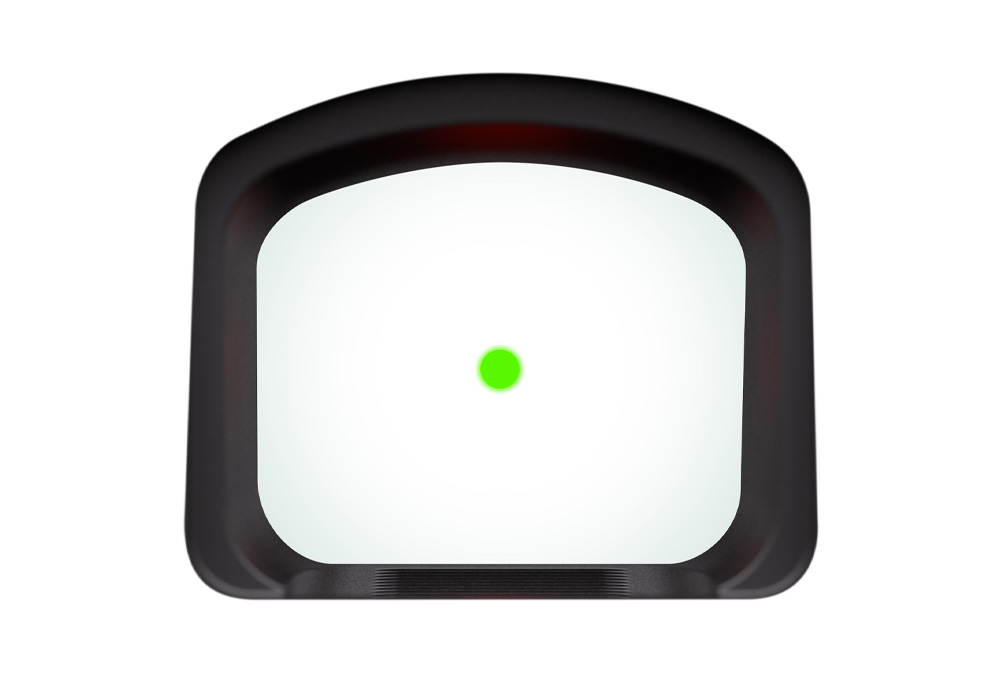
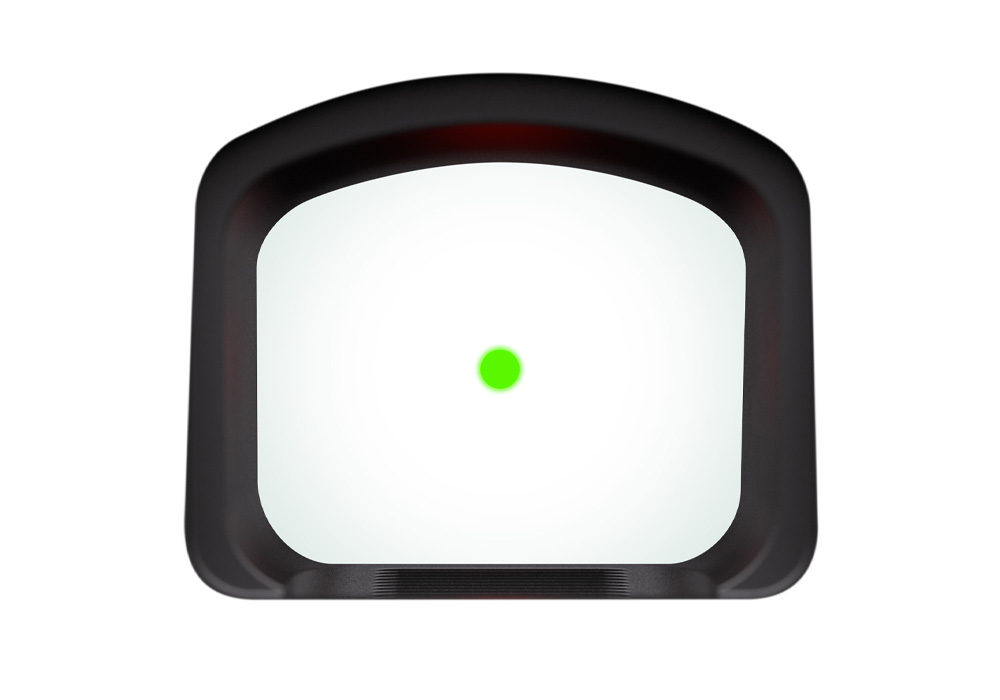
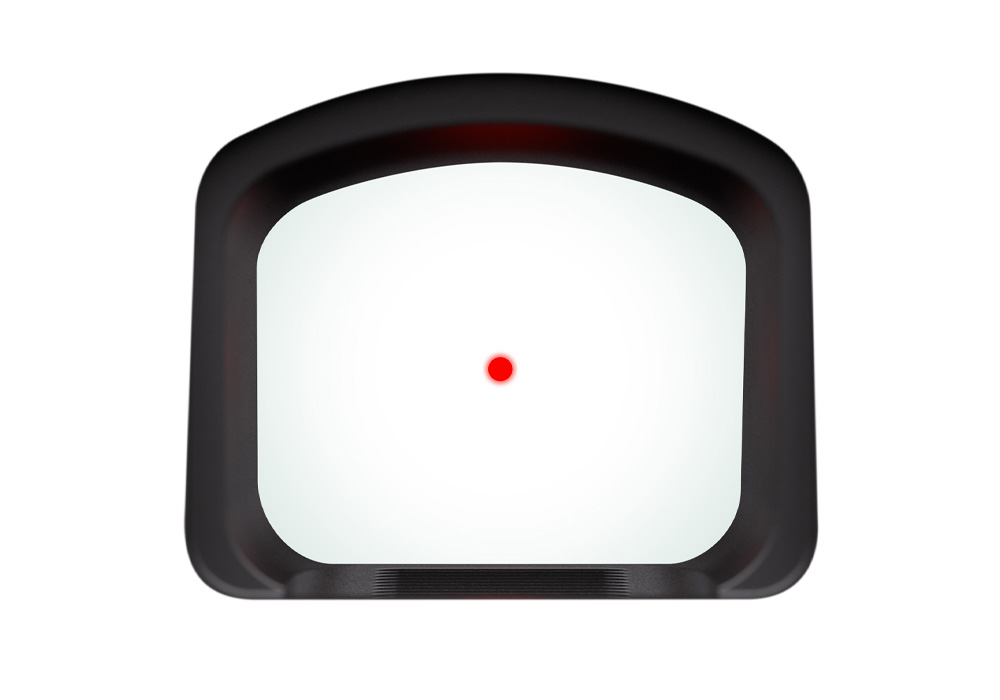
High clarity reflex optics are unmagnified aiming sights designed to place a bright, easy-to-see aiming point over the target without covering the surrounding field of view. An LED or fiber optic emitter projects a red or green dot onto a specially coated glass lens, giving the shooter a fast reference point while keeping both eyes open. That open-eye sight picture is one of the defining advantages of a reflex optic: instead of narrowing focus through a tube or aligning several separate sights, the shooter can maintain a broader view of the environment and bring the illuminated dot into position with a natural presentation. The dot remains aligned with the target when the head shifts slightly or the eye is not perfectly centered behind the optic, a characteristic commonly described as parallax-free performance. High-grade glass can further improve the experience by reducing haze, distortion, glare, and the “fish-eye” effect that may distract from a clean sight picture. These qualities make high clarity reflex optics useful on pistols, rifles, and shotguns for target shooting, training, hunting, home-defense setups, and other applications where quick, uncomplicated aiming matters. A shooter working through a series of close-range drills may appreciate how quickly the dot appears during presentation, while a hunter in a shaded tree line can benefit from a crisp aiming reference against a changing background. For a broad selection of options, explore High Clarity Red Dot Reflex Sights and compare features suited to your firearm and intended use.
Choosing the right optic begins with matching its design to the firearm and the way it will be carried or used. Pistol-mounted optics generally need a compact profile, a compatible mounting footprint, and construction capable of handling repeated slide movement and recoil. A rifle or shotgun optic may offer a larger viewing window, a different mounting system, or controls positioned for use with gloved hands. Confirming the mounting interface before purchase is essential; an optic must be compatible with the firearm’s slide cut, adapter plate, rail, or base, and the required screws or hardware should be appropriate for that installation. Window size also deserves careful attention. A larger window can make it easier to locate the dot during a fast presentation, while a more compact housing may be preferable for concealed carry or a streamlined setup. Dot size is another practical consideration. Smaller dots can support precise aiming when the shooter has a clear view of the target, while larger dots may be easier to pick up quickly at close distances or in low-light conditions. Adjustable brightness allows the reticle to remain visible against bright outdoor backgrounds without appearing overly intense in dim surroundings. Some users prefer a red dot for its familiar contrast and broad availability, while others find a green dot easier to distinguish in particular lighting conditions. Automatic brightness adjustment can simplify operation, though manual controls may appeal to shooters who want direct control over the sight picture. Battery life, accessible controls, an automatic shutoff feature, motion activation, and a clear low-battery indication can all make an optic more convenient for storage and regular use. A durable housing, sealed electronics, scratch-resistant lenses, and resistance to water, dust, and recoil are valuable for equipment that may move from a range bag to a damp field or a cold vehicle during the cooler months.
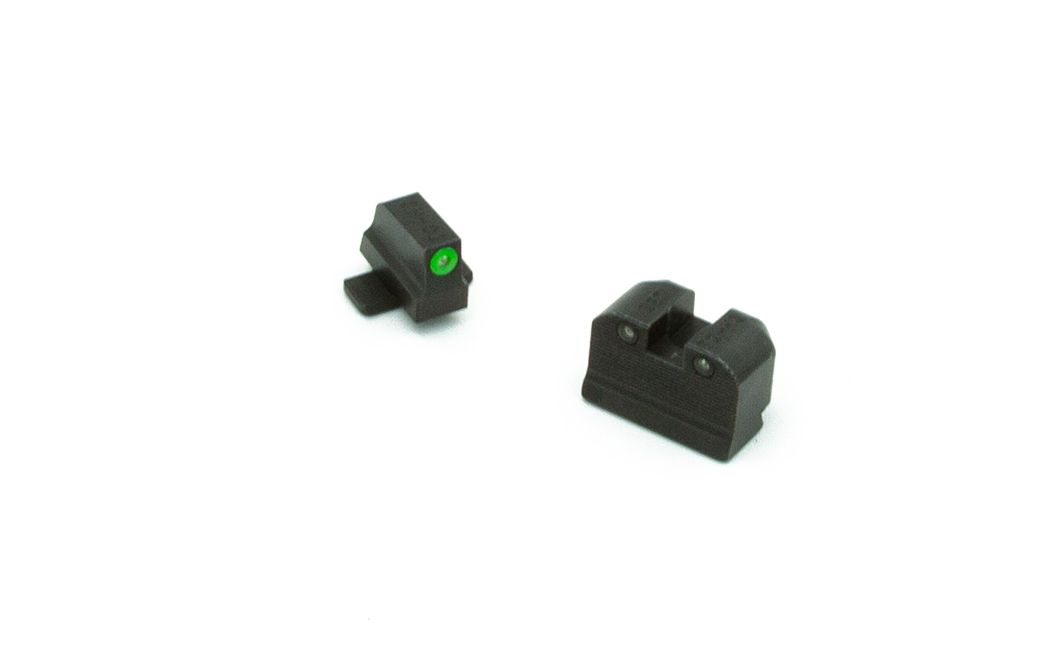
Reflex optics can be a practical choice for experienced shooters refining speed and consistency, as well as for newer users learning a straightforward aiming system. They are often selected for defensive firearms because the illuminated dot can be acquired without the shooter needing to align a front sight and rear sight in the traditional manner. They also suit range users who want to practice transitions, controlled pairs, and target changes while maintaining awareness of the surrounding area. On a rifle or shotgun, an unmagnified optic can support fast engagement at close and intermediate distances, particularly when the shooter needs to keep both eyes open while moving between targets. Hunters may value a clean, uncluttered sight picture when tracking game through brush, timber, or uneven light, provided the optic and firearm are appropriate for the hunt and used in accordance with applicable regulations. These optics can also make thoughtful gifts for a new firearm owner, a range partner, or an outdoors enthusiast, especially when the recipient’s firearm platform and mounting requirements are known. A compact reflex sight, protective cover, mounting accessories, or a gift card toward installation can complement a training session or help someone prepare a new setup. After installation, the optic should be securely mounted and zeroed from a stable position at a suitable distance, then checked again after live-fire practice and whenever the mounting hardware has been removed. Shooters should become familiar with brightness controls, battery replacement, lens care, and the sight’s manual before relying on it. A soft lens cloth and non-abrasive cleaning method help preserve clarity, while keeping the optic protected when it is stored in a case or range bag helps maintain reliable performance. Whether used for deliberate practice beneath bright autumn skies, a hunting trip through changing terrain, or routine preparation during colder weather, a high clarity reflex optic can provide a bright aiming reference, broad situational awareness, and a fast, repeatable sight picture.