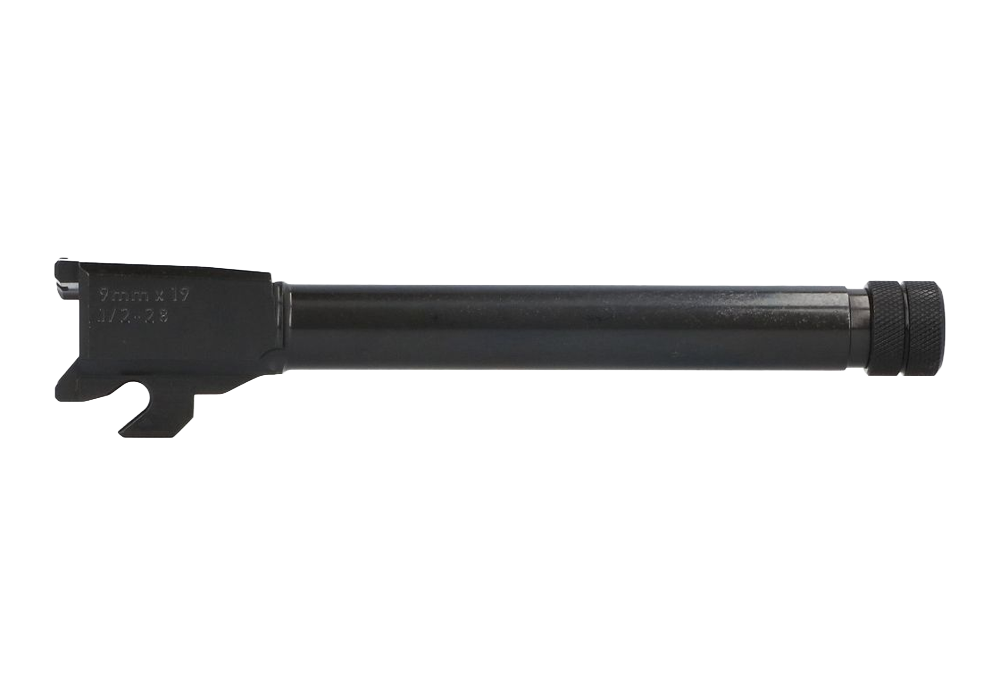
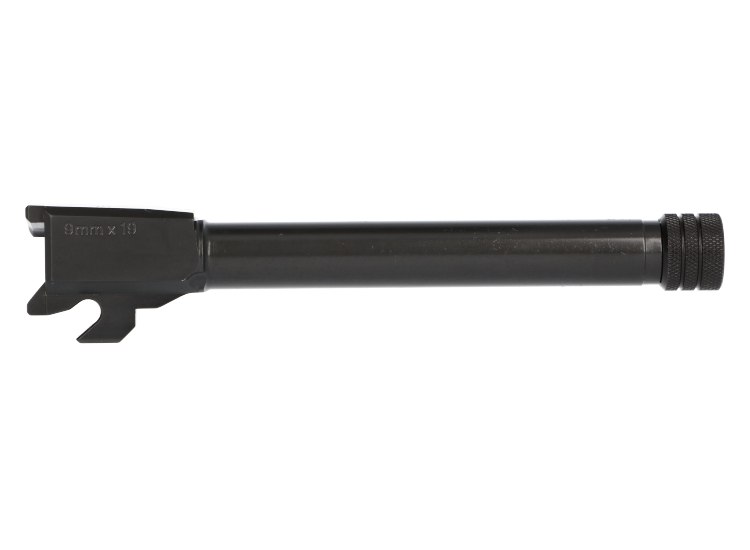
High-end 9mm pistol barrels are distinguished by material quality, carefully controlled dimensions, durable surface treatments, and compatibility with a particular pistol platform. As the component that contains the chamber and guides the projectile, a barrel has a demanding role in normal firearm operation. Its value depends on more than an attractive finish or a match-grade label. Steel selection, manufacturing consistency, chamber geometry, bore condition, and the relationship between the barrel and the rest of the pistol all matter. Stainless steel and other suitable steel alloys are common choices, with different material specifications offering different balances of strength, corrosion resistance, and maintenance requirements. Surface treatments can provide additional resistance to wear or corrosion, while polished, satin, and darker finishes create distinct appearances. Those appearances do not tell the whole story: two barrels with similar colors may have very different underlying materials or treatments. Detailed specifications are more useful than color alone when comparing construction. The term match-grade generally signals an emphasis on precision manufacturing, but it is not a universal guarantee of a particular result. Accuracy also reflects the complete firearm, ammunition consistency, sighting system, and shooter technique. A premium barrel belongs within that larger system rather than standing apart from it. For someone who spends regular time at the range, the appeal often lies in documented specifications, consistent workmanship, and a component suited to sustained use and routine care. Clean machining, clearly identified compatibility, and reliable manufacturer documentation provide meaningful context beyond cosmetic details. Even less visible areas deserve attention in a product description, including the chamber, bore, and locking surfaces. These are working features, not decorative ones. A well-described barrel explains its intended application clearly, helping distinguish substantive construction details from broad performance language. That clarity is especially valuable when comparing components that look nearly identical in photographs but serve different pistol configurations.
Fit is one of the most important distinctions among premium 9mm pistol barrels. The cartridge designation alone does not establish whether a barrel belongs in a particular firearm. Model, generation, slide configuration, barrel length, and other manufacturer-defined specifications can affect compatibility, even within closely related pistol families. A familiar silhouette or a similar overall length is not enough to confirm the correct match. Factory replacement barrels and aftermarket alternatives may also have different fitting requirements, so the stated application deserves close attention. Some configurations are intended for installation without custom fitting, while others require evaluation and fitting by a qualified gunsmith. Precision machining does not eliminate that distinction, and tighter dimensions are not automatically better for every pistol or intended use. The appropriate relationship between components is what matters. Barrel length also belongs in the compatibility discussion rather than serving as an isolated performance claim. Compact, full-size, and extended configurations each correspond to particular firearm designs, and an extended muzzle profile can change how the pistol fits an existing holster or storage case. Threaded and unthreaded profiles present another practical distinction. A threaded barrel has additional compatibility considerations, including its specified thread pattern and suitability for any intended accessory, while an unthreaded profile offers a different exterior configuration. Neither description establishes universal compatibility. Decorative fluting, distinctive exterior contours, and contrasting finishes can help define a barrel’s appearance, but their practical significance depends on the individual design and its published specifications. For a broader view of barrel construction and configurations, High Quality Pistol Barrels provides a related category to explore. Across these variations, the most useful product information connects dimensions, materials, finish, and intended platform instead of treating any single feature as proof of quality. That approach supports a more informed comparison whether the goal is a documented replacement configuration, a dedicated range setup, or a component selected for organized recreational shooting.
Care and durability are equally important parts of owning a high-end 9mm pistol barrel. Repeated use exposes the bore and chamber to fouling, while handling and storage can leave moisture, fingerprints, or residue on exterior surfaces. Corrosion-resistant steel and protective finishes can reduce vulnerability, but neither removes the need for maintenance. Cleaning products, tools, lubrication, and maintenance intervals should follow the firearm and barrel manufacturers’ recommendations, particularly when a component has a specialized surface treatment. An aggressive cleaner or unsuitable tool can harm a finish that otherwise provides useful protection. Routine attention also offers an opportunity to notice changes in surface condition, unusual wear, or visible damage; concerns about serviceability belong with a qualified professional rather than an assumption that an attractive exterior means everything is sound. Long-term durability depends on the complete pattern of use and care, not simply the name of a coating. A barrel that travels frequently in a range bag faces different handling demands from one kept primarily in protected storage, yet both benefit from appropriate protection against contact with loose metal objects and cleaning chemicals. For recreational shooters, club participants, and owners maintaining a familiar pistol, premium barrel construction can be appealing because it combines a working component with close attention to detail. The recipient of a barrel as a gift should already have a clearly identified compatible platform and a known preference for the configuration; a finish chosen by appearance alone can miss more important requirements. Experienced enthusiasts may appreciate a particular exterior treatment, while a frequent range visitor may place greater emphasis on straightforward upkeep and clear technical documentation. In either case, useful quality is concrete: suitable materials, an appropriate fit, understandable specifications, and care requirements that match the owner’s routine. Those characteristics give high-end 9mm pistol barrels relevance beyond their appearance and keep the focus on responsible ownership, informed selection, and the demands of regular sporting use.