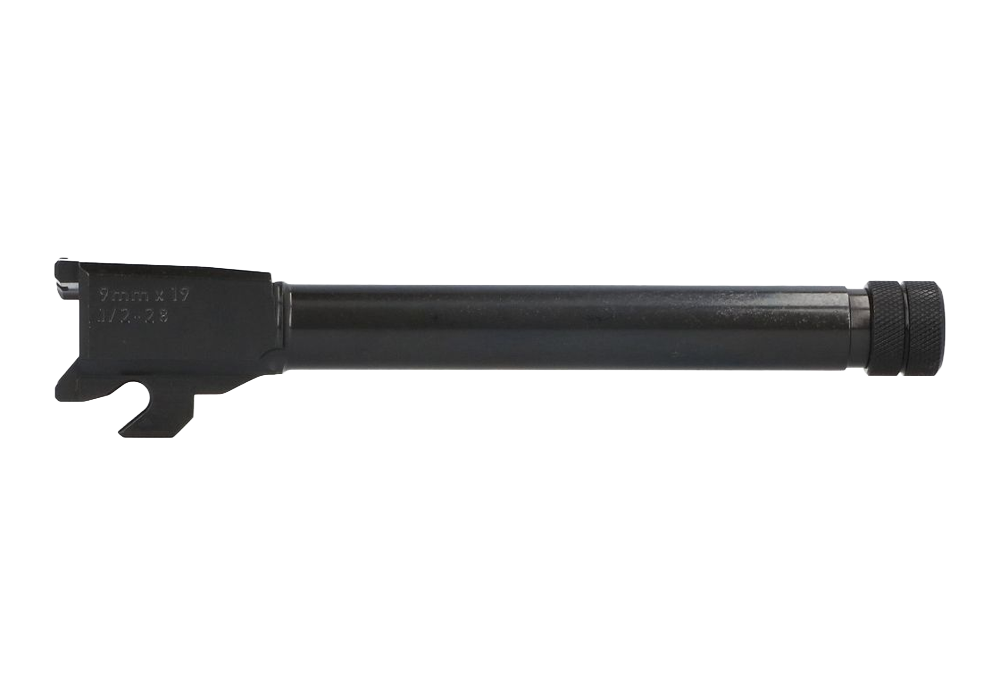
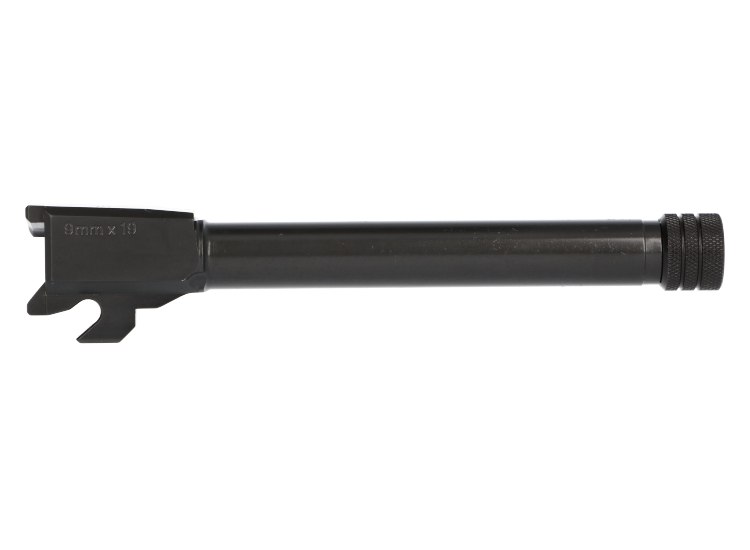
High-quality pistol barrels combine durable materials, careful machining, and compatibility with the handgun they are intended to serve. Material matters, but no single steel or finish tells the whole story. A barrel’s chamber, bore, rifling, exterior dimensions, and protective treatment all contribute to its performance over time. Alloy steels, including chromium-molybdenum grades, are common choices where strength and wear resistance are priorities. Stainless steels, including grades developed for firearm barrels, are also valued for their machinability and corrosion resistance. Neither category automatically guarantees better accuracy: the quality of the finished component and its relationship with the rest of the pistol matter more than a material name alone. Stainless steel still needs routine care, and alloy steel benefits from an appropriate surface treatment and maintenance. Nitride treatments can improve surface hardness and resistance to wear and corrosion, while certain physical vapor deposition finishes provide a thin protective layer with a distinctive appearance. Those treatments differ in how they interact with the underlying steel, so their value extends beyond color. For regular range practice, a durable surface and clearly documented compatibility are more meaningful than cosmetic details. For organized competition, consistent manufacturing and suitability for the intended discipline deserve close attention, along with any applicable equipment rules. A useful way to assess quality is to look for clear specifications rather than broad claims: identified material, an explained finish, a stated chambering, and a precise description of the compatible pistol configuration. Terms such as “premium” and “match grade” offer limited guidance without that supporting information. A well-finished exterior can suggest attention to detail, but it cannot establish the quality of internal dimensions or confirm fit. The strongest choices bring those qualities together, giving recreational shooters, experienced handgun owners, and professionals a component whose construction suits its intended role without relying on appearance or terminology as a substitute for substance.
Fit is the central consideration when comparing pistol barrels, whether the goal is replacing a worn component or selecting a barrel for an established shooting routine. Compatibility involves more than matching the caliber printed on an ammunition box. Pistol model, generation, slide configuration, and the manufacturer’s stated barrel requirements can all affect whether a component belongs in a particular firearm. Two barrels with similar silhouettes or the same nominal length are not necessarily interchangeable. Likewise, a caliber designation does not establish compatibility with every pistol chambered for that cartridge. Clear product documentation should identify the intended application and any requirements for professional evaluation or fitting. When compatibility is uncertain, confirmation from the firearm or barrel manufacturer, or assessment by a qualified gunsmith, is more useful than assumptions based on photographs. Barrel length should correspond to the pistol configuration and intended use; a longer barrel is not automatically a better choice, nor does it guarantee improved practical accuracy. The chamber and rifling also need to be suitable for the ammunition specified by the manufacturer. Differences in rifling design are best considered through documented ammunition compatibility and care requirements rather than blanket claims that one style is superior for every shooter. For shoppers focusing on that chambering, High Standard 9mm Barrels provides a related selection to consider alongside the exact fit requirements of the intended pistol. An owner replacing a heavily used range barrel may prioritize compatibility, durability, and straightforward maintenance. Someone participating in competitive shooting may also need to account for equipment restrictions and the consistency expected during repeated practice sessions. A professional using an authorized handgun may have additional organizational requirements governing replacement components. In each setting, quality means suitability for the complete firearm, not simply the most elaborate finish or the tightest-sounding specification. A barrel should support dependable operation within the manufacturer’s design requirements, and any change to a firearm warrants the evaluation recommended by its manufacturer before use.
Care and realistic expectations help preserve the value of a quality pistol barrel. Repeated use exposes the bore and chamber to fouling, while handling and storage can leave moisture or residue on exterior surfaces. Corrosion-resistant materials and protective finishes reduce certain maintenance concerns, but they do not eliminate them. Following the manufacturer’s cleaning and inspection recommendations helps protect the component without subjecting its surfaces to unsuitable chemicals, excessive abrasion, or unnecessary handling. Cleaning products and tools should be appropriate for the barrel material, finish, and caliber, with firearm safety procedures observed throughout maintenance. A barrel that looks clean on the outside may still need attention internally, and a bright finish should never be treated as proof that a component is ready for service. Visible damage, suspected obstructions, unusual wear, or a change in normal operation call for qualified inspection rather than continued use. Storage matters as well: a clean, properly protected firearm kept securely according to its manufacturer’s recommendations is better positioned for long-term service than one put away with residue and forgotten between range visits. Durability is best understood across that full ownership routine. Steel selection, surface treatment, ammunition compatibility, frequency of use, and maintenance all influence service life, so a universal round-count promise would overlook important differences between firearms and their use. Practical accuracy also depends on more than the barrel, including ammunition consistency, the condition of the handgun, and the shooter’s technique. A quality component supports the system; it does not replace sound fundamentals or resolve unrelated mechanical problems. For an enthusiast who keeps careful maintenance records or spends regular time at the range, documented specifications and dependable construction often carry lasting value. A barrel can also be a thoughtful gift for an experienced handgun owner, but only when the recipient’s exact firearm configuration and preferences are confirmed beforehand. Whether chosen for continued practice, an authorized replacement, or a competition-focused setup, the most useful pistol barrel is one selected with a clear understanding of its materials, fit, care requirements, and intended application.