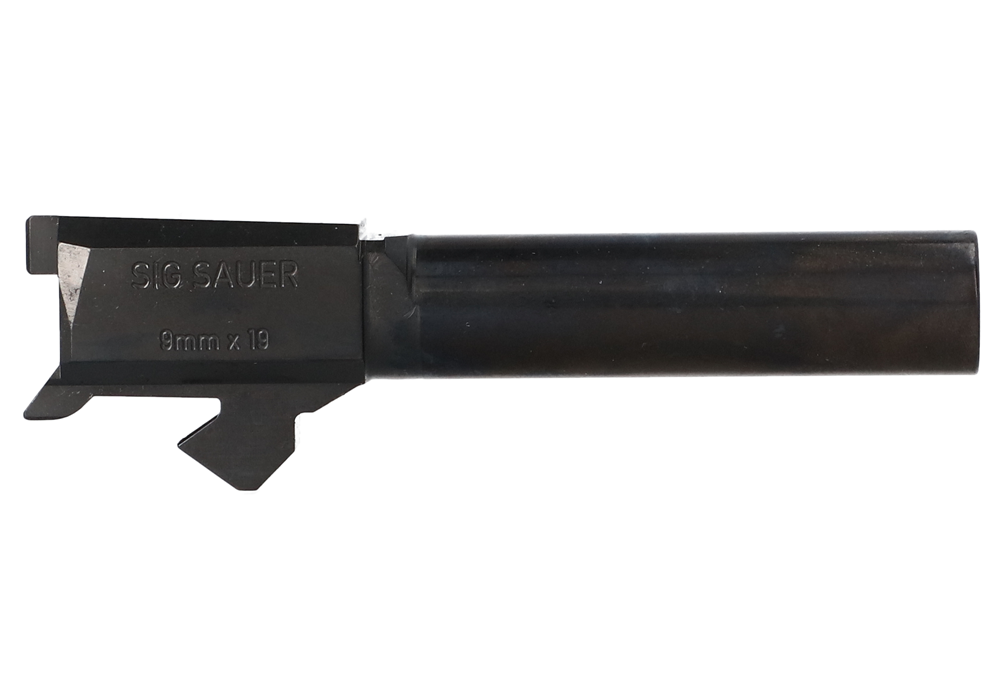
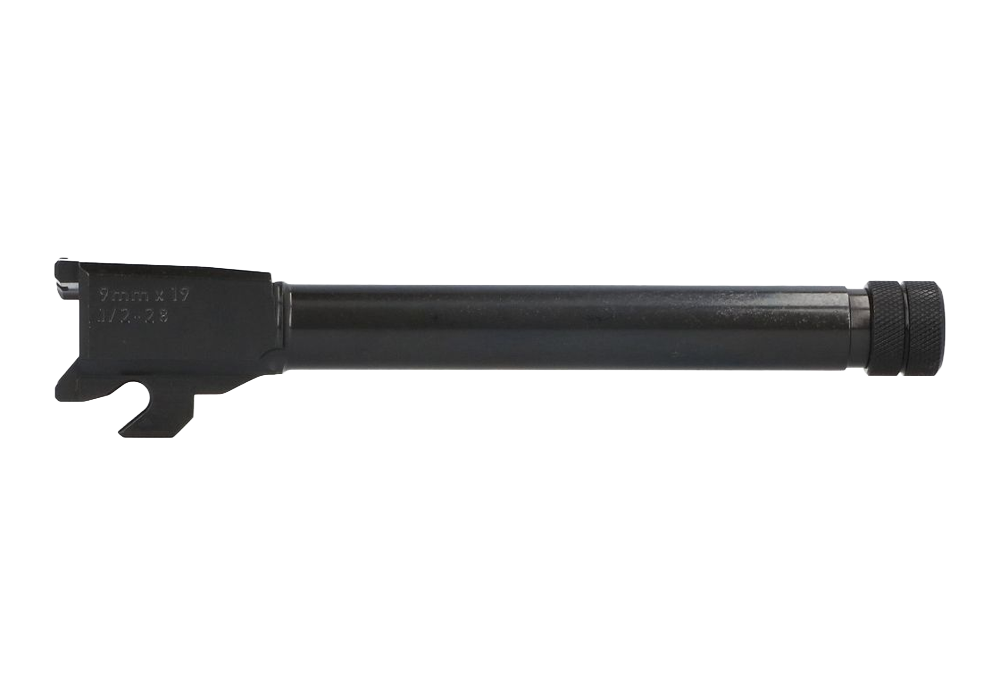
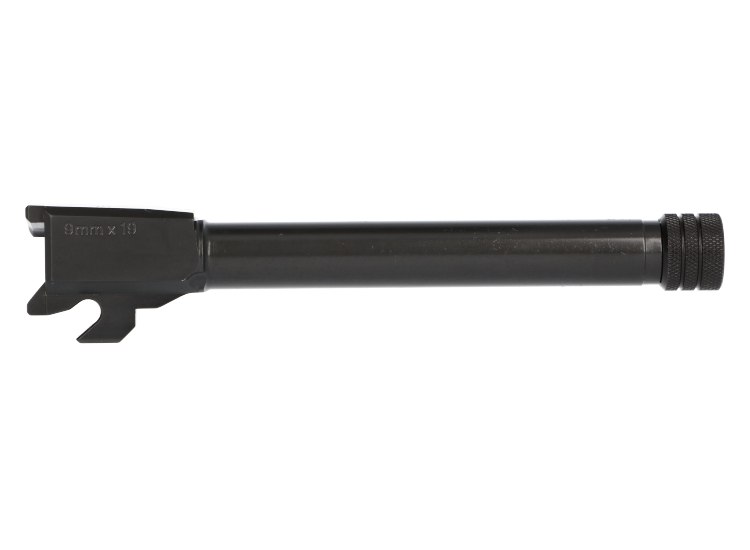
Pistol barrels for target shooting support accuracy by providing a consistent path for the bullet and a repeatable fit within the pistol. A well-fitted, match-grade barrel may help produce tighter groups when paired with suitable ammunition and sound shooting fundamentals, but the benefit depends on the firearm, the barrel’s construction, and the shooter. Precision comes from several characteristics working together: uniform bore dimensions, consistent rifling, a properly formed chamber, and a clean, undamaged muzzle crown. Rifling helps stabilize the bullet, while the crown—the finished edge at the muzzle—helps preserve consistency as the bullet exits. In pistol designs where the barrel moves during operation, repeatable positioning relative to the slide is another important part of mechanical accuracy. These details matter when a shooter is comparing groups on a paper bullseye, checking consistency across a practice session, or preparing equipment for organized competition. The term match-grade describes an accuracy-oriented approach rather than a universal guarantee of better results. A carefully manufactured barrel still needs to suit the pistol and its intended ammunition, and a replacement will not necessarily produce a noticeable improvement over a serviceable original barrel. For a newer target shooter, dependable function and straightforward compatibility may be the most valuable qualities. For an experienced competitor, dimensional consistency and repeatable performance over frequent practice sessions may receive closer attention. Both uses call for a barrel that supports the pistol’s operation without introducing uncertainty. A tight group on one target is useful information, but predictable results across multiple sessions tell a fuller story. Ammunition consistency, sight alignment, trigger control, and the condition of the rest of the pistol all remain part of that picture. The appeal of a precision-focused barrel is not that it replaces those fundamentals; it is that a suitable component can support them, giving the shooter a dependable foundation for deliberate practice and a clearer basis for evaluating performance.
Materials, surface treatment, and compatibility are central considerations when comparing target pistol barrels. Steel and stainless steel are common choices because they provide the strength and wear resistance required for repeated firing. Protective finishes and surface treatments can help resist corrosion and wear, although their characteristics vary and no finish eliminates the need for maintenance. A barrel’s appearance is only one part of its construction; machining quality, dimensional consistency, and suitability for the host pistol deserve greater weight than color or a match-oriented label alone. The exterior contour, chamber area, and locking surfaces must correspond to the firearm’s design. Matching the caliber marking is essential, but caliber alone does not establish compatibility. Model, generation, slide configuration, barrel length, and the manufacturer’s stated fit requirements can all affect whether a barrel is appropriate. Similar-looking pistols may use different dimensions, and a barrel intended for one configuration should not be assumed to suit another. Some replacements are intended for direct installation in specified firearms, while others require professional fitting. Manufacturer documentation and evaluation by a qualified gunsmith provide a more dependable basis for that distinction than appearance or general descriptions. Barrel length also deserves context. A longer barrel can change the pistol’s dimensions and balance, but additional length by itself does not guarantee smaller groups, and it does not extend sight radius unless the sight arrangement changes as well. The useful choice is the one that suits the pistol, the shooting discipline, and the shooter’s handling preferences. For compatible configurations that call for a threaded muzzle, Pistol Threaded Barrels provide another category to consider, with thread specifications, overall dimensions, and competition requirements remaining important. Threading is a configuration feature, not an accuracy rating. Whether the muzzle is threaded or unthreaded, a properly finished crown and the correct fit remain relevant to consistent target performance.
Durability is especially important for shooters whose range routine includes regular practice, club matches, or extended sessions on paper and steel targets. Repeated use brings normal wear, fouling, and routine maintenance, so a target barrel benefits from construction suited to its intended workload and care that follows the firearm and barrel manufacturers’ recommendations. Cleaning products and equipment should be compatible with the barrel’s materials and finish, with particular attention to preserving the bore, chamber, and muzzle crown. Maintenance belongs in a setting where the pistol has been verified unloaded according to its manual and ammunition is kept separate. Aggressive treatment is not a substitute for appropriate care, and unexplained changes in function or accuracy warrant professional assessment rather than attempts to alter the barrel. Good storage practices also help protect a precision component between range visits. Moisture, residue, and contact with hard surfaces can affect condition over time, even when a pistol sees relatively little use. For the shooter who enjoys a steady practice routine, the practical value of a barrel often appears in ordinary moments: familiar handling, reliable operation, and target results that remain consistent enough to compare meaningfully. A practice record noting ammunition and observed results can help distinguish an equipment concern from normal variation without treating every wider group as a barrel problem. Competition-focused shooters may also need to consider equipment rules before selecting a particular length or muzzle configuration, since a suitable fit does not automatically establish eligibility for every division. As a gift, a pistol barrel is best suited to a knowledgeable recipient whose exact firearm configuration and preferences are already understood. Compatibility matters more than visual similarity, and professional confirmation is worthwhile when details are uncertain. For recreational target practice, formal competition, or a carefully considered replacement, the strongest priorities remain the same: appropriate materials, documented fit, dependable function, and care that preserves the component’s condition. Those qualities keep the focus where it belongs—on safe, repeatable shooting and purposeful time at the range.