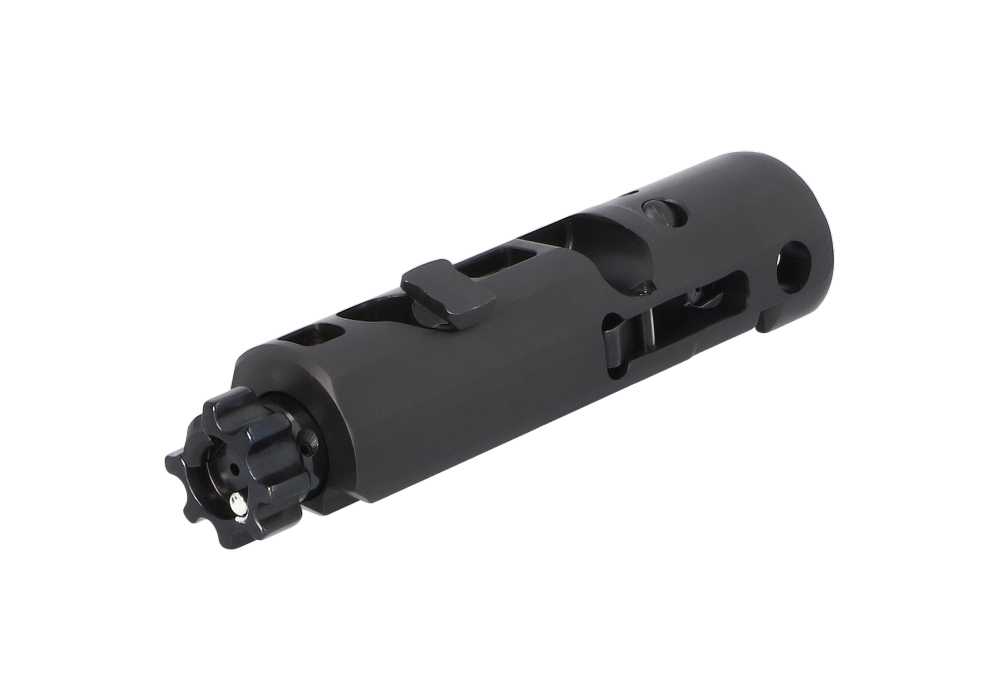
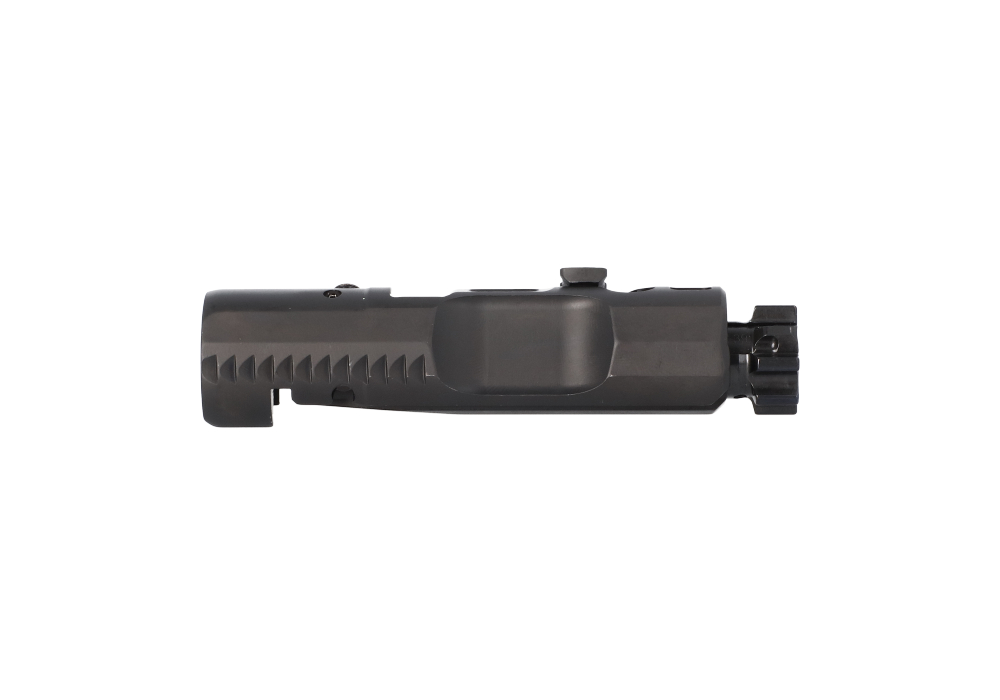
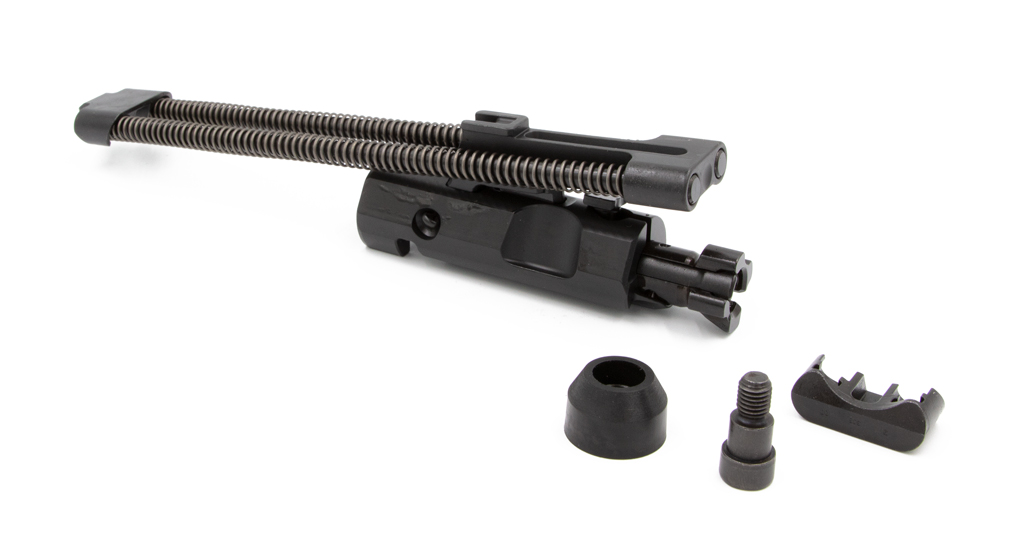
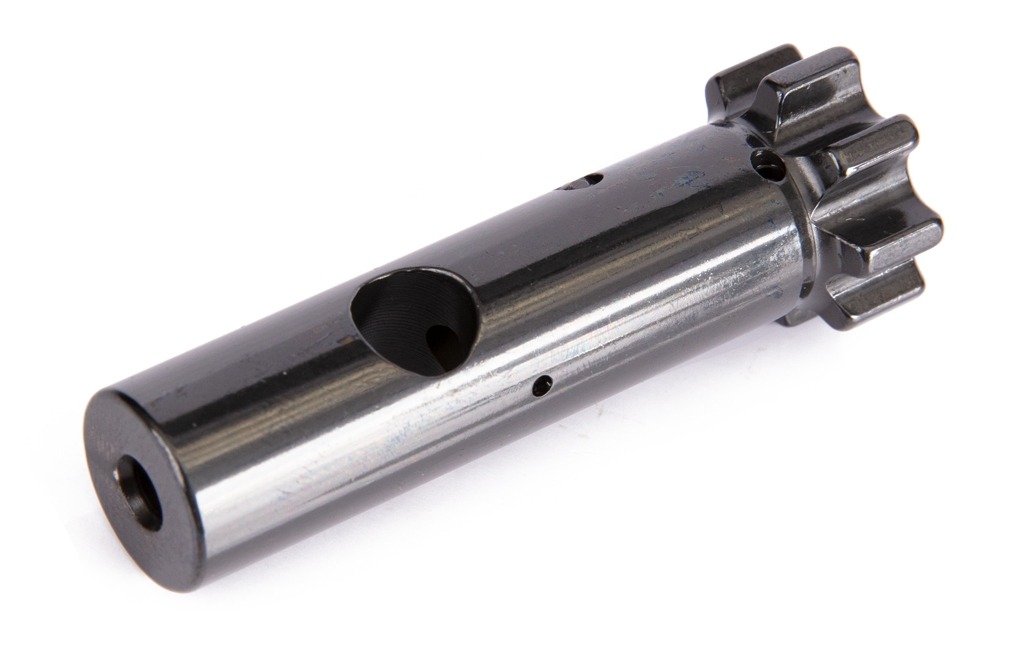
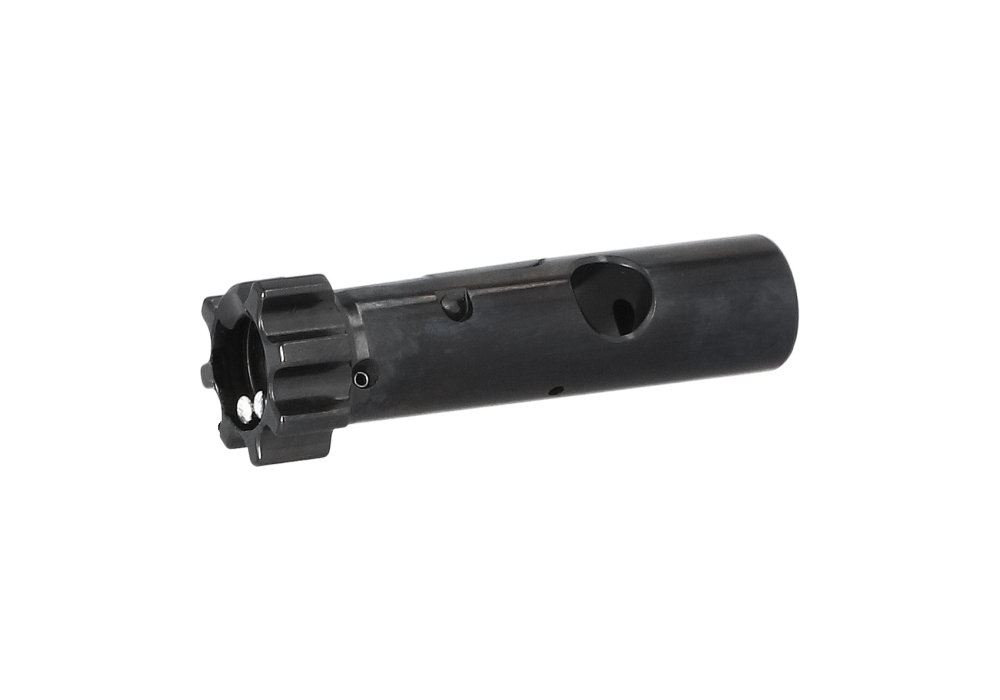
High-performance bolt carrier assemblies for rifles are central to the cycling, reliability, and overall feel of a modern semi-automatic platform. The bolt carrier group moves with every shot, unlocking the bolt, extracting and ejecting the spent cartridge, chambering a fresh round, and resetting the firing system. Because it performs so many demanding functions, the right assembly can make a meaningful difference in how a rifle runs during a long range session, a training class, competition, or careful maintenance evaluation. Shoppers should begin with compatibility rather than appearance. Confirm the rifle platform, caliber, bolt face, barrel configuration, and gas system before selecting an assembly, since an AR-15 pattern rifle and a larger-frame rifle may require very different dimensions and components. A properly matched assembly should work with the rifle’s chambering and operating system while maintaining dependable lockup and consistent cycling. Those replacing a worn component may be looking for a durable standard-capacity solution that restores reliable function, while builders and experienced shooters may be comparing lighter designs, enhanced gas management, or coatings intended to simplify cleaning. The best choice depends on the complete rifle rather than one isolated feature. Barrel length, ammunition, buffer and spring selection, gas port characteristics, and whether the rifle is used with a suppressor can all influence cycling behavior. Taking time to verify specifications helps prevent an expensive mismatch and gives the rifle a more cohesive, predictable setup.
Construction and finish are also important considerations when comparing high-performance bolt carrier assemblies. The carrier and bolt endure repeated impact, heat, friction, and pressure, so quality materials and precise machining matter more than cosmetic details alone. Some assemblies use lightweight materials or reduced-mass designs to decrease reciprocating weight, which may appeal to competition shooters and those tuning a rifle for a quicker, flatter-feeling cycle. Others retain a more traditional weight and emphasize dependable operation across varied ammunition and conditions. Adjustable gas carriers can offer another way to manage the rifle’s operating characteristics, particularly for shooters who move between suppressed and unsuppressed use, although any adjustment should be approached carefully and evaluated according to the manufacturer’s specifications. Suppressor-oriented designs may redirect gas to reduce the amount reaching the shooter’s face, helping make extended sessions more comfortable. Surface treatments can affect maintenance as well. Diamond-like coatings are valued for hardness, low friction, and straightforward cleanup; nitride finishes are known for surface durability and corrosion resistance; and nickel-boron finishes can provide a slick surface that helps carbon residue release more easily. No coating eliminates the need for inspection, lubrication, or cleaning, but the right finish can make routine care feel less like a chore after a dusty range day. Before installation, make sure the rifle is unloaded, consult the owner’s manual, and inspect the assembly for damage or unusual wear. A qualified gunsmith can help resolve questions involving fit, headspace, gas timing, or other safety-critical concerns. For a straightforward replacement or a complete upgrade path, browse Complete Bolt Carrier Assemblies and compare specifications carefully.
These components suit a broad range of rifle owners, from a first-time builder working toward a dependable range rifle to an experienced competitor fine-tuning every part of a competition setup. A recreational shooter may value easy cleaning and reliable cycling during weekend practice, while a hunter may prioritize rugged construction and consistent performance through changing weather, dust, and temperature. For someone who spends long days training, a design that manages excess gas or reduces unnecessary reciprocating movement may contribute to a more comfortable experience, especially when combined with appropriate eye and ear protection and a well-fitted shooting position. A bolt carrier assembly can also be a thoughtful gift for a knowledgeable rifle owner, provided the giver confirms the exact platform and caliber first; a gift card or carefully verified specification is often better than guessing at compatibility. During the cooler months, many shooters use indoor range time or detailed bench sessions to inspect their rifles, replace worn parts, and prepare equipment for the next season outdoors. That makes this category especially relevant for anyone organizing a maintenance checklist or refreshing a trusted rifle after a demanding year of use. Look for clearly listed dimensions, material details, finish information, gas-management features, and compatibility notes. Consider how often the rifle is fired, whether it is used suppressed, how much cleaning the owner prefers to perform, and whether reliability, reduced weight, smoother cycling, or easier maintenance is the primary goal. A well-selected assembly should complement the rifle’s existing components, support responsible use, and provide confidence every time the action moves through its cycle.