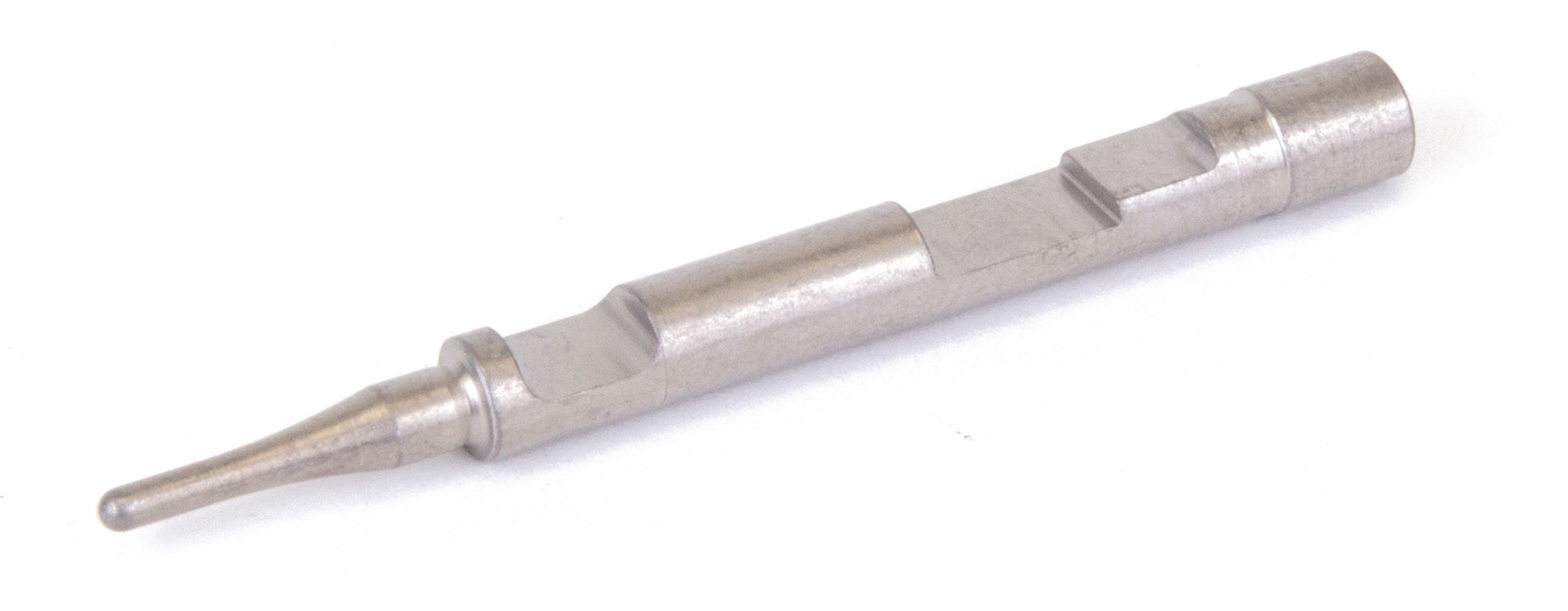
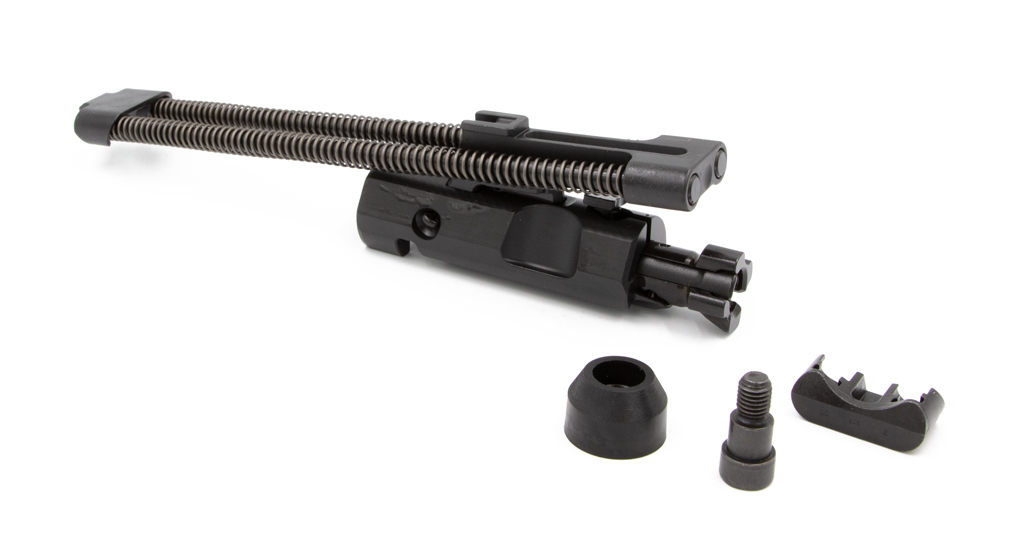
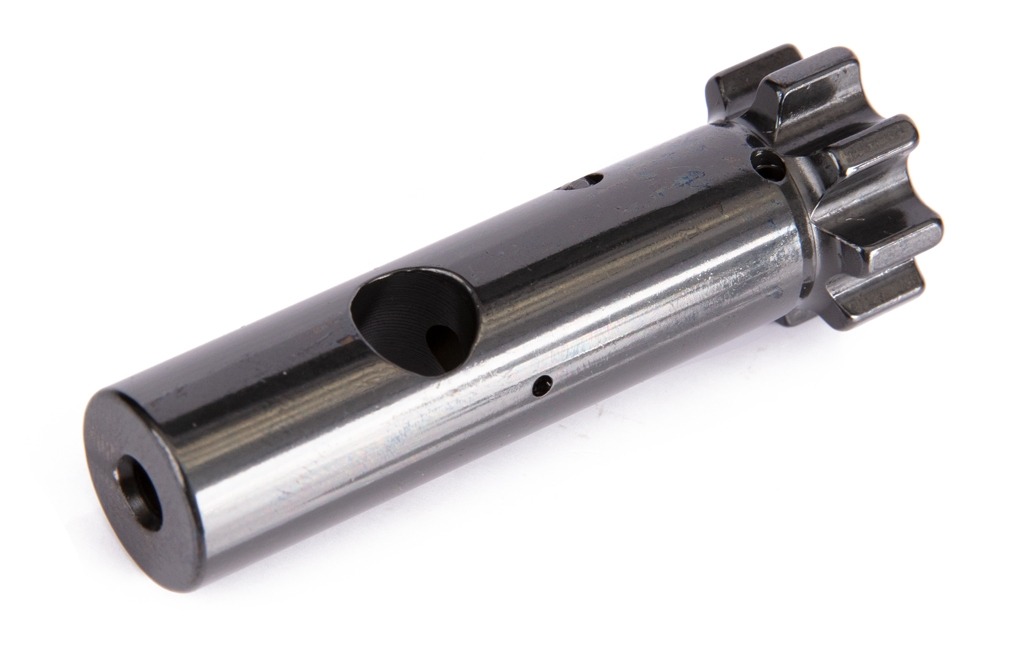
High performance firing pin assemblies are precision components associated with one of a firearm’s most fundamental functions: transmitting the mechanical energy needed to ignite a cartridge’s primer. Small enough to escape much notice during an ordinary day at the range, these components belong to a system in which dimensions, material properties, and compatibility matter far more than appearance. Depending on the firearm’s design, an assembly may include a firing pin or striker together with springs, retainers, or other supporting parts. Those terms are not interchangeable across every platform, and neither are the assemblies themselves. A firing pin used in a hammer-fired mechanism serves a different arrangement than a spring-driven striker, even though both ultimately interact with the primer. For shoppers, the useful meaning of “high performance” begins with precise manufacturing, appropriate materials, and dependable operation within the firearm’s intended specifications—not a promise that any replacement will transform how a firearm shoots. Surface finish, dimensional consistency, and resistance to wear can all contribute to component quality, but no single feature establishes suitability on its own. High-strength steel and, in some designs, titanium may appear in product descriptions; each material must be evaluated in the context of the complete mechanism rather than treated as an automatic advantage. The same caution applies to claims about lock time, the interval between release of the firing mechanism and the primer strike. Its significance depends on the design, and it should not be confused with trigger travel or treated as a guarantee of tighter groups. For the owner who values a familiar firearm and wants to keep it in proper working condition, the strongest purchase is often the least dramatic one: an assembly with documented compatibility, clearly stated contents, and specifications appropriate to that firearm. This category rewards careful comparison rather than sweeping claims. A well-informed selection starts with understanding what the component is intended to replace and whether the manufacturer supports that application.
Shopping for a firing pin assembly calls for more attention to fit than shopping for many external accessories. Begin with the firearm’s exact model designation and any relevant generation, production variation, or configuration identified in the component manufacturer’s compatibility information. Similar model names, a shared caliber, or a familiar-looking photograph do not establish that two internal assemblies are interchangeable. Product descriptions should clearly distinguish a complete assembly from an individual component, since the word “assembly” does not necessarily mean that every associated spring, sleeve, retainer, or small part is included. Shoppers comparing related options can also review Firing Pin Kits, paying close attention to the listed contents and intended applications rather than assuming that a kit and an assembled replacement provide the same things. Useful purchase details include the specified material, any documented surface treatment, manufacturer support, warranty terms, and whether professional fitting or installation is required. A smooth-looking finish may be appealing in a close-up image, but documented specifications offer a stronger basis for a decision than shine alone. Likewise, a lighter component or a differently rated spring is not inherently preferable; internal parts work together as a system, and changes can affect function and safety. For replacement needs, prioritize the firearm manufacturer’s requirements and consult a qualified gunsmith when compatibility is uncertain. Suspected ignition problems deserve professional assessment rather than a purchase based solely on a symptom, because ammunition, maintenance condition, and other mechanical factors can also be involved. It is worth pausing over the small print before checkout: whether the pictured parts match the contents list, whether the stated fit covers the exact firearm, and whether the seller provides a clear path for resolving questions. That extra attention is especially valuable with compact mechanical parts whose differences may be difficult to recognize by sight. Price belongs in the comparison, but so do traceable sourcing, accurate documentation, and confidence that the replacement is appropriate for its intended role.
These products are most relevant to firearm owners managing routine service needs, qualified armorers maintaining equipment, and enthusiasts who prefer to plan maintenance before a busy stretch of range visits. A recreational target shooter may be looking for a documented replacement for a worn component, while someone responsible for several firearms may place greater value on clear labeling and consistent records. The common thread is not a particular shooting style; it is the desire to keep equipment within its intended operating specifications. Picture the quieter end of a range day: targets folded away, eye and ear protection back in the bag, and a service note that deserves attention before the next outing. That is often the practical setting for this purchase, rather than the excitement associated with a new accessory. During the cooler months, when range schedules and storage routines may change, planned service can offer a useful opportunity to review manufacturer recommendations and address concerns with a qualified professional. No replacement assembly eliminates the need for proper maintenance, appropriate ammunition, safe handling, or assessment of unusual function. Nor should a precision internal component be presented as a shortcut to better marksmanship; training, technique, and the condition of the complete firearm remain important. As a gift, a firing pin assembly is usually best reserved for a knowledgeable recipient who has already identified the exact compatible replacement. It is a highly specific maintenance purchase, not an accessory to choose by appearance or a broad platform label. Confirming the recipient’s needs in advance preserves the thoughtfulness of the gift without leaving them to resolve an uncertain fit. Whether the purchase supports an individual owner’s service plan or a professional maintenance workflow, good documentation continues to matter after delivery. Keeping the packaging and product information with service records helps preserve the part’s identity and intended application. The lasting value of a high performance firing pin assembly lies in suitability, quality, and supported use: a carefully selected component that belongs in the firearm, backed by clear information and professional attention when needed.