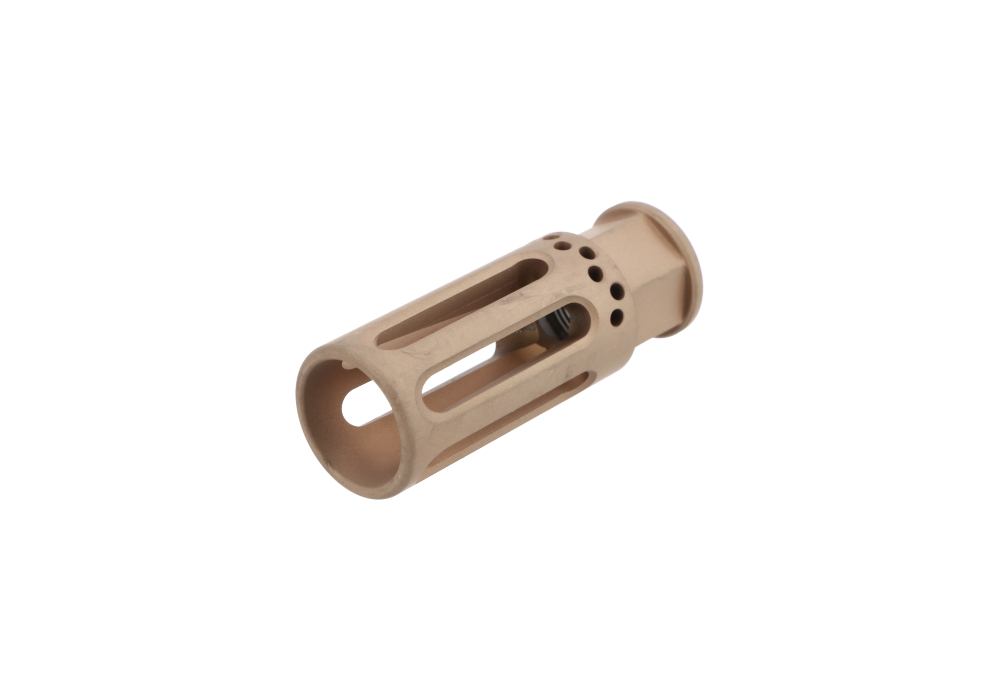
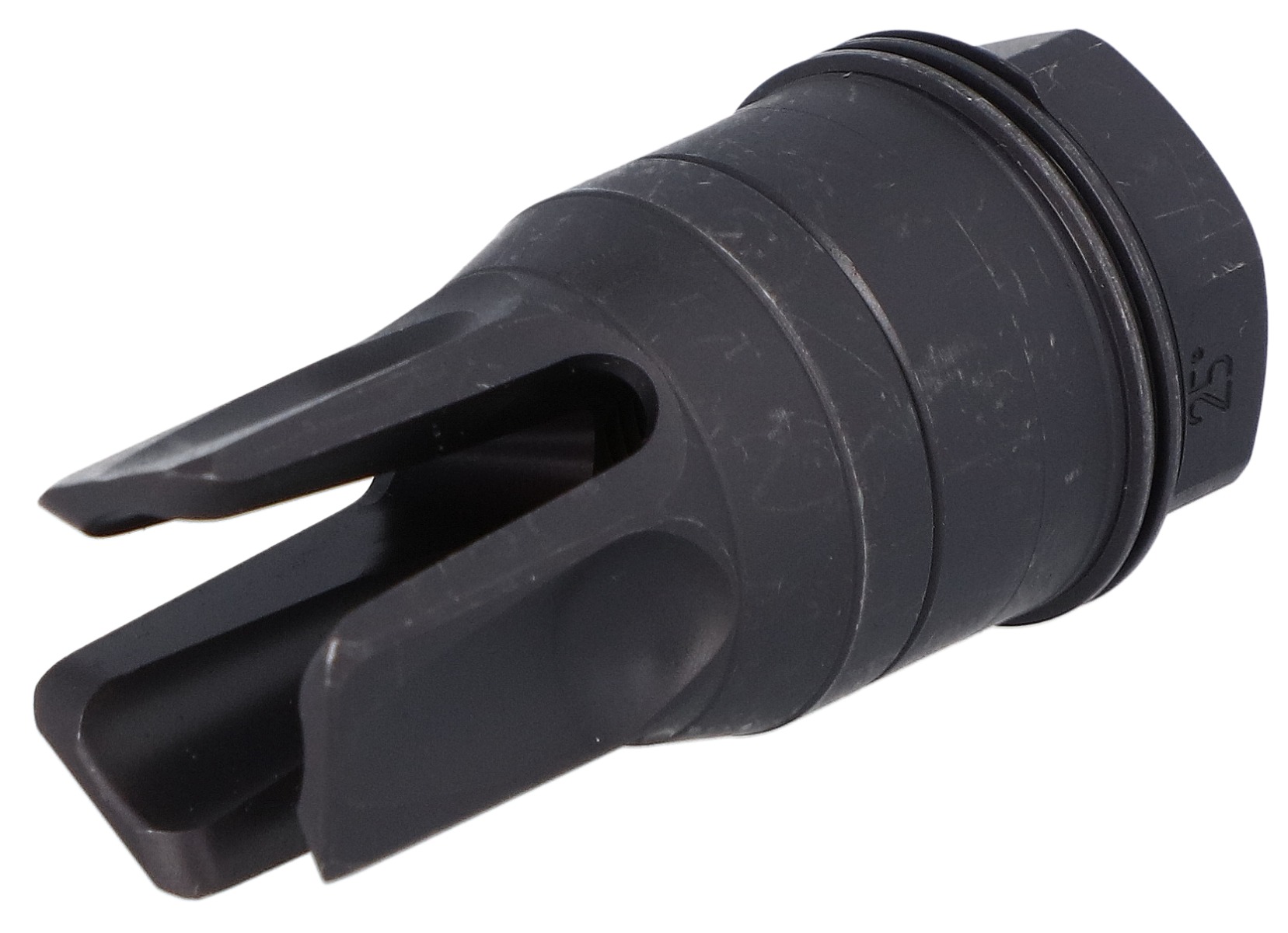
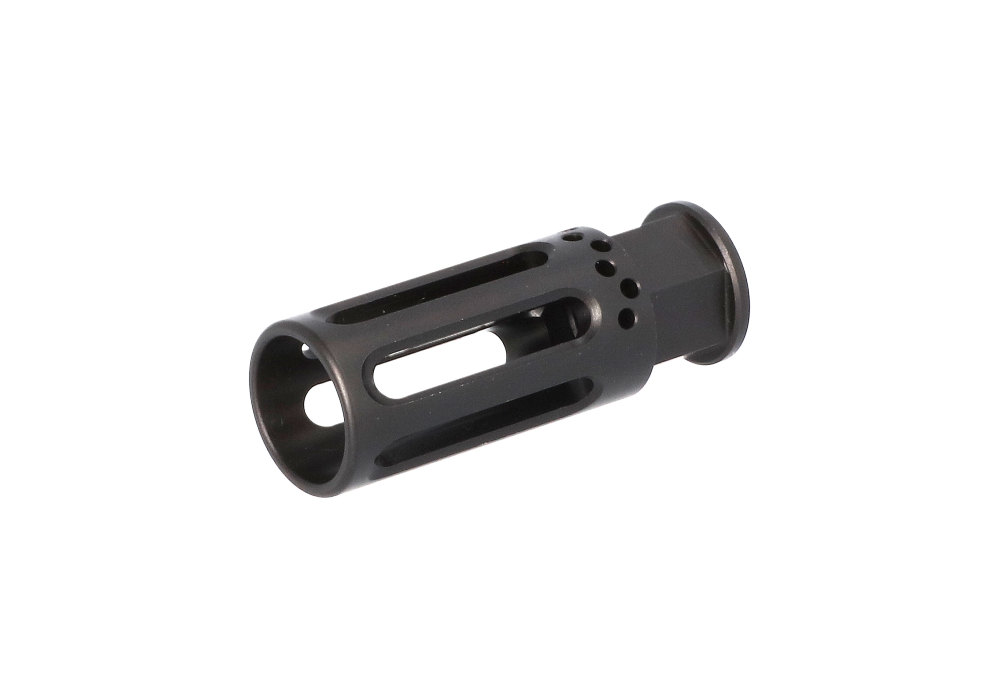
High-performance flash hider adapters are muzzle devices designed to reduce visible muzzle flash while providing a mounting interface for a compatible suppressor. That combination gives them a distinct role: they serve as a flash hider when the suppressor is absent and as part of the attachment system when a compatible suppressor is present. Not every flash hider performs both functions, and not every suppressor uses the same attachment method. The adapter’s design, its intended firearm compatibility, and its relationship to the suppressor mounting system all matter more than a similar appearance or a shared caliber designation. Visible muzzle flash varies with ammunition, barrel length, and the overall firearm configuration, so performance should be understood in context rather than as a promise that flash will disappear entirely. A flash hider also should not be confused with a muzzle brake or compensator. Although some designs combine functions, flash reduction, recoil management, and muzzle movement are separate considerations, and a benefit associated with one device does not automatically apply to another. Likewise, a flash hider adapter alone does not provide the sound reduction associated with a suppressor, and appropriate hearing and eye protection remain essential at the range. For recreational shooters, instructors, and experienced firearm owners, the appeal is a component with a clearly defined purpose and documented compatibility. A familiar example is a range setup that is sometimes used with a compatible suppressor and sometimes without one. In that context, an adapter can remain part of the firearm’s established configuration rather than serving only as a temporary accessory. Quick-detach designs may support convenient attachment, but that term describes a general approach, not a universal standard. The actual locking interface and approved component combinations remain specific to the system. Clear specifications and realistic performance descriptions provide a stronger basis for comparison than broad claims about universal fit or identical results across different firearms.
Materials and construction influence how a flash hider adapter handles repeated use, surface wear, and the heat associated with firing. Steel is common in this category, with the particular alloy, heat treatment, and protective finish varying by design. Stainless steel can offer corrosion resistance, while other steels may rely on surface treatments to help protect exposed areas. Neither a material name nor a finish description tells the entire durability story; the quality of the threaded surfaces, mounting features, and overall construction also matters. A dark exterior may look similar across several designs while concealing meaningful differences in the underlying material or treatment. For shoppers, the useful distinction is between appearance and documented engineering characteristics. A finish can help resist wear, but it does not eliminate the need for inspection or care. Fit deserves equally close attention. Caliber compatibility, barrel threading, mounting geometry, and suppressor compatibility are separate specifications, and a match in one area does not establish a match in all the others. A device that appears to fit should never be assumed suitable without confirmation from the applicable manufacturer documentation. Professional installation and compatibility verification are especially important because the adapter forms part of the connection between the firearm and an attached suppressor. For a caliber-focused selection, 5.56 NATO Flash Hider Adapters provides a more specific category to explore, while individual specifications remain the authority on suitability. Overall length, weight, and external profile can also affect how a firearm feels and fits within its existing storage arrangement. A compact appearance does not necessarily mean lower weight, just as a larger exterior does not establish greater strength. On a familiar range rifle, even a modest change at the muzzle may be noticeable in handling. Those practical differences are worth considering alongside material specifications, especially for owners who value a consistent setup across repeated practice sessions. The strongest fit is a documented match for the complete system, not simply a component with appealing dimensions.
Long-term satisfaction with a flash hider adapter depends on care, inspection, and expectations that reflect its working environment. The muzzle area is exposed to firing residue, repeated heating, and handling wear, so an adapter’s exterior and attachment surfaces can show different patterns of use. A faint change in finish appearance is not necessarily equivalent to damage, while a clean-looking exterior does not establish that the mounting interface is in good condition. Manufacturer care guidance helps distinguish routine upkeep from conditions that require professional attention. Cleaning products and methods should be appropriate for the material, finish, and mounting system rather than selected solely because they work on another firearm component. Protective treatments are not a substitute for regular inspection, and aggressive cleaning can be inappropriate for certain surfaces. An adapter that no longer seats or locks as intended warrants professional evaluation rather than continued use. This matters whether a firearm sees frequent supervised range sessions or spends longer intervals in secure storage between outings. Consistent care supports dependable ownership without turning every cosmetic mark into a concern or overlooking meaningful changes in function. Intended use also shapes what feels practical over time. An instructor may place particular value on clear compatibility documentation and straightforward inspection, while a recreational shooter may care most about a durable component that fits an established range setup. An owner maintaining several firearms may prioritize keeping each adapter’s approved application clearly documented rather than assuming similar-looking components are interchangeable. Thoughtful accessory gifts require that same attention to compatibility; this is a category where knowing the recipient’s exact equipment requirements matters more than guessing from appearance. Across these situations, durability means more than a tough-looking finish. It includes suitable materials, sound construction, an appropriate mounting interface, and care requirements the owner can follow consistently. High-performance flash hider adapters are best understood as purpose-built components within a larger firearm system, with their value grounded in verified fit, realistic flash-reduction expectations, and dependable service under the conditions for which they were designed.