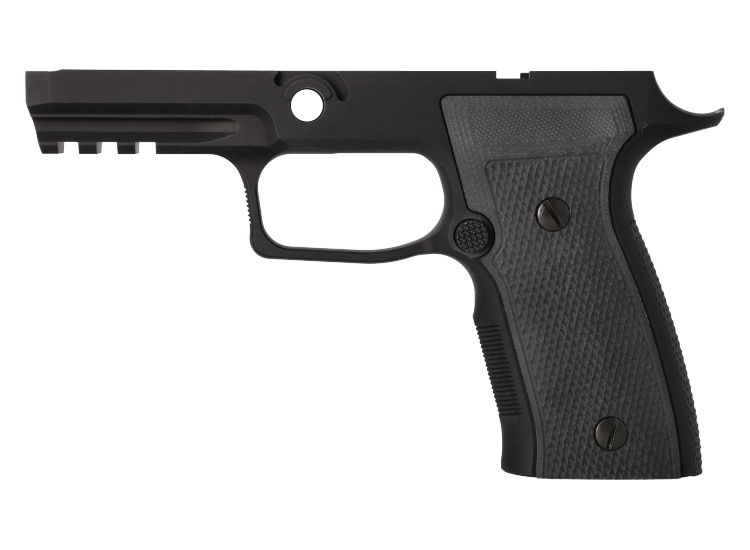
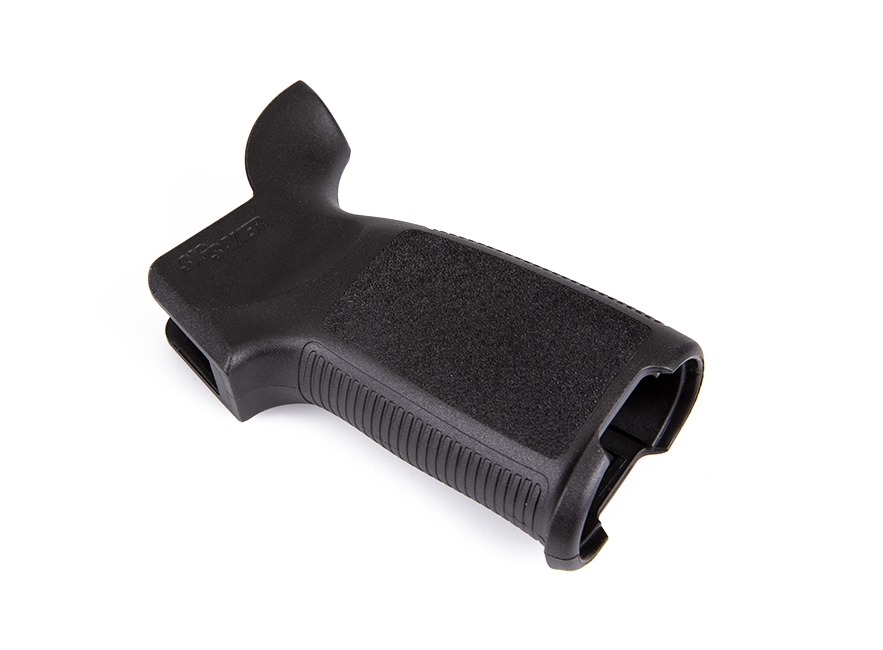
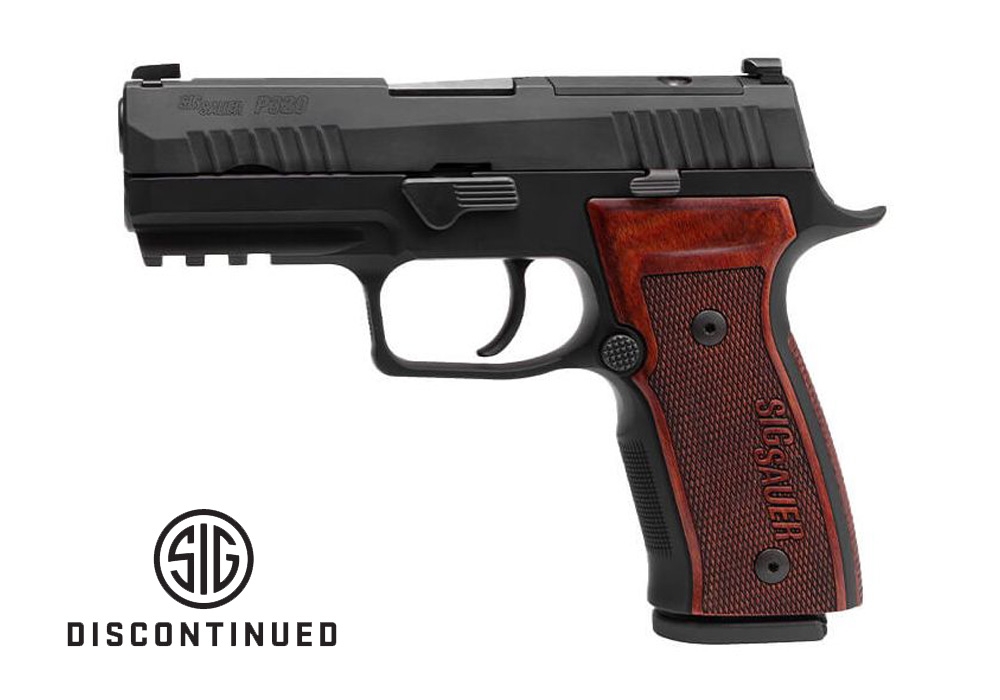
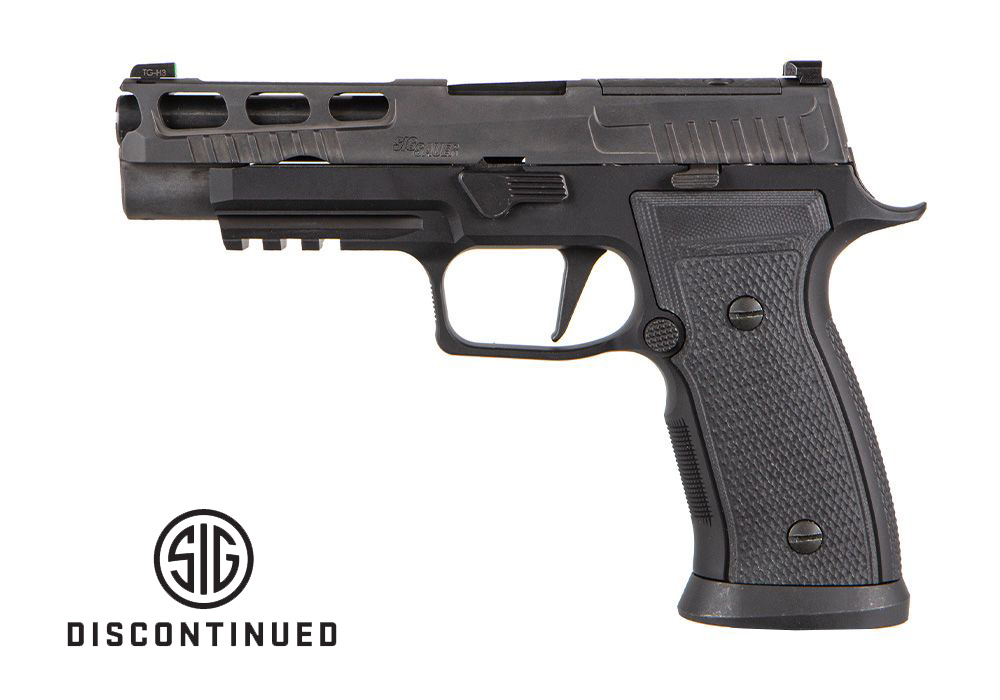
High quality pistol grip assemblies give shooters a practical way to refine the feel, handling, and appearance of a compatible handgun without replacing the complete firearm. A well-designed grip assembly can influence how naturally the pistol points, how securely it stays in the hand, and how confidently the shooter manages movement during practice or competition. For modular handguns, the grip module may also affect the relationship between the frame, trigger area, magazine release, and other controls, making compatibility the first consideration when comparing options. Grip assemblies intended for 1911-style and 2011-style platforms can have different attachment methods, dimensions, and interface requirements, so shoppers should confirm the exact model, frame size, generation, and operating configuration before ordering. A grip that looks ideal in a product photograph may not fit a different variant, especially when dust-cover dimensions, safety configuration, magazine geometry, or internal chassis design differ. Finish and color are important for many owners as well, whether the goal is a discreet replacement, a coordinated range setup, or a clean visual refresh. For shoppers searching specifically for a darker replacement or matching component, the selection of Black Pistol Grip Replacement Parts can help narrow the search while keeping the focus on fit and function.
Material is another central purchase consideration. Polymer grip assemblies are often valued for their lighter weight, straightforward handling, and comfortable feel during extended practice sessions. Some incorporate added weight or dense reinforcement to change balance and reduce the sensation of muzzle movement, while textured polymer surfaces can provide dependable traction without feeling overly abrasive against clothing. Aluminum assemblies offer a more substantial feel and may include machined contours, pronounced palm swells, thumb shelves, or wraparound texturing that helps maintain a consistent hold. G10-style panels and other composite components are popular with shooters who want a firm, resilient surface with crisp texture and a broad range of visual treatments. The best choice depends on the shooter’s hand size, grip pressure, intended use, and tolerance for texture. A person who carries concealed may prefer rounded edges and a less aggressive pattern that will not catch on a cover garment, while a competition shooter may favor deep checkering, a pronounced beavertail, or an integrated magwell that supports fast, repeatable reloads. Someone practicing outdoors during the cooler months may appreciate a grip that remains easy to index with gloves, whereas a range user in warm conditions may place greater emphasis on moisture management and traction. Small details matter: a thumb ledge can provide a consistent reference point, a well-shaped backstrap can fill the palm without forcing the wrist into an awkward angle, and a properly proportioned frontstrap can help prevent the hand from shifting during recoil.
These assemblies may suit new firearm owners refining an uncomfortable factory fit, experienced shooters tuning a familiar setup, competitors preparing a dedicated match handgun, or instructors and range regulars who spend long sessions evaluating ergonomics. They can also make a thoughtful gift for a firearm owner, provided the giver knows the exact compatible platform and understands the recipient’s preferences for material, texture, color, and weight. Grip comfort is personal; one shooter may enjoy a stippled surface that feels locked in place, while another may prefer smoother contours that remain comfortable during a full afternoon of drills. Before purchasing, compare the listed dimensions and included components, verify whether the assembly accepts the existing fire-control chassis or internal parts, and check whether it is designed for standard or extended capacity magazines, ambidextrous controls, manual safeties, and the intended holster or magazine-well arrangement. Installation may be simple for some compatible systems, but the work can involve removing internal components and confirming proper fit, so anyone uncertain about the process should consult the manufacturer’s instructions or a qualified gunsmith. After installation, perform a careful function check with the firearm unloaded, confirm that controls move freely, and test the setup at a lawful range before relying on it for carry, competition, or defensive use. With the right match, a high quality pistol grip assembly can make the handgun feel more natural from the first grasp, whether it is being handled beneath a concealed garment, drawn for a structured practice session, or settled into the hand on a crisp outdoor range.