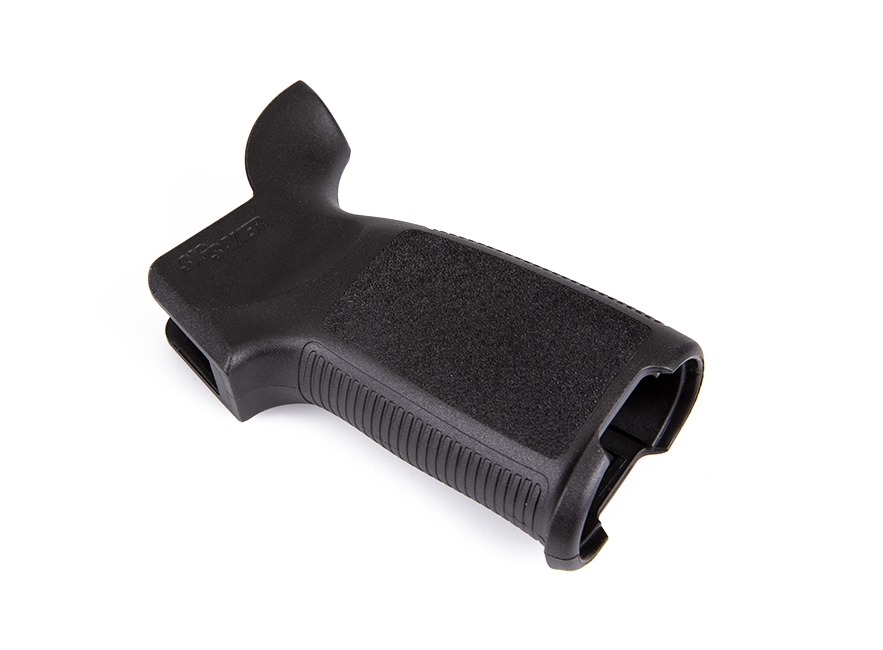
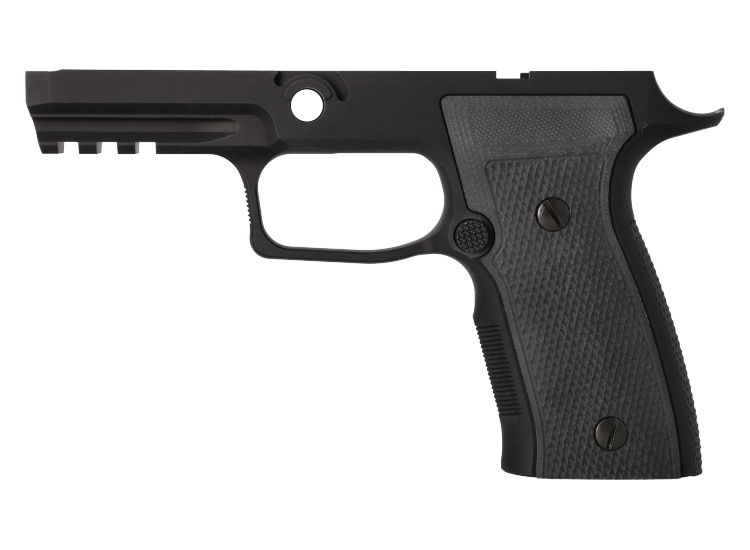
Ergonomic pistol grip assemblies are designed to give a firearm a more comfortable, controlled connection to the shooter’s hand. Compared with a traditional straight or sharply angled grip, an ergonomic design may provide a more natural wrist position, fuller palm support, and a texture that helps maintain a consistent hold during extended range sessions. These details can make a noticeable difference when practicing from standing, seated, or supported positions, especially when the rifle is carried, shouldered, and manipulated for long periods. A grip assembly may be a practical choice for recreational shooters, hunters, competitive participants, firearm instructors, and anyone refining the fit of a compatible rifle platform. It can also be a thoughtful gift for an experienced firearm owner who appreciates useful upgrades that improve the feel of a familiar setup without changing its core function. When browsing options, start with platform compatibility. Pistol grip attachment patterns, selector clearance, mounting hardware, and surrounding receiver geometry can vary, so confirm that the assembly is intended for the firearm before ordering. A grip that appears similar in shape may not install correctly if its internal contours or mounting interface do not match the receiver. It is also important to follow all applicable federal, state, and local laws, and to have installation performed by a qualified professional when you are uncertain about fitment or function. Before handling any firearm accessory, unload the firearm, remove the magazine, verify the chamber is clear, and consult the owner’s manual. After installation, inspect the grip for movement, confirm that nearby controls operate freely, and perform a careful function check in accordance with the manufacturer’s instructions. A secure, properly fitted grip should feel stable in the hand without interfering with the trigger, safety selector, magazine release, or other controls.
Personal preference plays a major role in selecting an ergonomic pistol grip assembly. Shooters with larger hands may prefer a fuller palm swell, while those with smaller hands may find a slimmer profile easier to control. Interchangeable front and rear straps can help fine-tune the reach and contour, and ambidextrous shaping may be useful for left-handed shooters or anyone who trains from either side. Grip angle is another important consideration. A traditional slanted angle can feel familiar and comfortable for general-purpose shooting, while a more vertical angle may better suit a modern, close-to-the-body stance or a shooter who prefers to keep the wrist straighter. Neither style is universally best; the right choice is the one that supports a relaxed, repeatable grip on the specific firearm and shooting position. Materials also affect the experience. Hard polymer is typically lightweight, durable, and easy to maintain, while rubberized or overmolded surfaces can add cushioning and slip resistance during cooler weather, sweaty range sessions, or use with gloves. Texture should provide traction without creating hot spots or discomfort during recoil. Some assemblies include an internal storage compartment for small essentials such as batteries, a compact lubricant applicator, or spare parts; when using this feature, keep contents secure and avoid storing anything that could rattle, interfere with installation, or compromise safe handling. A well-chosen grip can complement other fit-focused upgrades, including comfortable pistol grips, while helping create a more natural hand position across a range of shooting activities. During the cooler months, a grip that remains easy to control with gloves can be especially useful, and a textured exterior may provide confidence when moving between outdoor conditions and a sheltered range. Take time to compare dimensions, angle, surface texture, storage features, and compatibility rather than selecting by appearance alone. The best assembly is one that feels secure immediately, supports consistent control over repeated practice, and remains comfortable from the first shot through the final inspection.