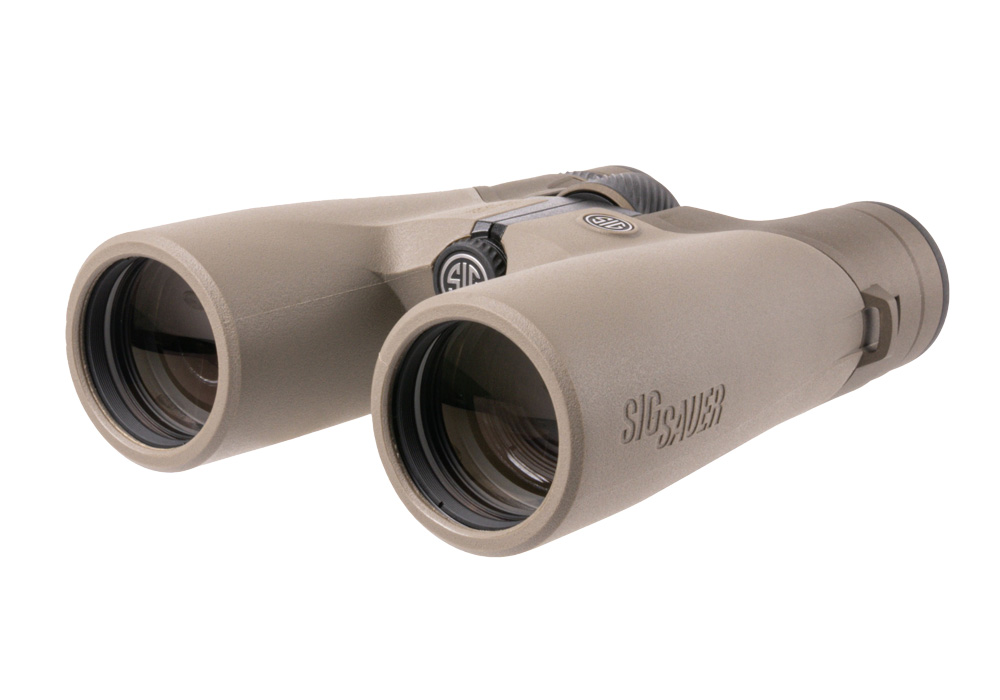
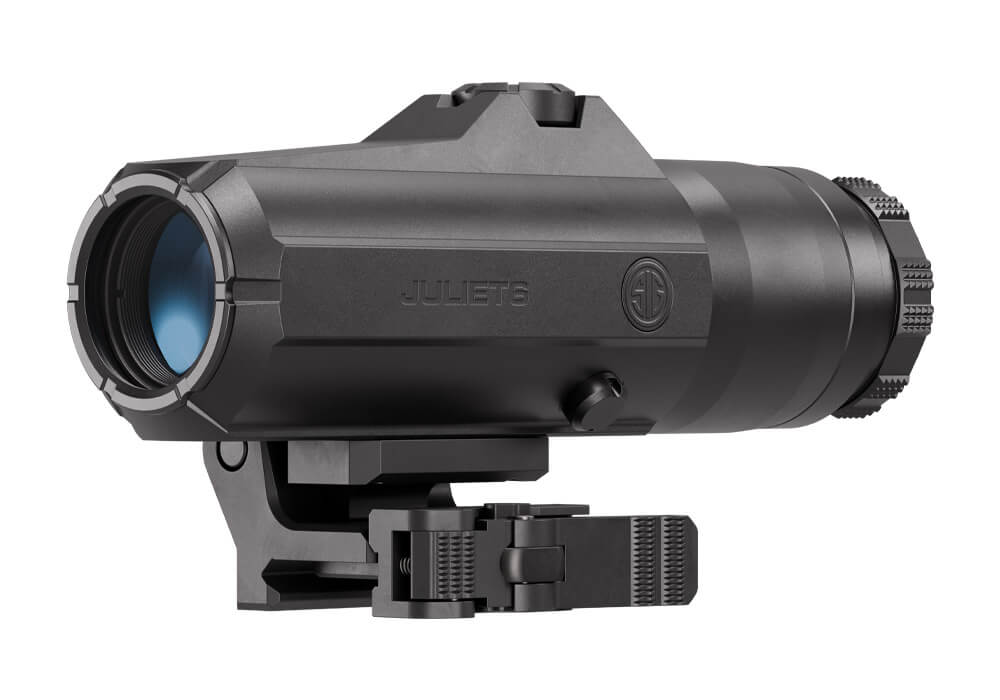
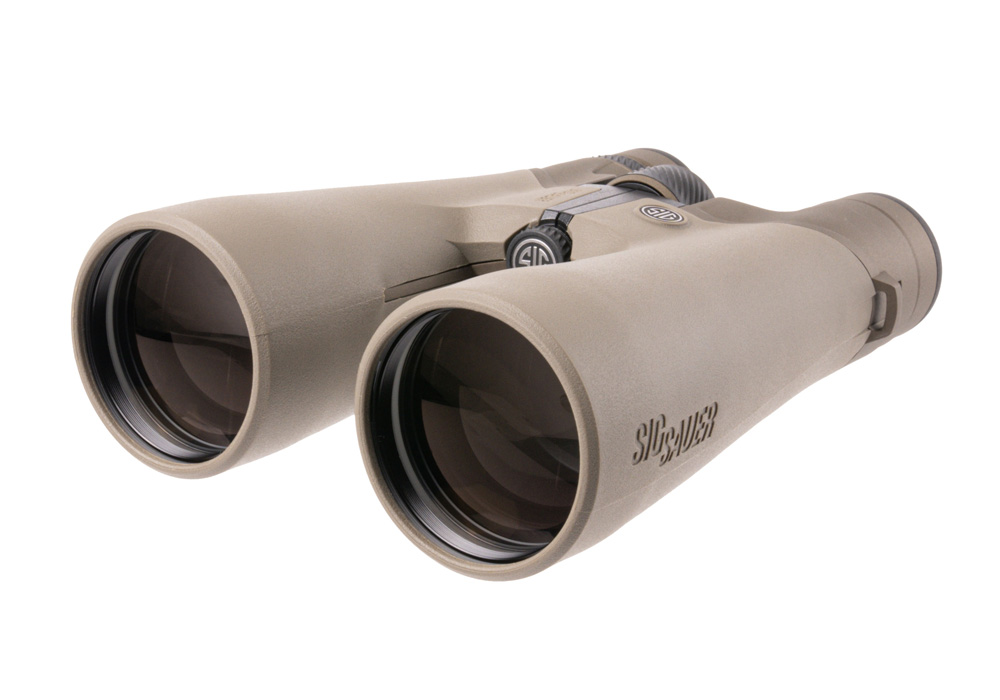
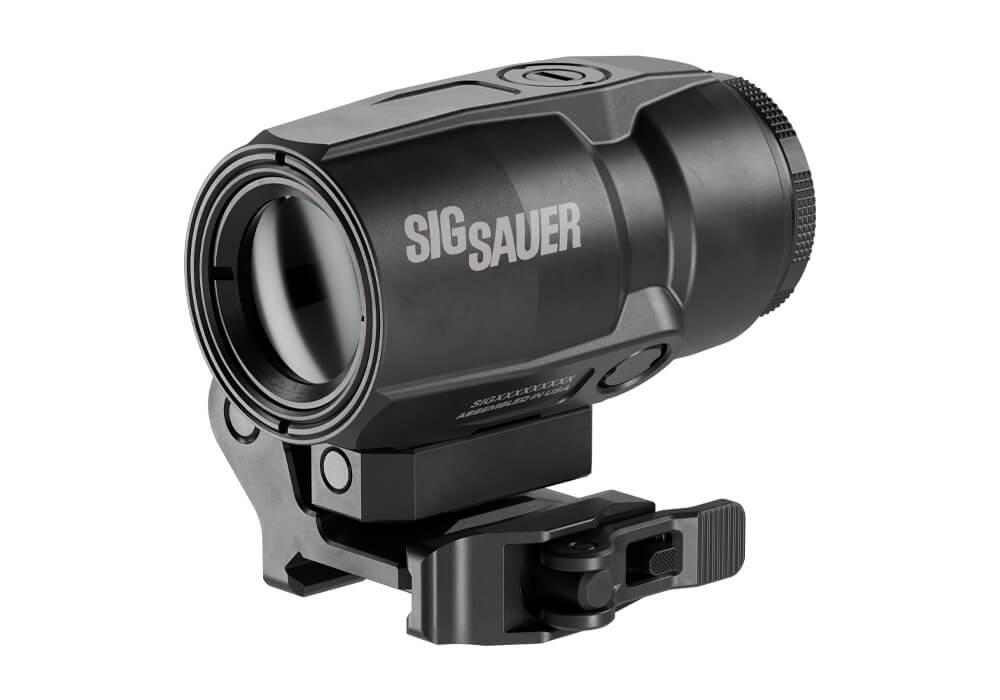
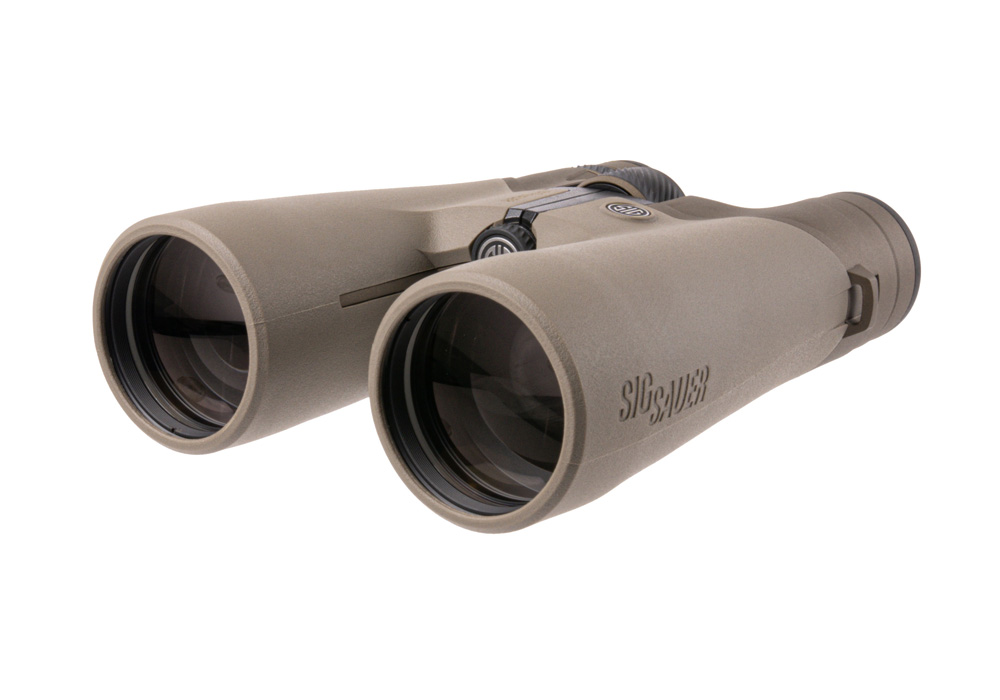
High transmission prism magnifiers are compact optical attachments designed to add practical magnification to a modern carbine or sporting rifle without permanently giving up the speed of a non-magnified aiming setup. Positioned behind a 1x prism scope or red dot sight, a magnifier enlarges the target image and can make it easier to identify, aim at, and engage distant targets while preserving the familiar reticle of the primary optic. The prism-based design uses internal glass elements to fold the optical path into a shorter housing, creating a streamlined profile that works well on rifles where rail space, balance, and maneuverability matter. High-definition glass and specialized multi-coatings are central to the experience: they help reduce glare, limit reflections, and transmit more available light through the optic for a bright, detailed sight picture. That benefit is especially noticeable when the sun is low, shadows stretch across a field, or a target moves from open ground into the edge of a wooded area. A high transmission magnifier is not simply a matter of adding more power. Optical clarity, contrast, color fidelity, eye relief, and the size of the usable eye box all influence how quickly a shooter can establish a clean view. A well-matched optic should help the reticle and target appear crisp rather than forcing the user to hunt for a narrow viewing position. Many magnifiers also include an adjustable diopter at the eyepiece, allowing the user to fine-tune focus for their eyesight and sharpen the image produced by the paired optic. That adjustment is particularly important with a 1x prism scope because the scope’s etched reticle must remain clear while the magnifier is tuned to the target image. Taking time to focus the system at a stable bench before heading into the field can make the difference between a smooth transition and a frustrating, blurry sight picture.
When comparing high transmission prism magnifiers, start with the optic already installed on the rifle. Confirm that the magnifier’s optical height matches the centerline of the 1x prism scope or red dot, and check whether the mount places the magnifier at the correct distance behind the primary sight. A mismatch can produce an obstructed view, an uncomfortable cheek weld, or difficulty aligning the two optics. Flip-to-side mounts are popular because they let the shooter move between magnified and unmagnified views with a deliberate, familiar motion. With the magnifier engaged, the enlarged image can support more precise aiming at longer distances; folded away, the primary 1x optic remains available for close-range practice, dynamic movement, or fast target acquisition. Mounting direction, locking tension, rail space, and clearance around charging handles and rear sights are all worth reviewing before installation. Magnification level should fit the rifle’s purpose and the distances most likely to be encountered. A lower-power option can preserve a wider field of view and a more forgiving presentation, while a higher-power option may provide additional detail for smaller or more distant targets at the cost of a narrower view and potentially greater demands on alignment. Eye relief varies between designs, and generous, functional eye relief can be valuable when shooting from imperfect positions, wearing protective equipment, or working around a heavier stock weld. It is also wise to consider overall length and weight. A compact magnifier can keep the rifle feeling lively in the hands, while a larger glass assembly may provide a different balance and viewing experience. Before live-fire use, verify that the optic returns consistently to the same position on its mount, confirm that the reticle remains centered through the magnifier, and test the complete setup from supported and unsupported positions. Small details that seem insignificant on a workbench—such as a slightly loose mount, a lens cap brushing the rail, or an awkward lever position—become much more noticeable during a long practice session in changing light.
These optics can suit recreational shooters, hunters who use a versatile carbine, competitors building a quick-transition rifle, and professionals who require a flexible sighting arrangement within their training and equipment standards. They may also be a thoughtful gift for an experienced shooter who already owns a compatible 1x prism scope or red dot and wants to extend the useful range of that setup without replacing the primary optic. Because compatibility is so important, gift buyers should confirm the recipient’s optic height, mounting pattern, rail configuration, preferred magnification, and intended use before selecting a magnifier. For anyone assembling a first complete sighting system, the magnifier should be considered as part of the entire optical layout rather than as an isolated accessory. A clear, bright image is only useful when the mount, eye position, reticle, and rifle controls work together naturally. The best setup often reveals itself during ordinary practice: a late-afternoon session when the target line is half in sun and half in shade, a cool morning when gloves change the way controls feel, or a familiar range day when repeated transitions show whether the optic returns to alignment without hesitation. Care for the glass with a soft lens cloth and appropriate optical cleaning supplies, keep protective covers in place during transport, and periodically inspect mounting hardware for secure fit. When stored for the cooler months or transported between range sessions, protect the optic from unnecessary impacts, moisture, and abrasive debris. Shooters exploring a smaller footprint may also wish to compare these magnifiers with other Compact Tactical Magnifier Optics to understand how housing dimensions, magnification, mounting solutions, and viewing characteristics fit their rifle. With the right pairing and careful setup, a high transmission prism magnifier can provide a bright, refined sight picture and a practical bridge between rapid unmagnified aiming and more deliberate magnified accuracy.