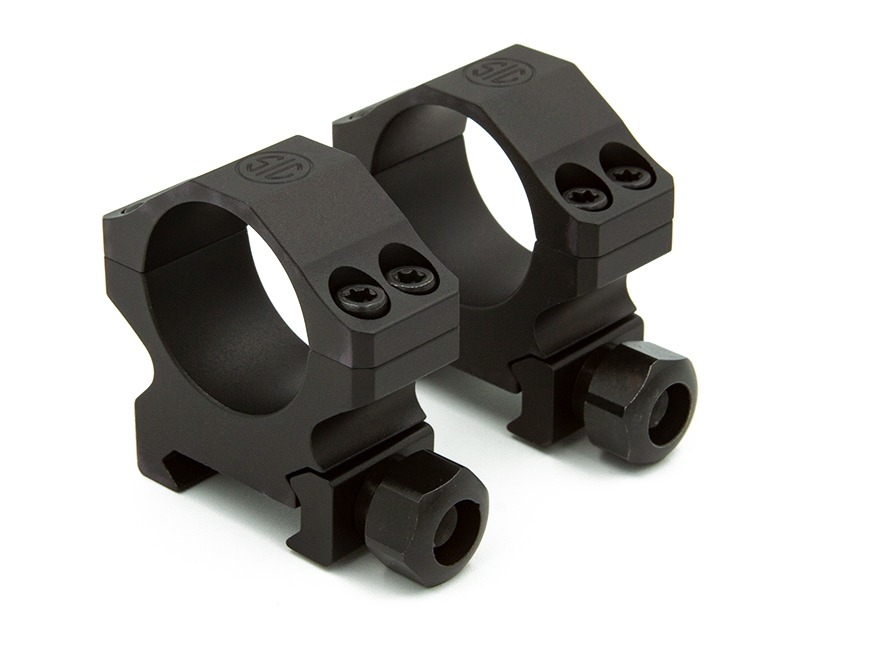
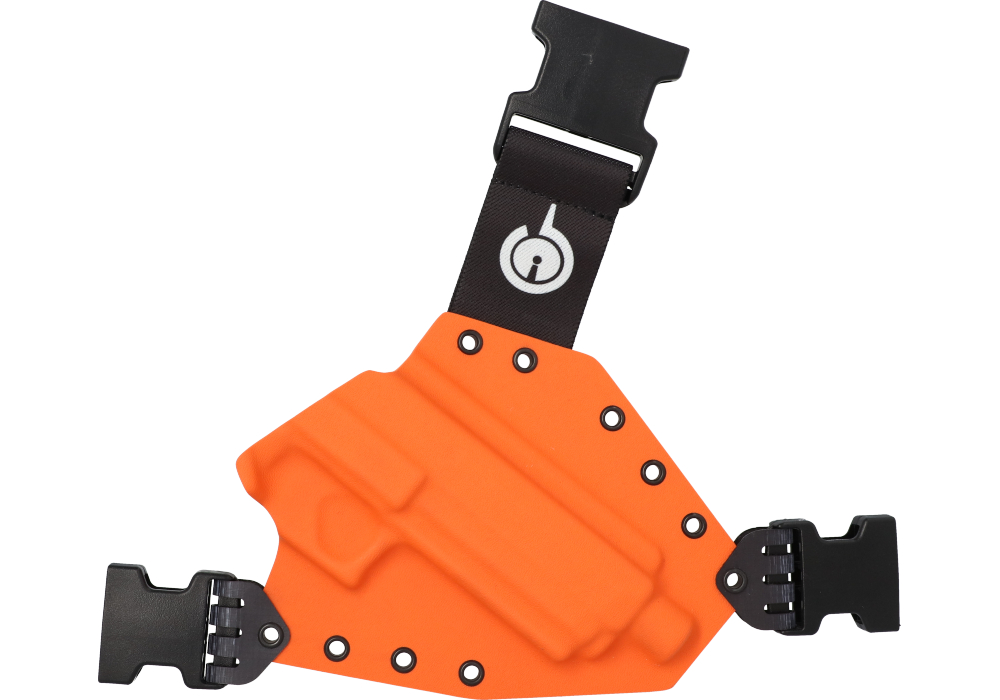
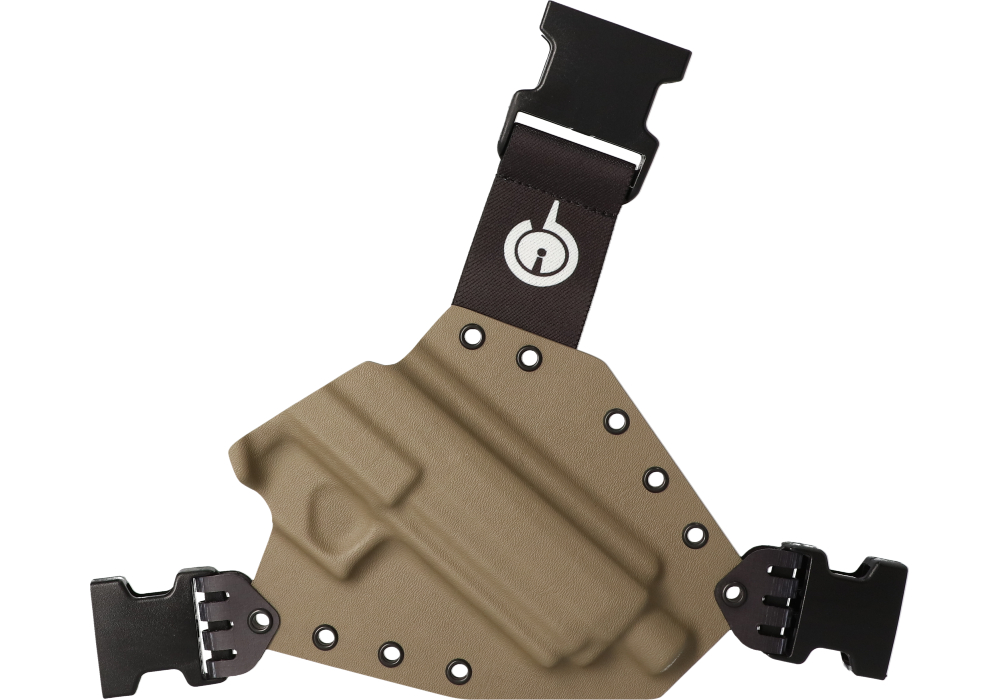
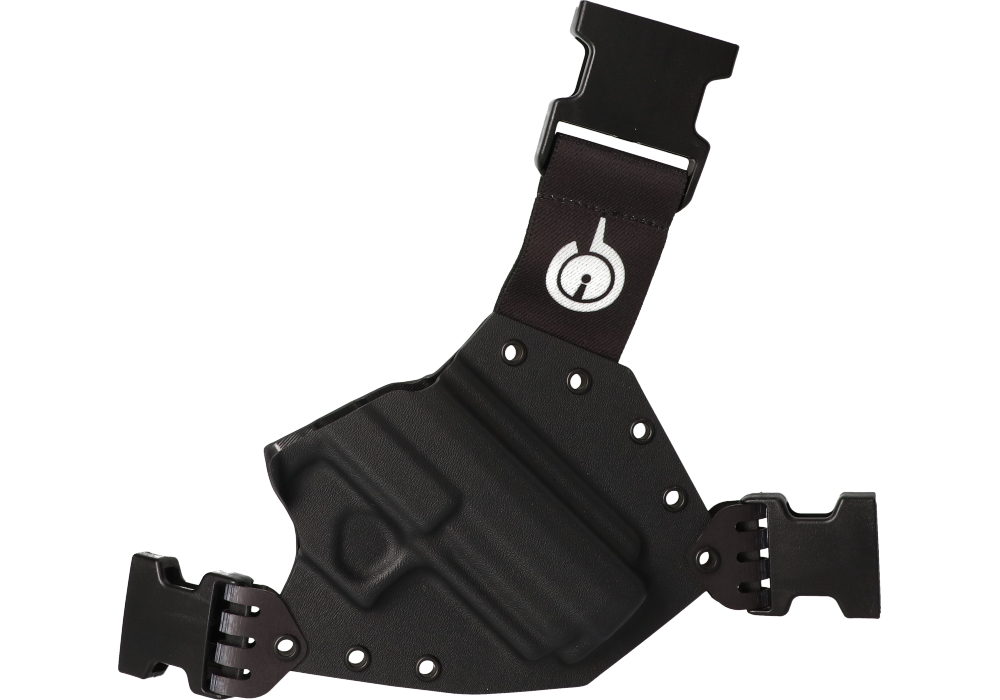
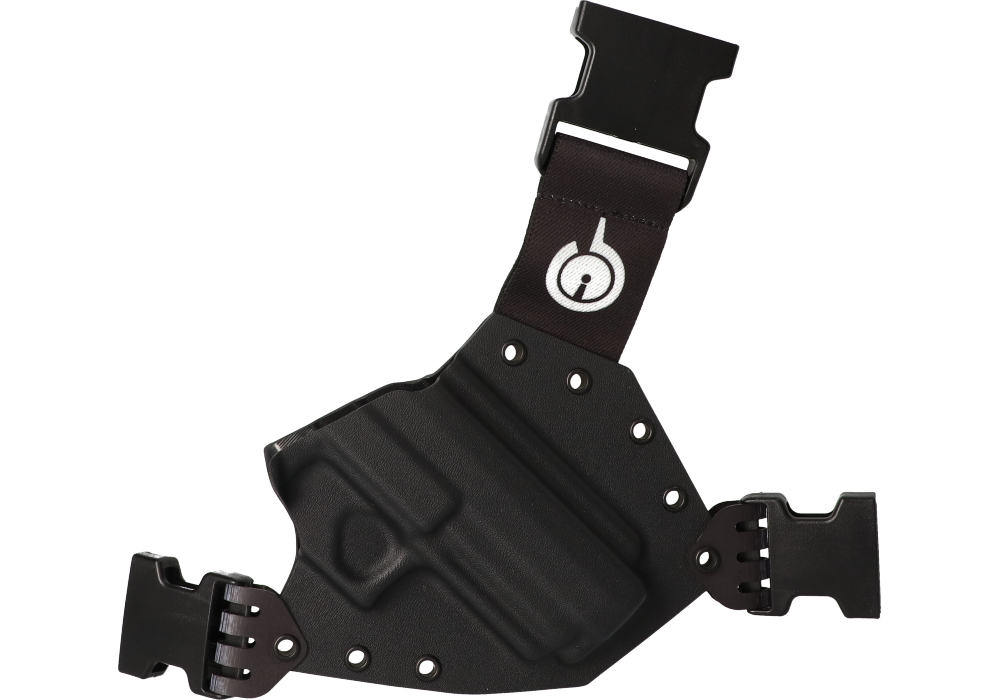
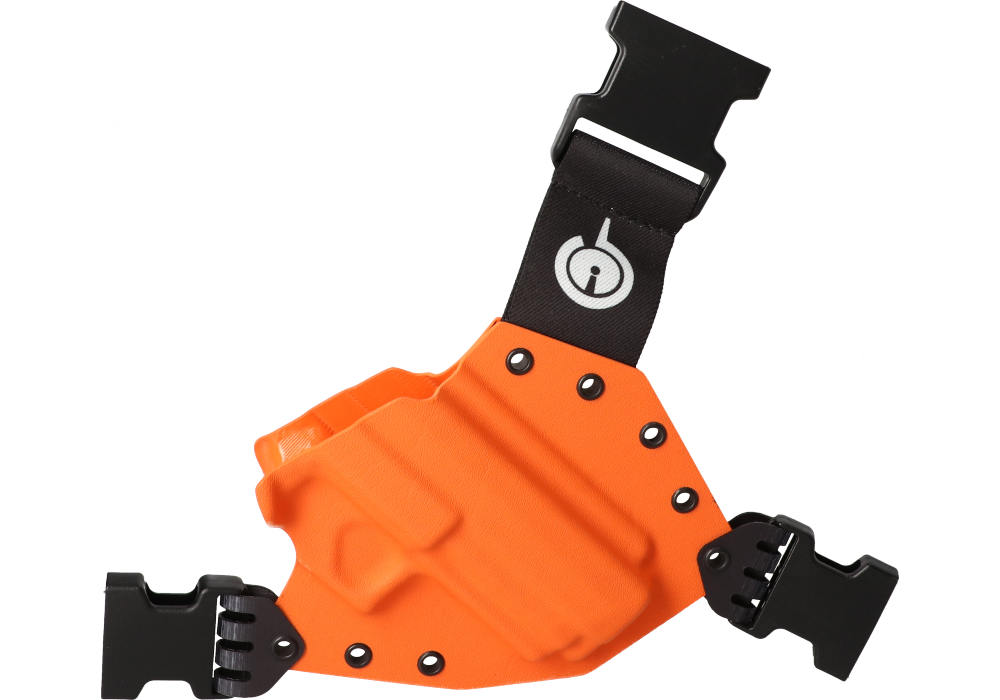
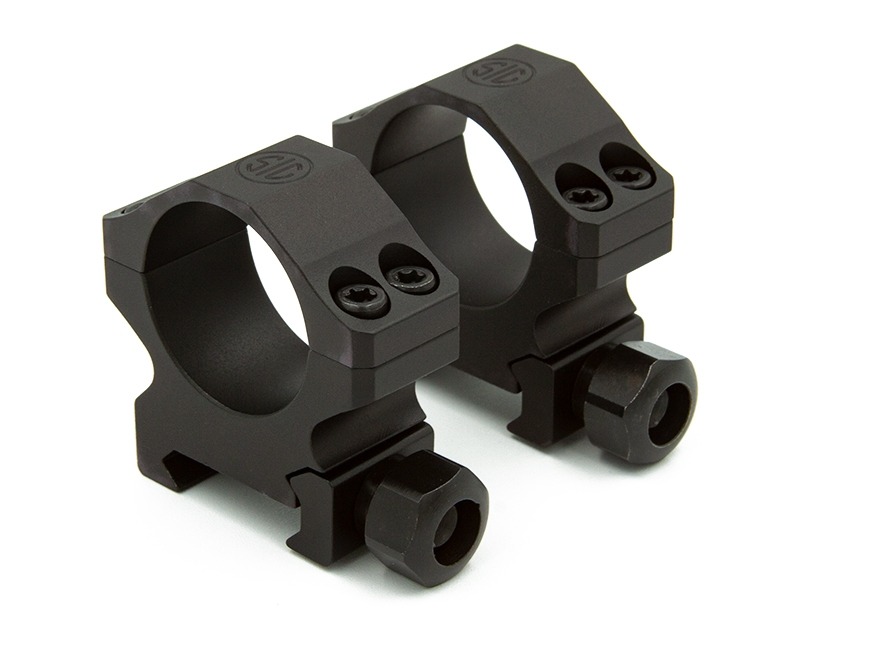
Hunting essentials are the practical pieces of equipment that support a safe, organized, and productive day in the field. The right selection depends on the game pursued, terrain, distance from the vehicle, and conditions expected during the cooler months, but several categories remain useful across many hunting environments. Before assembling equipment, confirm that required licenses, permits, species tags, and hunter education credentials are current and carried as required by local regulations. Firearms, ammunition, and related accessories should be selected for the intended game and used only in accordance with applicable federal, state, and local laws. A comfortable fit, manageable weight, dependable operation, and secure transport all matter when a hunt involves long walks, steep ground, or extended time outdoors. Ammunition should be appropriate for the firearm and the hunt, stored safely, and checked before leaving home. Optics also deserve careful consideration. Binoculars can help identify game and study distant terrain without unnecessary movement, while a rangefinder can provide a more precise understanding of distance when conditions and regulations permit its use. Clear glass, simple controls, weather-resistant construction, and a size that fits naturally in a pack or chest harness can make a noticeable difference when the morning begins in low light and the landscape is still covered in shadow. Hunters who spend time in wet or dusty country may also appreciate protective cases, lens cloths, and equipment designed to withstand changing conditions. For a broader selection of apparel, packs, optics accessories, and field-use equipment, explore Gear For Hunting.
A reliable hunting pack is another foundation of a well-prepared outing. Day hunts often call for a compact pack with enough room for water, food, extra layers, navigation tools, first-aid supplies, and a field-dressing kit, while longer trips may require additional organization and support. Look for durable materials, comfortable shoulder straps, practical compartments, and quiet zippers or closures that will not become a distraction in the woods. Navigation equipment should include more than a phone whenever possible. A physical topographic map and dependable compass provide a useful backup when batteries run low, signal is unavailable, or cold weather makes electronic devices difficult to operate. A handheld GPS unit can add convenience, but spare batteries or a portable power source help maintain readiness. Weather can change quickly as the season progresses, so packable rain protection, insulating layers, gloves, and moisture-managing clothing are worth considering even when the forecast looks mild. Visibility is equally important; blaze orange or other required safety apparel should be worn whenever regulations call for it, with enough coverage to remain visible while moving through timber, brush, or open ground. Basic emergency gear can be easy to overlook until it is needed. A whistle, fire-starting supplies, emergency blanket, flashlight, spare batteries, and a compact first-aid kit add little weight compared with the reassurance they provide. Include bandages, gauze, antiseptic treatment, medical tape, and any personal medications, and keep supplies protected from rain. Water and high-energy snacks are just as important as navigation tools on a long walk. A bottle or hydration reservoir, shelf-stable food, and a simple plan for replenishment can help maintain focus from the first ridge to the final return.
Field-dressing equipment should be chosen with the same care as the rest of a hunting setup. A sharp, secure knife, durable game bags, disposable gloves, and cleaning materials can help keep the process orderly while protecting both the hunter and the meat. A fixed-blade or folding design may suit different preferences, but a comfortable grip and dependable edge are more important than appearance. Hunters should also consider where equipment will be used: compact tools may be ideal for a day pack, while a more complete kit can be useful for remote terrain or shared camps. These items can make thoughtful gifts for a new hunter, an experienced outdoorsperson, or someone preparing for a first trip, particularly when selected around the recipient’s terrain, game species, and existing equipment. A practical gift does not need to be elaborate; a quality headlamp, compact first-aid kit, insulated bottle, game bags, binocular harness, or durable pack accessory can become part of someone’s regular routine. For anyone building a complete setup, organization is often as valuable as adding more gear. Store licenses and tags where they can be reached without unpacking the entire bag, keep optics protected, inspect straps and fasteners before departure, and check batteries, knife edges, and first-aid supplies throughout the season. A thoughtful collection of hunting essentials helps reduce preventable interruptions and leaves more attention for reading the terrain, moving responsibly, and enjoying the quiet rhythm of a day outdoors as the weather shifts from crisp mornings to colder afternoons.