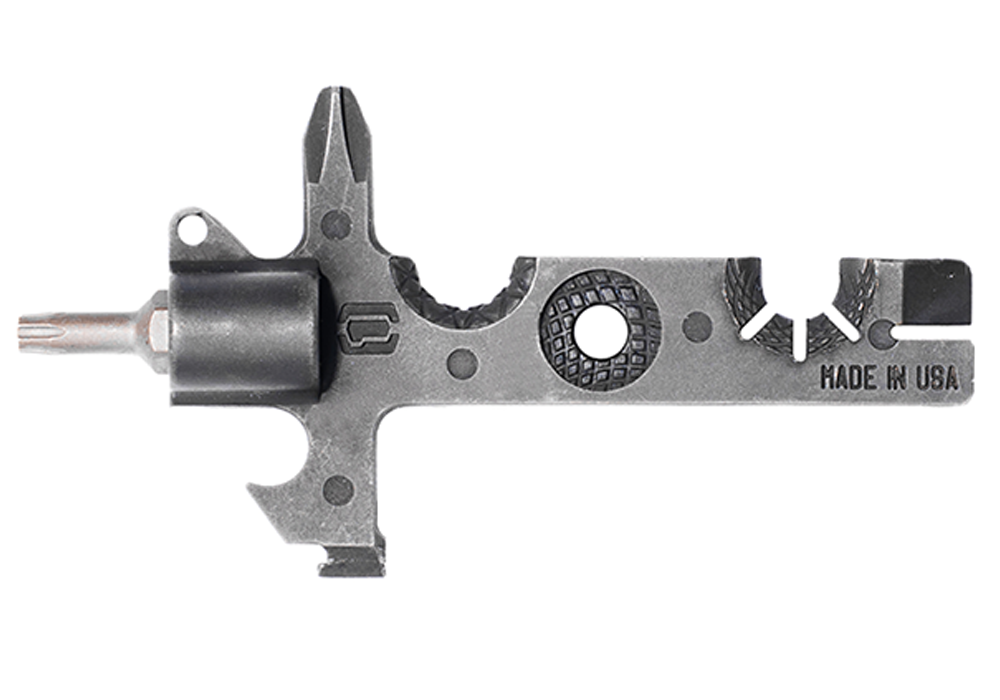
Hunting tools are the practical essentials that help turn time in the field into a more organized, capable, and responsible experience. Whether you are preparing for big game, waterfowl, or upland birds, the right equipment should support three priorities: observing wildlife, moving safely through unfamiliar ground, and caring for game properly after a successful hunt. A dependable field knife remains one of the most useful pieces of gear in any pack. Look for a blade suited to the work you expect it to perform, with a secure grip, durable construction, and a sheath that protects both the edge and the user during transport. A compact folding knife may be convenient for everyday tasks, while a fixed-blade knife offers a stable feel for more demanding field work. Folding saws can complement a knife when cutting through branches, processing game, or clearing small obstacles along a trail. When comparing cutting tools, consider blade length, edge retention, corrosion resistance, ease of cleaning, and whether the handle remains comfortable when worn gloves or wet conditions are part of the day. A small sharpening tool is also worth carrying; a sharp, well-maintained edge is safer and more efficient than forcing a dull blade through a task. These tools can be valuable gifts for a new hunter, an experienced outdoorsperson, or anyone assembling a thoughtful field kit, especially when paired with a durable pouch or organized pack.
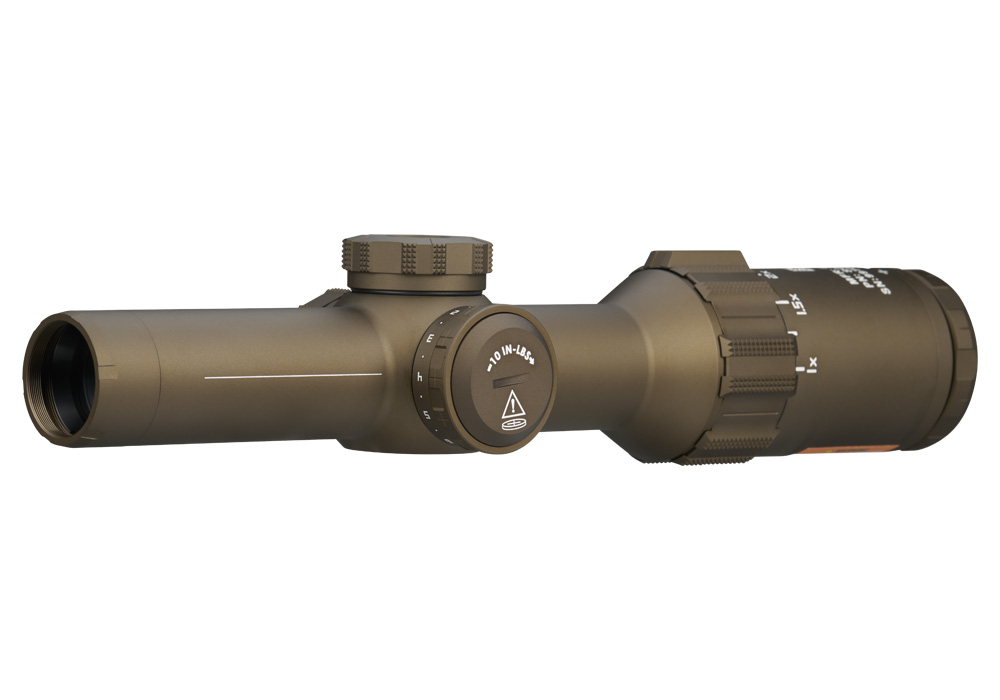
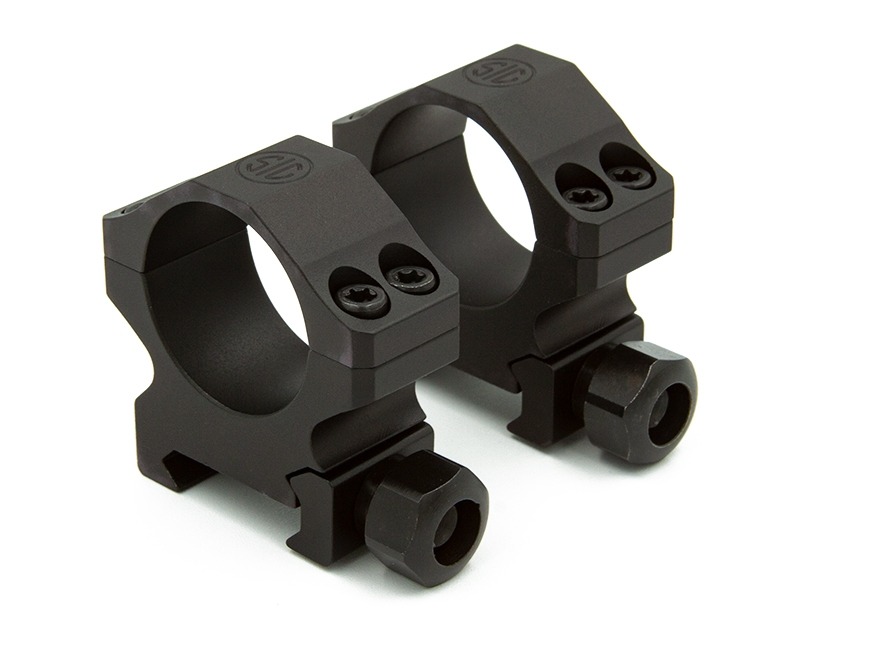
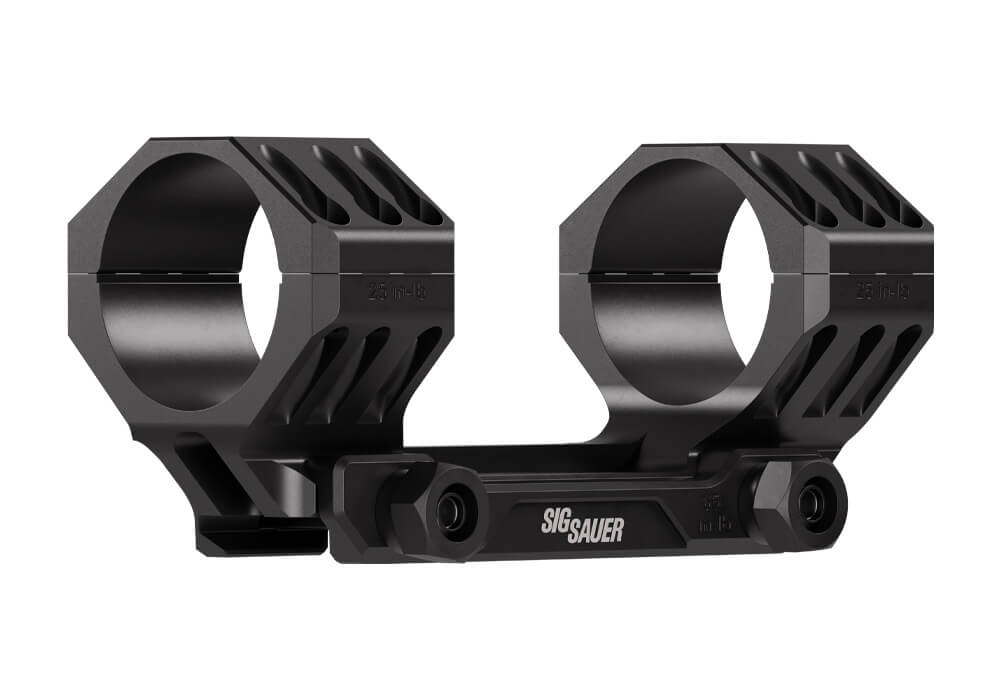
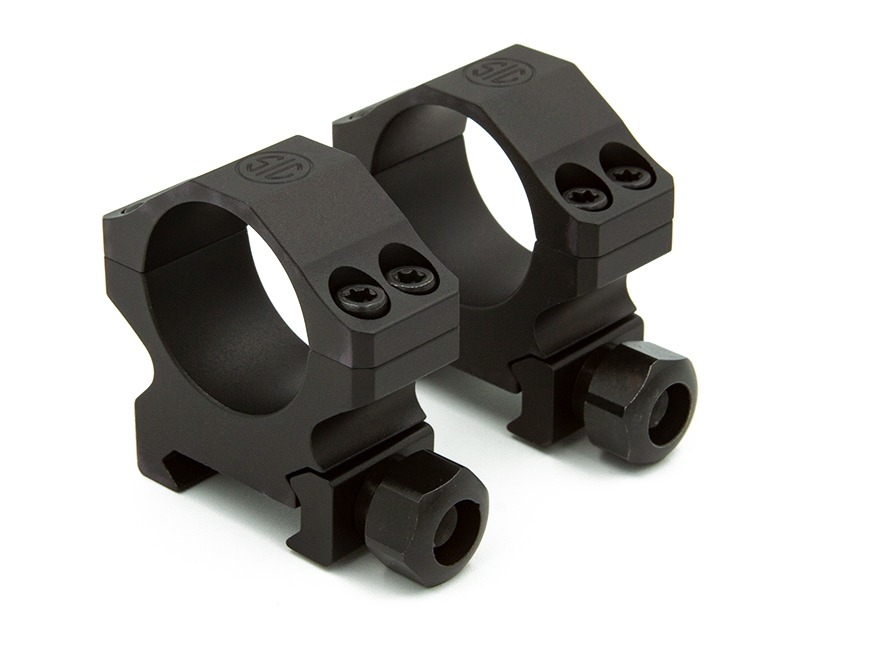
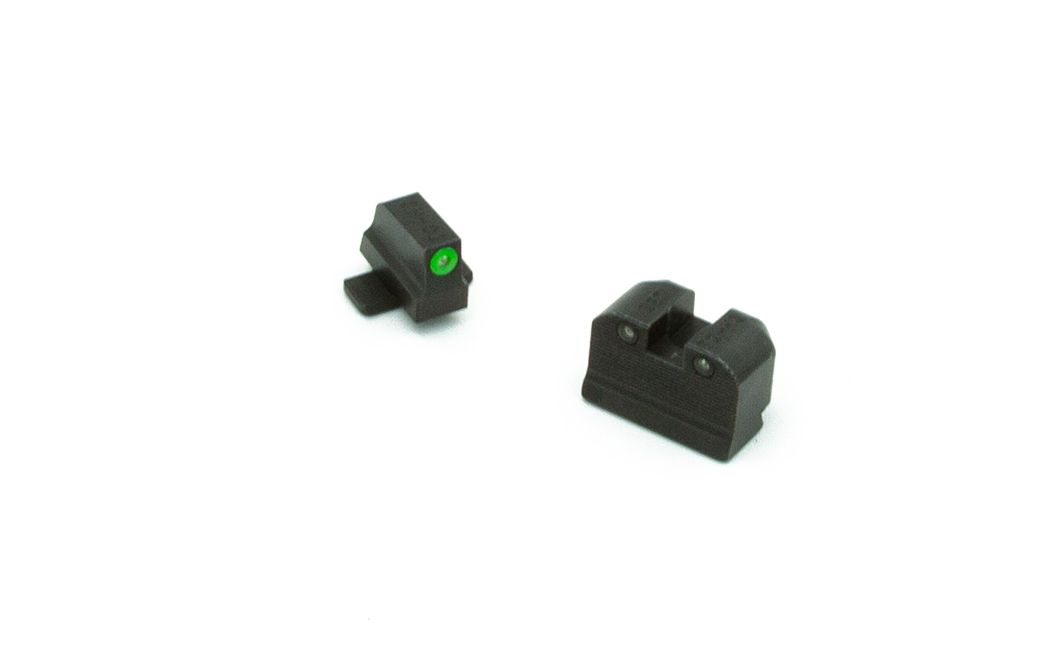
Optics and sighting equipment help hunters make better use of changing light, uneven terrain, and long glassing sessions. Binoculars are useful for scanning ridgelines, timber edges, fields, and distant cover without repeatedly raising a rifle or moving closer to an animal. When choosing binoculars, consider magnification, objective lens size, field of view, low-light performance, weight, and how easily the controls can be adjusted with cold or gloved hands. A rangefinder can add valuable distance information when terrain makes judging space difficult, while a compact spotting scope may be helpful for extended observation from a glassing position. Sighting equipment should be selected with the specific firearm, ammunition, and hunting environment in mind, then checked and practiced with before entering the field. Hunters looking to refine their setup can explore Hunting Sights for options intended to support clear aiming and confident target acquisition. Keep lenses protected with caps or a soft case, and carry a microfiber cloth rather than wiping dust or moisture with a sleeve. A familiar routine makes a difference: pause behind cover, settle your breathing, scan methodically from near ground to distant horizon, and give your eyes time to adjust when moving between bright openings and shaded timber. A quality optic is not simply another item in a pack; it can reduce unnecessary movement, reveal details that the unaided eye misses, and make long hours of patient observation more productive.
Navigation and field safety equipment deserve the same attention as knives and optics, even on familiar land. A paper map, compass, offline mapping application, or standalone GPS can help you understand property boundaries, elevation changes, drainage routes, access points, and the most efficient way back to the vehicle. Electronic devices are useful, but batteries can drain quickly in cooler weather, so carry a backup power source and maintain a non-electronic navigation option. A compact first-aid kit, headlamp, fire-starting materials, emergency blanket, whistle, water, and weather-resistant clothing can make an unexpected delay far more manageable. Trail cameras are another useful hunting tool for learning how wildlife uses a property over time. Properly positioned cameras can document movement patterns, travel corridors, and activity around water or feeding areas, helping hunters make informed decisions without spending every hour in the field. Follow landowner permissions, local laws, and any rules concerning camera placement or transmission features. For game processing, include disposable gloves, game bags, marking supplies, and a cooler or other suitable means of keeping harvested game clean and appropriately cared for. Check regulations before every season, including requirements for licenses, tagging, blaze-colored clothing, legal shooting hours, equipment, and transport. Gear should also be tested before a trip: inspect straps and fasteners, confirm batteries, clean lenses, verify that knives lock or sheath securely, and practice packing everything so the items you need most are accessible without emptying the entire bag. From an early morning walk across damp grass to a cold return through darkening timber, well-chosen hunting tools provide confidence, comfort, and practical support while keeping attention where it belongs—on safe, ethical, and responsible time outdoors.