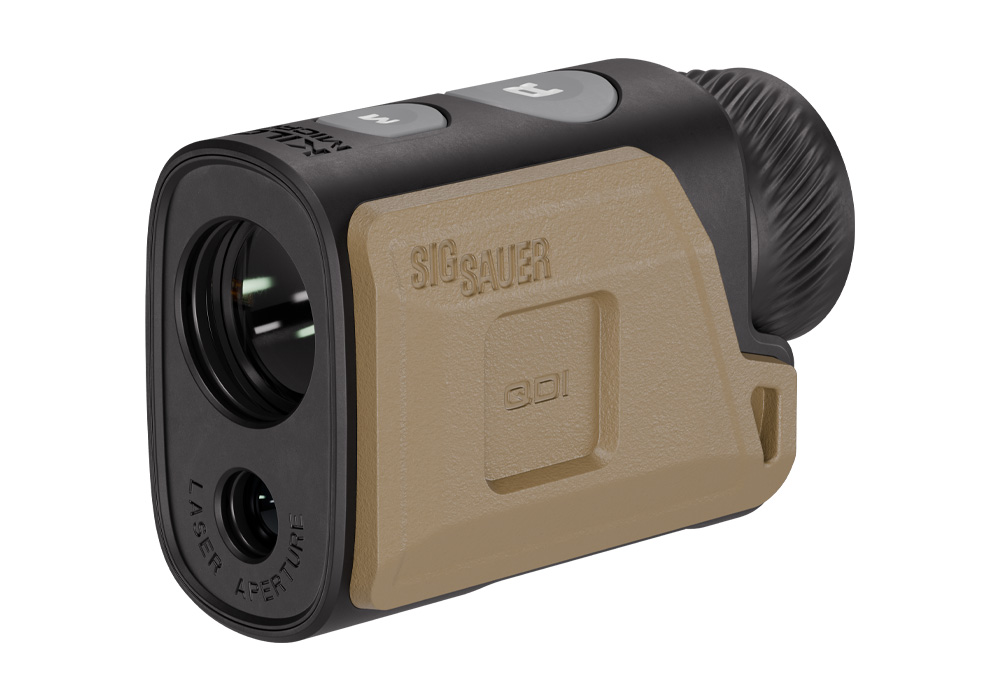
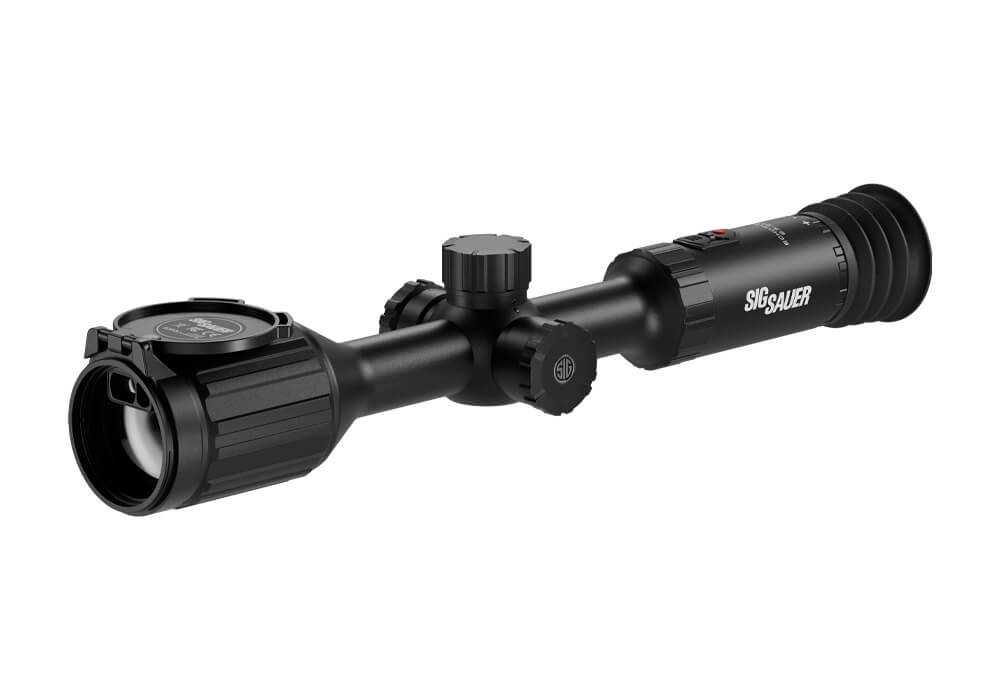
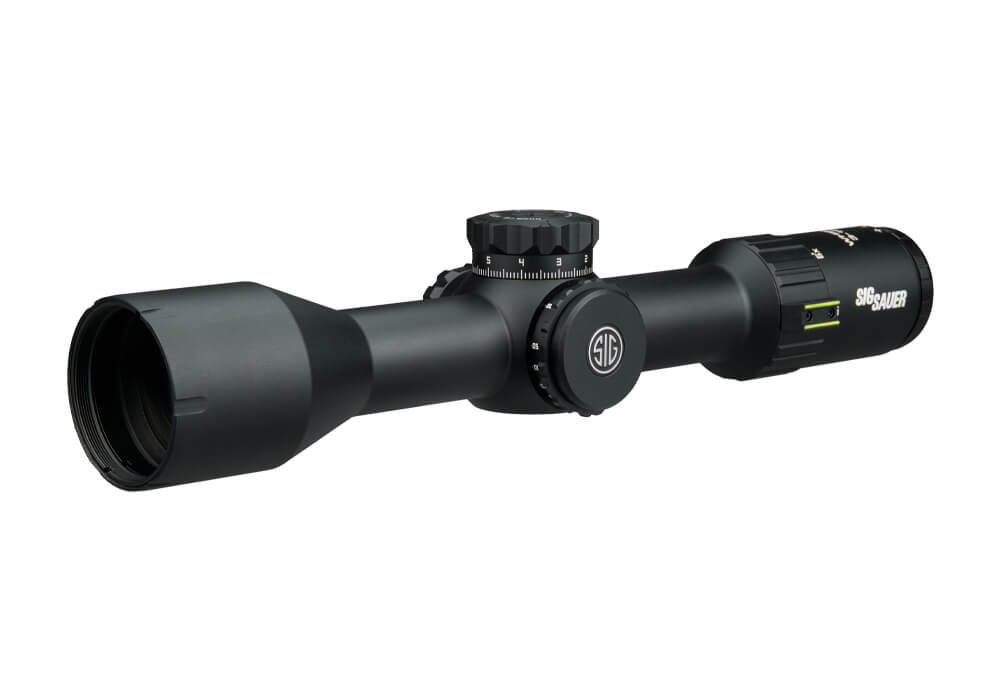
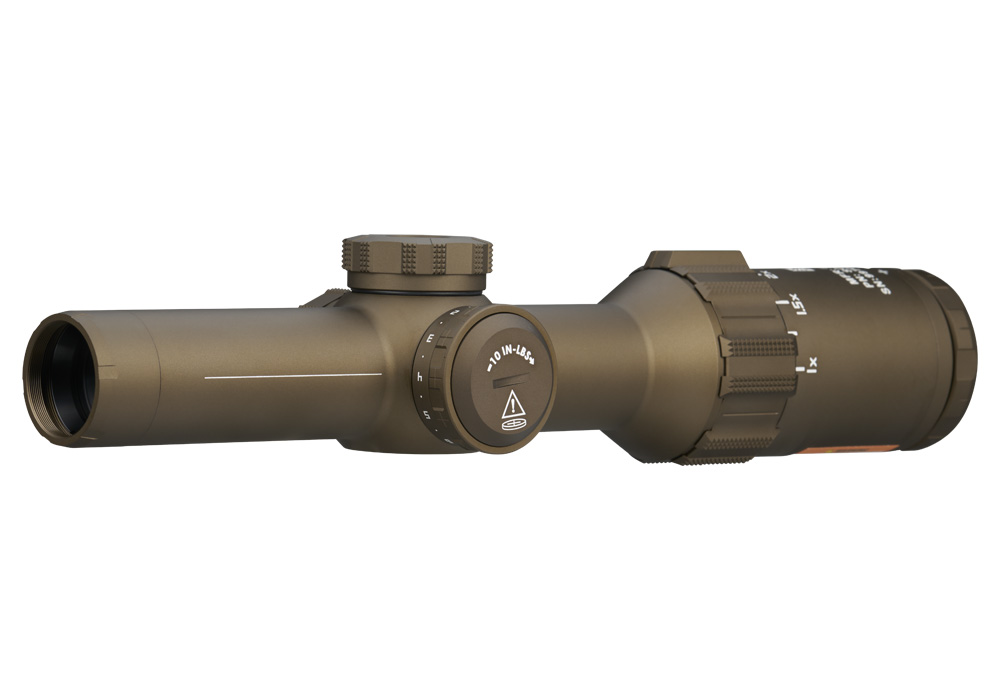
Hunting gadgets are practical field tools that support observation, distance measurement, navigation, and organization without adding unnecessary bulk to a hunting kit. Useful categories include laser rangefinders, binoculars, electronic mapping tools, compact lights, and portable power accessories, each serving a different purpose along the trail or at a stopping point. A rangefinder measures the distance to a selected object, while binoculars help reveal detail that is difficult to distinguish with the unaided eye. Mapping tools help hunters understand terrain, mark useful locations, and follow a planned route. The value of any gadget comes from how well its features match the intended hunt, not simply how many functions appear on its display. Someone covering substantial ground on foot may prioritize low weight, straightforward controls, and equipment that can be retrieved without taking off a pack. A hunter observing a broad clearing may place greater emphasis on optical clarity, a comfortable viewing position, and a display that is easy to read against different backgrounds. Magnification is only part of the picture: field of view, focus adjustment, eye relief, and image steadiness also affect how useful an optic feels during extended observation. Higher magnification can reveal distant detail, but it can also make hand movement more noticeable and narrow the visible area. Image stabilization, where included, can reduce visible shake, while lens quality and coatings can improve contrast and help manage reflections. Clear viewing in low light is another relevant consideration, especially when distinguishing shapes along a shaded tree line. No electronic reading or optical feature replaces positive identification, sound judgment, or an unobstructed view of the surroundings. The most useful hunting gadgets deliver information that is easy to interpret, allowing attention to remain on the landscape rather than on a complicated menu. Familiar controls and a clear display often matter more in practice than a long list of features that rarely get used.
Materials, dimensions, and fit influence how hunting electronics and accessories hold up to repeated use. Depending on the design, housings may use reinforced polymers, aluminum, or protective rubber surfaces to balance weight, rigidity, and grip. A textured exterior can be easier to handle than a smooth shell, while recessed controls may be less likely to activate inside a crowded pouch. Durability also involves the smaller details: secure battery covers, protected ports, dependable hinges, and attachment points that suit the intended carrying method. Published resistance ratings are more useful than broad claims of toughness because they describe tested limits; those limits still need to be considered alongside the manufacturer’s care instructions. Fit matters just as much as construction. A compact device should sit comfortably in the hand, and its primary controls should be reachable without repeatedly changing grip. For hunters who wear glasses, adjustable eyecups and suitable eye relief can make extended viewing more comfortable. Carrying systems deserve equal attention, since a tool that swings against a pack buckle or sits beneath several layers of equipment can become frustrating to retrieve. Strap width, pouch dimensions, closure design, and access with either hand all contribute to a practical setup. Power requirements are another important distinction among hunting gadgets. Battery type, expected runtime, charging connections, and power-saving settings determine how easily electronics fit into an existing kit. A rechargeable device may be convenient for regular use, while replaceable batteries can offer a straightforward backup when charging is impractical. Runtime figures depend on operating settings and frequency of use, so a bright display or continuously active connection may change the experience. Care should remain simple and consistent: remove loose grit before cleaning lenses, use appropriate optical cleaning materials, and avoid treating a shirt sleeve as a lens cloth. Clean housings, inspected seals, and properly stored batteries help preserve function between outings. Accessories should protect the equipment without blocking controls, covering sensors, or interfering with a comfortable grip.
Navigation and organization often determine whether a hunting gadget becomes a dependable companion or stays at the bottom of a drawer. Digital mapping can bring routes, saved locations, and terrain information together in a compact format, but the usefulness of those features depends on map coverage, readable detail, and access without a cellular connection. Offline map support is especially relevant where reception is unreliable, and satellite positioning should not be confused with an internet connection. Property boundaries and access information also require careful attention to the source and update schedule; a line on a screen is not a substitute for permission or confirmation of legal access. A separate navigation backup remains sensible when electronics are part of the plan. Organization can be equally valuable on a smaller scale. A dedicated place for spare batteries, a protected lens cloth, and a light that is easy to locate can prevent repeated rummaging through a pack. Quiet closures and secure attachment points help keep equipment from rattling together while walking. For a newer hunter, a straightforward device with an uncluttered display may be more useful than a complex tool that demands frequent adjustment. An experienced hunter may appreciate a gadget that complements familiar equipment, reduces duplication, or solves a specific inconvenience encountered on previous outings. Those same considerations make hunting gadgets thoughtful gifts for a birthday or another personal milestone, particularly when the recipient’s preferred activities and existing equipment are known. Compatibility, physical size, and charging requirements are worth confirming before choosing an electronic accessory for someone else. Related essentials within Gear For Hunting can provide context for how a gadget fits alongside carrying equipment and other field necessities. A well-balanced setup gives each tool a clear role, keeps frequently used equipment within comfortable reach, and avoids carrying several devices that perform essentially the same task. The goal is useful information and dependable function with less distraction, supported by equipment that suits the hunter’s pace, habits, and intended terrain.