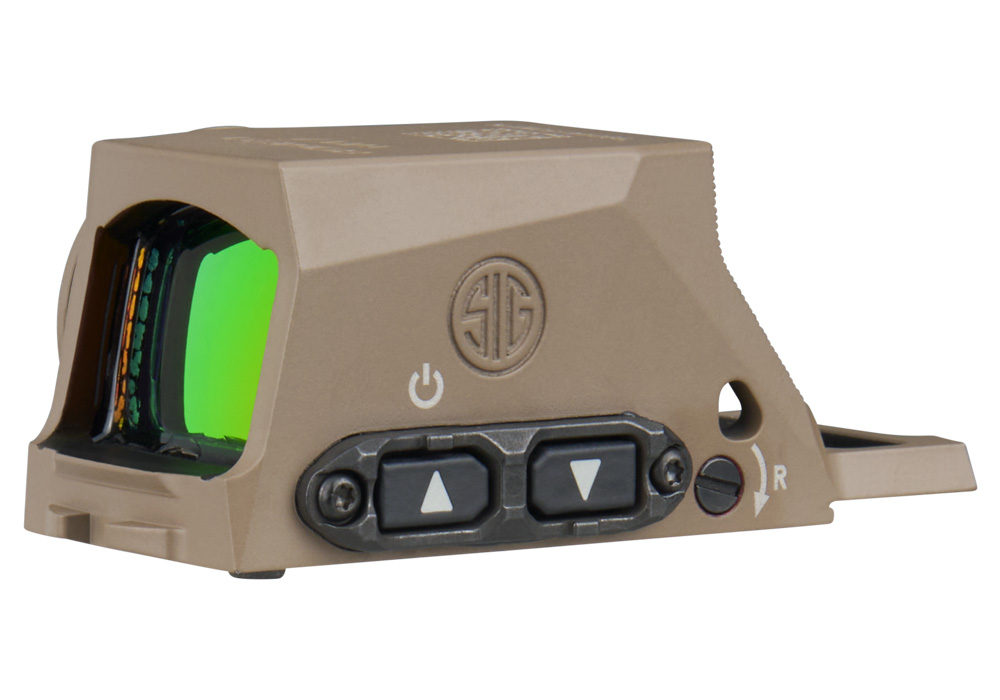
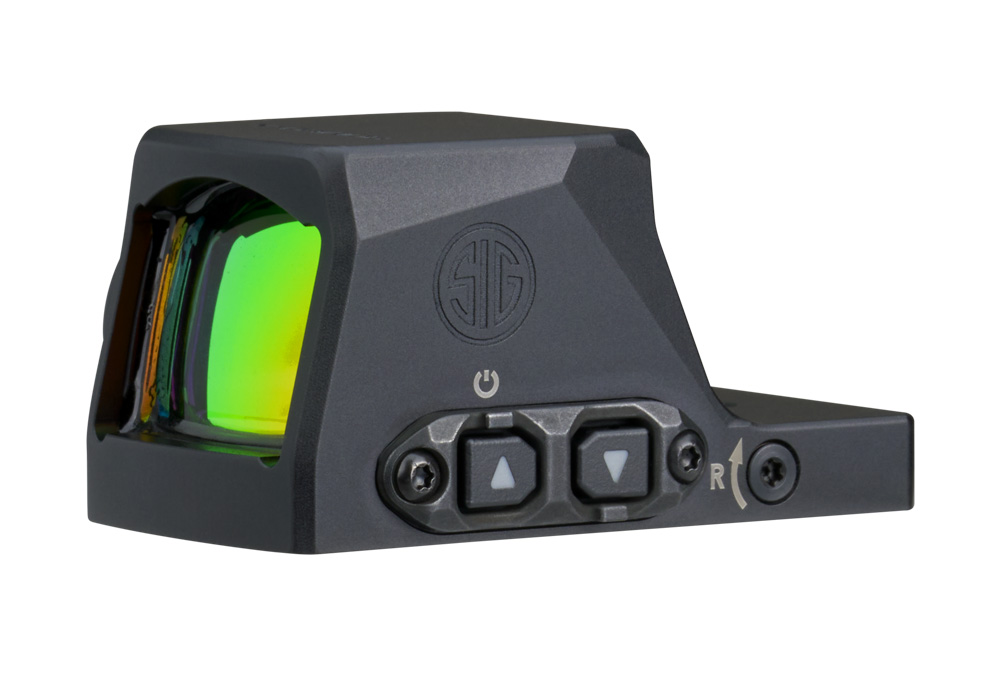
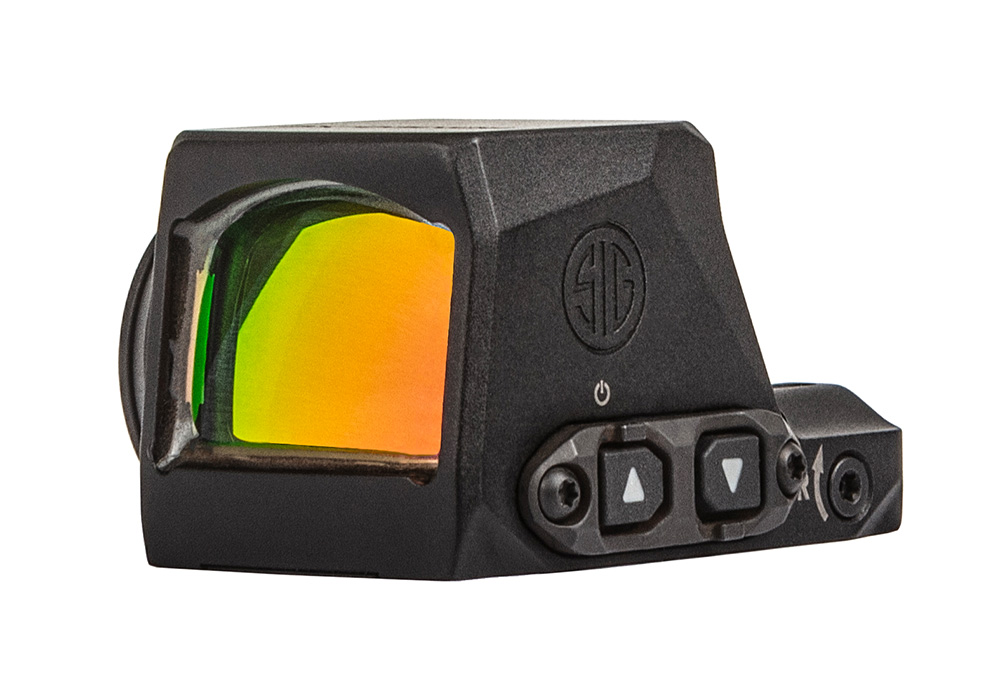
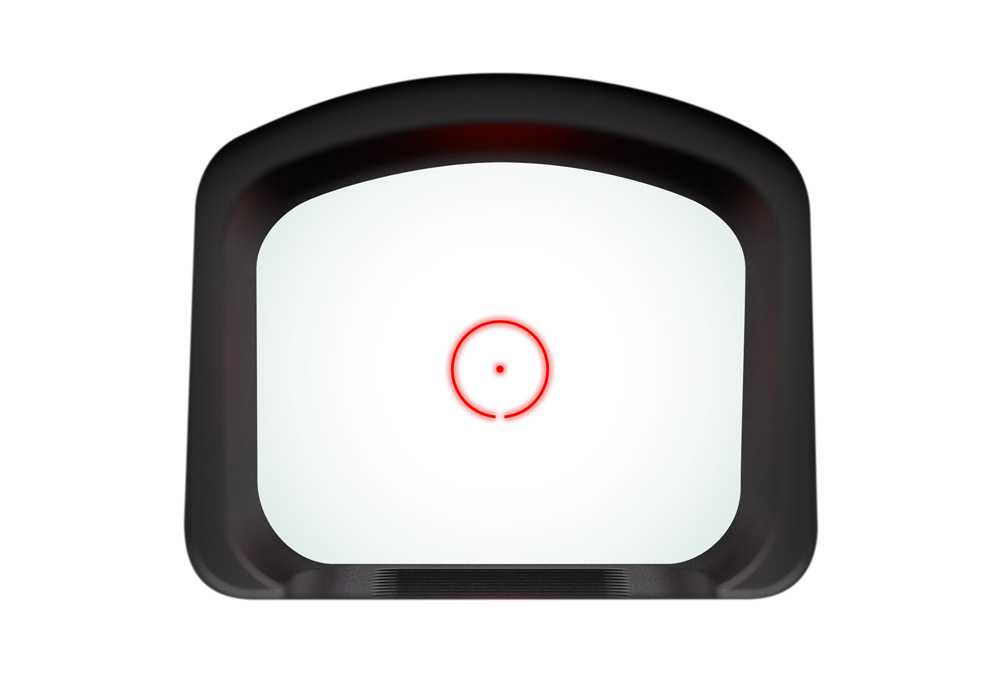
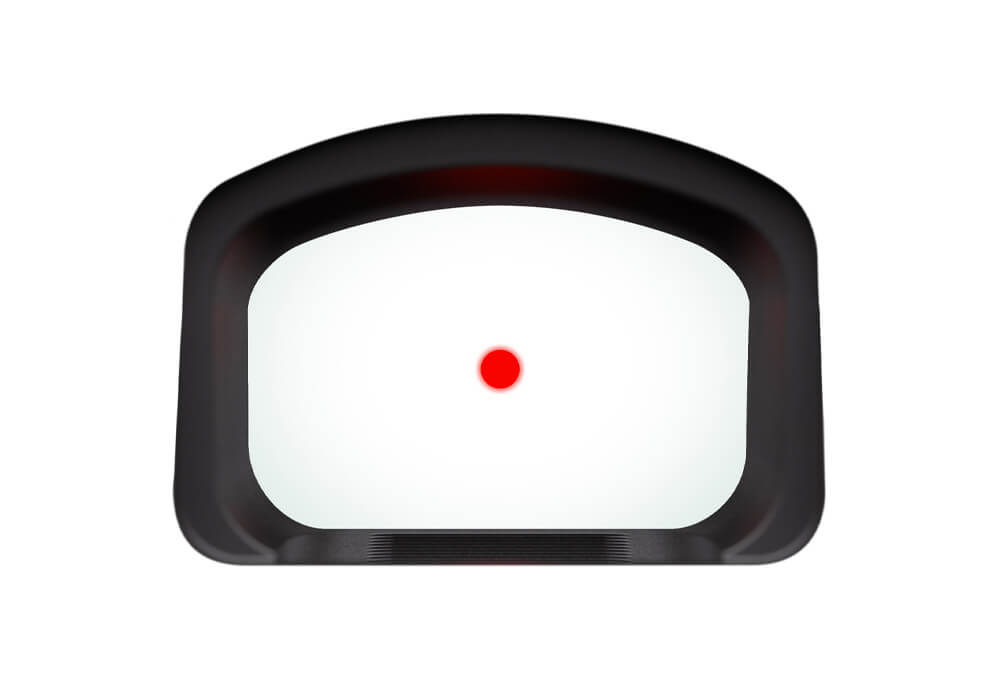
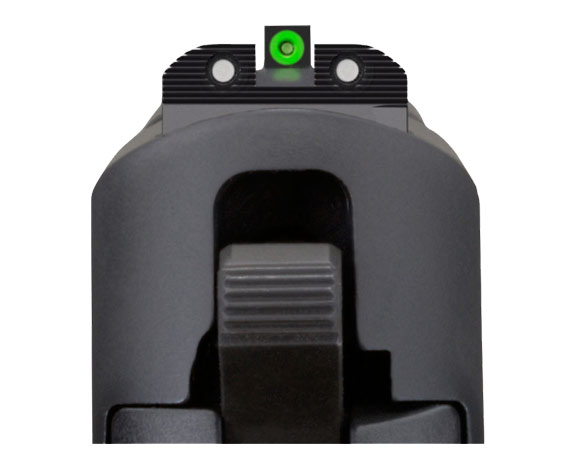
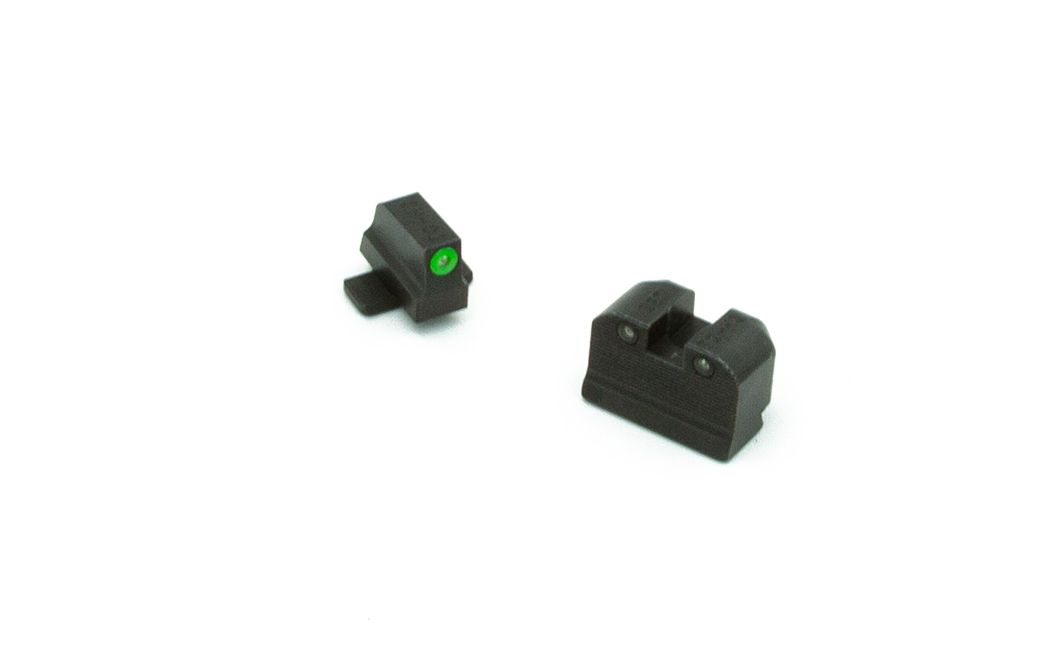
Impact-resistant pistol optics are designed for shooters who want a compact aiming system that can keep working through the demanding routines of training, carry, duty use, and regular range practice. Unlike a traditional rear sight and front sight, a red-dot optic presents a bright aiming point on a single focal plane, helping the shooter maintain awareness of the target and surroundings while keeping both eyes open. The most rugged designs combine a reinforced aluminum housing, carefully supported glass, dependable electronics, and a mounting system that helps preserve zero through repeated recoil. Impact resistance is more than a marketing phrase; it reflects how well an optic tolerates the everyday knocks that come from holster work, vehicle storage, range bags, barricade drills, and slide manipulation. A sight may encounter hard contact against equipment or a bench, brush against clothing, or receive pressure during one-handed cycling practice. A well-protected optic is built to handle those moments without allowing the lens to crack, the housing to deform, or the reticle to shift noticeably. For shoppers comparing options, look closely at housing construction, lens protection, sealing, battery access, adjustment controls, and the manufacturer’s stated testing. A machined 7075-T6 aluminum housing offers a strong balance of low weight and structural resilience, while a recessed front lens can place the glass behind a protective rim rather than leaving the full surface exposed. Reinforced contact points around the optic can also help shield the sight during slide-racking techniques. These details matter because a pistol optic often becomes part of a daily system rather than an accessory used only on a calm afternoon at the range. Browse the broader selection of Pistol Optics to compare footprints, reticle formats, mounting approaches, and features that suit your pistol and your routine.
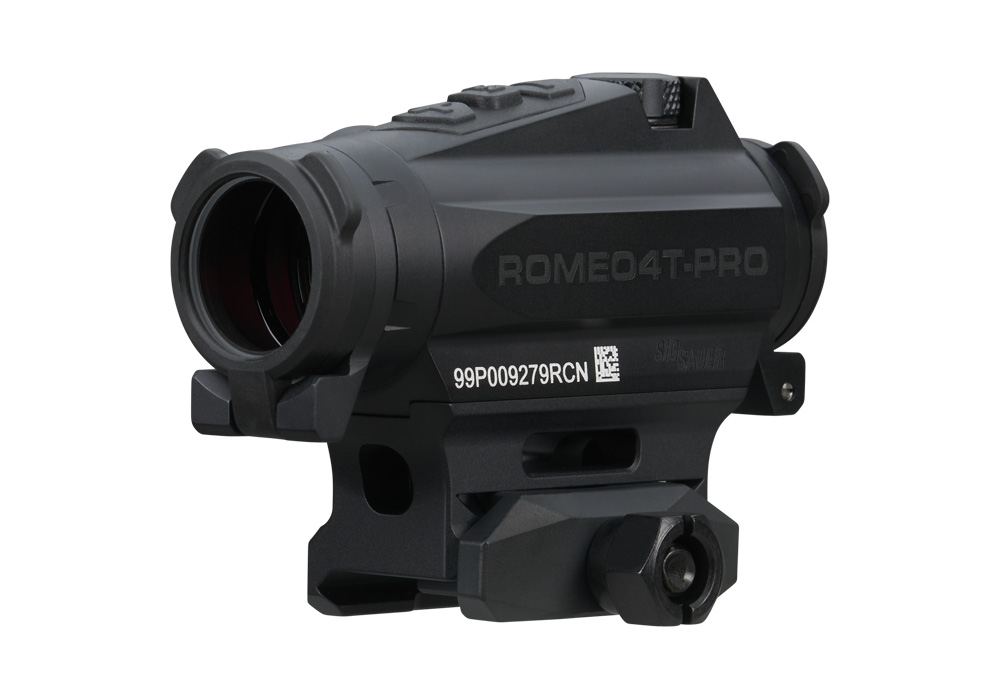
Open-emitter and enclosed-emitter designs each bring useful qualities to the selection process. An open-emitter optic typically offers a slim profile and a broad field of view, with the aiming point projected across an exposed window. This format can provide a clean sight picture and may fit a wide range of compact or full-size pistols, provided the footprint and slide cut are compatible. An enclosed-emitter optic places the emitter inside a sealed body, helping shield the projection system from rain, dust, lint, fine debris, and residue. That added protection can be especially valuable for pistols carried close to the body, used outdoors, or exposed to changing conditions during the cooler months. Enclosed housings are often somewhat taller or more substantial, so shoppers should confirm holster compatibility, sight height, and clearance before selecting one. Lens shape and placement deserve equal attention. A recessed lens is less exposed to direct contact than a lens that sits flush with the outer housing, and protective sidewalls can reduce the chance of damage during rough handling. Look for clear adjustment markings, positive windage and elevation controls, and a reticle that remains easy to see against both dark and bright backgrounds. Multiple illumination settings can help when moving from a shaded indoor range to an open outdoor bay, while automatic brightness adjustment may support quick transitions between different light levels. Battery life is another practical consideration, especially for a carry optic that may remain powered during storage. A top-access battery compartment can simplify replacement without removing the optic, while a dependable backup or motion-activated setting can help conserve power. The ideal choice is not always the smallest or lightest option; it is the optic whose durability, controls, profile, and mounting system work naturally with the shooter’s pistol.
These optics can suit many experienced pistol users, including concealed carriers, instructors, competitors, range regulars, and professionals who train with their equipment in varied environments. They can also be a thoughtful gift for a responsible shooter who already knows the exact pistol model and mounting footprint they use. Because compatibility is highly specific, a gift buyer should verify the slide cut, optic footprint, mounting screws, adapter plate requirements, co-witness height, and holster fit before ordering. A sight that fits one pistol may require a different plate or mounting system for another, and screw length is important because incorrect hardware can interfere with internal components or fail to secure the optic properly. Installation should follow the optic and pistol manufacturer’s instructions, with appropriate torque, thread treatment where specified, and a careful inspection after mounting. After installation, confirm the reticle appears crisp, check that the optic sits firmly against the slide, and establish zero from a stable position before practicing from the holster. A useful routine is to begin at close range, confirm the point of impact, and then refine the sight at the distance used most often. Marking or recording the final settings can make future checks easier. Regularly inspect the lens, battery compartment, mounting screws, and housing for residue or signs of wear; use lens-safe materials rather than abrasive cloths or household cleaners. During storage and transport, a fitted holster or protective case can prevent unnecessary contact with other equipment. Impact-resistant construction does not replace safe handling, sound maintenance, or consistent practice, but it can provide welcome confidence when a pistol and optic encounter the physical demands of real training. With the right fit and a clear understanding of each feature, a rugged pistol optic can become a dependable part of a complete setup through changing weather, busy range sessions, and the routines of everyday carry.