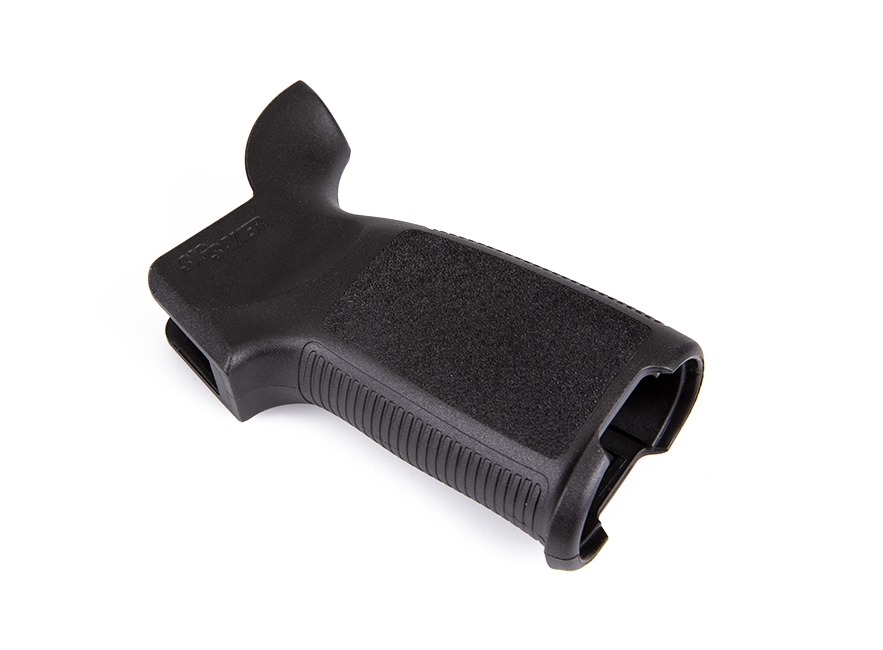
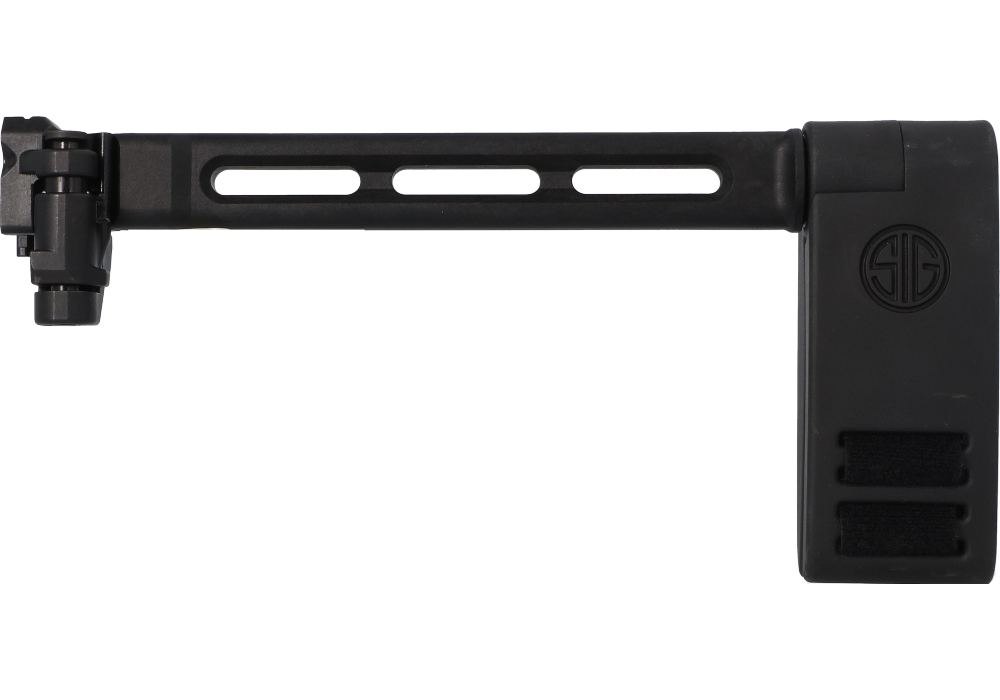
Improved grip shooting accessories are designed to help a shooter establish a more secure, repeatable connection with a firearm. A comfortable grip can make it easier to maintain consistent hand placement, manage recoil, keep the sights aligned, and return the firearm to target after each shot. Many shooters begin by placing the dominant hand as high as practical on the backstrap or grip tang, with the web of the hand seated firmly beneath the rear of the frame. This position helps direct recoil along the forearm instead of allowing the firearm to pivot sharply upward. The support hand should fill the open area on the opposite side of the grip, with the fingers wrapping over the dominant hand and the support palm making full contact with the frame or grip surface. A firm front-to-back and side-to-side hold can provide better control than relying on the dominant hand alone. Grip panels, sleeves, textured surfaces, and other grip-enhancing components can help fill the hand naturally, reduce slipping from perspiration or changing weather, and give the shooter a more dependable purchase during practice or defensive preparation. The best choice depends on hand size, grip circumference, texture preference, shooting position, and whether the firearm is used at an indoor range, outdoors, or while wearing gloves during cooler months.
When comparing products for improved grip, pay close attention to how each option affects reach to the trigger, safety controls, magazine release, slide stop, or other operating controls. A grip should feel secure without forcing the hand into an awkward angle or causing the trigger finger to contact the trigger incorrectly. Shooters with smaller hands may prefer a slimmer profile or a surface that improves traction without adding unnecessary bulk, while shooters with larger hands may benefit from additional palm fill and a more substantial contour. Texture is also an important consideration: aggressive surfaces can provide excellent traction during extended range sessions, but a smoother pattern may be more comfortable for concealed carry, long handling periods, or use without gloves. Any grip component should remain firmly attached and should not interfere with the movement of the slide, frame-mounted controls, or other functional parts. For rifles and other platforms, grip comfort works alongside the overall support-hand position and the way the firearm is shouldered. Shooters exploring a more customized setup may also review Handguards for Advanced Shooters when evaluating how the forward end of a firearm fits the hand and supports a stable stance. Before installation, unload the firearm, remove the source of ammunition from the work area, and follow the accessory and firearm manufacturer’s instructions. After installation, check that controls move freely and confirm proper fit with a qualified professional when needed.
A dependable grip is useful for new shooters learning consistent fundamentals, experienced shooters refining recoil control, and anyone who spends time training in changing conditions. It can also be a thoughtful gift for a recreational shooter, range partner, hunter, competitive participant, or firearm owner who appreciates practical upgrades that see regular use. Grip accessories are often easier to personalize than larger equipment because comfort and texture are highly individual; consider the recipient’s preferred platform, hand size, shooting habits, and whether they typically use bare hands or gloves. During warmer weather, a secure surface can help maintain control when palms become damp, while during cooler months the right shape and texture can make it easier to maintain a stable hold through light gloves. Good grip technique still depends on the fundamentals: keep the dominant hand seated high on the rear of the grip, use the support hand to cover as much available surface as possible, keep the wrists firm, and apply controlled inward pressure without excessive tension in the shoulders or arms. The thumbs should remain clear of moving parts and controls unless the firearm’s design specifically calls for another placement. A balanced stance with a slight forward lean can help manage recoil, while a relaxed upper body allows the hands and forearms to do their work without fatigue. Grip pressure should be firm and consistent, but it should not compromise trigger control or cause the trigger finger to drag against the frame. Whether selecting a replacement grip, an added traction surface, or another grip-focused accessory, prioritize secure fit, comfortable handling, compatibility, and responsible use. Always follow the firearm’s safety rules, observe applicable laws, and practice only in a controlled setting with appropriate eye and hearing protection.