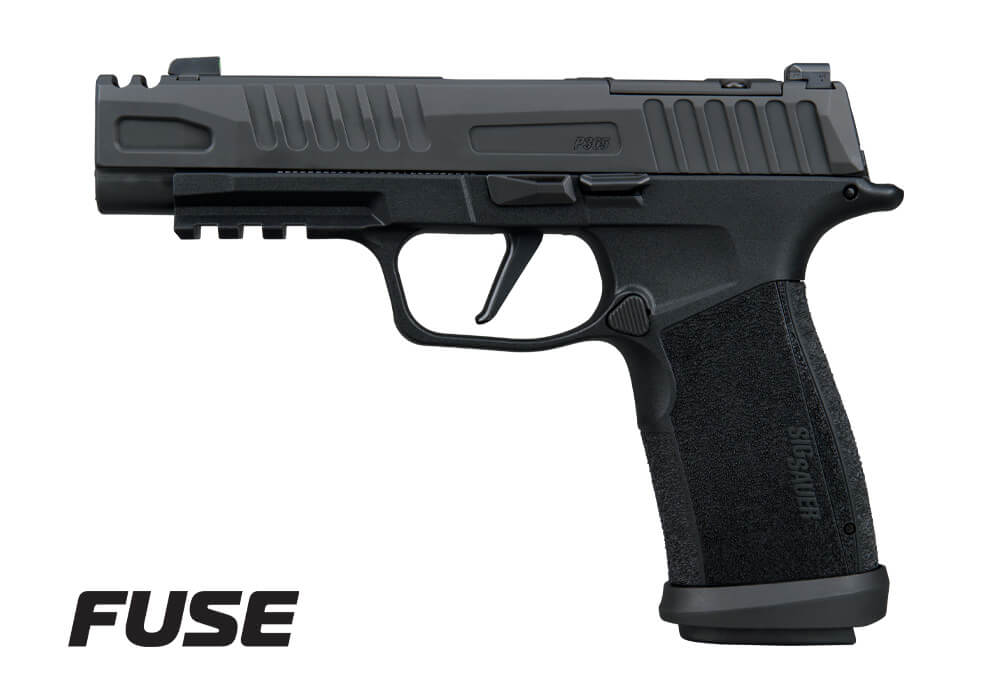
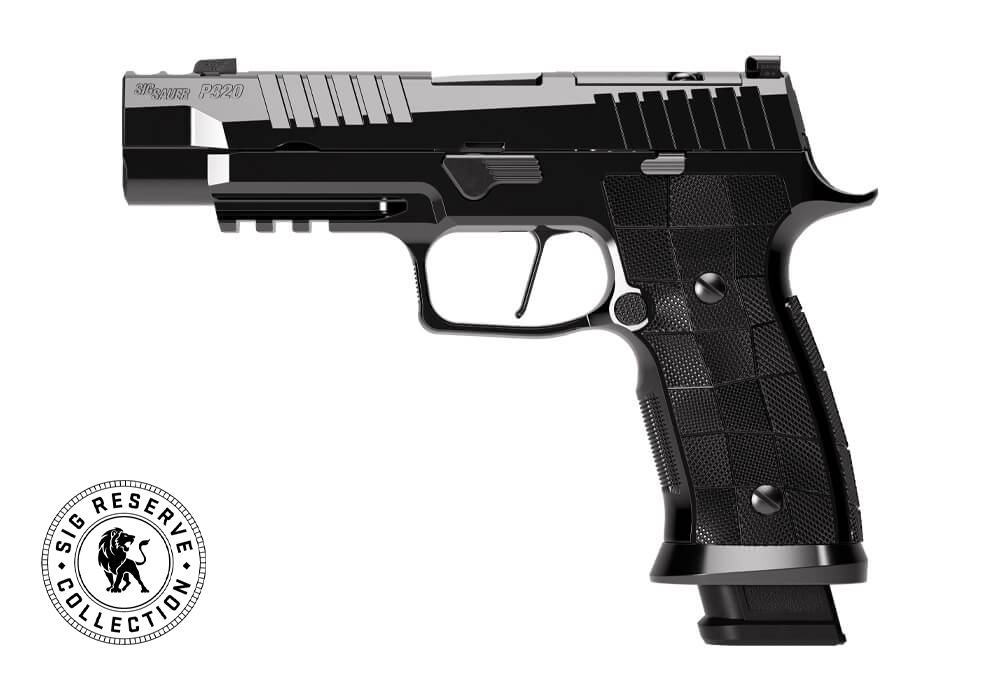
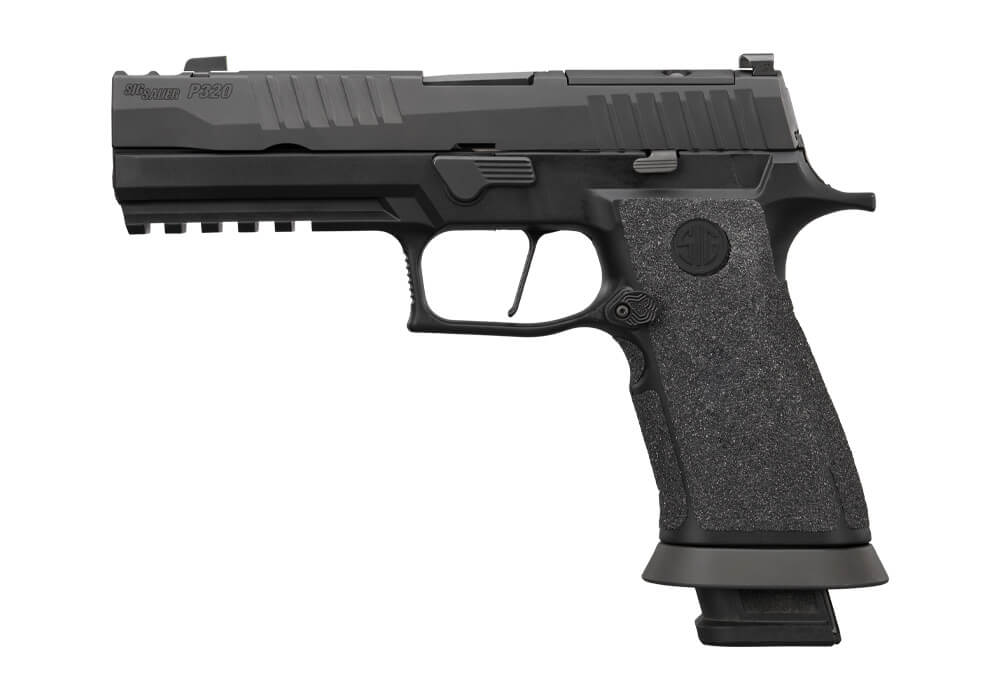
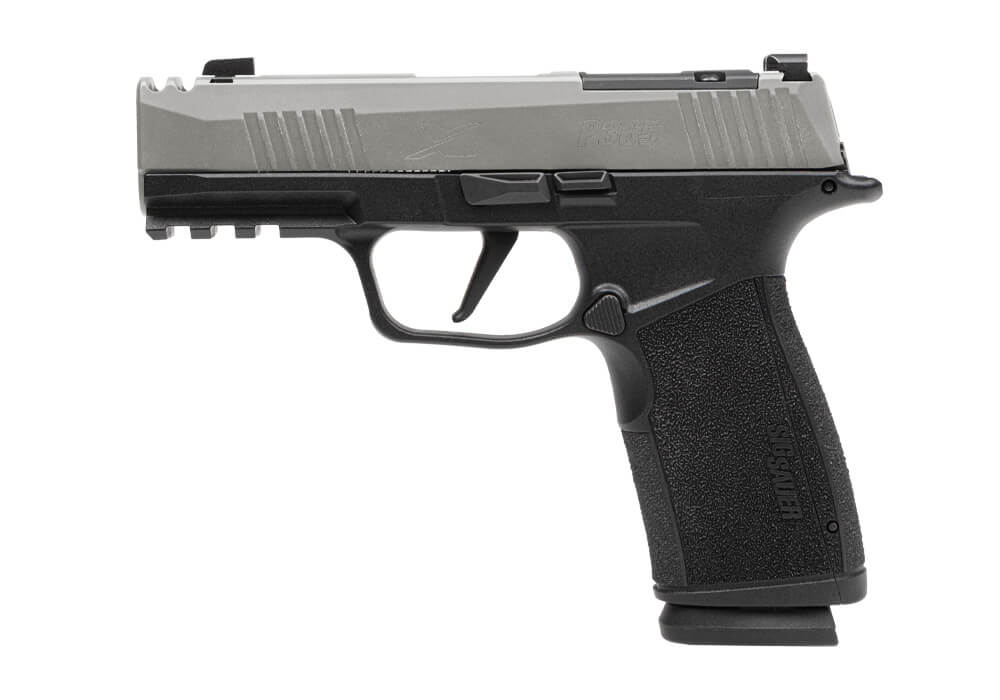
Integrated flash hider firearms combine the barrel and muzzle-end design into a streamlined system intended to reduce the visible flash produced when propellant gases leave the bore. Rather than relying solely on a conventional, removable birdcage-style device, an integrated flash hider may be machined into the barrel assembly or incorporated into a dedicated mounting system. The result is a cleaner profile with fewer protruding parts, which can be useful when a firearm is carried in a case, handled around gear, or used in low-light conditions. A flash hider does not eliminate the report, recoil, or muzzle movement of a firearm, and it should not be confused with a sound suppressor. Its primary purpose is to disperse and cool escaping gases so the bright burst at the muzzle is less pronounced. That can help preserve the shooter’s natural night vision and reduce the temporary disruption caused by a bright flash, particularly when firing during dusk, after dark, or in shaded outdoor environments. The effect is especially relevant with compact rifles and other firearms using shorter barrels, where more unburned powder may exit the muzzle and create a noticeable flash. Buyers comparing integrated flash hider firearms should consider the firearm’s intended role, barrel length, overall dimensions, ammunition compatibility, and the way the muzzle system affects balance. A compact, snag-resistant profile may be valuable for transport and maneuvering, while a longer configuration may offer different handling characteristics. Careful attention to the manufacturer’s specifications, approved ammunition, maintenance instructions, and applicable federal, state, and local laws is essential before purchase or use.
Many people choose integrated flash hider firearms for recreational range use, practical training, property protection where lawful, or professional applications that require dependable performance in changing light. For a hunter or outdoors enthusiast, a reduced muzzle flash can be beneficial during the dim conditions that often surround early starts and late returns, although all hunting regulations and land-use requirements still apply. For a homeowner or prepared outdoorsperson, the streamlined design may make the firearm easier to store securely and transport without an exposed device catching on a soft case or sling. These firearms can also appeal to experienced shooters who appreciate a purpose-built configuration rather than adding separate components later. When evaluating a listed firearm, look beyond the muzzle alone. Check the operating system, sight or optic compatibility, controls, stock or brace configuration where applicable, unloaded weight, and the availability of replacement parts and service support. A flash hider can influence the overall length and balance of a firearm, while an integrated design may limit the ability to swap to another muzzle device. If suppressor use is part of the intended setup, confirm whether the integrated flash hider is designed as a compatible direct-mount or quick-detach interface and verify the exact suppressor, caliber, thread, alignment, and clearance requirements. Not every flash hider is a suppressor mount, and not every suppressor is compatible with every muzzle system. Buyers should also understand that suppressors are regulated items in the United States and may require an application, registration, tax, and approval process before possession or use, depending on current law. For a broader look at removable muzzle devices and related configurations, visit Flash Hiders.
Choosing an integrated flash hider firearm is ultimately about matching the configuration to real-world needs rather than selecting a feature in isolation. A person who spends evenings at an outdoor range may value reduced visual flash and a compact muzzle profile, while someone who trains primarily in daylight may place greater emphasis on ergonomics, optic mounting, trigger feel, or ease of cleaning. Shooters new to this category should handle comparable configurations under qualified instruction and learn the fundamentals of safe storage, loading, unloading, sight alignment, and muzzle awareness before live fire. Firearms should always be treated as loaded, kept pointed in a safe direction, and secured from unauthorized access, particularly in homes with children or visitors. Eye and hearing protection remain important even when a flash hider is present, since flash suppression does not make firing safe for unprotected senses. An integrated flash hider firearm may be a thoughtful gift for an experienced adult shooter, a collector building a carefully considered setup, or a family member preparing for structured range training, provided the recipient can legally possess the firearm and the purchase follows all transfer requirements. It is best to confirm preferences in advance because barrel length, controls, stock dimensions, optic setup, and maintenance habits can make one configuration feel natural in the hands and another feel awkward. During the warmer months, these firearms may accompany organized range sessions and outdoor training; as the weather turns cooler, their low-light characteristics and streamlined handling can remain useful during earlier sunsets and changing conditions. Whether selected for practice, field use, professional duty, or responsible preparedness, integrated flash hider firearms offer a purpose-driven combination of muzzle-flash management and a tidy overall profile when their specifications, compatibility, and legal requirements align with the shooter’s needs.