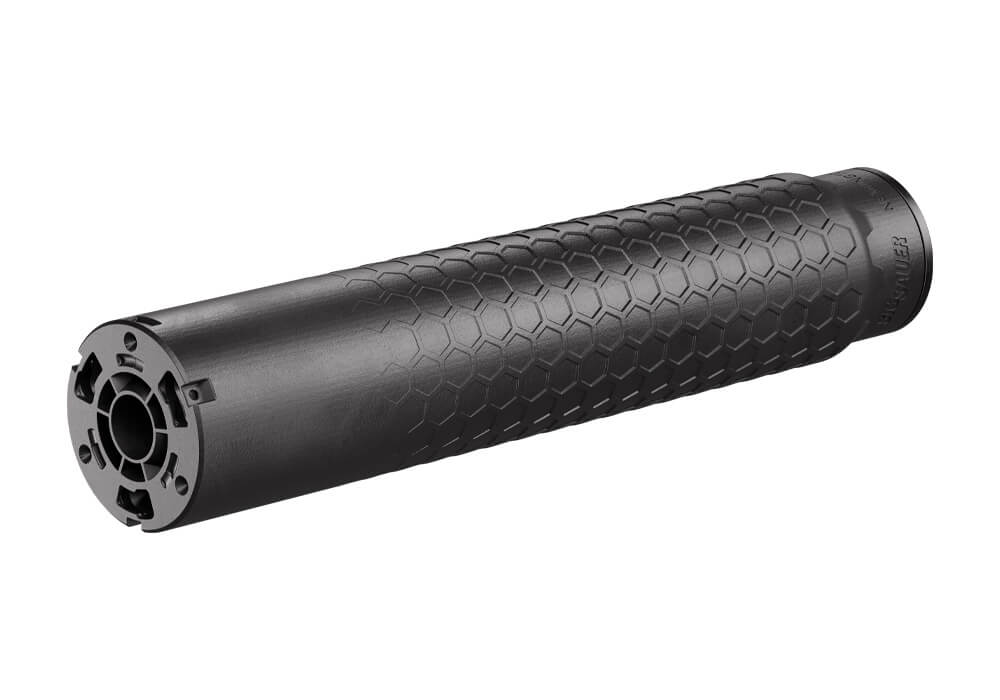
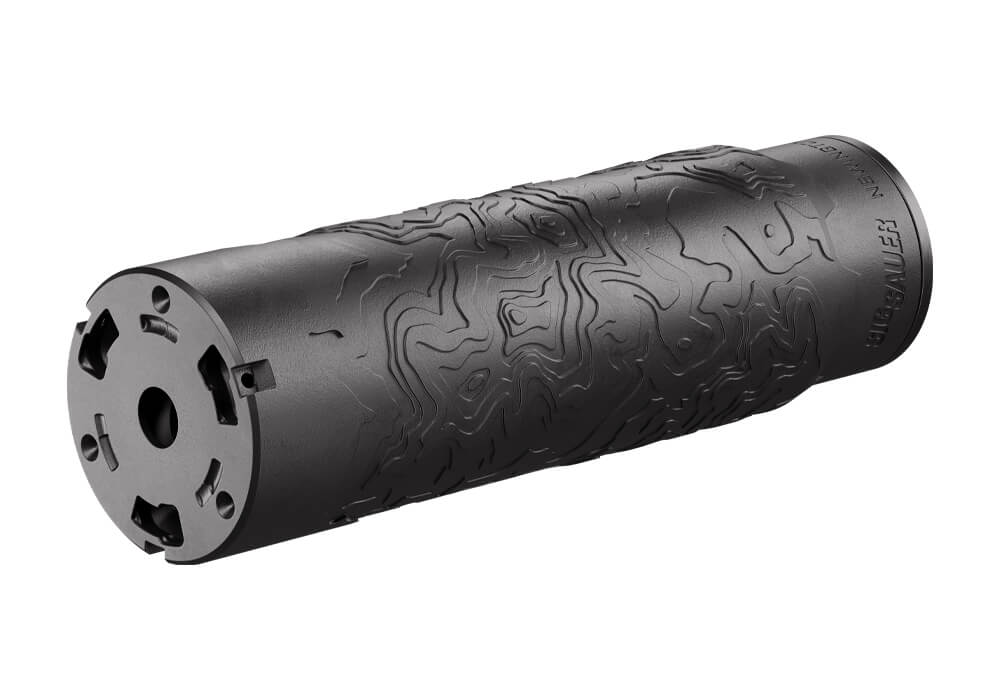
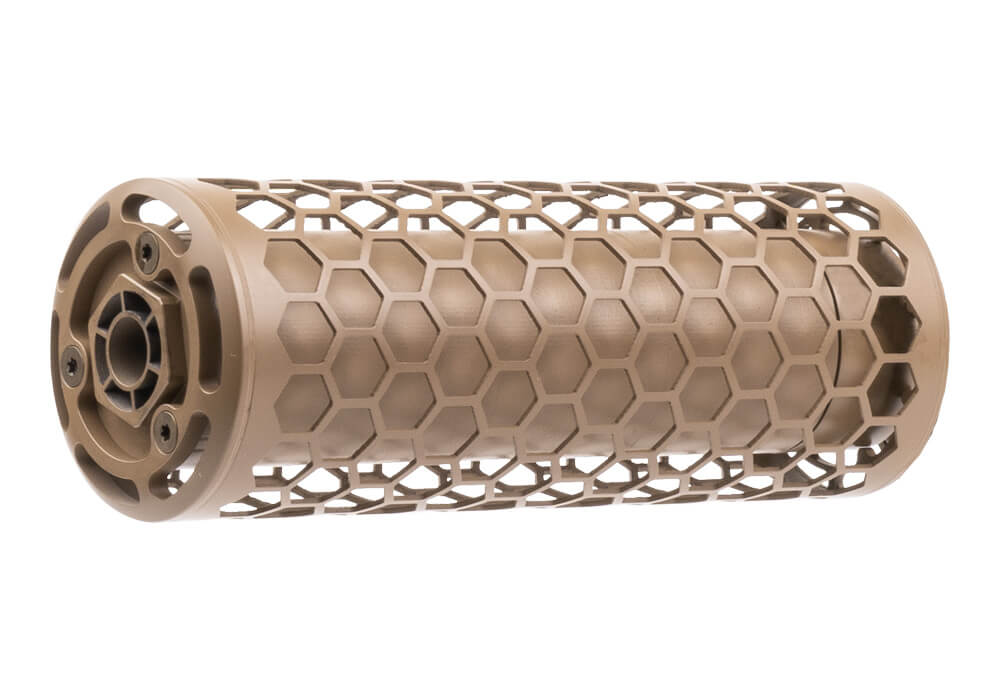
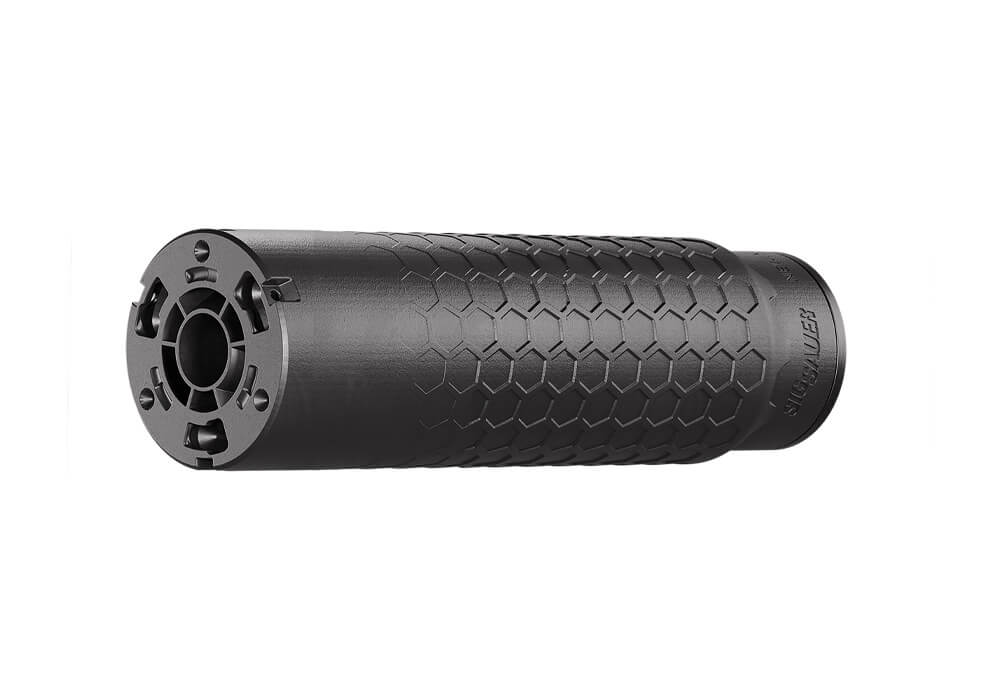
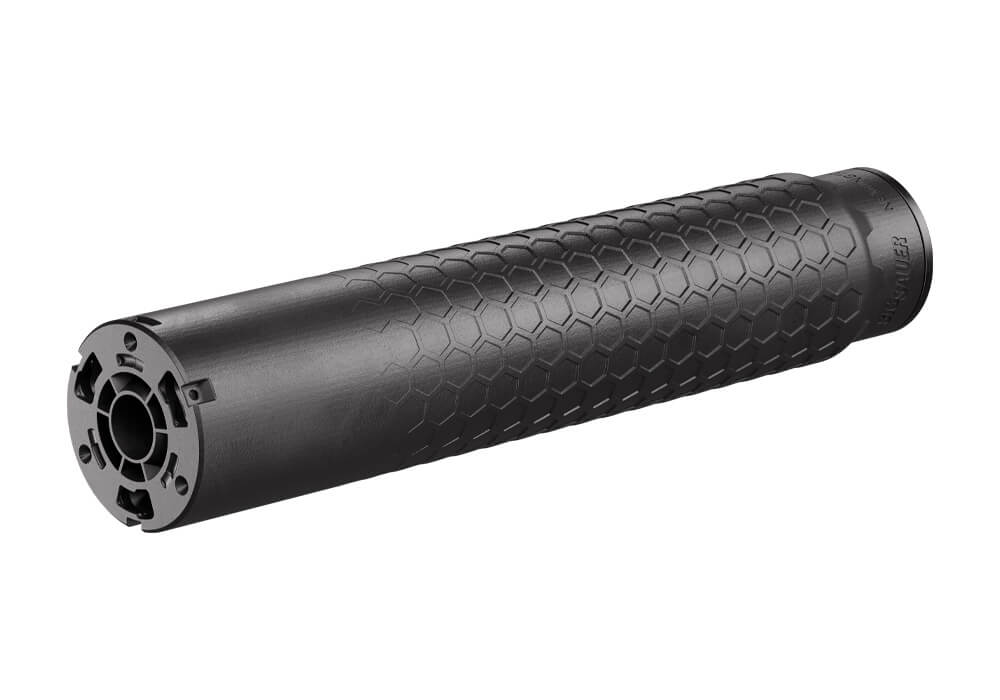
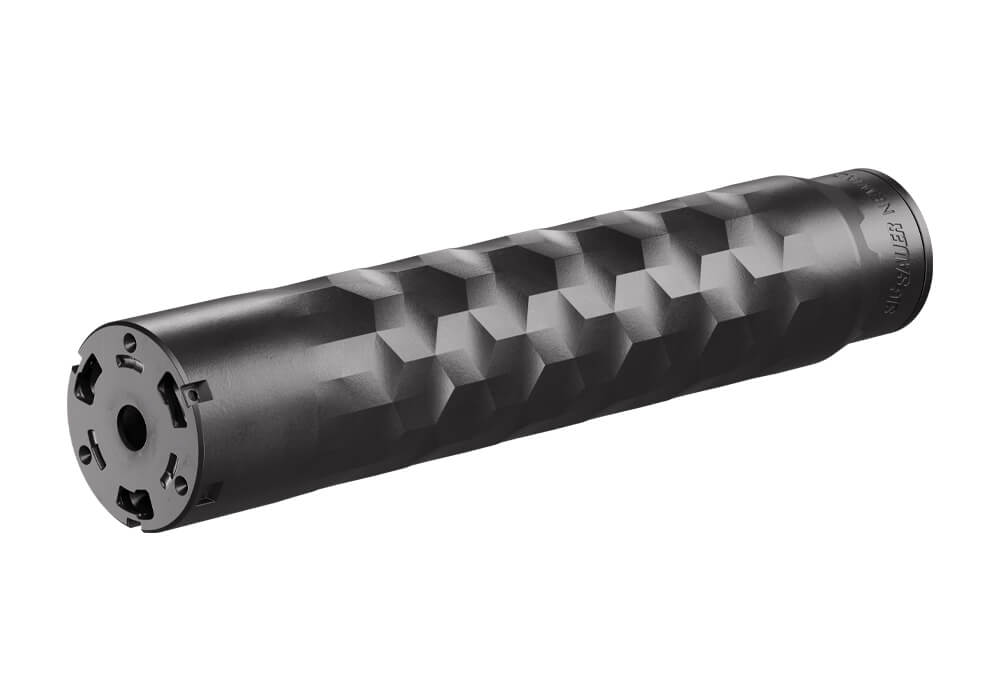
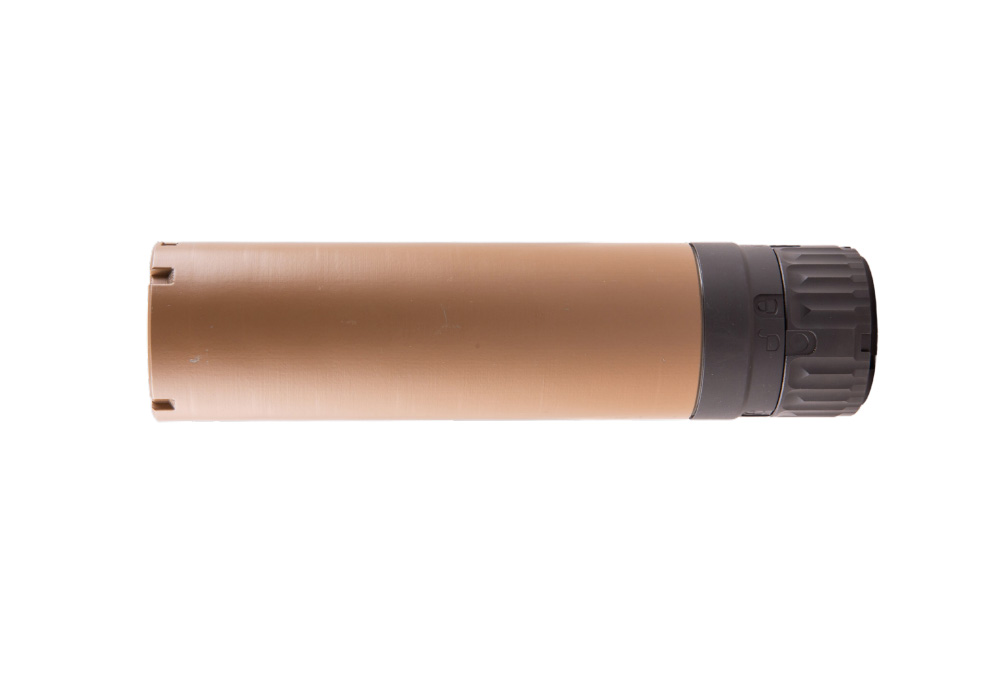
Integrated flash hider suppressors combine two important muzzle-end functions in one streamlined system: reducing visible muzzle flash and moderating the report of a shot. Rather than treating a flash hider and suppressor as entirely separate components, this configuration is designed to work as a unified assembly or as a suppressor paired with a compatible flash-hiding mounting interface. The flash-hiding portion helps disrupt and cool escaping gases, reducing the bright bloom that can affect the shooter’s vision in low-light conditions, while the suppressor’s internal structure helps manage expanding gases and reduce the overall sound signature. This combination can be especially useful on modern sporting rifles, patrol rifles, and other compatible platforms where preserving balance and keeping the muzzle profile orderly matter as much as sound reduction. In darkness, a large muzzle flash can briefly obscure the sight picture, draw unwanted attention, and make it harder to maintain visual reference through a conventional optic or night-vision device. An integrated system is intended to address that concern without requiring a separate flash hider and a separate suppressor arrangement at the front of the firearm. Buyers should begin by confirming the host firearm, chambering, barrel length, muzzle thread pattern, and manufacturer specifications before selecting a system. Suppressors are not universal, and compatibility depends on more than the caliber alone. The mounting method, bore diameter, barrel rating, operating pressure, and intended firing schedule all deserve careful attention. Some systems attach directly to the barrel, while others use a quick-detach interface that locks onto a dedicated flash hider or similar adapter. Direct-thread configurations may offer a simple, lightweight connection, while quick-detach setups can make installation and removal more convenient when one suppressor is used with multiple compatible firearms. Secure mounting is essential in either case, and the suppressor should always be installed, inspected, and used according to the manufacturer’s instructions.
When comparing integrated flash hider suppressors, consider how the complete rifle will feel and function rather than judging the suppressor as an isolated accessory. Overall length, weight, diameter, balance, handguard clearance, optic placement, and access to the mounting mechanism can all influence the experience at the range or in the field. A system that keeps its mass closer to the receiver may feel more manageable during positional shooting, movement, or extended observation, while a broader design may require additional clearance around the handguard and front sight. Gas management is another important consideration on semiautomatic rifles. Suppressed fire can alter the amount and direction of gas moving through the action, so shooters may want to evaluate whether their firearm’s configuration, ammunition, and existing controls are well suited to suppressed use. Adjustable gas systems, charging handles, and other supporting components should only be changed when appropriate for the firearm and in accordance with qualified guidance. Flash reduction can also vary with ammunition, barrel length, environmental conditions, and the suppressor’s design. No muzzle device can eliminate every visible signature in every situation, and suppressors do not make firearms silent. They are intended to reduce sound and flash, not remove the need for hearing protection, safe handling, a proper backstop, or awareness of people and property nearby. A suppressor can become extremely hot during firing, so heat-resistant handling practices, a stable shooting position, and adequate cooling time are important. Users should also inspect the mounting interface and bore path before use, watch for signs of loosening or damage, and follow all maintenance recommendations. For additional muzzle-end configuration options, explore High Performance Flash Hider Adapters and verify that any adapter is approved for the intended suppressor and firearm combination.
These systems may appeal to experienced range shooters, hunters where lawful, professional users, and firearm owners building a dedicated suppressed rifle for training or low-light applications. During the warmer part of the year, they can support outdoor range sessions and practical practice in open areas; during the cooler months, their reduced flash and sound signature may be appreciated during earlier sunsets and dimmer conditions. The best choice depends on the user’s priorities. Someone who regularly changes a suppressor between compatible rifles may place greater value on a dependable quick-detach system, while a shooter building one dedicated host may prefer the straightforward fit of a direct-thread arrangement. A compact rifle used around vehicles, blinds, or confined firing positions may call for careful attention to length and clearance, while a precision-oriented setup may place more emphasis on repeatable mounting and consistent point of impact. Integrated flash hider suppressors can also be considered for a serious firearm enthusiast’s collection, but they are not casual gifts. Suppressors are regulated items in many jurisdictions, and purchasing, transferring, possessing, or using one may require applications, registration, background checks, waiting periods, or other legal steps. Gift-givers should never assume that a suppressor can be shipped directly to another person or transferred without proper approval. Before ordering, confirm federal, state, and local requirements, as well as any restrictions that apply to the intended location and use. A qualified dealer or legal authority can provide current guidance, while a trained gunsmith can help confirm thread, alignment, clearance, and host compatibility. With the right match, an integrated flash hider suppressor can create a clean, balanced muzzle setup that helps manage both visible flash and shooting noise while preserving the familiar handling characteristics of a well-configured rifle.