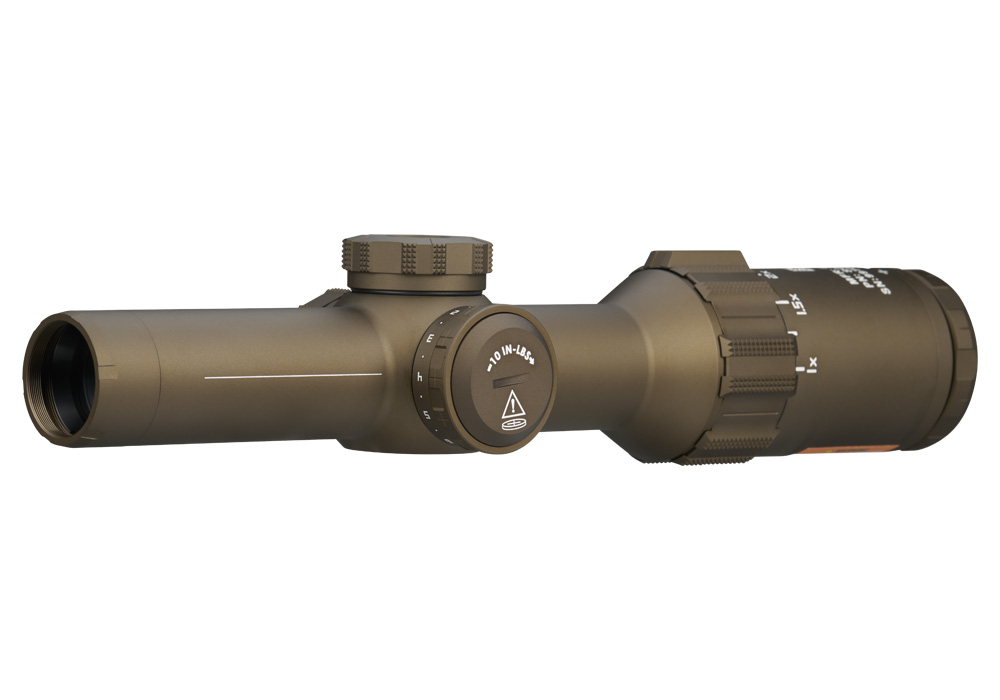
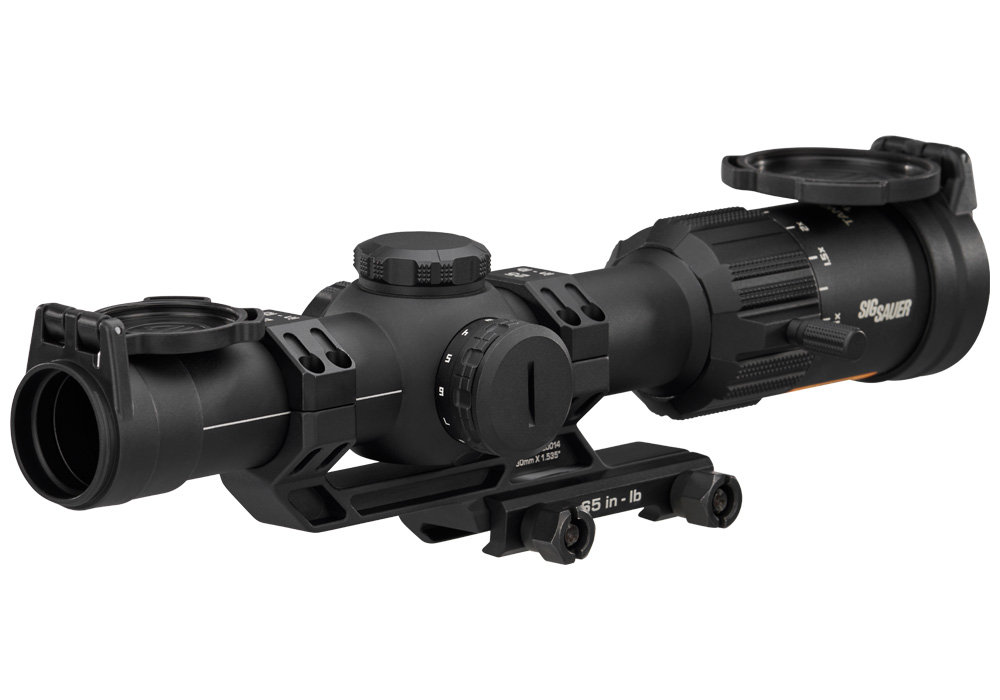
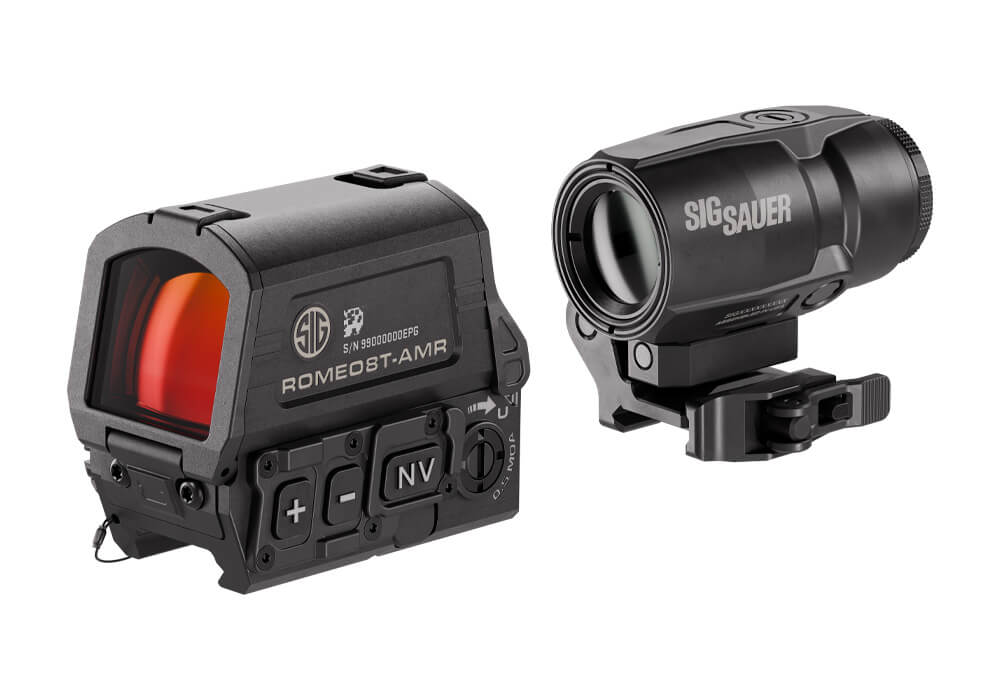
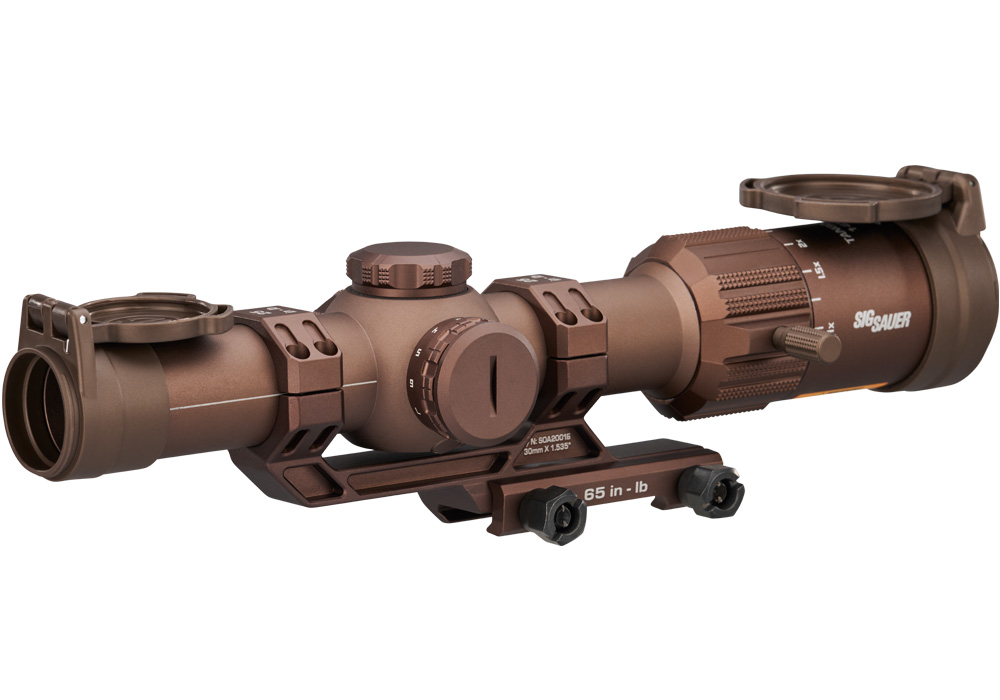
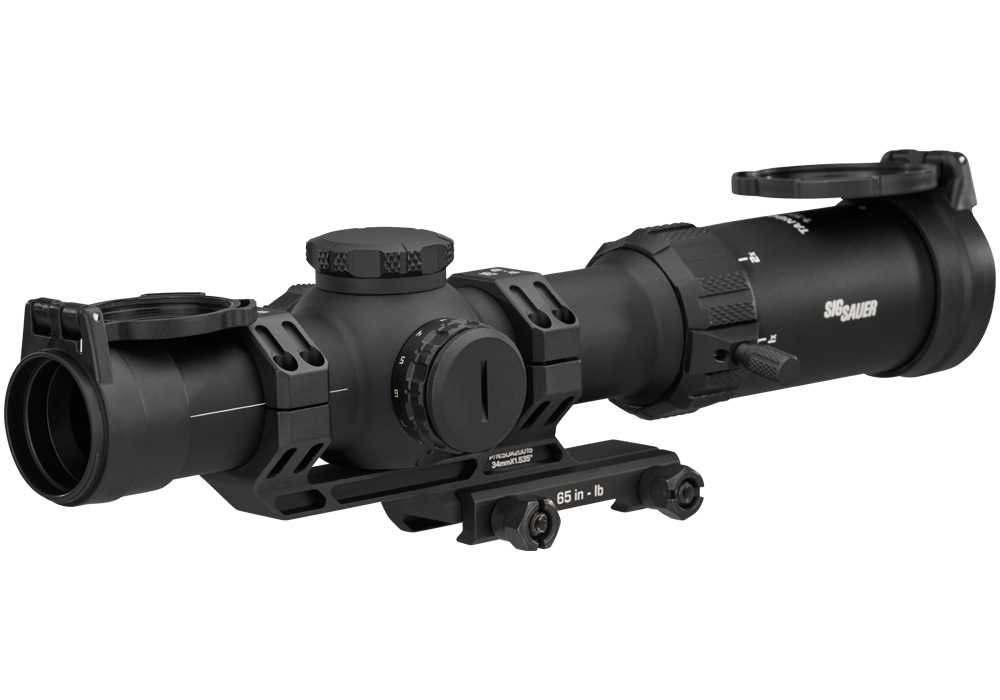
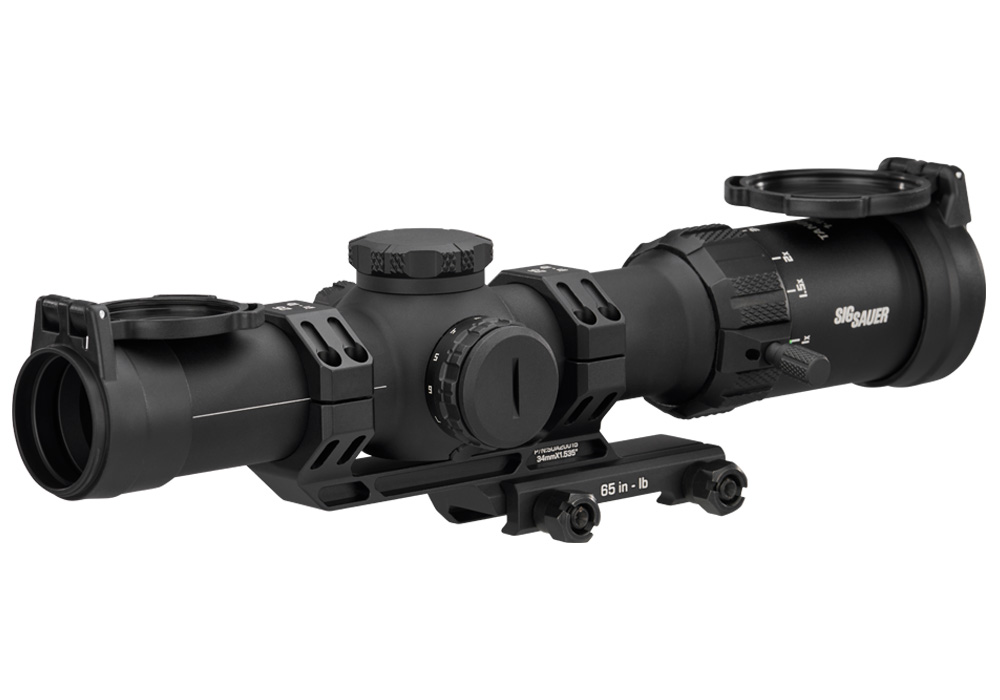
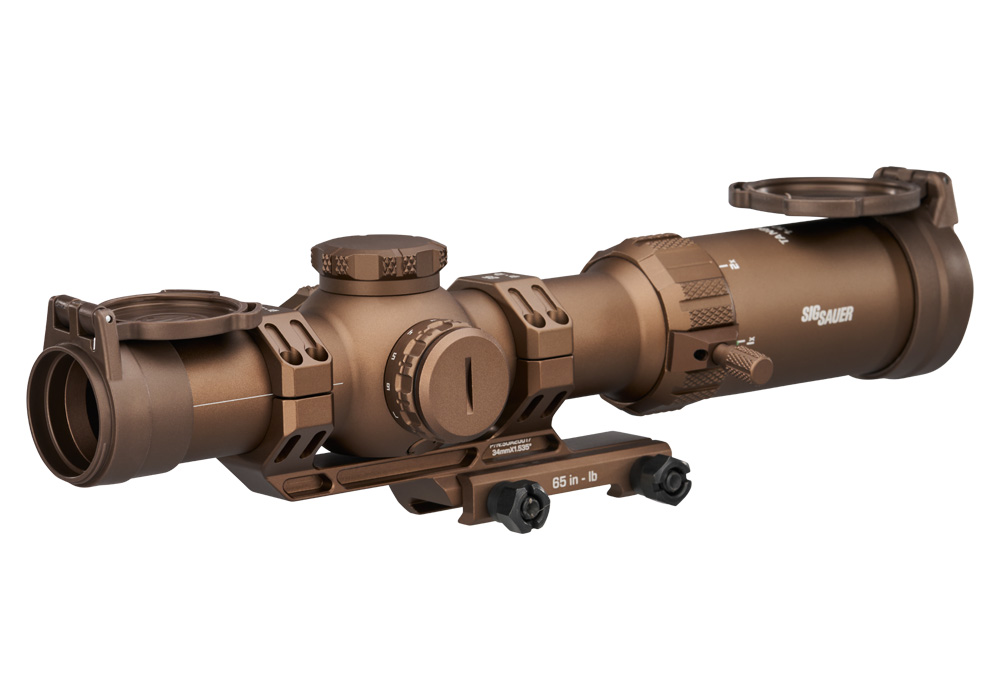
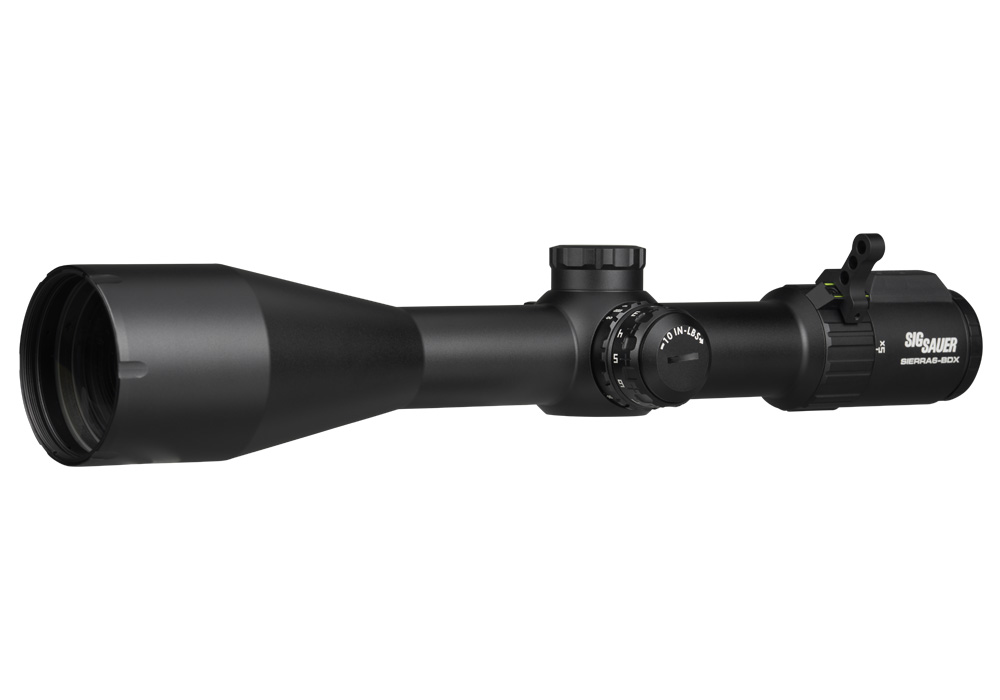
Integrated rail tactical rifle scopes combine aiming capability with a mounting or accessory interface built into the optic itself. Unlike a conventional scope that relies entirely on separate rings around a smooth tube, an integrated rail design may use a built-in bottom rail that attaches directly to a compatible firearm mount, or it may feature external Picatinny-style rails along the top or sides of the scope housing. These configurations can create a clean, rigid setup while reducing the number of separate components between the optic and rifle. A bottom rail system may help limit movement under recoil and avoids the possibility of uneven ring pressure pinching the scope tube. An optic with external accessory rails can provide a practical place for a compact close-range sight or another compatible accessory, allowing a shooter to tailor the rifle for changing distances and shooting positions. The exact design varies, so shoppers should confirm whether a scope uses a ringless mounting profile, built-in accessory rails, or both before making a purchase. It is also important to verify compatibility with the firearm’s receiver, rail standard, mounting height, and available clearance. A scope may have the right rail profile yet still require a specific base or adapter for a secure fit. Careful attention to those details helps create a balanced setup that holds zero, maintains a comfortable cheek weld, and stays manageable when the rifle is carried through a field, range, or training environment.
Choosing among integrated rail tactical rifle scopes begins with matching the optic to the way the rifle will actually be used. A shooter who spends most of the day working from a bench or prone position may value magnification range, precise adjustments, parallax control, and a reticle that remains easy to read against varied backgrounds. Someone moving between wooded terrain and open ground may place greater emphasis on a generous field of view at low magnification, forgiving eye relief, durable controls, and a compact profile that is less likely to catch on a sling or pack. For a general-purpose tactical rifle, a versatile variable-power scope can support quick target acquisition at shorter distances while still offering the detail needed for deliberate shots farther away. Reticle design deserves close consideration: illuminated aiming points can be useful in shaded areas or during the lower light of early morning and evening, while a simple, uncluttered reticle may be preferable for fast, unobstructed sight pictures. Check the adjustment system, turret style, magnification markings, and illumination controls for ease of use with gloves or under stress. Optical clarity matters at every power setting, but so does the scope’s physical construction. Look for a design suited to recoil, repeated handling, changing temperatures, dust, and moisture. A sealed, rugged optic is easier to trust when a rifle moves from a dry range to damp ground during the cooler months. Shooters comparing integrated rail systems with more traditional mounting arrangements may also appreciate the streamlined appearance and reduced ring contact of a rail-integrated design. Those advantages do not replace proper installation: mounting surfaces should be clean, fasteners should be tightened according to the manufacturer’s specifications, and the rifle should be zeroed again after any major change to the optic or accessory arrangement.
These scopes can serve a broad range of responsible rifle owners, from experienced competitors and professional users to recreational shooters refining a practical setup for training and lawful field use. They may be especially appealing to someone who values modular equipment and wants the option to add a compact secondary sight without placing every accessory on the rifle’s fore-end. A carefully selected integrated rail scope can also make a thoughtful gift for a shooter who has recently upgraded a rifle, though compatibility should be confirmed before wrapping it. The firearm platform, receiver pattern, intended ammunition, existing rail system, and preferred shooting distance all affect the right choice, and a gift card or exchange-friendly purchase may be better than guessing at a mount interface. Before heading to the range, inspect the mounting hardware, confirm that accessories do not interfere with the bolt, charging handle, safety, or ejection path, and verify that the sight picture remains natural from a stable cheek position. Start the zeroing process at a safe distance with a secure backstop, then confirm the point of impact at the distances where the rifle is most likely to be used. During late summer outings, bright glare and heat shimmer can make a clear reticle and reliable adjustment system particularly valuable; as the weather becomes cooler, gloves, reduced daylight, and heavier layers can change how controls feel and how quickly a shooter settles behind the optic. For those comparing scope styles, exploring Flat Image Tactical Rifle Optics can provide another useful point of reference when evaluating viewing comfort and image presentation. With the right fit, a secure installation, and realistic expectations about the rifle’s role, an integrated rail tactical rifle scope can provide a tidy, adaptable sighting solution for practice, competition, field observation, and other lawful shooting applications.