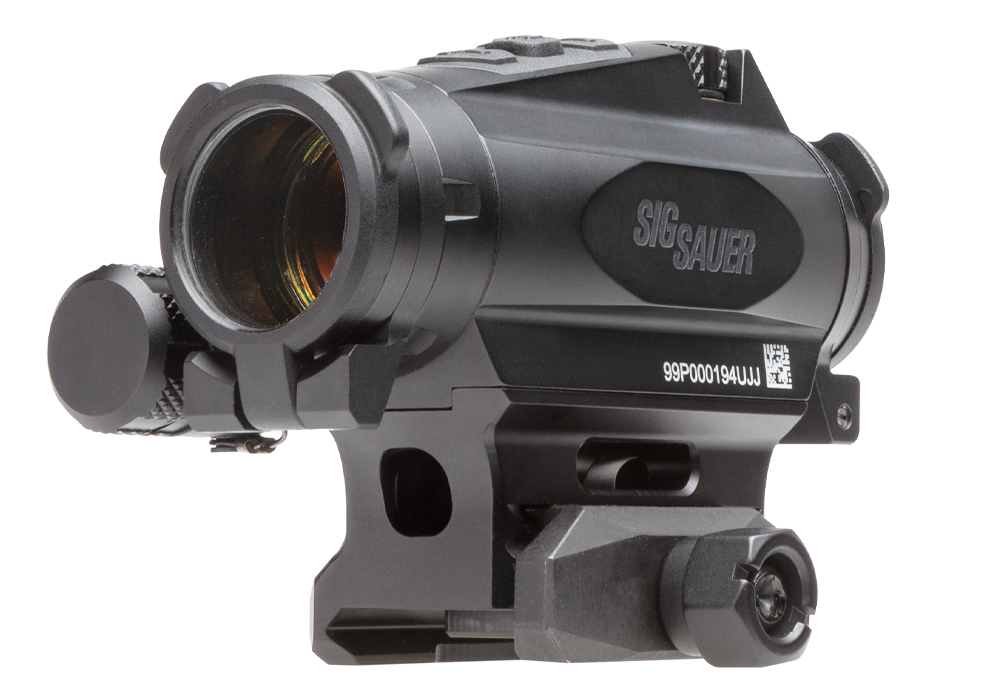
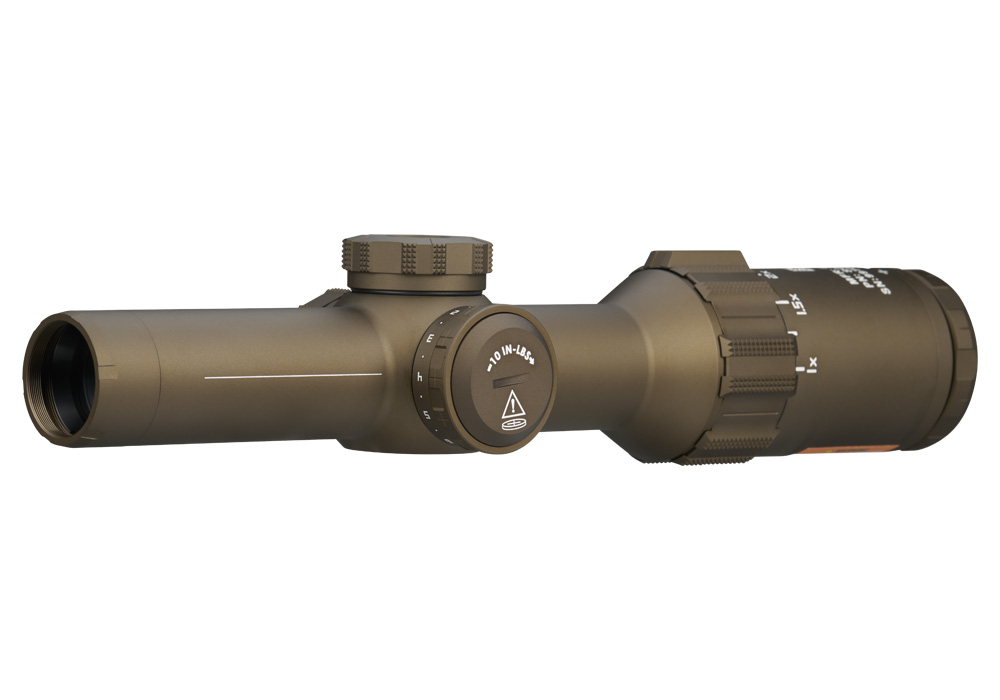
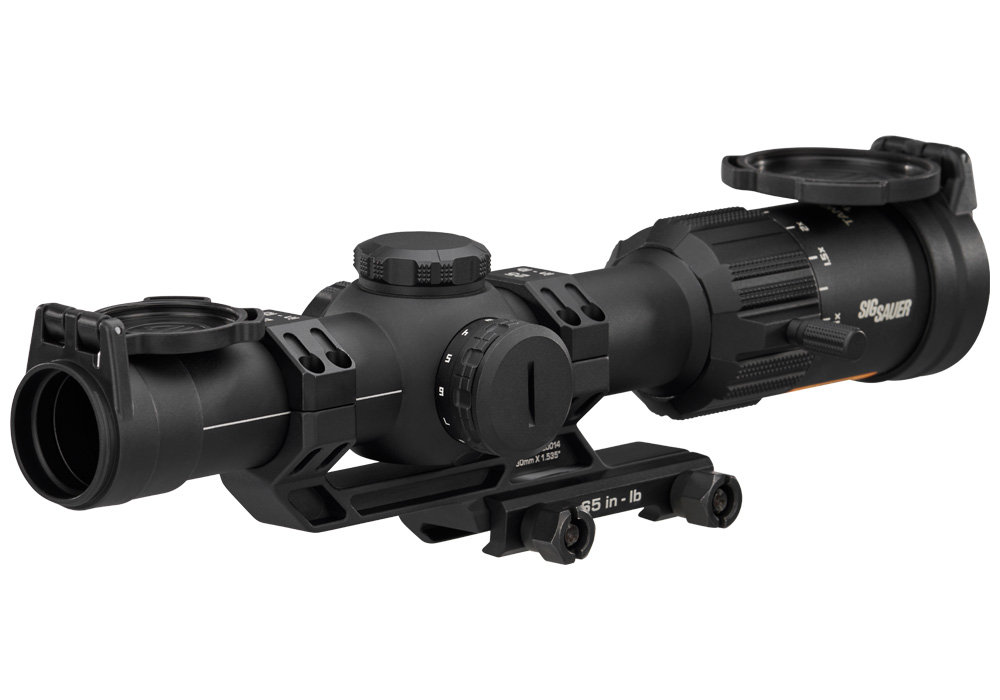
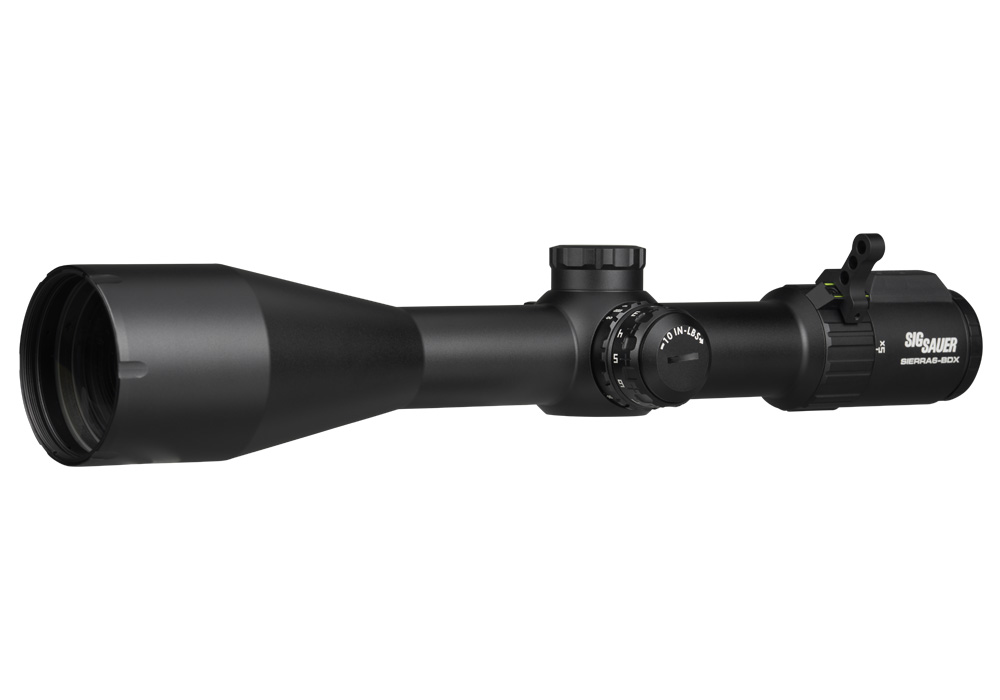
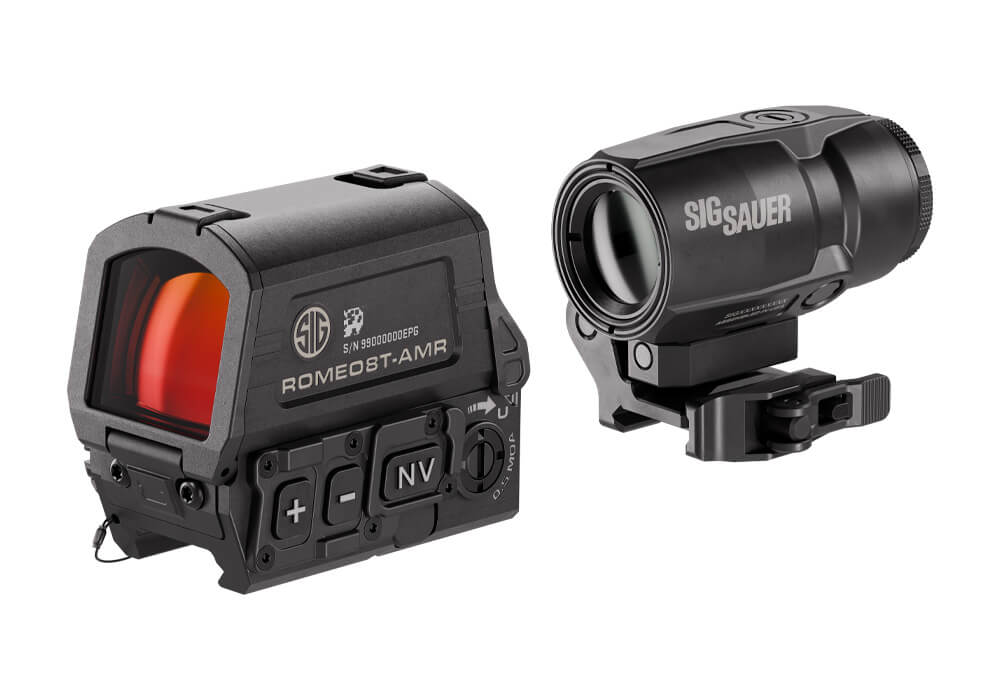
Compact tactical optics are designed for shooters who value a streamlined setup, quick handling, and clear aiming information without adding unnecessary bulk. Unlike larger full-size scopes built around maximum magnification or oversized objective lenses, compact optics keep the overall package short and manageable for carbines, AR-style platforms, pistols configured for optics, and other firearms used in confined spaces or fast-moving environments. A smaller sight can make a noticeable difference when moving through a vehicle, working around a bench, or carrying a rifle during a long day outdoors. The reduced weight helps maintain balance, while a compact housing is less likely to catch on equipment or interfere with a sling, case, or storage system. Red dot sights and micro-prism optics are popular for close-range applications because they support rapid, both-eyes-open target acquisition and preserve a broad view of the surrounding area. Red dots typically use a simple illuminated aiming point, while prism designs may offer an etched reticle that remains visible without illumination and can be helpful for shooters who prefer a defined reticle pattern. Enclosed emitter designs add protection around the optical system, making them well suited to dusty ranges, wet conditions, and equipment that sees frequent handling. Compact rifle scopes provide another option for users who want more reach while keeping a short overall profile. These scopes may use a fixed magnification or a variable range, with low-power variable optics offering a true or near-true 1x setting for fast shooting at close distances and increased magnification for more deliberate aiming at mid-range. A compact variable optic can bridge the gap between a red dot and a traditional rifle scope, particularly when a shooter may move between open ground and dense terrain during the same outing. The right choice depends on the firearm, the intended distance, the available mounting space, and the balance between speed, precision, and weight.
When comparing compact tactical optics, begin with the sight picture and the way the optic will be used rather than focusing on size alone. Magnification, reticle design, illumination controls, eye relief, and field of view all influence how naturally an optic performs. A wide field of view can make it easier to locate a target quickly, while a more refined reticle may support careful placement at greater distances. Shooters who spend most of their time at short range often prefer a simple illuminated dot or uncluttered reticle, while those using a compact scope for varied distances may want holdover references, adjustable brightness, and a fast-focus eyepiece. Objective lens diameter is also part of the balance. Compact objectives in the approximately 20mm to 32mm range help keep the optic light and low-profile, though they generally gather less light than larger hunting-style objectives during the dim conditions around dawn, dusk, or heavily shaded terrain. That tradeoff is often worthwhile when fast handling and a clear sightline matter more than maximum low-light brightness. Construction deserves equal attention. A sealed housing, shock-resistant design, and fog-proof performance can help an optic remain dependable when it encounters recoil, rain, dust, or the temperature changes that occur when moving from a heated vehicle into cooler outdoor air. Nitrogen- or argon-purged housings are commonly selected for their resistance to internal fogging. Check the mounting footprint, tube diameter, rail compatibility, and height requirements before purchasing, since the correct optic must sit securely and provide a comfortable cheek weld or presentation. Battery access, battery life, adjustment controls, lens coatings, and included accessories can also affect everyday convenience. A compact optic should complement the firearm rather than force awkward positioning or make the controls difficult to reach. For shooters configuring a compact platform, the collection of Compact Optics for AR Pistols can provide a useful place to compare compatible sighting solutions.
These optics serve a wide range of practical users. Recreational shooters may choose a compact red dot for a carbine used at the range, where quick transitions between targets and an unobstructed view make practice more engaging. Home-defense setups may benefit from a simple, illuminated aiming reference, provided the firearm, optic, training, and storage plan are selected responsibly and in accordance with applicable laws. Hunters moving through thick brush may appreciate a short scope that does not snag on branches and offers enough magnification for clear identification at moderate distances. Professionals and preparedness-minded users often look for sealed, rugged optics that can withstand repeated transport and changing conditions without turning a lightweight firearm into a cumbersome one. During the cooler months, compact equipment is especially convenient when layered clothing, gloves, vehicle storage, and wet gear already add complexity to an outing. A well-chosen optic can also make a thoughtful gift for an experienced shooter, a new firearm owner building a practical range setup, or a family member who has expressed interest in improving their sight picture. The best gift choice is usually guided by the recipient’s firearm, rail system, preferred shooting distance, and comfort with illuminated or magnified reticles; when those details are unknown, a gift card or an opportunity to select the optic together may be more useful than guessing. Thermal and other specialized compact units can extend capability in low-light observation and target-detection applications, but they require careful attention to mounting, controls, battery needs, and local regulations. Across every category, compact tactical optics are defined by the same central purpose: delivering useful aiming information in a package that stays light, maneuverable, and easy to manage. Whether the priority is fast close-range acquisition, adaptable magnification, dense-terrain use, or a clean low-profile setup, comparing the available features with the intended firearm and shooting environment helps create a system that feels natural from the first presentation and remains practical through changing conditions.