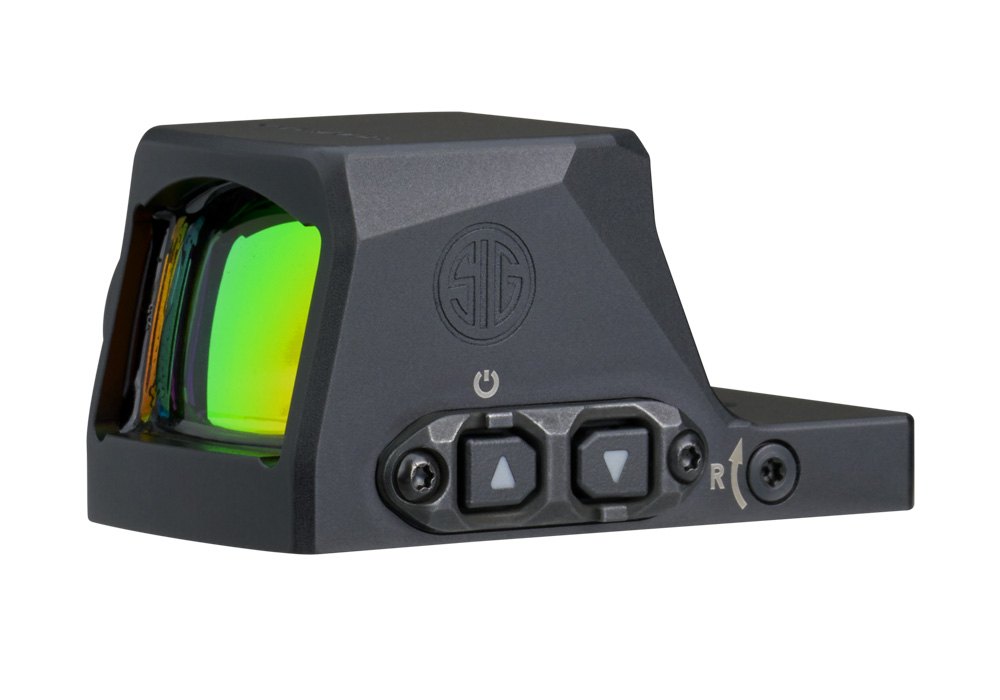
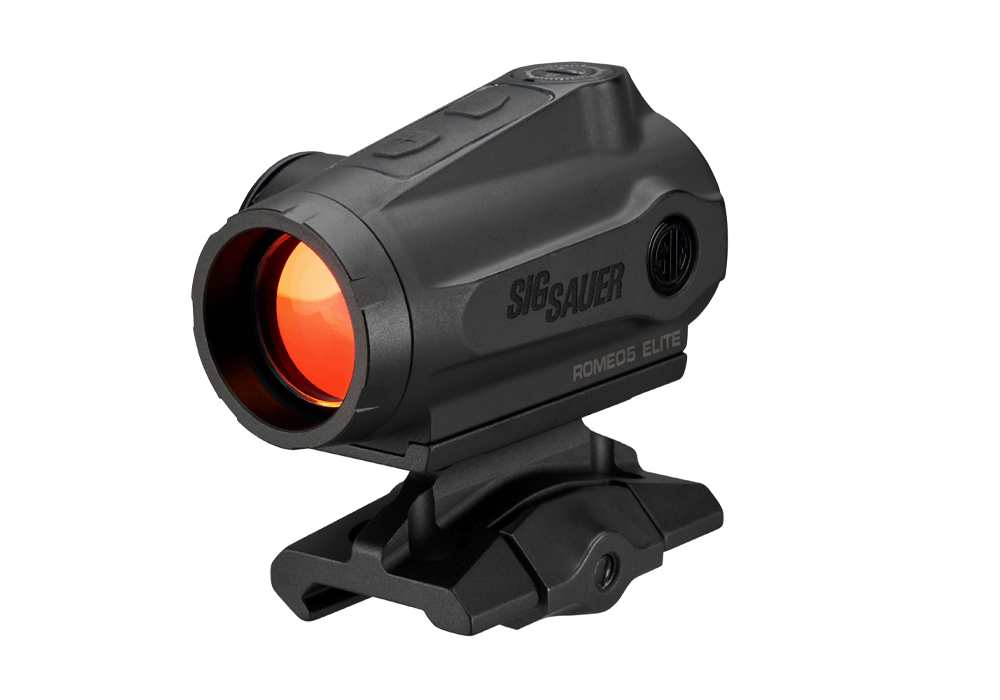
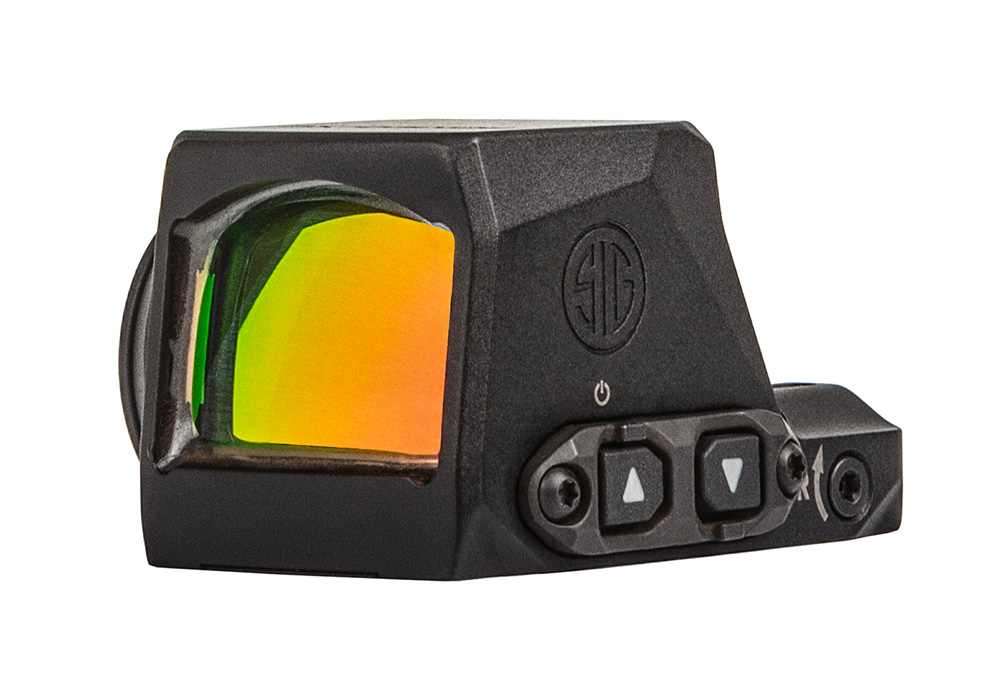
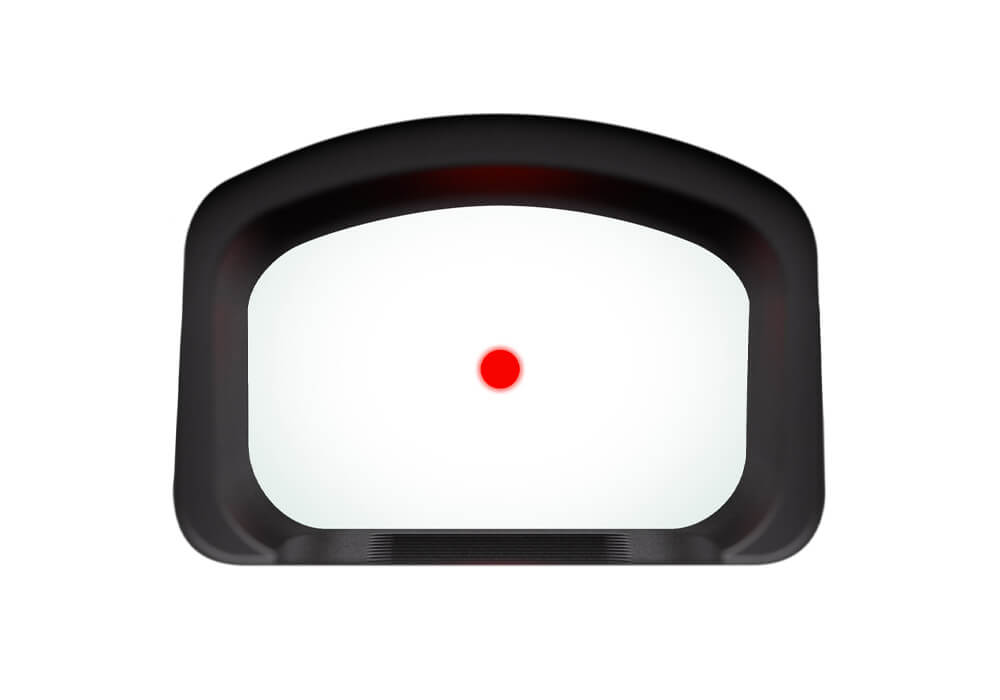
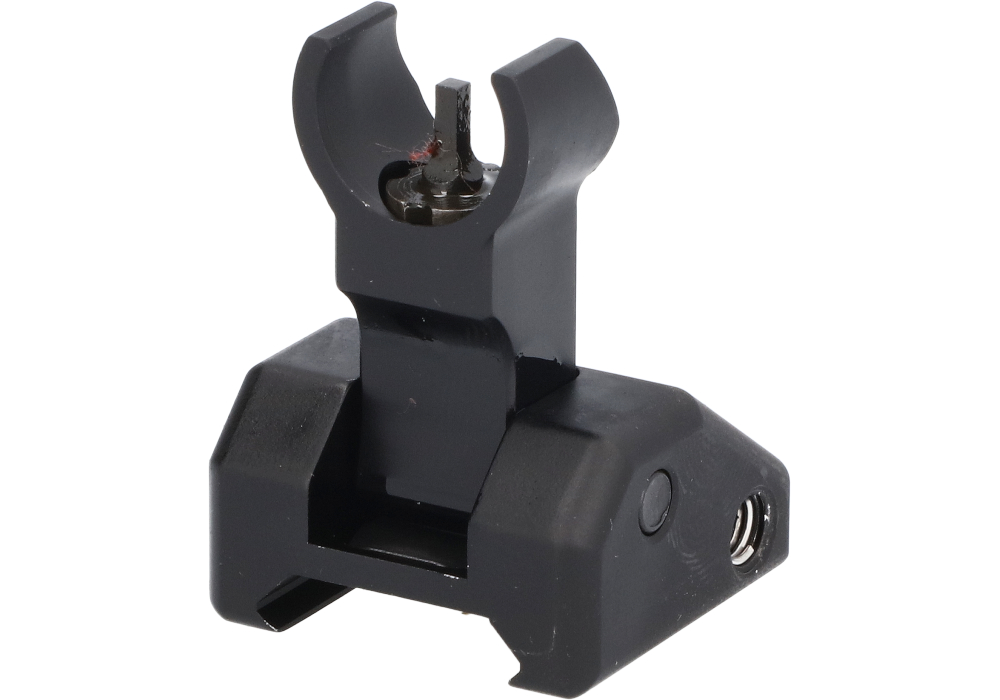
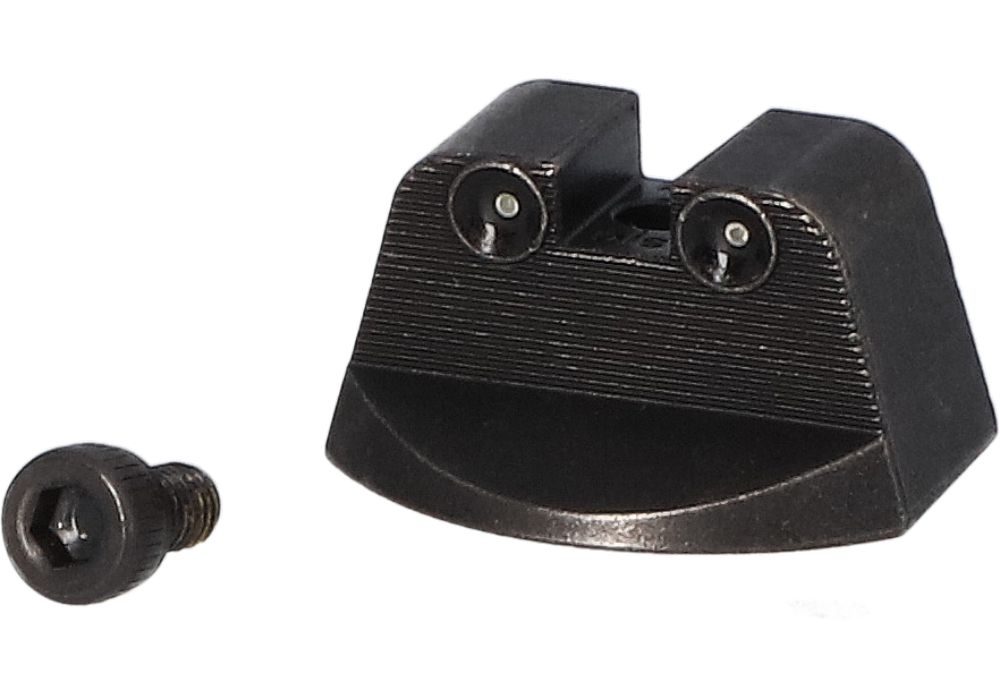
Iron sight alternatives include red dot sights, holographic sights, prism optics, and magnified scopes, each offering a different way to view an aiming reference and the target together. Unlike traditional front and rear sights, an optical sight presents a dot or reticle within a viewing window or through a lens system. That distinction can appeal to recreational target shooters, competitors, and hunters who prefer a different sight picture or need magnification for their intended activity. Red dot sights typically use an LED reflected from a specially coated lens to create an illuminated aiming point without magnifying the target. Their relatively simple sight picture can be comfortable for people who find it difficult to keep a front sight sharply defined, although individual eyesight affects how cleanly the dot appears. Holographic sights use laser illumination to reconstruct a reticle in an optical window; their appearance, dimensions, and power requirements differ from those of LED-based sights. Prism optics use a glass prism within a compact optical system and commonly feature an etched reticle, which can remain visible without illumination. Some people with astigmatism find an etched reticle clearer than a projected dot, but that experience is not universal. Magnified rifle scopes enlarge the target image, while low-power variable optics offer an adjustable range that often begins at or near 1x. A nominal 1x setting does not necessarily feel identical to an unmagnified red dot, since eye position, optical distortion, and the surrounding housing influence the view. Fiber-optic and tritium sights belong in a slightly different category: they enhance physical sight references rather than replacing them with an optical image. For shoppers comparing those familiar arrangements with an optic, Iron Sights provides a useful related category. The most relevant distinction is not simply electronic versus mechanical, but whether the sight offers the viewing experience, dimensions, and compatibility that suit the firearm and its intended use.
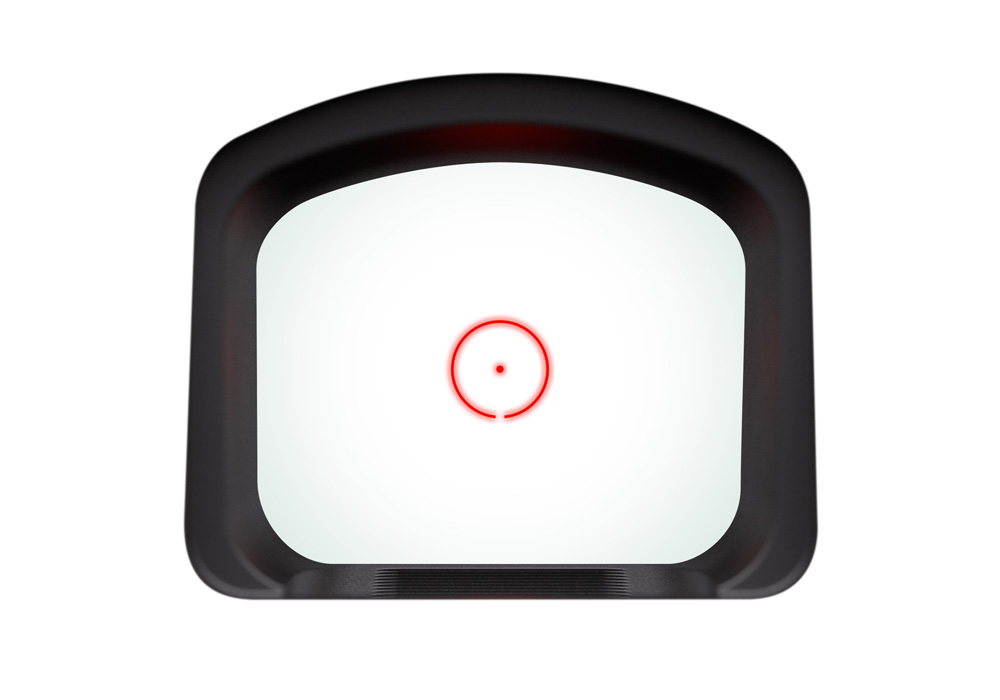
Fit deserves as much attention as the reticle because optical sights are not universally interchangeable. A handgun’s optic-ready designation does not mean every compact sight fits its slide, and a rifle’s mounting rail alone does not establish that every optic and mount combination is appropriate. Mounting footprints, manufacturer-approved interfaces, overall dimensions, and clearance requirements belong in the compatibility check before a selection is finalized. Existing sights may remain visible through some optical setups, but that relationship depends on the firearm, optic, and mounting arrangement; it should never be assumed from a photograph. Weight and profile also influence everyday handling. A compact optic may preserve a familiar balance, while a larger viewing window or magnified scope brings different size and weight considerations. For a recreational shooter who carries a cased firearm between a vehicle and a range bench, case clearance and protection for the lenses can be practical concerns. A competitor may need equipment that complies with a particular event’s rules, while a hunter may prioritize manageable weight and a clearly resolved image. Reticle design adds another layer to the comparison. Dots, circles, crosshairs, and more detailed patterns can look quite different against the same background, and a visually busy reticle is not automatically more useful. Apparent dot size, usually expressed in minutes of angle, describes how much of the view the aiming point covers rather than its physical dimensions inside the housing. Brightness adjustment matters for visual comfort, but excessive illumination can make a dot appear larger or less distinct. Magnified and prism optics also have an eye-relief requirement and an eye box, meaning the viewer’s eye must fall within a particular region to see the full image. These characteristics help explain why two sights with similar specifications can feel very different in person. Comparing the actual view, where possible, can reveal distracting reflections, reticle blur, or an uncomfortable viewing position that a specification sheet cannot fully convey.
Materials, construction, and care determine how well an iron sight alternative holds up to repeated use. Aluminum housings are common because they balance weight and structural strength, but material alone does not establish durability. Lens retention, adjustment mechanisms, protective geometry, and the manufacturer’s stated testing all contribute to the finished optic’s suitability. Recoil ratings should match the intended firearm, and claims about impact resistance or sealing should be evaluated according to their documented limits rather than treated as guarantees. Open-emitter red dots leave the space between the light source and viewing lens exposed, where lint or debris can interrupt the projected aiming point. Enclosed-emitter designs surround that optical path, though their exterior lenses still need attention. Neither arrangement eliminates routine inspection. Lens coatings help manage reflections and light transmission, and careful cleaning helps preserve those surfaces. Loose grit should be removed before wiping, with lens-safe tools and cleaning materials selected according to the manufacturer’s directions. Household cleaners, abrasive cloths, and unnecessary pressure can damage optical surfaces or their coatings. Protective covers and a suitable case can reduce contact with other equipment during transport and storage. For illuminated sights, battery type, access, published runtime, and automatic power functions are useful ownership considerations. Runtime figures depend on stated settings and test conditions, so they should not be read as a promise under every pattern of use. An etched reticle may remain visible when illumination is off, whereas many electronic aiming references depend entirely on electrical power. Tritium inserts provide a self-luminous physical reference without a battery, but their brightness diminishes over time; fiber-optic rods rely on surrounding light. Neither an illuminated reticle nor a glowing sight identifies a target or replaces adequate visibility and safe firearm handling. As a gift for an experienced shooting-sports enthusiast, a sight requires more advance knowledge than many accessories: the recipient’s firearm compatibility, eyesight preferences, activity, and existing equipment all matter. A well-matched choice supports a comfortable, repeatable viewing experience without adding unnecessary bulk, complexity, or maintenance.